

Oil, almond
Whole food · Fats and Oils

Photo: Wikipedia
A delicate, pale-gold oil pressed from raw almonds, prized for its light, subtly nutty flavor and silky-smooth texture. It's a pure fat source, containing 100g of fat per 100g, with a high proportion of heart-healthy monounsaturated fats. This oil adds a luxurious, nutty finish to dishes without overpowering them.
Calorie split: 0% protein · 0% carbs · 100% fat
↓ Full nutrition💚 Why it's loved
People love it for its delicate, buttery-nutty flavor that enhances foods without masking their natural taste. It's incredibly versatile, used for everything from salad dressings and baking to high-heat sautéing and as a finishing oil.
⚠️ Watch-outs & how to enjoy it better
As a pure fat, it's very calorie-dense (884 kcal per 100g), so portion control is key for weight management. It's a tree nut product, making it a major allergen for some. To counteract, use it sparingly (e.g., 1 tablespoon per serving) and always check labels for allergen warnings. It's best used for low-to-medium heat cooking or as a finisher to preserve its delicate flavor.
Key benefits
- Rich in monounsaturated fats (oleic acid), which support heart health.
- Contains vitamin E, a powerful antioxidant that helps protect cells.
- Has a high smoke point (around 420°F/215°C), making it stable for cooking.
- Provides a source of plant-based omega-6 fatty acids.
- Adds a subtle nutty flavor to both sweet and savory dishes.
🍽️ Popular dishes
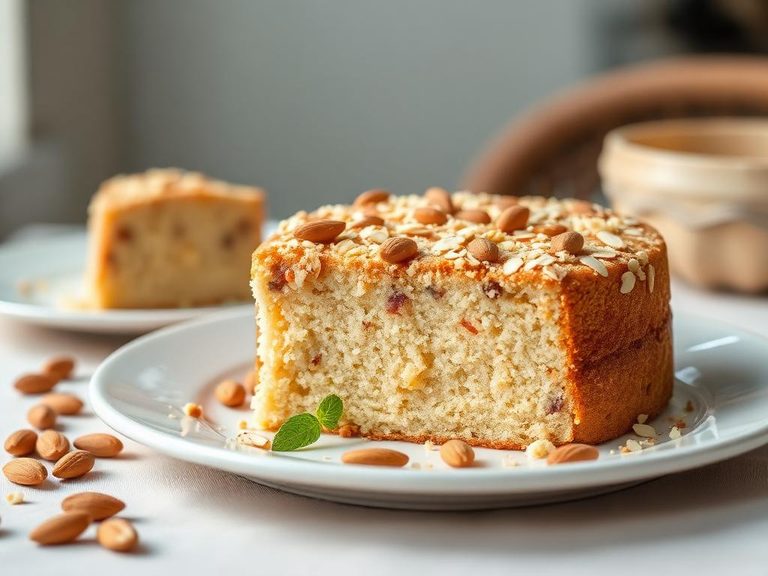
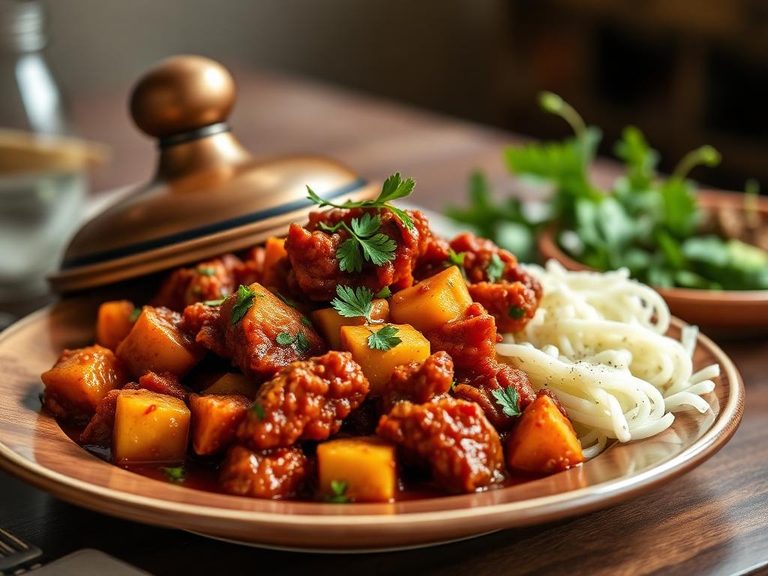
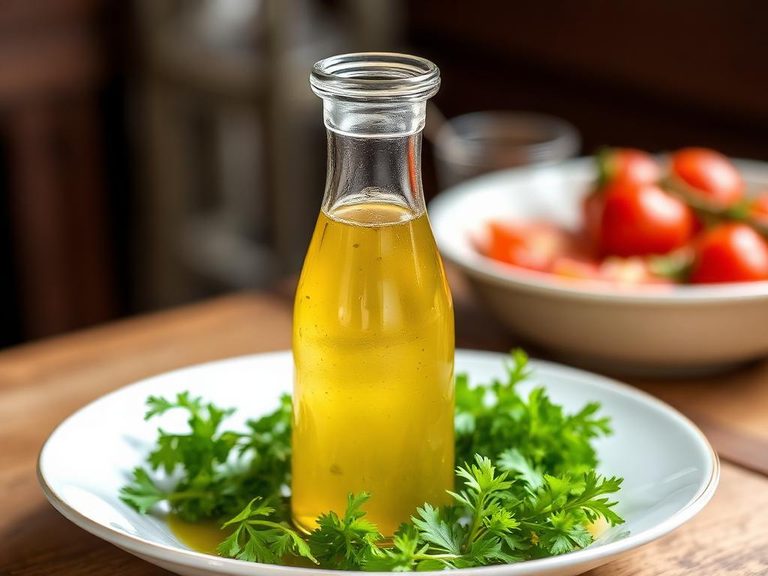

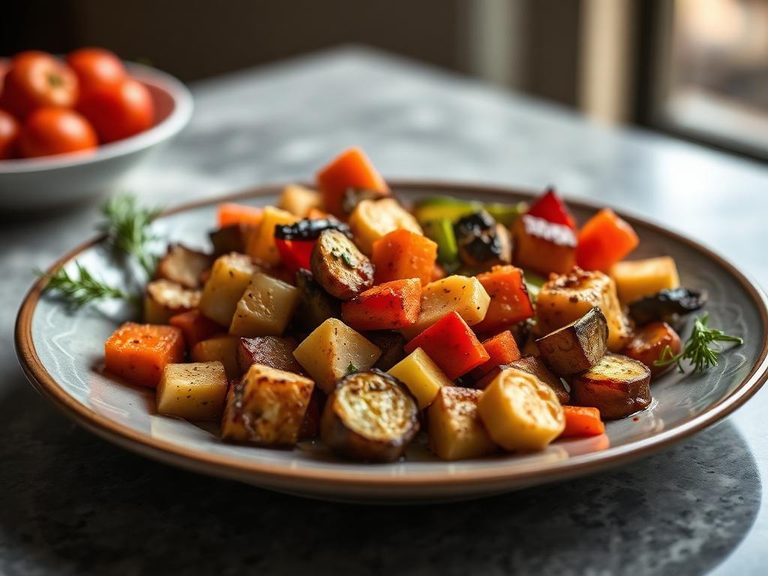

🌍 Where it's eaten
💡 Did you know?
Almond oil was a prized cosmetic and medicinal ingredient in ancient Egypt, used in perfumes and skin treatments long before it became a culinary staple.
Full nutrition (USDA data · scales with serving)
| Water | 0.00 g |
| Energy | 884 kcal |
| Energy | 3699 kj |
| Protein | 0.00 g |
| Total lipid (fat) | 100 g |
| Ash | 0.00 g |
| Carbohydrate, by difference | 0.00 g |
| Fiber, total dietary | 0.00 g |
| Total Sugars | 0.00 g |
| Calcium, Ca | 0.00 mg |
| Iron, Fe | 0.00 mg |
| Magnesium, Mg | 0.00 mg |
| Phosphorus, P | 0.00 mg |
| Potassium, K | 0.00 mg |
| Sodium, Na | 0.00 mg |
| Zinc, Zn | 0.00 mg |
| Copper, Cu | 0.00 mg |
| Selenium, Se | 0.00 ug |
| Vitamin C, total ascorbic acid | 0.00 mg |
| Thiamin | 0.00 mg |
| Riboflavin | 0.00 mg |
| Niacin | 0.00 mg |
| Pantothenic acid | 0.00 mg |
| Vitamin B-6 | 0.00 mg |
| Folate, total | 0.00 ug |
| Folic acid | 0.00 ug |
| Folate, food | 0.00 ug |
| Folate, DFE | 0.00 ug |
| Choline, total | 0.40 mg |
| Vitamin B-12 | 0.00 ug |
| Vitamin B-12, added | 0.00 ug |
| Vitamin A, RAE | 0.00 ug |
| Retinol | 0.00 ug |
| Carotene, beta | 0.00 ug |
| Carotene, alpha | 0.00 ug |
| Cryptoxanthin, beta | 0.00 ug |
| Vitamin A, IU | 0.00 iu |
| Lycopene | 0.00 ug |
| Lutein + zeaxanthin | 0.00 ug |
| Vitamin E (alpha-tocopherol) | 39.2 mg |
| Vitamin E, added | 0.00 mg |
| Vitamin D (D2 + D3), International Units | 0.00 iu |
| Vitamin D (D2 + D3) | 0.00 ug |
| Vitamin K (phylloquinone) | 7.0 ug |
| Alcohol, ethyl | 0.00 g |
| Caffeine | 0.00 mg |
| Theobromine | 0.00 mg |
Fat & fatty acid profile (per 100g)
| Fatty acids, total saturated | 8.2 g |
| SFA 4:0 | 0.00 g |
| SFA 6:0 | 0.00 g |
| SFA 8:0 | 0.00 g |
| SFA 10:0 | 0.00 g |
| SFA 12:0 | 0.00 g |
| SFA 14:0 | 0.00 g |
| SFA 16:0 | 6.5 g |
| SFA 18:0 | 1.7 g |
| Fatty acids, total monounsaturated | 69.9 g |
| MUFA 16:1 | 0.60 g |
| MUFA 18:1 | 69.4 g |
| MUFA 20:1 | 0.00 g |
| MUFA 22:1 | 0.00 g |
| Fatty acids, total polyunsaturated | 17.4 g |
| PUFA 18:2 | 17.4 g |
| PUFA 18:3 | 0.00 g |
| PUFA 18:4 | 0.00 g |
| PUFA 20:4 | 0.00 g |
| PUFA 20:5 n-3 (EPA) | 0.00 g |
| PUFA 22:5 n-3 (DPA) | 0.00 g |
| PUFA 22:6 n-3 (DHA) | 0.00 g |
| Cholesterol | 0.00 mg |
| Phytosterols | 266 mg |
Amino acid profile (per 100g)
| Tryptophan | 0.00 g |
| Threonine | 0.00 g |
| Isoleucine | 0.00 g |
| Leucine | 0.00 g |
| Lysine | 0.00 g |
| Methionine | 0.00 g |
| Cystine | 0.00 g |
| Phenylalanine | 0.00 g |
| Tyrosine | 0.00 g |
| Valine | 0.00 g |
| Arginine | 0.00 g |
| Histidine | 0.00 g |
| Alanine | 0.00 g |
| Aspartic acid | 0.00 g |
| Glutamic acid | 0.00 g |
| Glycine | 0.00 g |
| Proline | 0.00 g |
| Serine | 0.00 g |
FAQ
What is the difference between sweet almond oil and bitter almond oil?
Sweet almond oil is the common culinary oil pressed from edible almonds. Bitter almond oil is extracted from bitter almonds, which contain amygdalin, a compound that can release cyanide; it's primarily used in flavorings and perfumes, not for cooking.
Can I use almond oil for high-heat cooking like frying?
Yes, refined almond oil has a high smoke point (around 420°F/215°C), making it suitable for sautéing and frying. Unrefined or 'cold-pressed' almond oil has a lower smoke point and is better for dressings or low-heat cooking.
Is almond oil good for skin and hair?
Yes, it's a popular natural moisturizer. It's rich in vitamin E and fatty acids, which can help nourish and soften skin and hair. It's often used as a carrier oil for essential oils in massage.
Nutrient density (calculated · NRF9.3)
Nutrient Rich Foods index: beneficial nutrients (protein, fiber, vitamins, minerals) minus saturated fat, added sugar & sodium, per 100 kcal.
NRF9.3 index — Fulgoni, Keast & Drewnowski, 2009. Computed from USDA nutrients.
Weight-loss friendliness (composite index)
Energy density 8.84 kcal/g · 0% calories from protein · 0.0 g fiber · 0.0 g sugar per 100 g.
Composite of energy density (Rolls et al., 1999), protein & fiber satiety, minus sugar. A calculated heuristic — ranks satiety-per-calorie, not a clinical measure.
Dietary load (calculated from USDA values)
Potential renal acid load. Positive = acid-forming, negative = alkaline-forming.
Sodium:potassium per WHO potassium guidance. Computed from USDA nutrients.