

Margarine, industrial, soy and partially hydrogenated soy oil, use for baking, sauces and candy
Whole food · Fats and Oils

Photo: Wikipedia
This is a highly processed, solid fat made from soybean oil that has been partially hydrogenated to create a firm, spreadable texture. It has a neutral, slightly oily taste with a creamy mouthfeel, making it a functional substitute for butter in industrial baking and confectionery. Nutritionally, it is almost pure fat, providing a dense 714 kcal per 100g with negligible protein, carbohydrates, or fiber.
Calorie split: 0% protein · 0% carbs · 100% fat
↓ Full nutrition💚 Why it's loved
People love it for its versatility in creating light, flaky pastries and its ability to mimic butter's texture in large-scale baking at a lower cost. Its neutral flavor allows it to be used in both sweet and savory applications without overpowering other ingredients.
⚠️ Watch-outs & how to enjoy it better
This product contains partially hydrogenated oils, which are a source of trans fats known to raise LDL cholesterol and increase heart disease risk. To counteract this, limit consumption to small portions and pair it with foods rich in omega-3 fatty acids (like walnuts or flaxseeds) and fiber to support cardiovascular health.
Key benefits
- Provides a high smoke point for frying and sautéing
- Offers a long shelf life and cost-effective alternative to butter
- Creates a flaky, tender texture in pastries and baked goods
- Adds creaminess to sauces and candy without dairy
- Remains solid at room temperature, ideal for frosting and confections
🍽️ Popular dishes
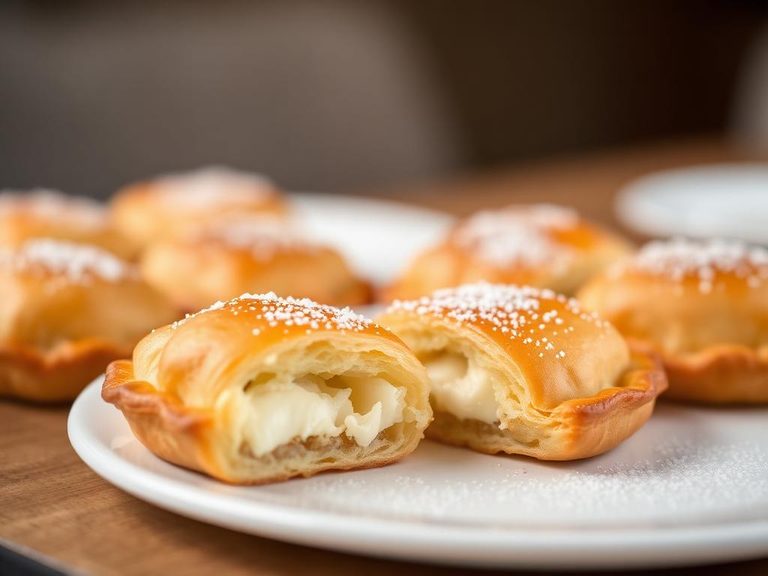
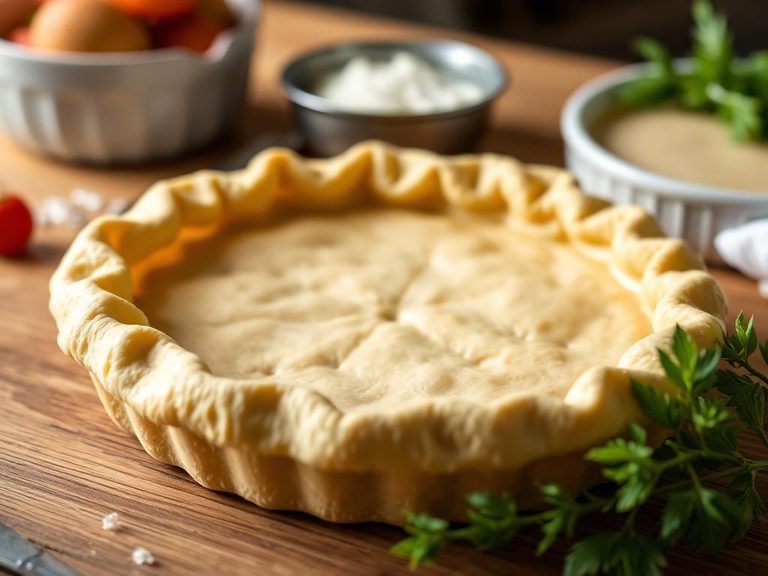
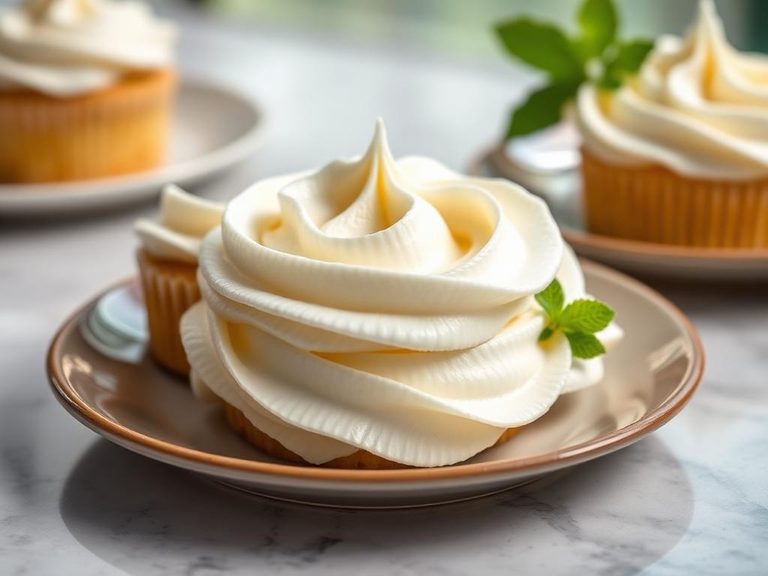
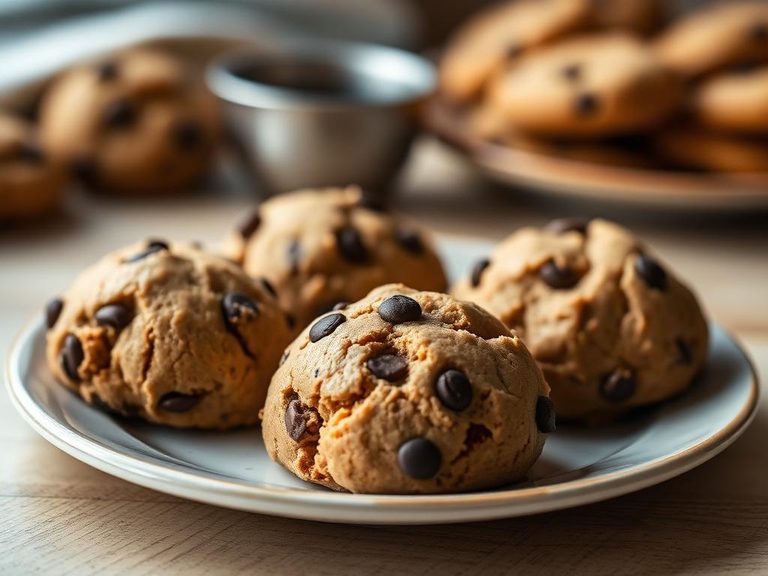
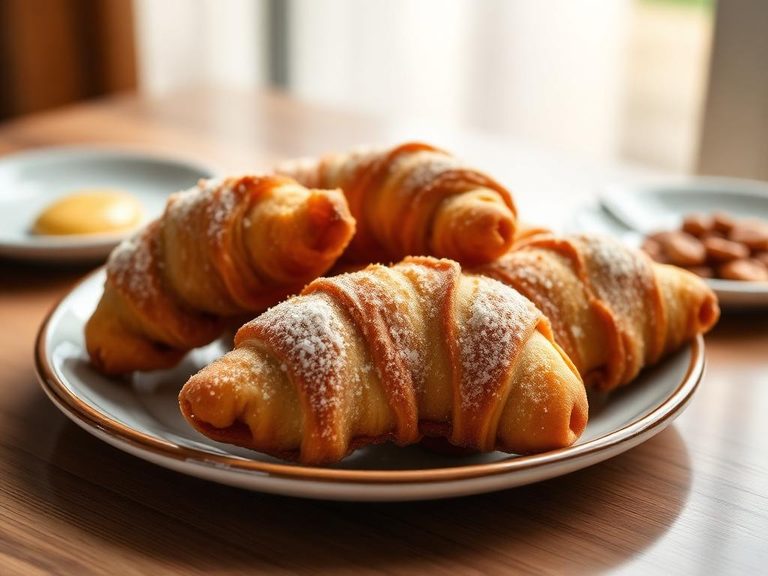
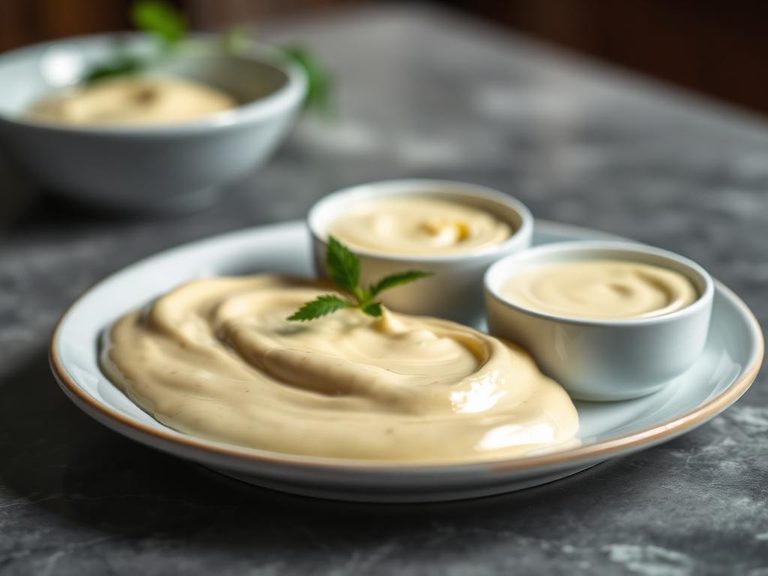
🌍 Where it's eaten
💡 Did you know?
Partially hydrogenated soy oil was once a staple in margarine production, but its use has declined in many countries due to regulations on trans fats, though it remains common in some industrial baking applications.
Full nutrition (USDA data · scales with serving)
| Water | 17.2 g |
| Energy | 714 kcal |
| Energy | 2989 kj |
| Protein | 0.18 g |
| Total lipid (fat) | 80.0 g |
| Ash | 1.9 g |
| Carbohydrate, by difference | 0.71 g |
| Fiber, total dietary | 0.00 g |
| Total Sugars | 0.00 g |
| Calcium, Ca | 3.0 mg |
| Iron, Fe | 0.12 mg |
| Magnesium, Mg | 1.0 mg |
| Phosphorus, P | 5.0 mg |
| Potassium, K | 18.0 mg |
| Sodium, Na | 886 mg |
| Zinc, Zn | 0.11 mg |
| Thiamin | 0.01 mg |
| Riboflavin | 0.00 mg |
| Niacin | 0.00 mg |
| Pantothenic acid | 0.00 mg |
| Vitamin B-6 | 0.00 mg |
| Folate, total | 1.0 ug |
| Folic acid | 0.00 ug |
| Folate, food | 1.0 ug |
| Folate, DFE | 1.0 ug |
| Vitamin B-12 | 0.21 ug |
| Vitamin B-12, added | 0.00 ug |
| Vitamin A, IU | 3571 iu |
| Vitamin E (alpha-tocopherol) | 6.2 mg |
| Vitamin E, added | 0.00 mg |
| Vitamin K (phylloquinone) | 75.0 ug |
Fat & fatty acid profile (per 100g)
| Fatty acids, total saturated | 16.3 g |
| SFA 4:0 | 0.00 g |
| SFA 6:0 | 0.00 g |
| SFA 8:0 | 0.00 g |
| SFA 10:0 | 0.00 g |
| SFA 12:0 | 0.18 g |
| SFA 14:0 | 0.11 g |
| SFA 15:0 | 0.04 g |
| SFA 16:0 | 8.9 g |
| SFA 17:0 | 0.09 g |
| SFA 18:0 | 6.5 g |
| SFA 20:0 | 0.26 g |
| SFA 22:0 | 0.27 g |
| Fatty acids, total monounsaturated | 37.5 g |
| MUFA 16:1 | 0.05 g |
| MUFA 16:1 c | 0.05 g |
| MUFA 18:1 | 37.3 g |
| MUFA 18:1 c | 18.4 g |
| MUFA 20:1 | 0.08 g |
| MUFA 22:1 | 0.00 g |
| Fatty acids, total polyunsaturated | 22.4 g |
| PUFA 18:2 | 19.7 g |
| PUFA 18:2 n-6 c,c | 18.4 g |
| PUFA 18:2 i | 1.3 g |
| PUFA 18:3 | 2.8 g |
| PUFA 18:3 n-3 c,c,c (ALA) | 2.4 g |
| PUFA 18:3i | 0.34 g |
| PUFA 18:4 | 0.00 g |
| PUFA 20:4 | 0.00 g |
| PUFA 20:5 n-3 (EPA) | 0.00 g |
| PUFA 22:5 n-3 (DPA) | 0.00 g |
| PUFA 22:6 n-3 (DHA) | 0.00 g |
| Fatty acids, total trans | 20.6 g |
| Fatty acids, total trans-monoenoic | 19.0 g |
| TFA 18:1 t | 19.0 g |
| Fatty acids, total trans-polyenoic | 1.6 g |
| Cholesterol | 0.00 mg |
Amino acid profile (per 100g)
Estimated from Margarine, regular, hard, soybean (hydrogenated) — USDA does not publish this profile for Margarine.
| Tryptophan | 0.01 g |
| Threonine | 0.04 g |
| Isoleucine | 0.05 g |
| Leucine | 0.08 g |
| Lysine | 0.07 g |
| Methionine | 0.02 g |
| Cystine | 0.01 g |
| Phenylalanine | 0.04 g |
| Tyrosine | 0.04 g |
| Valine | 0.06 g |
| Arginine | 0.03 g |
| Histidine | 0.02 g |
| Alanine | 0.03 g |
| Aspartic acid | 0.07 g |
| Glutamic acid | 0.18 g |
| Glycine | 0.02 g |
| Proline | 0.08 g |
| Serine | 0.05 g |
FAQ
What is the difference between margarine and butter?
Margarine is a plant-based spread made from vegetable oils, while butter is a dairy product made from milk fat. Margarine often has a higher water content and may contain additives for texture and flavor.
Is this margarine suitable for baking?
Yes, it is specifically designed for baking and provides a flaky texture in pastries and cookies. However, its high fat content means it should be used in moderation.
Can I use this margarine for frying?
Yes, it has a high smoke point and can be used for frying, but it is not the healthiest option due to its trans fat content. Consider using oils with healthier fat profiles for frying.
Nutrient density (calculated · NRF9.3)
Nutrient Rich Foods index: beneficial nutrients (protein, fiber, vitamins, minerals) minus saturated fat, added sugar & sodium, per 100 kcal.
NRF9.3 index — Fulgoni, Keast & Drewnowski, 2009. Computed from USDA nutrients.
Weight-loss friendliness (composite index)
Energy density 7.14 kcal/g · 0% calories from protein · 0.0 g fiber · 0.0 g sugar per 100 g.
Composite of energy density (Rolls et al., 1999), protein & fiber satiety, minus sugar. A calculated heuristic — ranks satiety-per-calorie, not a clinical measure.
Dietary load (calculated from USDA values)
Potential renal acid load. Positive = acid-forming, negative = alkaline-forming.
Sodium-to-potassium ratio: 49.22 (lower is better — aim for ≤ 1)
Sodium:potassium per WHO potassium guidance. Computed from USDA nutrients.