

Cookie dough
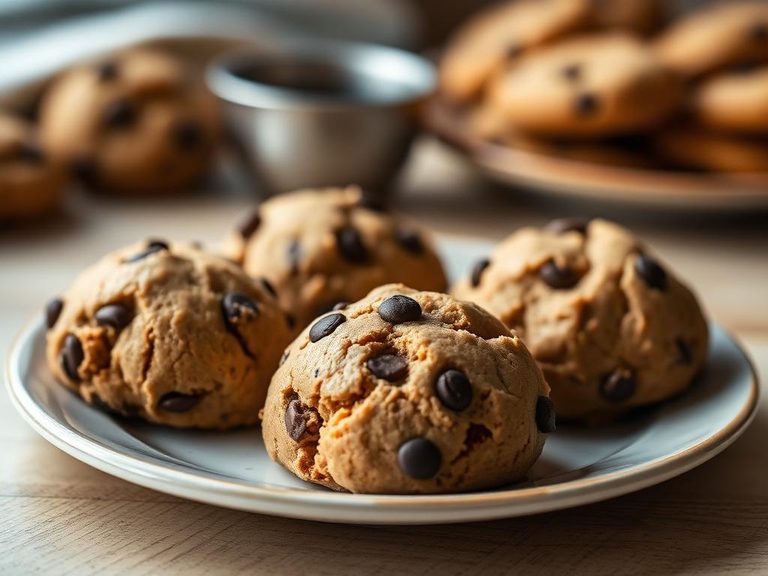
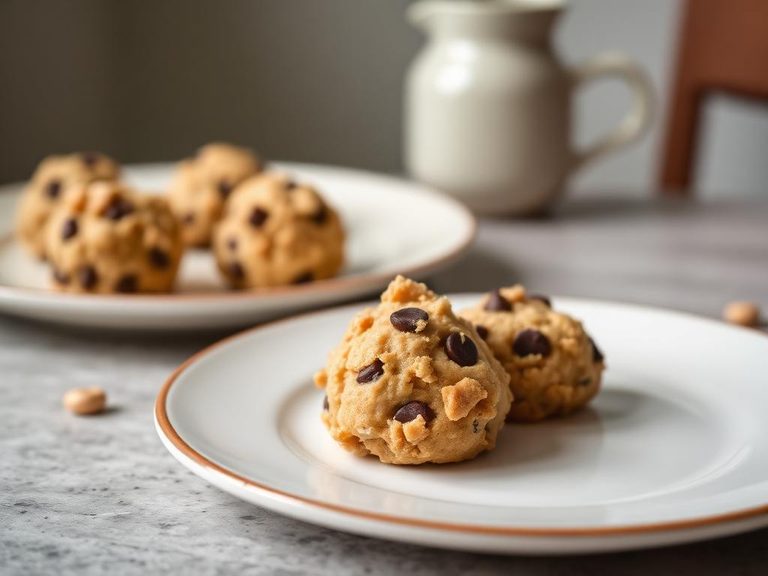
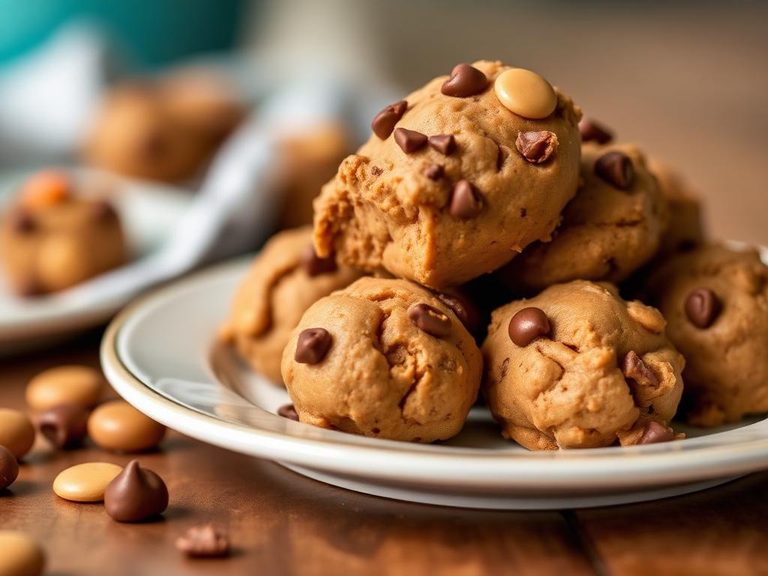
Cookie dough is a sweet, unbaked mixture typically made from flour, butter, sugar, eggs, and flavorings like vanilla or chocolate chips. It originated in the United States as a component of homemade cookies and has become a popular standalone treat, often sold in bakeries or as edible, egg-free versions.
🍳 View the full Cookie dough recipe →
🍽️ Nutrition at a glance
This is a high-calorie, energy-dense food, being very high in carbohydrates (from sugar) and fat (from butter), with a moderate amount of protein. A typical 1/4 cup serving can range from 200 to 300 calories, offering little in terms of essential vitamins or minerals.
Nutrition breakdown
| Calories | 900 kcal |
| Protein | 10 g |
| Carbs | 100 g |
| Fat | 50 g |
| Fiber | 2 g |
| Sugar | 70 g |
| Sodium | 300 mg |
| Calcium | 60 mg |
| Iron | 3 mg |
| Vitamin A | 200 IU |
| Vitamin D | 10 IU |
| Vitamin E | 2 mg |
| Vitamin B6 | 0.2 mg |
| Magnesium | 40 mg |
| Phosphorus | 100 mg |
Per 1 cup (200 g) · estimated, varies by recipe
💡 What's interesting
Culturally, cookie dough represents a playful indulgence and nostalgia, famously enjoyed as a 'forbidden' snack before baking. Nutritionally, its unique appeal lies in its raw, rich texture, though traditional recipes carry a risk from raw flour and eggs, leading to the development of specialized, safe-to-eat versions.
🍽️ Related dishes

AI estimate may be inaccurate · Terms