

Game meat, bison, top round, separable lean only, 1" steak, cooked, broiled
Whole food · Lamb, Veal, and Game Products

Photo: Wikipedia
This is a lean, broiled top round steak from bison, a leaner and richer-flavored alternative to beef. The texture is firm yet tender when sliced against the grain, with a deep, slightly sweet, and earthy flavor distinct from conventional beef. Nutritionally, it's a powerhouse, delivering over 30 grams of complete protein per 100 grams with minimal fat and zero carbohydrates.
Calorie split: 73% protein · 0% carbs · 27% fat
↓ Full nutrition💚 Why it's loved
People cherish bison for its clean, robust flavor that's often described as richer and slightly sweeter than beef, without being gamey. It's a versatile centerpiece for health-conscious grilling and a nod to the culinary heritage of the American Great Plains.
⚠️ Watch-outs & how to enjoy it better
Due to its extreme leanness, it can become tough and dry if overcooked, which is a common pitfall. To counteract this, use a meat thermometer to pull it at 135°F (medium-rare), and let it rest for 5-10 minutes before slicing thinly against the grain to maximize tenderness.
Key benefits
- Exceptionally high in complete protein for muscle maintenance and satiety.
- Very low in fat, especially saturated fat compared to grain-fed beef.
- Naturally carbohydrate-free, making it suitable for low-carb and ketogenic diets.
- A good source of iron and zinc, essential minerals for energy and immunity.
🍽️ Popular dishes
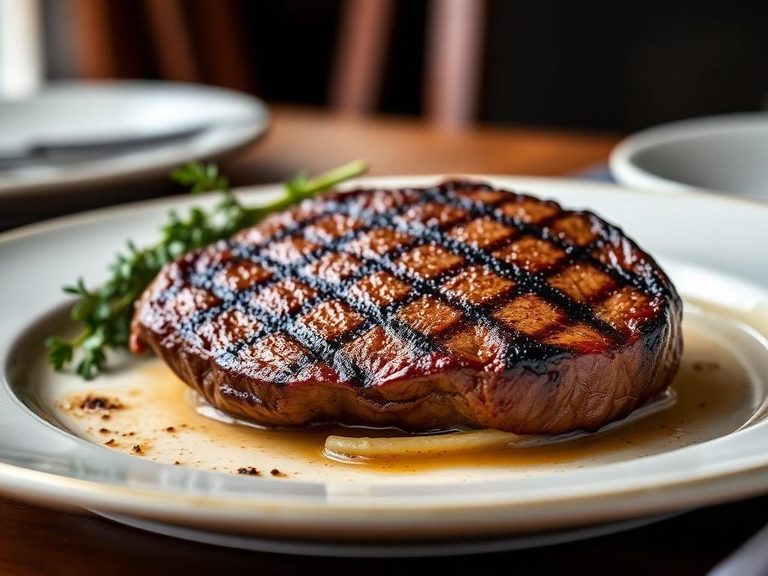
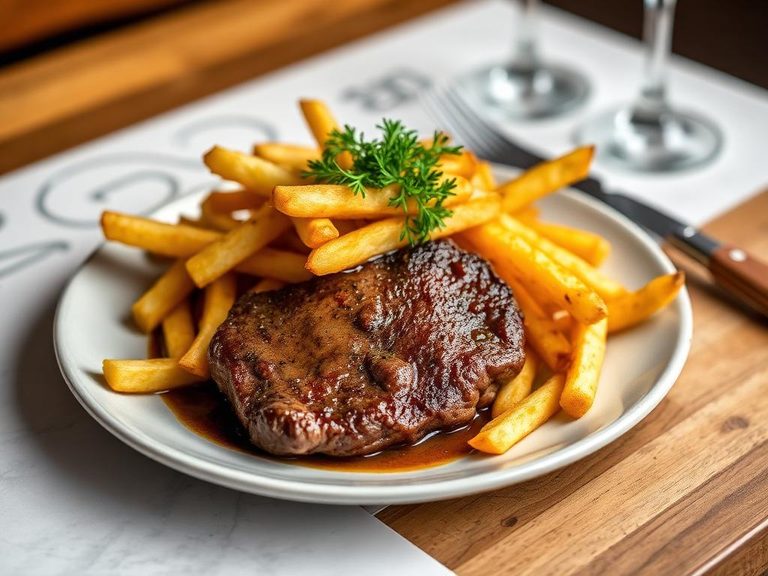
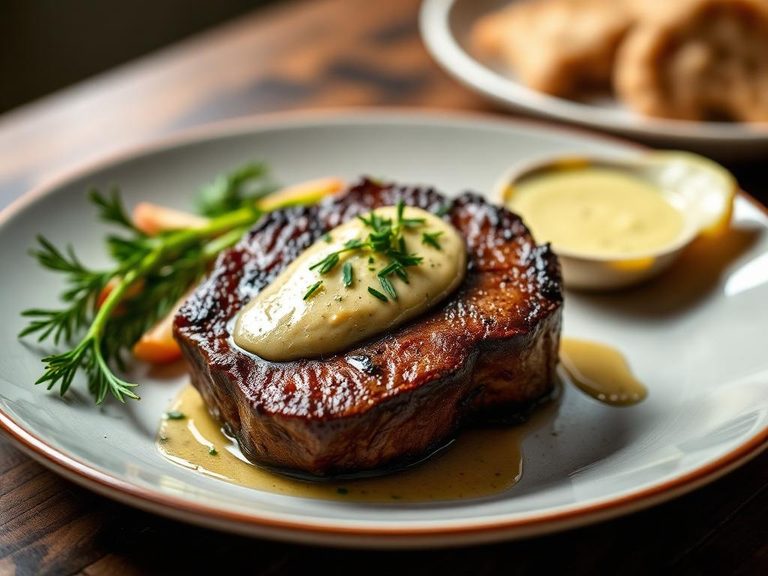
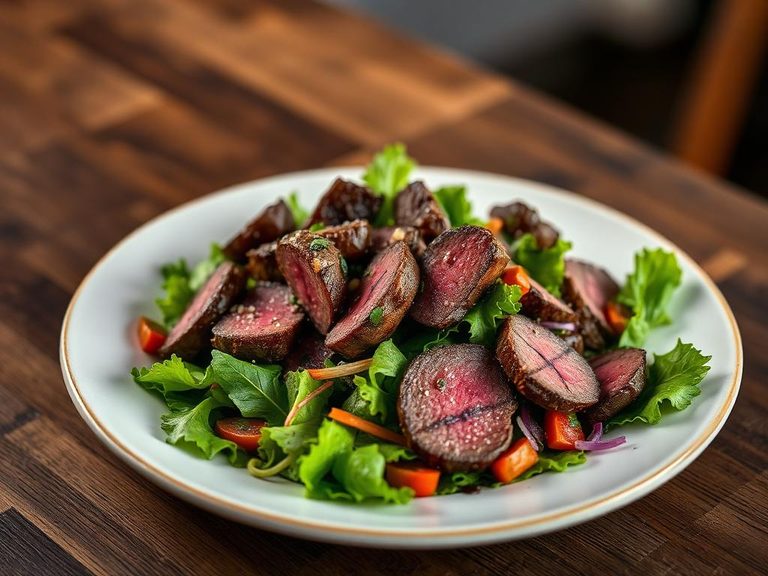
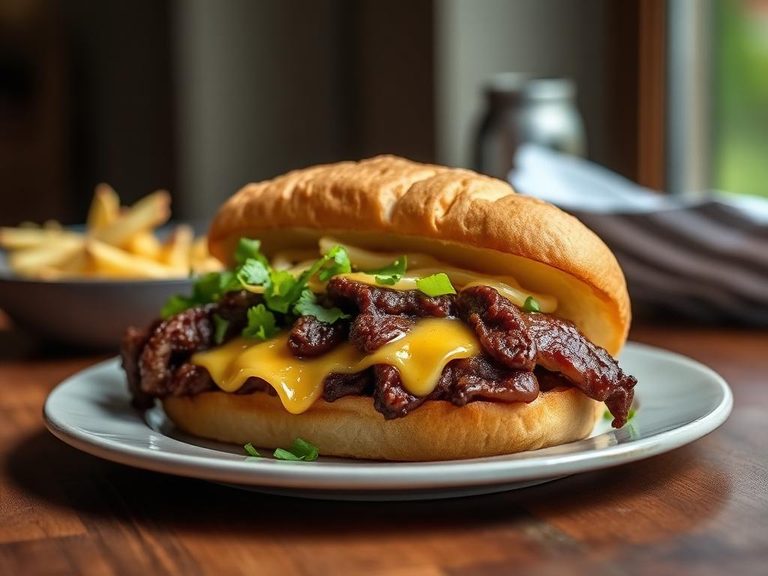
🌍 Where it's eaten
💡 Did you know?
Bison meat gets its distinctive reddish hue from higher myoglobin content, an oxygen-storing protein in muscle tissue, which also contributes to its robust flavor.
Full nutrition (USDA data · scales with serving)
| Water | 65.1 g |
| Energy | 174 kcal |
| Energy | 726 kj |
| Protein | 30.2 g |
| Total lipid (fat) | 5.0 g |
| Ash | 1.2 g |
| Carbohydrate, by difference | 0.00 g |
| Fiber, total dietary | 0.00 g |
| Total Sugars | 0.00 g |
| Calcium, Ca | 5.0 mg |
| Iron, Fe | 3.5 mg |
| Magnesium, Mg | 28.0 mg |
| Phosphorus, P | 257 mg |
| Potassium, K | 382 mg |
| Sodium, Na | 41.0 mg |
| Zinc, Zn | 3.8 mg |
| Copper, Cu | 0.21 mg |
| Manganese, Mn | 0.01 mg |
| Selenium, Se | 41.0 ug |
| Vitamin C, total ascorbic acid | 0.00 mg |
| Thiamin | 0.17 mg |
| Riboflavin | 0.36 mg |
| Niacin | 6.5 mg |
| Pantothenic acid | 1.4 mg |
| Vitamin B-6 | 0.66 mg |
| Folate, total | 19.0 ug |
| Folic acid | 0.00 ug |
| Folate, food | 19.0 ug |
| Folate, DFE | 19.0 ug |
| Vitamin B-12 | 1.8 ug |
| Vitamin A, RAE | 0.00 ug |
| Retinol | 0.00 ug |
| Carotene, beta | 0.00 ug |
| Carotene, alpha | 0.00 ug |
| Cryptoxanthin, beta | 0.00 ug |
| Vitamin A, IU | 0.00 iu |
| Lycopene | 0.00 ug |
| Lutein + zeaxanthin | 0.00 ug |
| Vitamin E (alpha-tocopherol) | 0.21 mg |
| Alcohol, ethyl | 0.00 g |
| Caffeine | 0.00 mg |
| Theobromine | 0.00 mg |
Fat & fatty acid profile (per 100g)
| Fatty acids, total saturated | 2.0 g |
| SFA 8:0 | 0.00 g |
| SFA 10:0 | 0.00 g |
| SFA 12:0 | 0.00 g |
| SFA 14:0 | 0.08 g |
| SFA 15:0 | 0.02 g |
| SFA 16:0 | 0.82 g |
| SFA 17:0 | 0.07 g |
| SFA 18:0 | 0.94 g |
| SFA 20:0 | 0.01 g |
| SFA 22:0 | 0.00 g |
| Fatty acids, total monounsaturated | 1.8 g |
| MUFA 14:1 | 0.01 g |
| MUFA 15:1 | 0.00 g |
| MUFA 16:1 | 0.09 g |
| MUFA 17:1 | 0.03 g |
| MUFA 18:1 | 1.6 g |
| MUFA 20:1 | 0.01 g |
| Fatty acids, total polyunsaturated | 0.21 g |
| PUFA 18:2 | 0.17 g |
| PUFA 18:3 | 0.02 g |
| PUFA 18:3 n-6 c,c,c | 0.00 g |
| PUFA 20:2 n-6 c,c | 0.00 g |
| PUFA 20:3 | 0.00 g |
| PUFA 20:4 | 0.02 g |
| Cholesterol | 85.0 mg |
Amino acid profile (per 100g)
| Tryptophan | 0.23 g |
| Threonine | 1.4 g |
| Isoleucine | 1.5 g |
| Leucine | 2.6 g |
| Lysine | 2.8 g |
| Methionine | 0.82 g |
| Cystine | 0.36 g |
| Phenylalanine | 1.3 g |
| Tyrosine | 1.0 g |
| Valine | 1.6 g |
| Arginine | 2.1 g |
| Histidine | 1.1 g |
| Alanine | 2.0 g |
| Aspartic acid | 2.9 g |
| Glutamic acid | 4.9 g |
| Glycine | 2.0 g |
| Proline | 1.5 g |
| Serine | 1.3 g |
| Hydroxyproline | 0.38 g |
FAQ
How does bison top round differ from beef top round?
Bison is significantly leaner, with a deeper red color and a slightly sweeter, more mineral-rich flavor. It cooks faster due to its low fat content.
What's the best way to cook this cut to avoid toughness?
High-heat, quick cooking methods are best: broiling, grilling, or pan-searing. Aim for medium-rare (135°F internal temp) and always rest the meat before slicing against the grain.
Is bison meat considered red meat? Is it healthier?
Yes, it is classified as red meat. However, it is nutritionally leaner than most conventional beef, with less total fat and saturated fat per serving, while providing comparable protein and micronutrients.
Nutrient density (calculated · NRF9.3)
Nutrient Rich Foods index: beneficial nutrients (protein, fiber, vitamins, minerals) minus saturated fat, added sugar & sodium, per 100 kcal.
NRF9.3 index — Fulgoni, Keast & Drewnowski, 2009. Computed from USDA nutrients.
Weight-loss friendliness (composite index)
Energy density 1.74 kcal/g · 69% calories from protein · 0.0 g fiber · 0.0 g sugar per 100 g.
Composite of energy density (Rolls et al., 1999), protein & fiber satiety, minus sugar. A calculated heuristic — ranks satiety-per-calorie, not a clinical measure.
Dietary load (calculated from USDA values)
Potential renal acid load. Positive = acid-forming, negative = alkaline-forming.
Sodium-to-potassium ratio: 0.11 (lower is better — aim for ≤ 1)
Sodium:potassium per WHO potassium guidance. Computed from USDA nutrients.