

Frankfurter, beef, pork, and turkey, fat free
Whole food · Sausages and Luncheon Meats
A lean, processed sausage made from a blend of beef, pork, and turkey, designed to be completely fat-free. It has a familiar, finely ground, slightly springy texture and a savory, salty flavor profile, though it lacks the juiciness of traditional franks. Its standout nutritional feature is its high protein-to-calorie ratio, making it a protein-dense option.
Calorie split: 46% protein · 41% carbs · 13% fat
↓ Full nutrition💚 Why it's loved
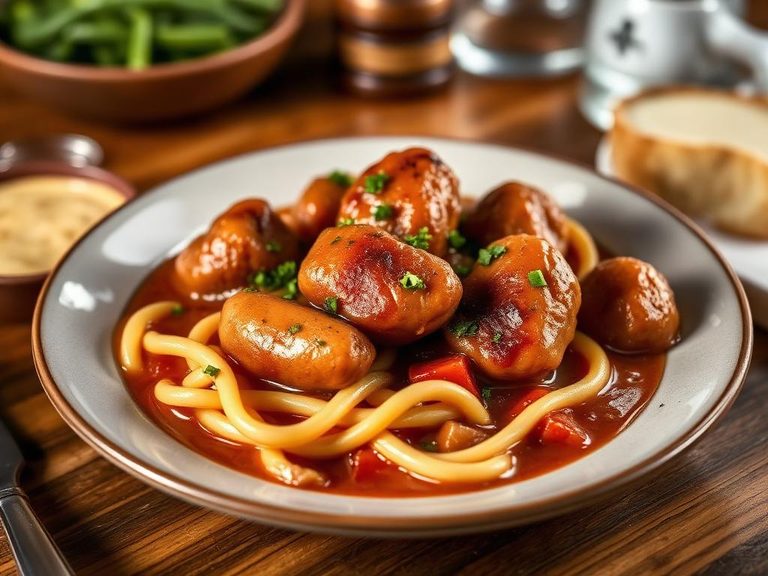
People love it for its familiar, comforting taste and convenience, making it a quick protein fix for busy meals. Its versatility allows it to be grilled, boiled, or pan-fried and paired with everything from classic buns to salads and pastas.
⚠️ Watch-outs & how to enjoy it better
Its low fat content can result in a dry, less flavorful texture if overcooked. It is typically very high in sodium, which can be a concern for those monitoring blood pressure. To counteract dryness, cook gently (e.g., simmer in water before a quick sear) and pair with moisture-rich toppings like sauerkraut or fresh salsa. To manage sodium, serve with potassium-rich sides like beans or leafy greens and control portion size.
Key benefits
- Very high in protein per calorie
- Extremely low in fat
- Good source of B vitamins like B12
- Convenient, pre-cooked protein source
- Lower calorie than traditional sausages
🍽️ Popular dishes
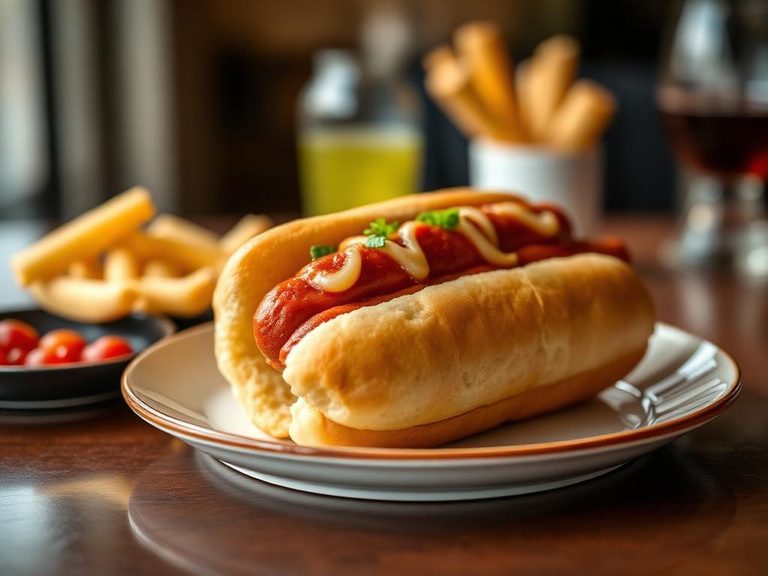
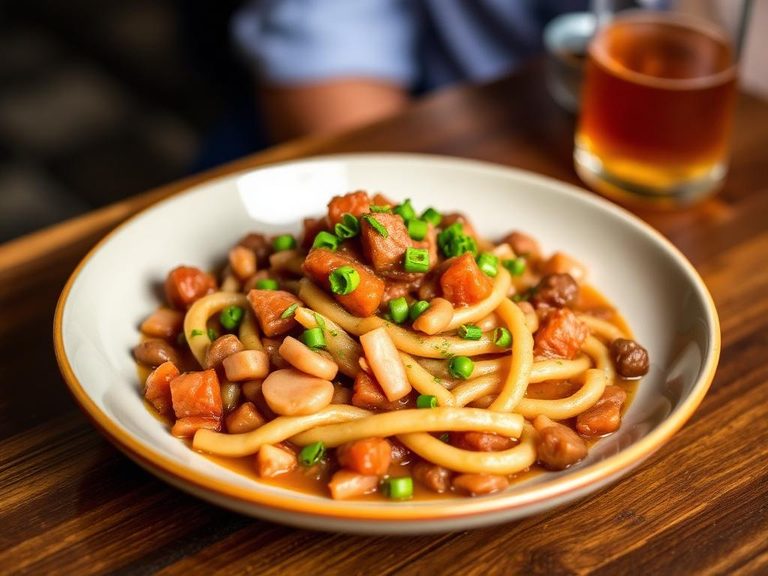
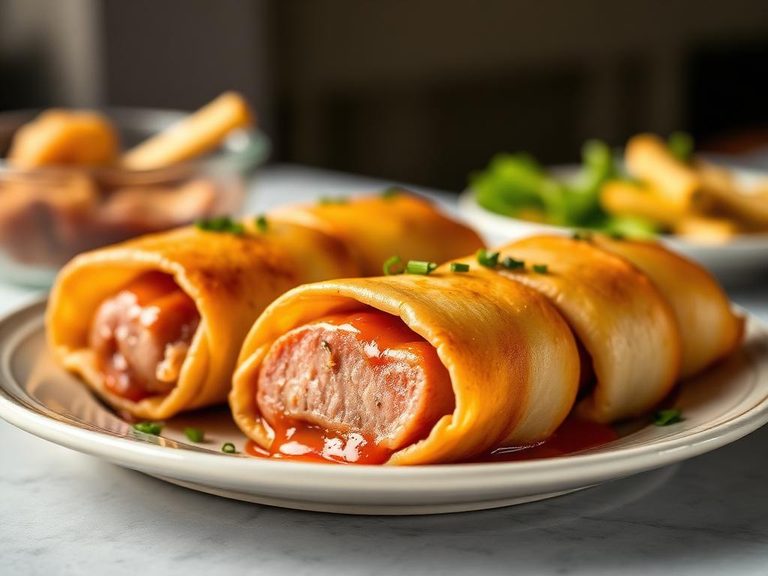
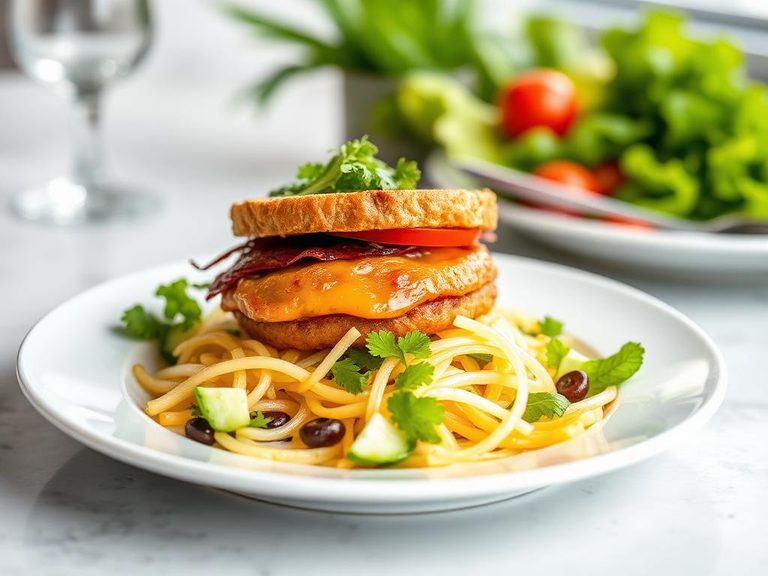

🌍 Where it's eaten
💡 Did you know?
The name 'frankfurter' comes from Frankfurt, Germany, where a similar sausage was first created for a coronation ceremony in 1487.
Full nutrition (USDA data · scales with serving)
| Water | 71.5 g |
| Energy | 109 kcal |
| Energy | 456 kj |
| Protein | 12.5 g |
| Total lipid (fat) | 1.6 g |
| Ash | 3.2 g |
| Carbohydrate, by difference | 11.2 g |
| Fiber, total dietary | 0.00 g |
| Total Sugars | 0.00 g |
| Calcium, Ca | 54.0 mg |
| Iron, Fe | 1.8 mg |
| Magnesium, Mg | 14.0 mg |
| Phosphorus, P | 132 mg |
| Potassium, K | 220 mg |
| Sodium, Na | 880 mg |
| Zinc, Zn | 2.9 mg |
| Copper, Cu | 0.12 mg |
| Selenium, Se | 18.7 ug |
| Vitamin C, total ascorbic acid | 24.0 mg |
| Thiamin | 0.16 mg |
| Riboflavin | 0.15 mg |
| Niacin | 3.5 mg |
| Vitamin B-6 | 0.18 mg |
| Folate, total | 6.0 ug |
| Folic acid | 0.00 ug |
| Folate, food | 6.0 ug |
| Folate, DFE | 6.0 ug |
| Choline, total | 74.9 mg |
| Betaine | 6.6 mg |
| Vitamin B-12 | 1.1 ug |
| Vitamin B-12, added | 0.00 ug |
| Vitamin A, RAE | 0.00 ug |
| Retinol | 0.00 ug |
| Carotene, beta | 0.00 ug |
| Carotene, alpha | 0.00 ug |
| Cryptoxanthin, beta | 0.00 ug |
| Vitamin A, IU | 0.00 iu |
| Lycopene | 0.00 ug |
| Lutein + zeaxanthin | 0.00 ug |
| Vitamin E (alpha-tocopherol) | 0.00 mg |
| Vitamin E, added | 0.00 mg |
| Vitamin D (D2 + D3), International Units | 2.0 iu |
| Vitamin D (D2 + D3) | 0.10 ug |
| Vitamin K (phylloquinone) | 1.8 ug |
| Alcohol, ethyl | 0.00 g |
| Caffeine | 0.00 mg |
| Theobromine | 0.00 mg |
Fat & fatty acid profile (per 100g)
| Fatty acids, total saturated | 0.50 g |
| SFA 4:0 | 0.00 g |
| SFA 6:0 | 0.00 g |
| SFA 8:0 | 0.00 g |
| SFA 10:0 | 0.00 g |
| SFA 12:0 | 0.00 g |
| SFA 14:0 | 0.00 g |
| SFA 16:0 | 0.00 g |
| SFA 18:0 | 0.00 g |
| Fatty acids, total monounsaturated | 0.74 g |
| MUFA 16:1 | 0.00 g |
| MUFA 18:1 | 0.00 g |
| MUFA 20:1 | 0.00 g |
| MUFA 22:1 | 0.00 g |
| Fatty acids, total polyunsaturated | 0.35 g |
| PUFA 18:2 | 0.00 g |
| PUFA 18:3 | 0.00 g |
| PUFA 18:4 | 0.00 g |
| PUFA 20:4 | 0.00 g |
| PUFA 20:5 n-3 (EPA) | 0.00 g |
| PUFA 22:5 n-3 (DPA) | 0.00 g |
| PUFA 22:6 n-3 (DHA) | 0.00 g |
| Cholesterol | 41.0 mg |
Amino acid profile (per 100g)
Estimated from Frankfurter, meat, heated — USDA does not publish this profile for Frankfurter.
| Tryptophan | 0.10 g |
| Threonine | 0.45 g |
| Isoleucine | 0.51 g |
| Leucine | 0.86 g |
| Lysine | 0.92 g |
| Methionine | 0.28 g |
| Cystine | 0.10 g |
| Phenylalanine | 0.42 g |
| Tyrosine | 0.36 g |
| Valine | 0.53 g |
| Arginine | 0.66 g |
| Histidine | 0.32 g |
| Alanine | 0.59 g |
| Aspartic acid | 0.97 g |
| Glutamic acid | 1.6 g |
| Glycine | 0.47 g |
| Proline | 0.41 g |
| Serine | 0.39 g |
FAQ
How is fat-free frankfurter made without any fat?
The fat is mechanically removed from the meat after grinding. The lean meat is then mixed with water, binders, and seasonings to create an emulsion that holds the sausage together.
Does it taste different from a regular hot dog?
Yes. Without the fat, it has a leaner, more uniform texture and a more pronounced salty, meaty flavor, but it lacks the juicy, rich mouthfeel of a traditional beef or pork frank.
Is it a good option for people with diabetes?
It can be a better choice than higher-fat, higher-carb options due to its high protein and low fat content. However, its high sodium content should be considered, and it should be paired with fiber-rich sides to help manage blood sugar response.
Nutrient density (calculated · NRF9.3)
Nutrient Rich Foods index: beneficial nutrients (protein, fiber, vitamins, minerals) minus saturated fat, added sugar & sodium, per 100 kcal.
NRF9.3 index — Fulgoni, Keast & Drewnowski, 2009. Computed from USDA nutrients.
Weight-loss friendliness (composite index)
Energy density 1.09 kcal/g · 46% calories from protein · 0.0 g fiber · 0.0 g sugar per 100 g.
Composite of energy density (Rolls et al., 1999), protein & fiber satiety, minus sugar. A calculated heuristic — ranks satiety-per-calorie, not a clinical measure.
Dietary load (calculated from USDA values)
Potential renal acid load. Positive = acid-forming, negative = alkaline-forming.
Sodium-to-potassium ratio: 4.00 (lower is better — aim for ≤ 1)
Sodium:potassium per WHO potassium guidance. Computed from USDA nutrients.