

Fish, sardine, Atlantic, canned in oil, drained solids with bone
Whole food · Finfish and Shellfish Products

Photo: Wikipedia
These are small, oily Atlantic sardines, typically packed in their own or added vegetable oil, with the bones left in for a significant calcium boost. The texture is tender and flaky, with a rich, savory, and distinctly briny flavor that is milder than many larger fish. Nutritionally, they are a powerhouse, delivering over 24 grams of high-quality protein and a wealth of healthy fats per 100-gram serving.
Calorie split: 49% protein · 0% carbs · 51% fat
↓ Full nutrition💚 Why it's loved
People love sardines for their intense, savory umami flavor that can elevate simple dishes. Their versatility—from spreading on toast to tossing in salads—makes them a beloved staple in many coastal cuisines.
⚠️ Watch-outs & how to enjoy it better
The strong, oily flavor and soft bones can be off-putting to some. They are also high in sodium, which is a consideration for those managing blood pressure. To counteract sodium, rinse them briefly under water before use and pair them with low-sodium foods like fresh vegetables or unsalted whole grains.
Key benefits
- Excellent source of complete protein for muscle maintenance.
- Bones provide highly bioavailable calcium for bone health.
- Rich in omega-3 fatty acids (EPA and DHA) for heart and brain function.
- Contains significant vitamin D, especially with bones included.
- Convenient, shelf-stable source of nutrients.
🍽️ Popular dishes
 Sardine toast (on sourdough with mustard or lemon)
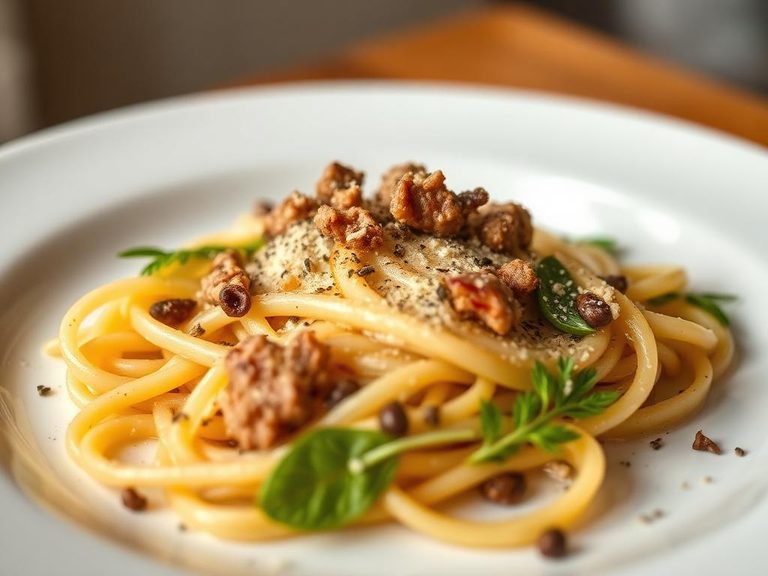 Pasta con le sarde (Italian pasta with sardines, fennel, and raisins)
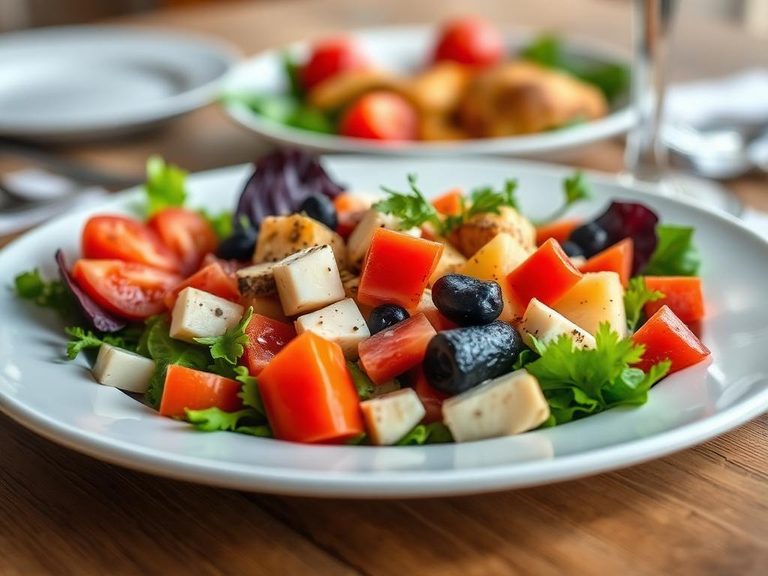 Salade Niçoise (classic French tuna salad, often made with sardines)
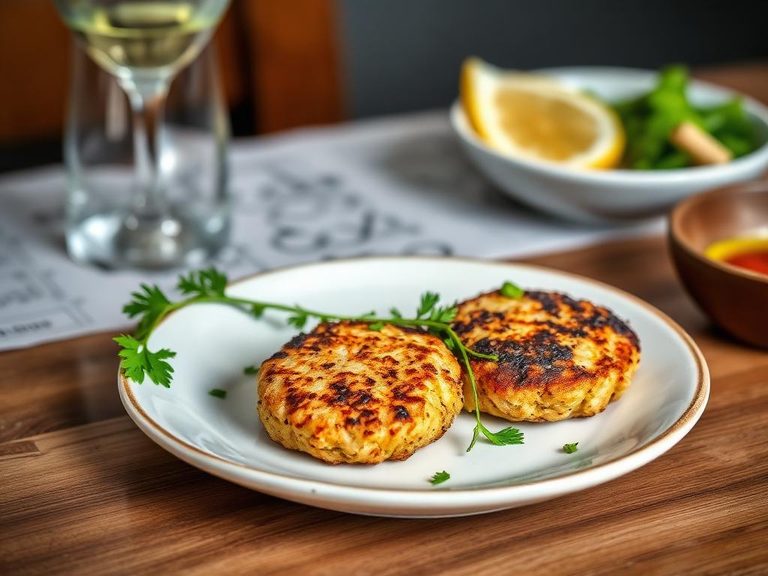 Sardine fritters or fish cakes
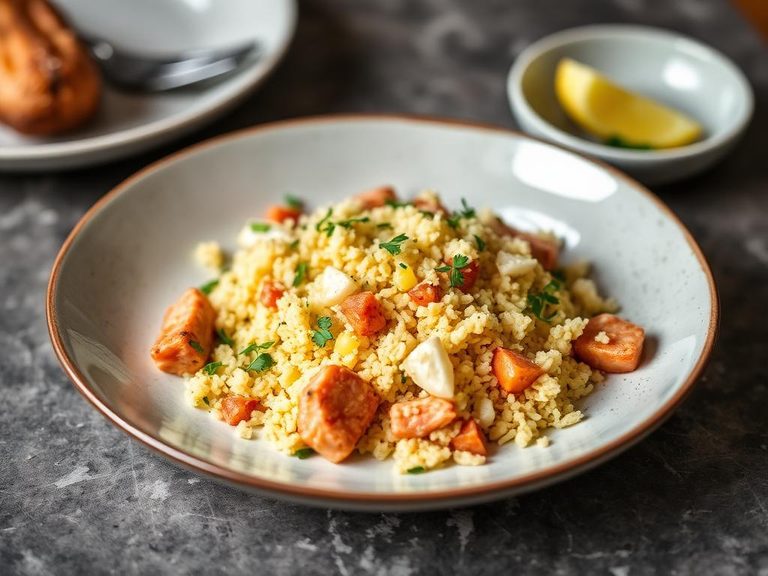 Kedgeree (Anglo-Indian dish with fish, eggs, and rice)
 Grilled sardines (whole, often served in Portugal and Spain)
🌍 Where it's eaten
💡 Did you know?
Canned sardines were a crucial source of protein for Allied troops during World War II, and their popularity surged in the U.S. during the Great Depression as an affordable, nutritious staple.
Full nutrition (USDA data · scales with serving)
| Water | 59.6 g |
| Energy | 208 kcal |
| Energy | 871 kj |
| Protein | 24.6 g |
| Total lipid (fat) | 11.4 g |
| Ash | 3.4 g |
| Carbohydrate, by difference | 0.00 g |
| Fiber, total dietary | 0.00 g |
| Total Sugars | 0.00 g |
| Calcium, Ca | 382 mg |
| Iron, Fe | 2.9 mg |
| Magnesium, Mg | 39.0 mg |
| Phosphorus, P | 490 mg |
| Potassium, K | 397 mg |
| Sodium, Na | 307 mg |
| Zinc, Zn | 1.3 mg |
| Copper, Cu | 0.19 mg |
| Manganese, Mn | 0.11 mg |
| Selenium, Se | 52.7 ug |
| Vitamin C, total ascorbic acid | 0.00 mg |
| Thiamin | 0.08 mg |
| Riboflavin | 0.23 mg |
| Niacin | 5.2 mg |
| Pantothenic acid | 0.64 mg |
| Vitamin B-6 | 0.17 mg |
| Folate, total | 10.0 ug |
| Folic acid | 0.00 ug |
| Folate, food | 10.0 ug |
| Folate, DFE | 10.0 ug |
| Choline, total | 75.0 mg |
| Vitamin B-12 | 8.9 ug |
| Vitamin B-12, added | 0.00 ug |
| Vitamin A, RAE | 32.0 ug |
| Retinol | 32.0 ug |
| Carotene, beta | 0.00 ug |
| Carotene, alpha | 0.00 ug |
| Cryptoxanthin, beta | 0.00 ug |
| Vitamin A, IU | 108 iu |
| Lycopene | 0.00 ug |
| Lutein + zeaxanthin | 0.00 ug |
| Vitamin E (alpha-tocopherol) | 2.0 mg |
| Vitamin E, added | 0.00 mg |
| Vitamin D (D2 + D3), International Units | 193 iu |
| Vitamin D (D2 + D3) | 4.8 ug |
| Vitamin D3 (cholecalciferol) | 4.8 ug |
| Vitamin K (phylloquinone) | 2.6 ug |
| Alcohol, ethyl | 0.00 g |
| Caffeine | 0.00 mg |
| Theobromine | 0.00 mg |
Fat & fatty acid profile (per 100g)
| Fatty acids, total saturated | 1.5 g |
| SFA 4:0 | 0.00 g |
| SFA 6:0 | 0.00 g |
| SFA 8:0 | 0.00 g |
| SFA 10:0 | 0.00 g |
| SFA 12:0 | 0.00 g |
| SFA 14:0 | 0.19 g |
| SFA 16:0 | 0.99 g |
| SFA 18:0 | 0.34 g |
| Fatty acids, total monounsaturated | 3.9 g |
| MUFA 16:1 | 0.22 g |
| MUFA 18:1 | 2.1 g |
| MUFA 20:1 | 0.42 g |
| MUFA 22:1 | 1.1 g |
| Fatty acids, total polyunsaturated | 5.1 g |
| PUFA 18:2 | 3.5 g |
| PUFA 18:3 | 0.50 g |
| PUFA 18:4 | 0.13 g |
| PUFA 20:4 | 0.00 g |
| PUFA 20:5 n-3 (EPA) | 0.47 g |
| PUFA 22:5 n-3 (DPA) | 0.00 g |
| PUFA 22:6 n-3 (DHA) | 0.51 g |
| Cholesterol | 142 mg |
Amino acid profile (per 100g)
| Tryptophan | 0.28 g |
| Threonine | 1.1 g |
| Isoleucine | 1.1 g |
| Leucine | 2.0 g |
| Lysine | 2.3 g |
| Methionine | 0.73 g |
| Cystine | 0.26 g |
| Phenylalanine | 0.96 g |
| Tyrosine | 0.83 g |
| Valine | 1.3 g |
| Arginine | 1.5 g |
| Histidine | 0.72 g |
| Alanine | 1.5 g |
| Aspartic acid | 2.5 g |
| Glutamic acid | 3.7 g |
| Glycine | 1.2 g |
| Proline | 0.87 g |
| Serine | 1.0 g |
FAQ
Are the bones safe to eat?
Yes, the soft, canned bones are completely edible and are actually one of the best dietary sources of calcium. They dissolve easily when chewed.
What's the difference between 'in oil' and 'in water'?
'In oil' sardines have a richer, smoother texture and flavor, with a higher fat content. 'In water' are leaner, with a firmer texture and a more pronounced fish flavor.
How do I reduce the 'fishy' taste?
Rinse them under cold water, pat dry, and use an acidic component like lemon juice, vinegar, or a sharp mustard in your recipe to brighten the flavor.
Nutrient density (calculated · NRF9.3)
Nutrient Rich Foods index: beneficial nutrients (protein, fiber, vitamins, minerals) minus saturated fat, added sugar & sodium, per 100 kcal.
NRF9.3 index — Fulgoni, Keast & Drewnowski, 2009. Computed from USDA nutrients.
Weight-loss friendliness (composite index)
Energy density 2.08 kcal/g · 47% calories from protein · 0.0 g fiber · 0.0 g sugar per 100 g.
Composite of energy density (Rolls et al., 1999), protein & fiber satiety, minus sugar. A calculated heuristic — ranks satiety-per-calorie, not a clinical measure.
Dietary load (calculated from USDA values)
Potential renal acid load. Positive = acid-forming, negative = alkaline-forming.
Sodium-to-potassium ratio: 0.77 (lower is better — aim for ≤ 1)
Sodium:potassium per WHO potassium guidance. Computed from USDA nutrients.