

Escarole, cooked, boiled, drained, no salt added
Whole food · Vegetables and Vegetable Products

Photo: Wikipedia
Escarole is a broad-leafed endive with a pleasantly bitter, slightly peppery flavor and a tender, toothsome texture when boiled. Its vibrant green color and mild bitterness make it a staple in rustic soups and sautés. With only 15 calories per 100g and a solid 2.8g of fiber, it's a nutrient-dense, low-calorie green that adds depth to any meal.
Calorie split: 25% protein · 66% carbs · 9% fat
↓ Full nutrition💚 Why it's loved
People love escarole for its unique, sophisticated bitterness that balances rich dishes and its remarkable versatility—it can be eaten raw in salads, braised, or simmered in soups. It's a cornerstone of Italian-American and Mediterranean home cooking, evoking comfort and tradition.
⚠️ Watch-outs & how to enjoy it better
The bitter taste can be off-putting to those unaccustomed to it, and its high vitamin K content may be a concern for individuals on blood-thinning medications. To mitigate bitterness, blanch the leaves in boiling water for a minute before cooking, or pair it with a fatty ingredient like olive oil or cheese to round out the flavor.
Key benefits
- Excellent source of dietary fiber for digestive health
- Very low in calories, ideal for weight management
- Rich in vitamins A and K, supporting vision and bone health
- Contains folate, essential for cell growth and function
- Naturally low in fat and sodium when prepared without salt
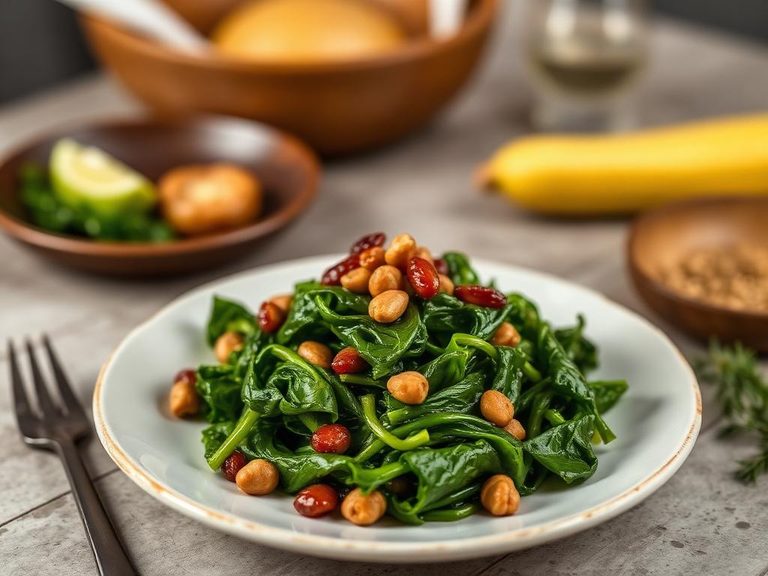
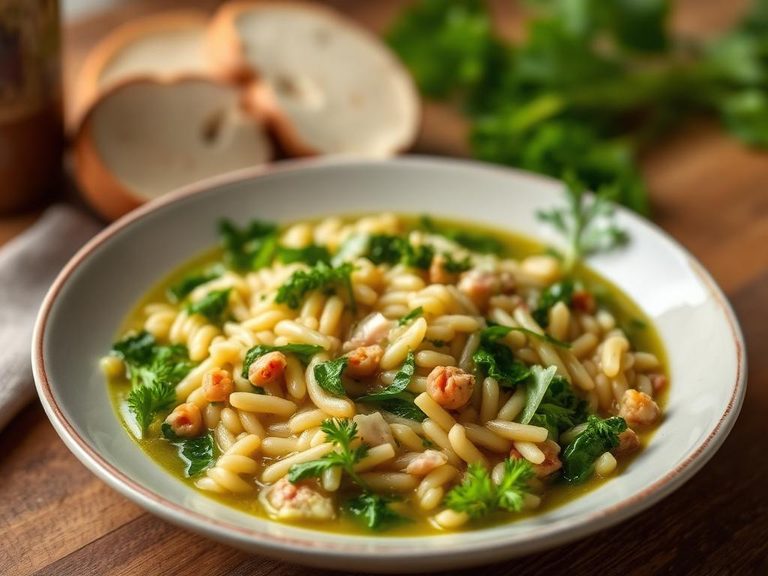
🍽️ Popular dishes
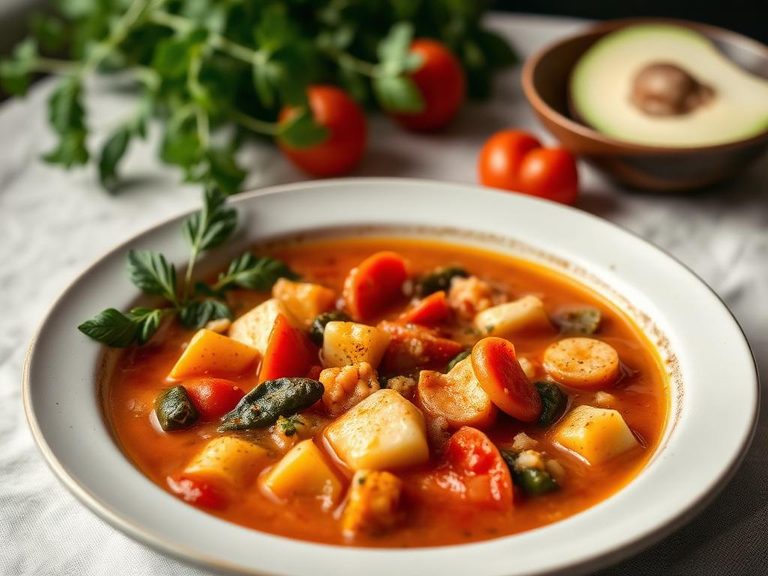
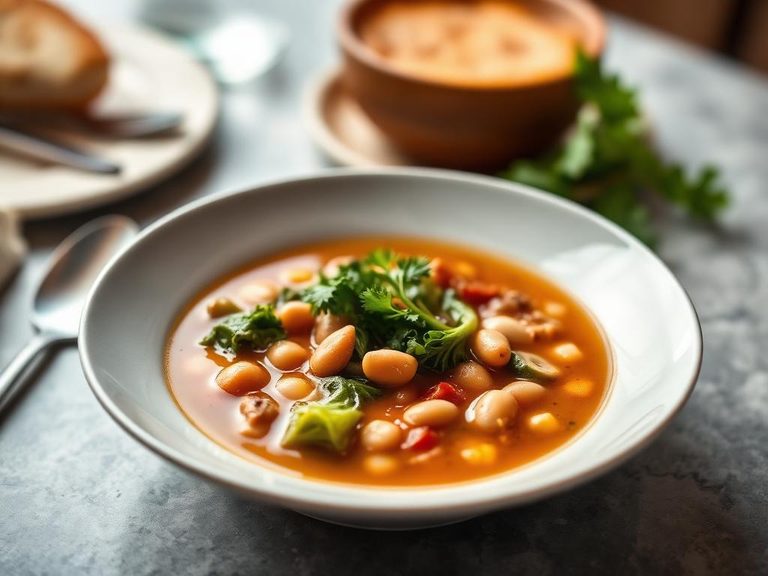
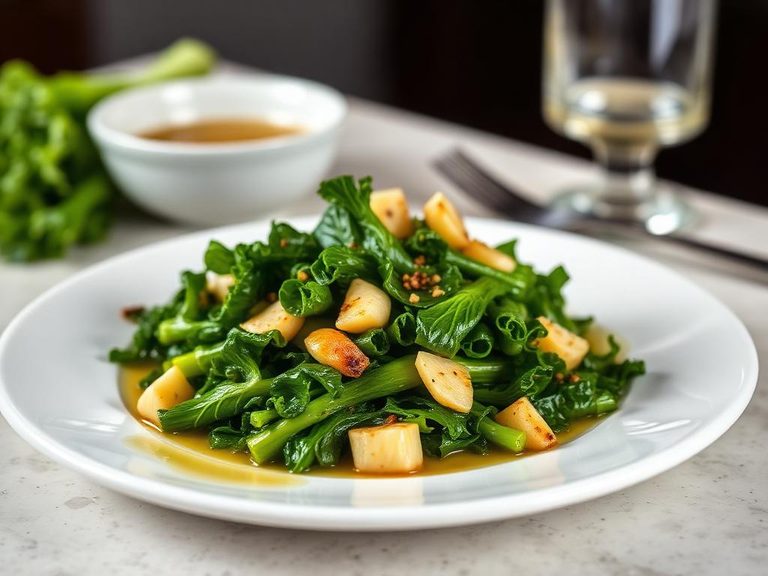
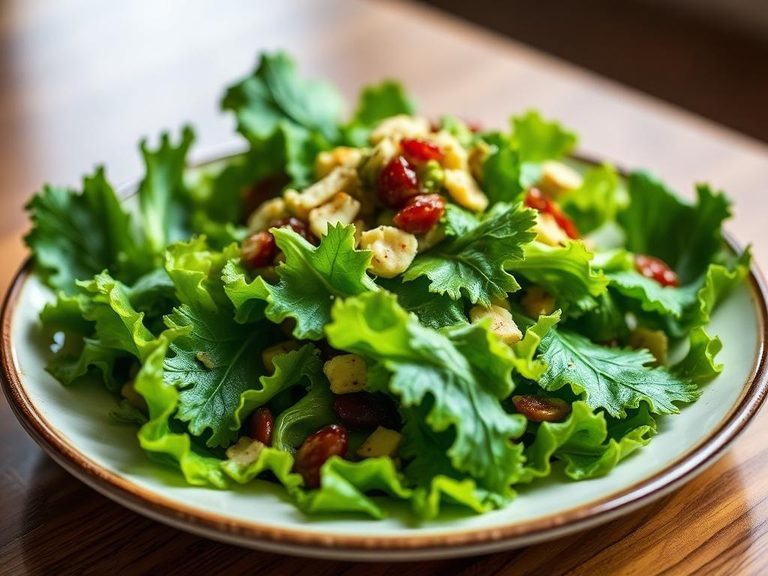
🌍 Where it's eaten
💡 Did you know?
Escarole is actually a variety of chicory, and its name comes from the French word 'scarole,' which itself derives from the Greek 'askarylon,' meaning 'endive.'
Full nutrition (USDA data · scales with serving)
| Water | 94.3 g |
| Energy | 15.0 kcal |
| Energy | 64.0 kj |
| Protein | 1.1 g |
| Total lipid (fat) | 0.18 g |
| Ash | 1.3 g |
| Carbohydrate, by difference | 3.1 g |
| Fiber, total dietary | 2.8 g |
| Total Sugars | 0.23 g |
| Calcium, Ca | 46.0 mg |
| Iron, Fe | 0.72 mg |
| Magnesium, Mg | 13.0 mg |
| Phosphorus, P | 22.0 mg |
| Potassium, K | 245 mg |
| Sodium, Na | 19.0 mg |
| Zinc, Zn | 0.69 mg |
| Copper, Cu | 0.09 mg |
| Manganese, Mn | 0.39 mg |
| Selenium, Se | 0.20 ug |
| Fluoride, F | 6.7 ug |
| Vitamin C, total ascorbic acid | 3.3 mg |
| Thiamin | 0.06 mg |
| Riboflavin | 0.06 mg |
| Niacin | 0.31 mg |
| Pantothenic acid | 0.83 mg |
| Vitamin B-6 | 0.02 mg |
| Folate, total | 78.0 ug |
| Folic acid | 0.00 ug |
| Folate, food | 78.0 ug |
| Folate, DFE | 78.0 ug |
| Choline, total | 15.4 mg |
| Vitamin B-12 | 0.00 ug |
| Vitamin B-12, added | 0.00 ug |
| Vitamin A, RAE | 94.0 ug |
| Retinol | 0.00 ug |
| Carotene, beta | 1133 ug |
| Carotene, alpha | 0.00 ug |
| Cryptoxanthin, beta | 0.00 ug |
| Vitamin A, IU | 1888 iu |
| Lycopene | 0.00 ug |
| Lutein + zeaxanthin | 0.00 ug |
| Vitamin E (alpha-tocopherol) | 0.40 mg |
| Vitamin E, added | 0.00 mg |
| Vitamin D (D2 + D3), International Units | 0.00 iu |
| Vitamin D (D2 + D3) | 0.00 ug |
| Vitamin K (phylloquinone) | 212 ug |
| Alcohol, ethyl | 0.00 g |
| Caffeine | 0.00 mg |
| Theobromine | 0.00 mg |
Fat & fatty acid profile (per 100g)
| Fatty acids, total saturated | 0.04 g |
| SFA 4:0 | 0.00 g |
| SFA 6:0 | 0.00 g |
| SFA 8:0 | 0.00 g |
| SFA 10:0 | 0.00 g |
| SFA 12:0 | 0.00 g |
| SFA 14:0 | 0.00 g |
| SFA 16:0 | 0.04 g |
| SFA 18:0 | 0.00 g |
| Fatty acids, total monounsaturated | 0.00 g |
| MUFA 16:1 | 0.00 g |
| MUFA 18:1 | 0.00 g |
| MUFA 20:1 | 0.00 g |
| MUFA 22:1 | 0.00 g |
| Fatty acids, total polyunsaturated | 0.08 g |
| PUFA 18:2 | 0.07 g |
| PUFA 18:3 | 0.01 g |
| PUFA 18:4 | 0.00 g |
| PUFA 20:4 | 0.00 g |
| PUFA 20:5 n-3 (EPA) | 0.00 g |
| PUFA 22:5 n-3 (DPA) | 0.00 g |
| PUFA 22:6 n-3 (DHA) | 0.00 g |
| Cholesterol | 0.00 mg |
Amino acid profile (per 100g)
| Tryptophan | 0.01 g |
| Threonine | 0.05 g |
| Isoleucine | 0.07 g |
| Leucine | 0.09 g |
| Lysine | 0.06 g |
| Methionine | 0.01 g |
| Cystine | 0.01 g |
| Phenylalanine | 0.05 g |
| Tyrosine | 0.04 g |
| Valine | 0.06 g |
| Arginine | 0.06 g |
| Histidine | 0.02 g |
| Alanine | 0.06 g |
| Aspartic acid | 0.12 g |
| Glutamic acid | 0.15 g |
| Glycine | 0.05 g |
| Proline | 0.05 g |
| Serine | 0.04 g |
FAQ
How do I reduce the bitterness of cooked escarole?
Blanch the leaves in boiling water for 1-2 minutes, then drain and rinse with cold water before further cooking. This removes some of the bitter compounds while preserving texture.
Can I eat escarole raw?
Yes, the inner, paler leaves are milder and great for salads. The outer, darker leaves are more bitter and better suited for cooking.
Is escarole a good source of fiber?
Absolutely. With 2.8g of fiber per 100g, it contributes significantly to daily fiber intake, supporting gut health and satiety.
How does escarole compare to other leafy greens?
It has a more robust, bitter flavor than spinach but is less peppery than arugula. Nutritionally, it's comparable to other chicories like radicchio and endive.
Nutrient density (calculated · NRF9.3)
Nutrient Rich Foods index: beneficial nutrients (protein, fiber, vitamins, minerals) minus saturated fat, added sugar & sodium, per 100 kcal.
NRF9.3 index — Fulgoni, Keast & Drewnowski, 2009. Computed from USDA nutrients.
Weight-loss friendliness (composite index)
Energy density 0.15 kcal/g · 31% calories from protein · 2.8 g fiber · 0.2 g sugar per 100 g.
Composite of energy density (Rolls et al., 1999), protein & fiber satiety, minus sugar. A calculated heuristic — ranks satiety-per-calorie, not a clinical measure.
Dietary load (calculated from USDA values)
Potential renal acid load. Positive = acid-forming, negative = alkaline-forming.
Sodium-to-potassium ratio: 0.08 (lower is better — aim for ≤ 1)
Sodium:potassium per WHO potassium guidance. Computed from USDA nutrients.