

Emu, outside drum, raw
Whole food · Poultry Products

Photo: Wikipedia
Emu outside drum is a lean, deep-red cut from the lower leg of the emu, prized for its robust, beef-like flavor and firm, slightly coarse texture. Nutritionally, it's a protein powerhouse with virtually no fat or carbohydrates, making it exceptionally lean. The meat's rich, mineral notes and dense grain make it a standout in the game meat category.
Calorie split: 96% protein · 0% carbs · 4% fat
↓ Full nutrition💚 Why it's loved
People love emu drum for its deep, complex flavor that satisfies red meat cravings without the heaviness. Its firm texture holds up beautifully to slow cooking, making it a versatile centerpiece for both rustic and refined dishes.
⚠️ Watch-outs & how to enjoy it better
The meat's extreme leanness means it can become tough and dry if overcooked or prepared with high-heat methods without added moisture. To counteract this, always use moist-heat cooking like braising, stewing, or marinating, and consider adding a small amount of healthy fat (like olive oil) during preparation.
Key benefits
- Extremely high in protein for muscle maintenance
- Very low in fat, especially saturated fat
- Rich in iron and zinc for metabolic health
- Zero carbohydrates, suitable for ketogenic diets
- Lean alternative to traditional red meats
🍽️ Popular dishes
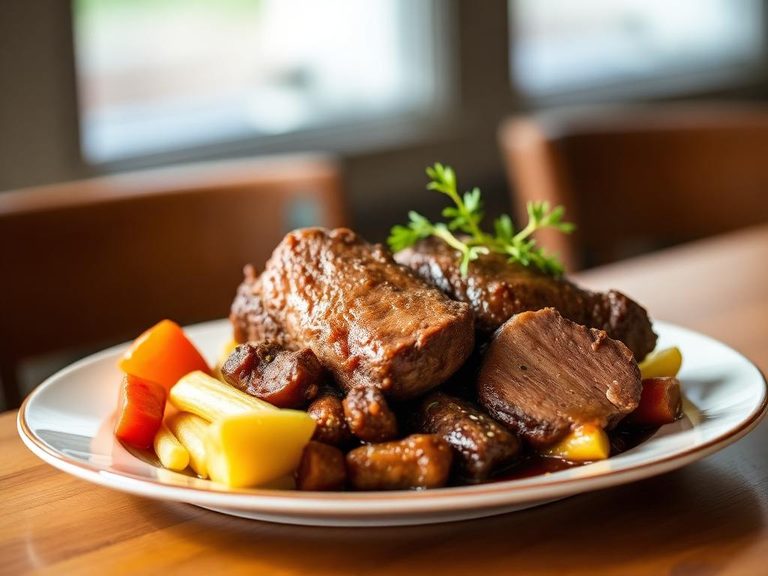
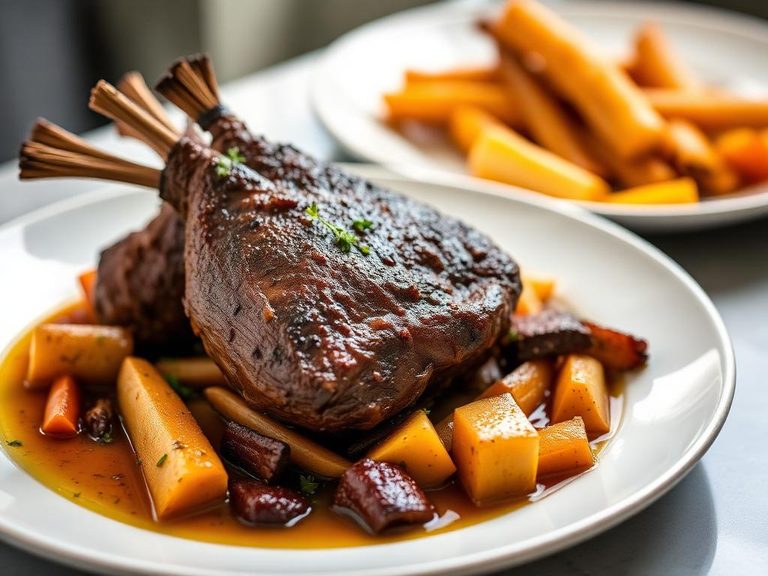
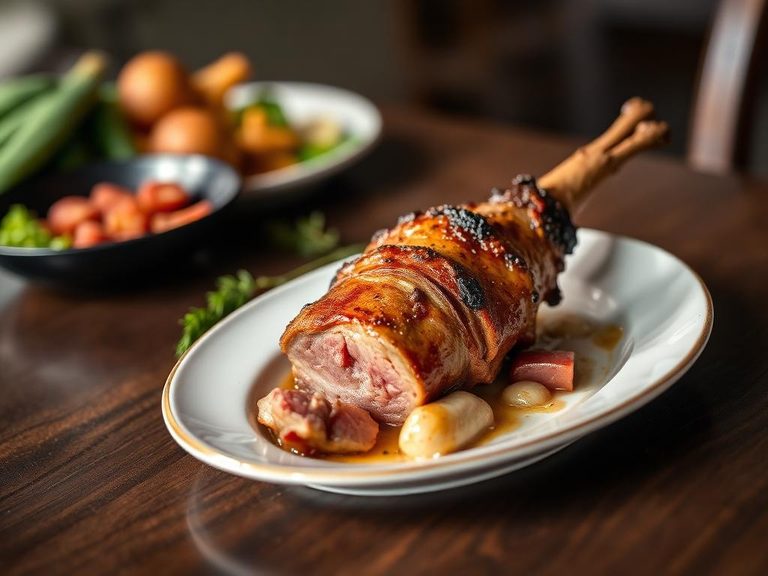
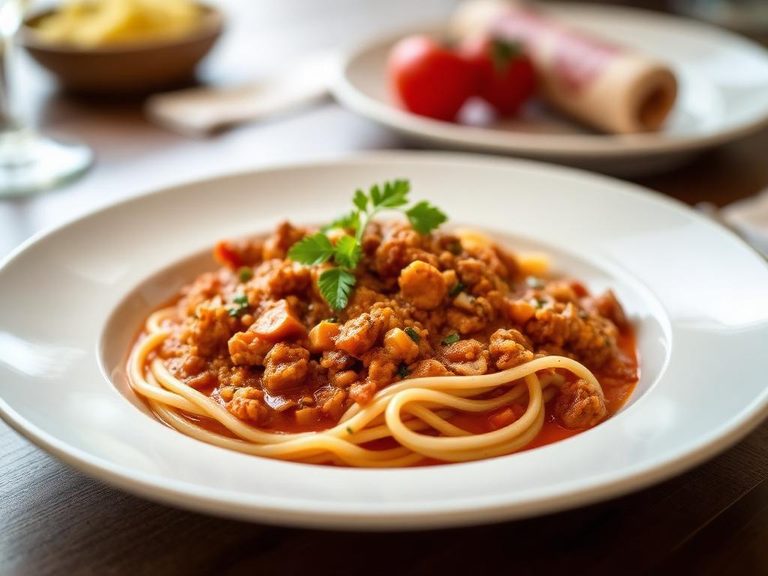
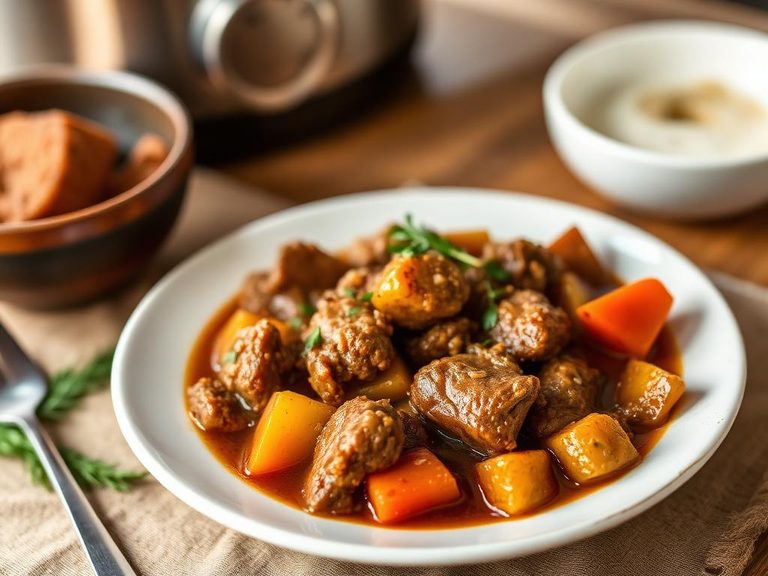
🌍 Where it's eaten
💡 Did you know?
Emu meat is so lean that a 100g serving contains less fat than a skinless chicken breast, yet it delivers a richer, more mineral-forward flavor profile akin to grass-fed beef.
Full nutrition (USDA data · scales with serving)
| Water | 74.9 g |
| Energy | 103 kcal |
| Energy | 430 kj |
| Protein | 23.1 g |
| Total lipid (fat) | 0.48 g |
| Ash | 1.0 g |
| Carbohydrate, by difference | 0.00 g |
| Fiber, total dietary | 0.00 g |
| Total Sugars | 0.00 g |
| Calcium, Ca | 3.0 mg |
| Iron, Fe | 4.5 mg |
| Magnesium, Mg | 29.0 mg |
| Phosphorus, P | 225 mg |
| Potassium, K | 320 mg |
| Sodium, Na | 100 mg |
| Zinc, Zn | 4.5 mg |
| Copper, Cu | 0.20 mg |
| Manganese, Mn | 0.03 mg |
| Selenium, Se | 36.3 ug |
| Vitamin C, total ascorbic acid | 0.00 mg |
| Thiamin | 0.26 mg |
| Riboflavin | 0.44 mg |
| Niacin | 7.2 mg |
| Pantothenic acid | 2.5 mg |
| Vitamin B-6 | 0.68 mg |
| Folate, total | 7.0 ug |
| Folic acid | 0.00 ug |
| Folate, food | 7.0 ug |
| Folate, DFE | 7.0 ug |
| Vitamin B-12 | 6.9 ug |
| Vitamin A, RAE | 0.00 ug |
| Retinol | 0.00 ug |
| Carotene, beta | 0.00 ug |
| Carotene, alpha | 0.00 ug |
| Cryptoxanthin, beta | 0.00 ug |
| Vitamin A, IU | 0.00 iu |
| Lycopene | 0.00 ug |
| Lutein + zeaxanthin | 0.00 ug |
| Vitamin E (alpha-tocopherol) | 0.17 mg |
| Alcohol, ethyl | 0.00 g |
| Caffeine | 0.00 mg |
| Theobromine | 0.00 mg |
Fat & fatty acid profile (per 100g)
| Fatty acids, total saturated | 0.12 g |
| SFA 8:0 | 0.00 g |
| SFA 10:0 | 0.00 g |
| SFA 12:0 | 0.00 g |
| SFA 14:0 | 0.00 g |
| SFA 15:0 | 0.00 g |
| SFA 16:0 | 0.08 g |
| SFA 17:0 | 0.00 g |
| SFA 18:0 | 0.04 g |
| SFA 20:0 | 0.00 g |
| SFA 22:0 | 0.00 g |
| Fatty acids, total monounsaturated | 0.20 g |
| MUFA 14:1 | 0.00 g |
| MUFA 15:1 | 0.00 g |
| MUFA 16:1 | 0.02 g |
| MUFA 17:1 | 0.00 g |
| MUFA 18:1 | 0.17 g |
| MUFA 20:1 | 0.00 g |
| Fatty acids, total polyunsaturated | 0.07 g |
| PUFA 18:2 | 0.05 g |
| PUFA 18:3 | 0.00 g |
| PUFA 18:3 n-6 c,c,c | 0.00 g |
| PUFA 20:2 n-6 c,c | 0.00 g |
| PUFA 20:3 | 0.00 g |
| PUFA 20:4 | 0.01 g |
| Cholesterol | 78.0 mg |
Amino acid profile (per 100g)
| Tryptophan | 0.15 g |
| Threonine | 0.66 g |
| Isoleucine | 0.75 g |
| Leucine | 1.3 g |
| Lysine | 1.4 g |
| Methionine | 0.44 g |
| Cystine | 0.17 g |
| Phenylalanine | 0.66 g |
| Tyrosine | 0.49 g |
| Valine | 0.77 g |
| Arginine | 1.0 g |
| Histidine | 0.51 g |
| Alanine | 0.90 g |
| Aspartic acid | 2.0 g |
| Glutamic acid | 2.3 g |
| Glycine | 0.73 g |
| Proline | 0.94 g |
| Serine | 0.55 g |
| Hydroxyproline | 0.15 g |
FAQ
How does emu drum taste compared to beef?
It has a similar depth and richness to lean beef but with a slightly more pronounced, mineral-like flavor and a denser, less marbled texture.
What's the best way to cook emu outside drum?
Moist-heat methods are ideal. Braise it slowly in liquid (like broth or wine) at a low temperature, or use a slow cooker to break down the connective tissue and keep it tender.
Is emu meat a common allergen?
No, emu meat is not among the major food allergens. However, as with any novel protein, individuals with specific meat sensitivities should introduce it cautiously.
Nutrient density (calculated · NRF9.3)
Nutrient Rich Foods index: beneficial nutrients (protein, fiber, vitamins, minerals) minus saturated fat, added sugar & sodium, per 100 kcal.
NRF9.3 index — Fulgoni, Keast & Drewnowski, 2009. Computed from USDA nutrients.
Weight-loss friendliness (composite index)
Energy density 1.03 kcal/g · 90% calories from protein · 0.0 g fiber · 0.0 g sugar per 100 g.
Composite of energy density (Rolls et al., 1999), protein & fiber satiety, minus sugar. A calculated heuristic — ranks satiety-per-calorie, not a clinical measure.
Dietary load (calculated from USDA values)
Potential renal acid load. Positive = acid-forming, negative = alkaline-forming.
Sodium-to-potassium ratio: 0.31 (lower is better — aim for ≤ 1)
Sodium:potassium per WHO potassium guidance. Computed from USDA nutrients.