

Emu, ground, raw
Whole food · Poultry Products

Photo: Wikipedia
Emu ground meat is a lean, deep-red protein from Australia's largest native bird, with a flavor often described as a rich, slightly gamey cross between beef and venison. Its fine-grained texture makes it exceptionally versatile for burgers, meatballs, and sausages, while its nutritional profile is remarkable for being extremely high in protein (22.77g per 100g) and very low in fat (4.03g) and calories (134 kcal).
Calorie split: 72% protein · 0% carbs · 28% fat
↓ Full nutrition💚 Why it's loved
People love emu for its deep, savory flavor that satisfies red-meat cravings without the heaviness, and its ability to absorb marinades and spices beautifully in dishes like burgers and stews. It's also prized in health-conscious and paleo communities for its exceptional protein-to-fat ratio.
⚠️ Watch-outs & how to enjoy it better
The strong, gamey flavor can be off-putting to those accustomed to milder meats, and its leanness means it can dry out if overcooked. To counteract this, cook it to medium or medium-rare (internal temp 160°F/71°C) and pair it with moisture-rich ingredients like onions, tomatoes, or a sauce. Those with gout or purine sensitivities should be cautious, as red meats like emu are high in purines; limiting portion size to 3-4 oz and drinking plenty of water can help.
Key benefits
- Extremely high in protein for muscle maintenance and satiety
- Very low in fat and calories compared to beef
- Rich in iron and zinc, supporting immune function
- Naturally free of carbohydrates and sugars
- A sustainable, grass-fed red meat alternative
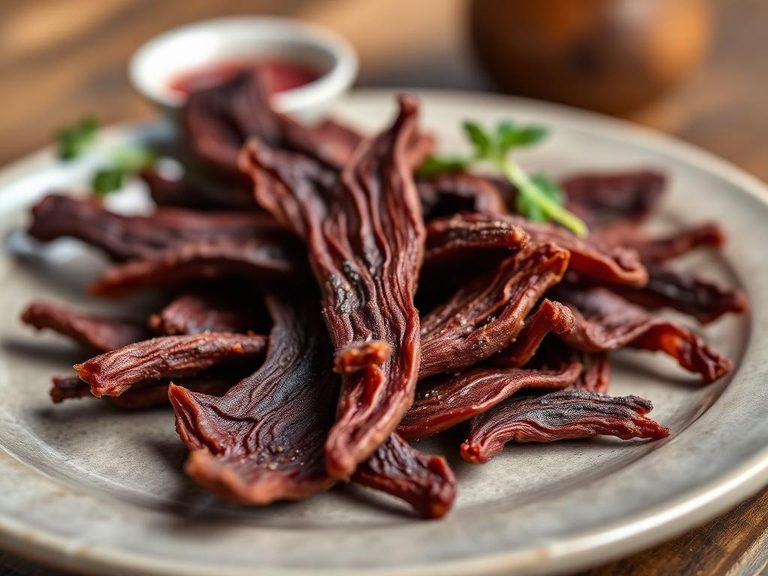
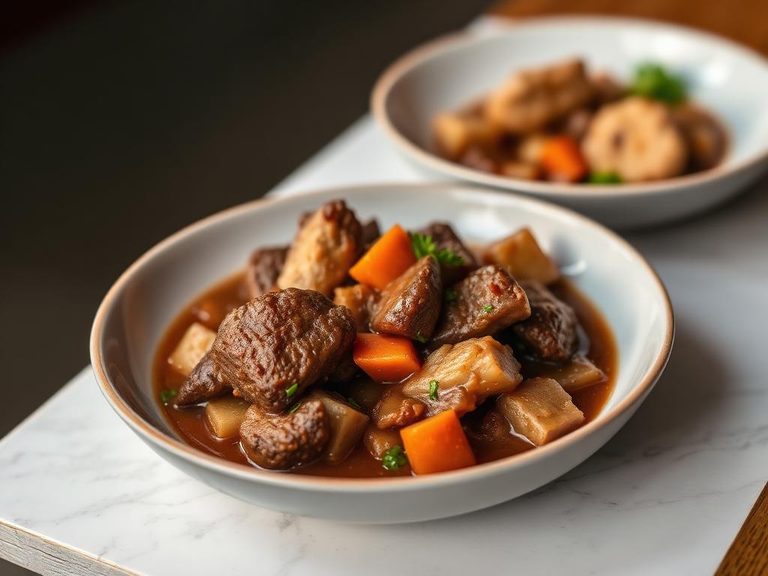
🍽️ Popular dishes
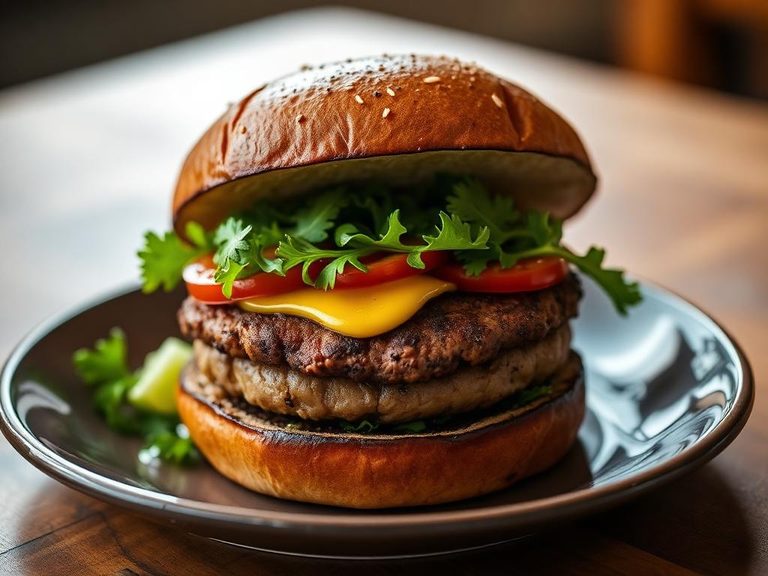
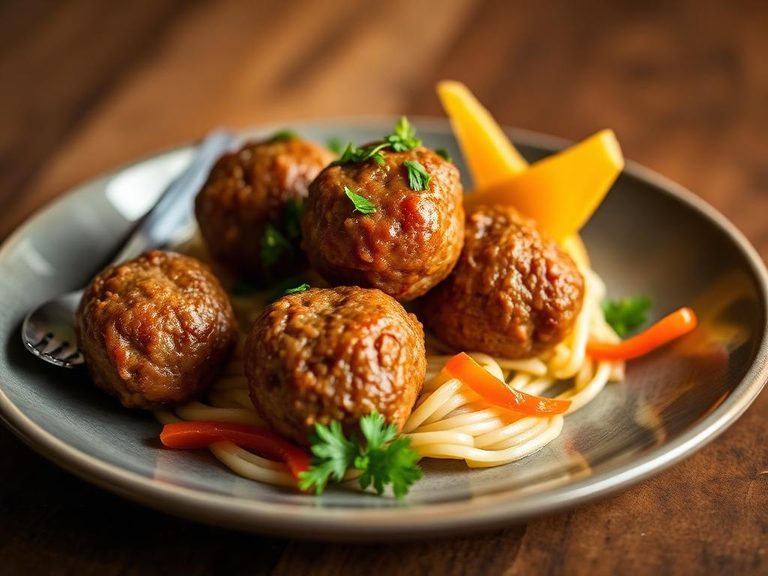
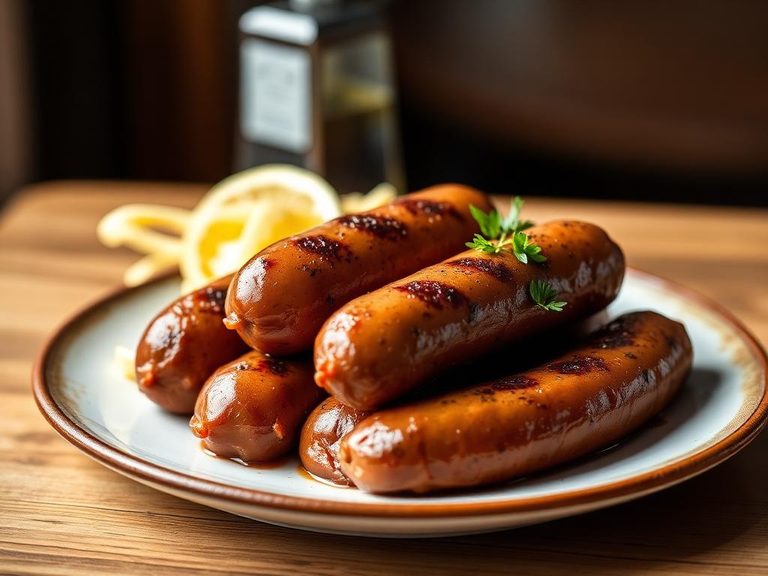
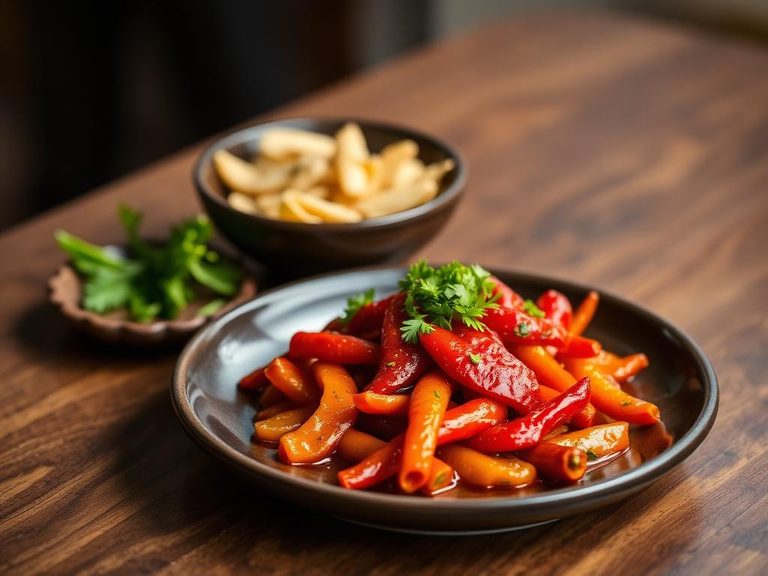
🌍 Where it's eaten
💡 Did you know?
Emu meat was historically used by Indigenous Australians as a survival food, and today it's considered a 'superfood' in some circles because its fat is predominantly the heart-healthy oleic acid, similar to olive oil.
Full nutrition (USDA data · scales with serving)
| Water | 72.9 g |
| Energy | 134 kcal |
| Energy | 559 kj |
| Protein | 22.8 g |
| Total lipid (fat) | 4.0 g |
| Ash | 1.0 g |
| Carbohydrate, by difference | 0.00 g |
| Fiber, total dietary | 0.00 g |
| Total Sugars | 0.00 g |
| Calcium, Ca | 7.0 mg |
| Iron, Fe | 4.0 mg |
| Magnesium, Mg | 24.0 mg |
| Phosphorus, P | 222 mg |
| Potassium, K | 320 mg |
| Sodium, Na | 56.0 mg |
| Zinc, Zn | 3.5 mg |
| Copper, Cu | 0.20 mg |
| Manganese, Mn | 0.03 mg |
| Selenium, Se | 30.5 ug |
| Vitamin C, total ascorbic acid | 0.00 mg |
| Thiamin | 0.27 mg |
| Riboflavin | 0.46 mg |
| Niacin | 7.5 mg |
| Pantothenic acid | 2.7 mg |
| Vitamin B-6 | 0.64 mg |
| Folate, total | 13.0 ug |
| Folic acid | 0.00 ug |
| Folate, food | 13.0 ug |
| Folate, DFE | 13.0 ug |
| Vitamin B-12 | 6.8 ug |
| Vitamin A, RAE | 0.00 ug |
| Retinol | 0.00 ug |
| Carotene, beta | 0.00 ug |
| Carotene, alpha | 0.00 ug |
| Cryptoxanthin, beta | 0.00 ug |
| Vitamin A, IU | 0.00 iu |
| Lycopene | 0.00 ug |
| Lutein + zeaxanthin | 0.00 ug |
| Vitamin E (alpha-tocopherol) | 0.24 mg |
| Alcohol, ethyl | 0.00 g |
| Caffeine | 0.00 mg |
| Theobromine | 0.00 mg |
Fat & fatty acid profile (per 100g)
| Fatty acids, total saturated | 1.0 g |
| SFA 8:0 | 0.00 g |
| SFA 10:0 | 0.00 g |
| SFA 12:0 | 0.00 g |
| SFA 14:0 | 0.01 g |
| SFA 15:0 | 0.00 g |
| SFA 16:0 | 0.66 g |
| SFA 17:0 | 0.01 g |
| SFA 18:0 | 0.35 g |
| SFA 20:0 | 0.00 g |
| SFA 22:0 | 0.00 g |
| Fatty acids, total monounsaturated | 1.6 g |
| MUFA 14:1 | 0.00 g |
| MUFA 15:1 | 0.00 g |
| MUFA 16:1 | 0.13 g |
| MUFA 17:1 | 0.00 g |
| MUFA 18:1 | 1.5 g |
| MUFA 20:1 | 0.01 g |
| Fatty acids, total polyunsaturated | 0.56 g |
| PUFA 18:2 | 0.42 g |
| PUFA 18:3 | 0.02 g |
| PUFA 18:3 n-6 c,c,c | 0.00 g |
| PUFA 20:2 n-6 c,c | 0.01 g |
| PUFA 20:3 | 0.00 g |
| PUFA 20:4 | 0.11 g |
| Cholesterol | 69.0 mg |
Amino acid profile (per 100g)
| Tryptophan | 0.15 g |
| Threonine | 0.65 g |
| Isoleucine | 0.74 g |
| Leucine | 1.3 g |
| Lysine | 1.3 g |
| Methionine | 0.43 g |
| Cystine | 0.16 g |
| Phenylalanine | 0.65 g |
| Tyrosine | 0.49 g |
| Valine | 0.76 g |
| Arginine | 1.0 g |
| Histidine | 0.50 g |
| Alanine | 0.89 g |
| Aspartic acid | 2.0 g |
| Glutamic acid | 2.2 g |
| Glycine | 0.72 g |
| Proline | 0.92 g |
| Serine | 0.54 g |
| Hydroxyproline | 0.15 g |
FAQ
What does emu meat taste like?
It has a rich, slightly gamey flavor similar to lean beef or venison, with a fine, tender texture when cooked properly.
Is emu meat healthy?
Yes, it's extremely lean and high in protein, with very little fat and no carbs or sugar, making it a nutritious choice for many diets.
How do I cook emu without it drying out?
Cook it quickly to medium or medium-rare (160°F/71°C), avoid overcooking, and use marinades or sauces to add moisture.
Can I eat emu if I have gout?
Emu is high in purines, so those with gout should limit portions and consult a doctor, but it can be enjoyed in moderation with proper hydration.
Nutrient density (calculated · NRF9.3)
Nutrient Rich Foods index: beneficial nutrients (protein, fiber, vitamins, minerals) minus saturated fat, added sugar & sodium, per 100 kcal.
NRF9.3 index — Fulgoni, Keast & Drewnowski, 2009. Computed from USDA nutrients.
Weight-loss friendliness (composite index)
Energy density 1.34 kcal/g · 68% calories from protein · 0.0 g fiber · 0.0 g sugar per 100 g.
Composite of energy density (Rolls et al., 1999), protein & fiber satiety, minus sugar. A calculated heuristic — ranks satiety-per-calorie, not a clinical measure.
Dietary load (calculated from USDA values)
Potential renal acid load. Positive = acid-forming, negative = alkaline-forming.
Sodium-to-potassium ratio: 0.17 (lower is better — aim for ≤ 1)
Sodium:potassium per WHO potassium guidance. Computed from USDA nutrients.