

Egg, duck, whole, fresh, raw
Whole food · Dairy and Egg Products

Photo: Wikipedia
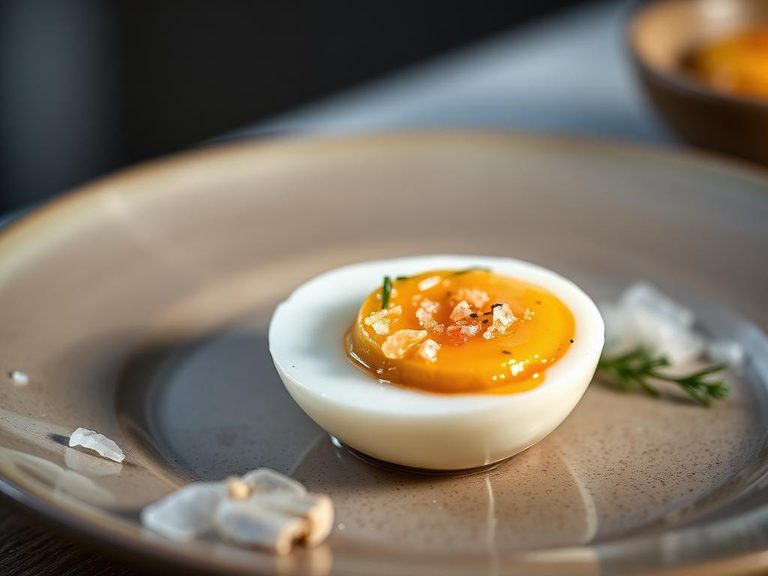
The duck egg is a rich, large egg with a deep orange yolk and a slightly more viscous white than a chicken egg. Its flavor is robust, savory, and distinctly 'eggy,' with a creamy, almost buttery texture when cooked. Nutritionally, it's a powerhouse, delivering significantly more protein, healthy fats, and key micronutrients like choline and selenium per gram than its chicken counterpart.
Calorie split: 28% protein · 3% carbs · 68% fat
↓ Full nutrition💚 Why it's loved
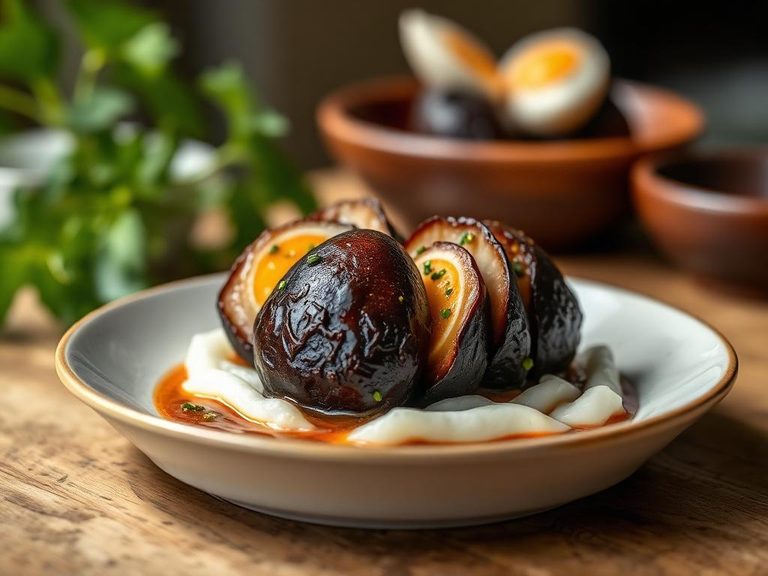
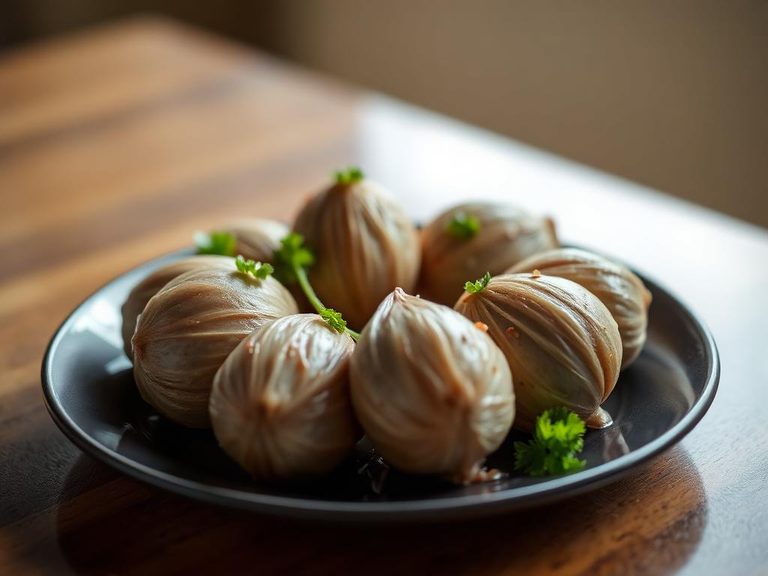
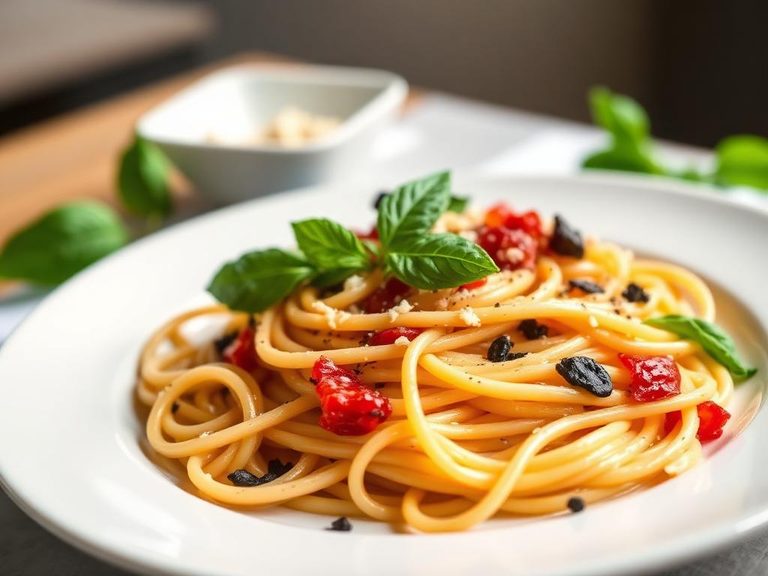
People cherish duck eggs for their luxurious, intensely savory flavor and rich, velvety texture, which elevates both simple and complex dishes. They are a cultural staple in many cuisines, from Chinese century eggs to Italian pasta and Filipino balut, symbolizing richness and tradition.
⚠️ Watch-outs & how to enjoy it better
Due to their larger size and higher fat content, duck eggs are more calorie-dense and can be heavier for those monitoring intake. They are a common allergen, and their richer profile may not suit those with severe egg sensitivities. For a lighter preparation, try poaching or scrambling with vegetables to balance the richness, or use just the yolk in sauces for a creamier texture without the full fat load.
Key benefits
- Excellent source of complete, high-quality protein for muscle maintenance.
- Rich in choline, crucial for brain health and liver function.
- Provides more vitamin B12 and selenium than a typical chicken egg.
- The yolk contains lutein and zeaxanthin, antioxidants for eye health.
- Higher in healthy monounsaturated and polyunsaturated fats.
🍽️ Popular dishes
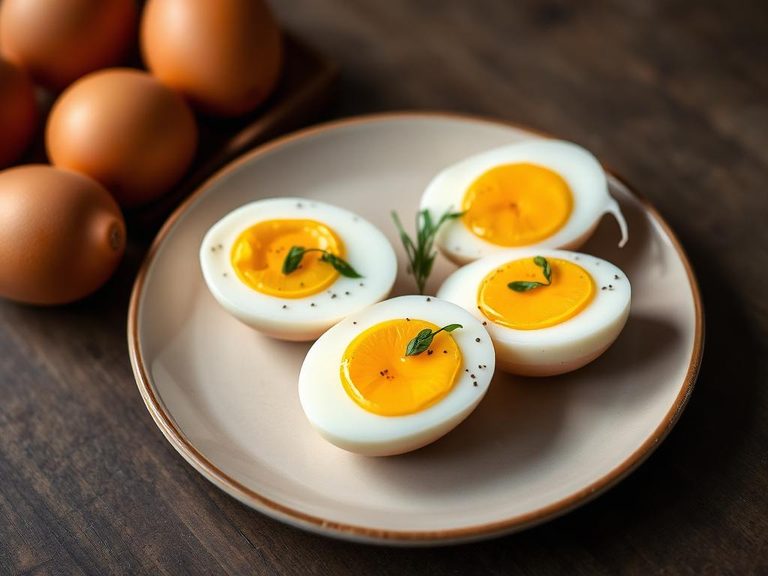
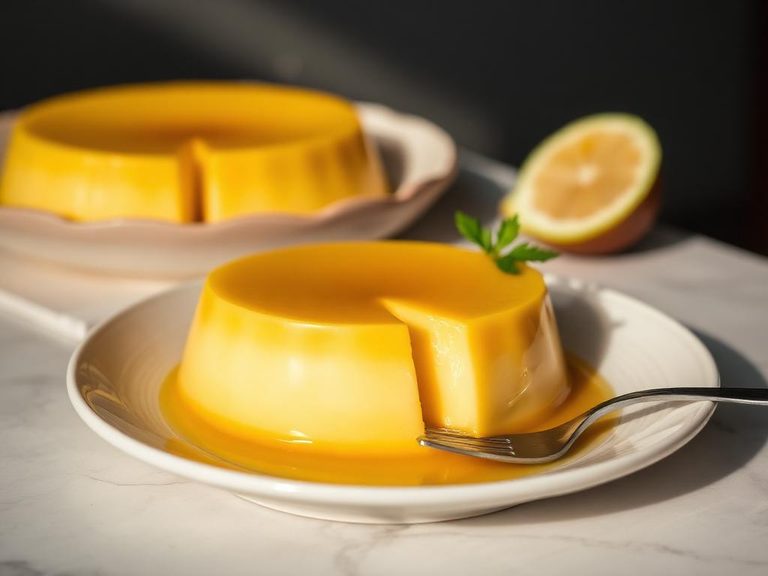
🌍 Where it's eaten
💡 Did you know?
A single duck egg can contain nearly three times the fat of a chicken egg, which is why it's prized for creating exceptionally rich and flaky pastry doughs like those for Chinese mooncakes.
Full nutrition (USDA data · scales with serving)
| Water | 70.8 g |
| Energy | 185 kcal |
| Energy | 776 kj |
| Protein | 12.8 g |
| Total lipid (fat) | 13.8 g |
| Ash | 1.1 g |
| Carbohydrate, by difference | 1.4 g |
| Fiber, total dietary | 0.00 g |
| Total Sugars | 0.93 g |
| Calcium, Ca | 64.0 mg |
| Iron, Fe | 3.9 mg |
| Magnesium, Mg | 17.0 mg |
| Phosphorus, P | 220 mg |
| Potassium, K | 222 mg |
| Sodium, Na | 146 mg |
| Zinc, Zn | 1.4 mg |
| Copper, Cu | 0.06 mg |
| Manganese, Mn | 0.04 mg |
| Selenium, Se | 36.4 ug |
| Vitamin C, total ascorbic acid | 0.00 mg |
| Thiamin | 0.16 mg |
| Riboflavin | 0.40 mg |
| Niacin | 0.20 mg |
| Pantothenic acid | 1.9 mg |
| Vitamin B-6 | 0.25 mg |
| Folate, total | 80.0 ug |
| Folic acid | 0.00 ug |
| Folate, food | 80.0 ug |
| Folate, DFE | 80.0 ug |
| Choline, total | 263 mg |
| Vitamin B-12 | 5.4 ug |
| Vitamin B-12, added | 0.00 ug |
| Vitamin A, RAE | 194 ug |
| Retinol | 192 ug |
| Carotene, beta | 14.0 ug |
| Carotene, alpha | 0.00 ug |
| Cryptoxanthin, beta | 12.0 ug |
| Vitamin A, IU | 674 iu |
| Lycopene | 0.00 ug |
| Lutein + zeaxanthin | 459 ug |
| Vitamin E (alpha-tocopherol) | 1.3 mg |
| Vitamin E, added | 0.00 mg |
| Vitamin D (D2 + D3), International Units | 69.0 iu |
| Vitamin D (D2 + D3) | 1.7 ug |
| Vitamin D3 (cholecalciferol) | 1.7 ug |
| Vitamin K (phylloquinone) | 0.40 ug |
| Alcohol, ethyl | 0.00 g |
| Caffeine | 0.00 mg |
| Theobromine | 0.00 mg |
Fat & fatty acid profile (per 100g)
| Fatty acids, total saturated | 3.7 g |
| SFA 4:0 | 0.00 g |
| SFA 6:0 | 0.00 g |
| SFA 8:0 | 0.00 g |
| SFA 10:0 | 0.00 g |
| SFA 12:0 | 0.00 g |
| SFA 14:0 | 0.05 g |
| SFA 16:0 | 3.0 g |
| SFA 18:0 | 0.63 g |
| Fatty acids, total monounsaturated | 6.5 g |
| MUFA 16:1 | 0.44 g |
| MUFA 18:1 | 6.1 g |
| MUFA 20:1 | 0.00 g |
| MUFA 22:1 | 0.00 g |
| Fatty acids, total polyunsaturated | 1.2 g |
| PUFA 18:2 | 0.56 g |
| PUFA 18:3 | 0.10 g |
| PUFA 18:4 | 0.00 g |
| PUFA 20:4 | 0.32 g |
| PUFA 20:5 n-3 (EPA) | 0.00 g |
| PUFA 22:5 n-3 (DPA) | 0.00 g |
| PUFA 22:6 n-3 (DHA) | 0.00 g |
| Cholesterol | 884 mg |
Amino acid profile (per 100g)
| Tryptophan | 0.26 g |
| Threonine | 0.74 g |
| Isoleucine | 0.60 g |
| Leucine | 1.1 g |
| Lysine | 0.95 g |
| Methionine | 0.58 g |
| Cystine | 0.28 g |
| Phenylalanine | 0.84 g |
| Tyrosine | 0.61 g |
| Valine | 0.89 g |
| Arginine | 0.77 g |
| Histidine | 0.32 g |
| Alanine | 0.63 g |
| Aspartic acid | 0.78 g |
| Glutamic acid | 1.8 g |
| Glycine | 0.42 g |
| Proline | 0.48 g |
| Serine | 0.96 g |
FAQ
How does a duck egg taste different from a chicken egg?
Duck eggs have a richer, more savory, and distinctly 'eggy' flavor with a creamier, almost buttery texture. The yolk is larger, deeper in color, and more intensely flavored.
Can I substitute duck eggs for chicken eggs in recipes?
Yes, but with adjustments. One large duck egg is roughly equivalent to 1.5 chicken eggs. Due to their higher fat content, they can make baked goods richer and more tender. It's best to start by substituting one duck egg for one chicken egg and adjust based on the desired result.
Are duck eggs safe to eat raw or undercooked?
Like all eggs, duck eggs carry a risk of Salmonella. It is not recommended to consume them raw or undercooked. Always cook them until both the yolk and white are firm, or use pasteurized duck eggs for recipes requiring raw eggs.
Nutrient density (calculated · NRF9.3)
Nutrient Rich Foods index: beneficial nutrients (protein, fiber, vitamins, minerals) minus saturated fat, added sugar & sodium, per 100 kcal.
NRF9.3 index — Fulgoni, Keast & Drewnowski, 2009. Computed from USDA nutrients.
Weight-loss friendliness (composite index)
Energy density 1.85 kcal/g · 28% calories from protein · 0.0 g fiber · 0.9 g sugar per 100 g.
Composite of energy density (Rolls et al., 1999), protein & fiber satiety, minus sugar. A calculated heuristic — ranks satiety-per-calorie, not a clinical measure.
Dietary load (calculated from USDA values)
Potential renal acid load. Positive = acid-forming, negative = alkaline-forming.
Sodium-to-potassium ratio: 0.66 (lower is better — aim for ≤ 1)
Sodium:potassium per WHO potassium guidance. Computed from USDA nutrients.