

Balut
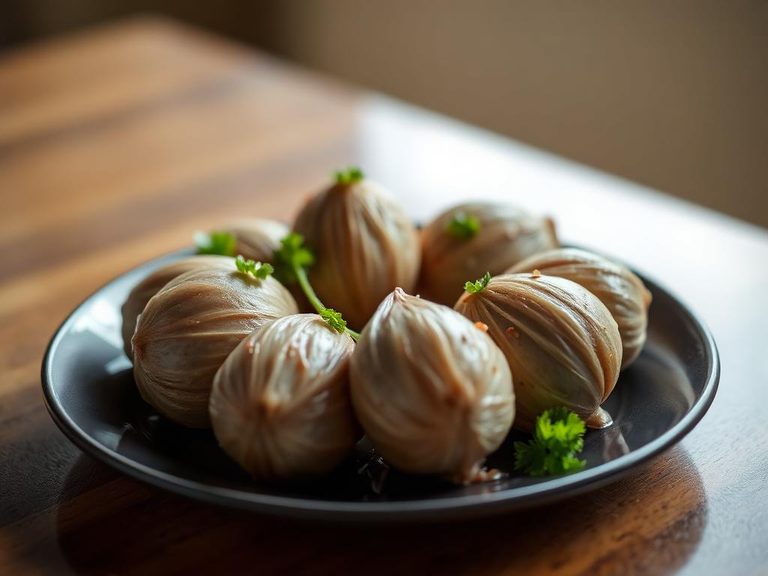
Balut is a popular street food consisting of a fertilized duck egg that has been incubated for about 14-21 days, then boiled and eaten directly from the shell. The dish contains a partially developed duck embryo, along with yolk and broth, and is a culinary staple in the Philippines, Vietnam, and other parts of Southeast Asia.
🍽️ Nutrition at a glance
Balut is an exceptionally high-protein, low-carbohydrate food, providing a significant amount of protein, healthy fats, and essential minerals like calcium and iron. A single egg typically contains around 140-180 calories.
Nutrition breakdown
| Calories | 160 kcal |
| Protein | 14 g |
| Carbs | 1 g |
| Fat | 10 g |
| Fiber | 0 g |
| Sugar | 0 g |
| Sodium | 260 mg |
| Calcium | 50 mg |
| Iron | 2.5 mg |
| Potassium | 180 mg |
| Phosphorus | 200 mg |
| Vitamin A | 150 mcg |
| Vitamin B12 | 1.5 mcg |
| Selenium | 15 mcg |
| Choline | 100 mg |
Per 1 egg (approximately 100 g) · estimated, varies by recipe
💡 What's interesting
Culturally, balut is often considered an aphrodisiac and a late-night snack, traditionally sold by vendors who call out 'baluuuut!' in the evenings. Nutritionally, it is a complete food, providing a dense source of protein and nutrients in one convenient, natural package.
AI estimate may be inaccurate · Terms