

Duck, domesticated, meat and skin, raw
Whole food · Poultry Products

Photo: Wikipedia
Domesticated duck meat with its skin is a rich, succulent protein source prized for its deep, gamey flavor and tender, fatty texture. With nearly 40g of fat per 100g, it delivers a luxurious mouthfeel and is a powerhouse of energy and fat-soluble vitamins.
Calorie split: 11% protein · 0% carbs · 89% fat
↓ Full nutrition💚 Why it's loved
People love it for its rich, savory flavor that stands up to bold seasonings and slow-cooking methods, making it a centerpiece in festive and comfort meals. Its versatility allows it to be roasted, braised, or grilled, appealing to both traditional and modern culinary tastes.
⚠️ Watch-outs & how to enjoy it better
The high fat content, especially from the skin, can be a concern for those managing cholesterol or calorie intake, and it may not suit low-fat diets. To mitigate, remove the skin before cooking or use it sparingly, and pair with fiber-rich vegetables to balance the meal.
Key benefits
- High in protein for muscle maintenance and repair
- Rich in iron and zinc, supporting immune function
- Contains B vitamins, especially B12, for nerve health
- Provides healthy monounsaturated fats from the skin
🍽️ Popular dishes
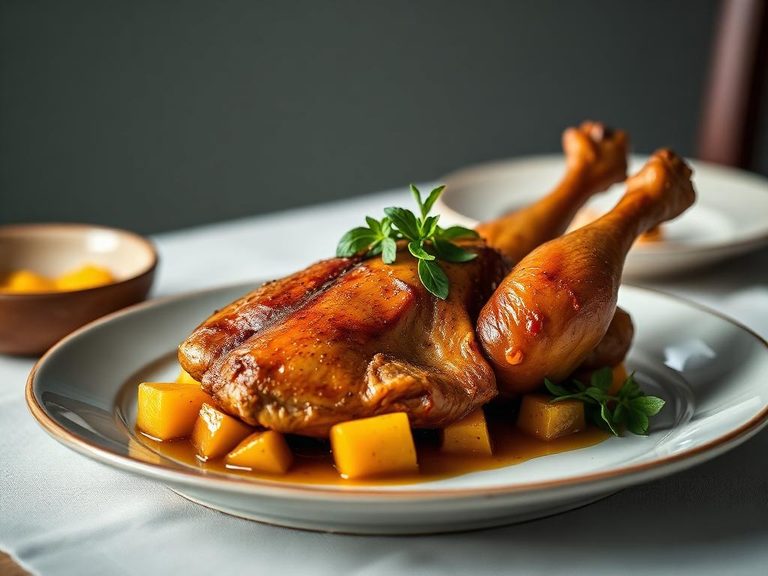
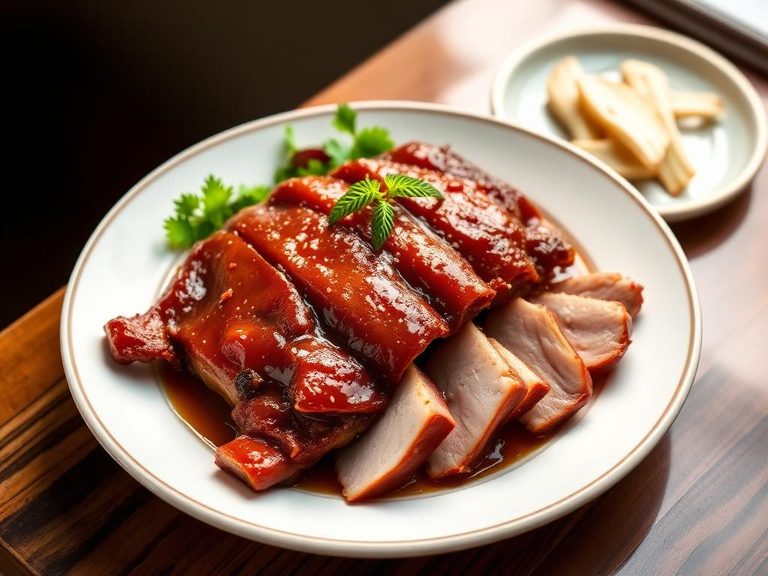
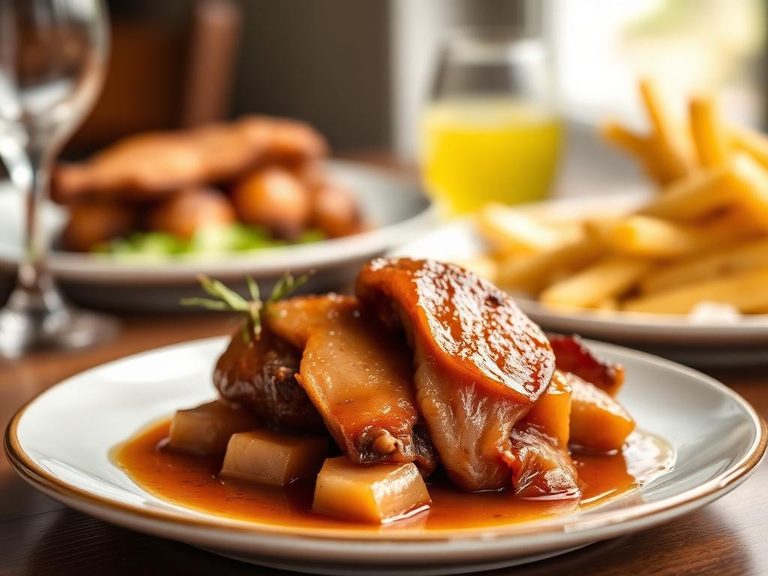
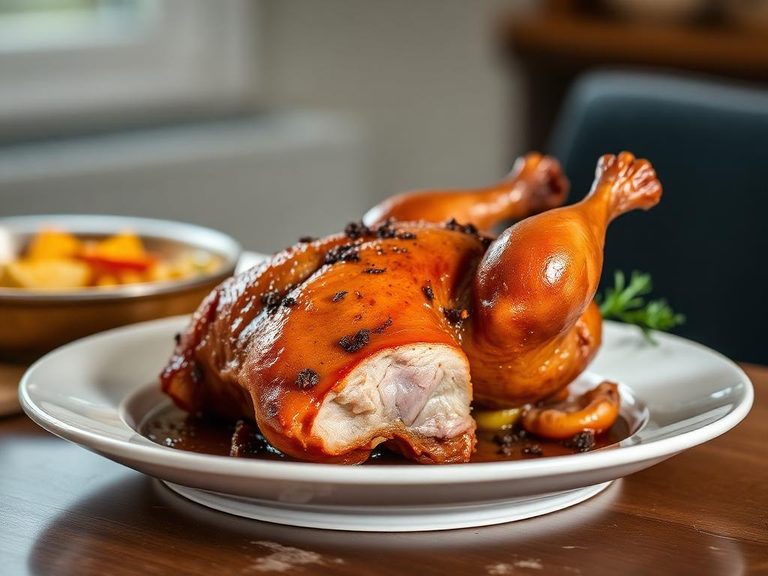
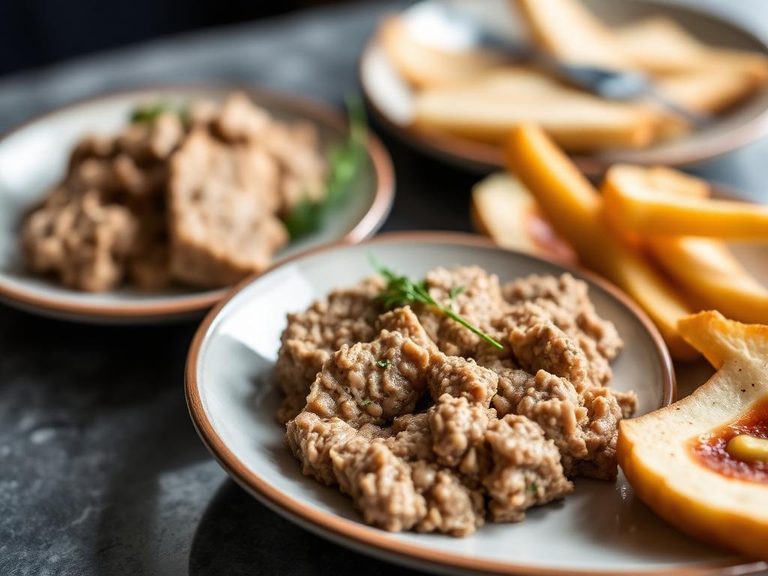
🌍 Where it's eaten
💡 Did you know?
Duck meat is often darker than chicken because ducks are migratory birds with more myoglobin in their muscles, which helps them fly long distances.
Full nutrition (USDA data · scales with serving)
| Water | 48.5 g |
| Energy | 404 kcal |
| Energy | 1690 kj |
| Protein | 11.5 g |
| Total lipid (fat) | 39.3 g |
| Ash | 0.68 g |
| Carbohydrate, by difference | 0.00 g |
| Fiber, total dietary | 0.00 g |
| Total Sugars | 0.00 g |
| Calcium, Ca | 11.0 mg |
| Iron, Fe | 2.4 mg |
| Magnesium, Mg | 15.0 mg |
| Phosphorus, P | 139 mg |
| Potassium, K | 209 mg |
| Sodium, Na | 63.0 mg |
| Zinc, Zn | 1.4 mg |
| Copper, Cu | 0.24 mg |
| Manganese, Mn | 0.02 mg |
| Selenium, Se | 12.4 ug |
| Vitamin C, total ascorbic acid | 2.8 mg |
| Thiamin | 0.20 mg |
| Riboflavin | 0.21 mg |
| Niacin | 3.9 mg |
| Pantothenic acid | 0.95 mg |
| Vitamin B-6 | 0.19 mg |
| Folate, total | 13.0 ug |
| Folic acid | 0.00 ug |
| Folate, food | 13.0 ug |
| Folate, DFE | 13.0 ug |
| Choline, total | 31.0 mg |
| Betaine | 4.3 mg |
| Vitamin B-12 | 0.25 ug |
| Vitamin B-12, added | 0.00 ug |
| Vitamin A, RAE | 50.0 ug |
| Retinol | 50.0 ug |
| Carotene, beta | 0.00 ug |
| Carotene, alpha | 0.00 ug |
| Cryptoxanthin, beta | 0.00 ug |
| Vitamin A, IU | 168 iu |
| Lycopene | 0.00 ug |
| Lutein + zeaxanthin | 0.00 ug |
| Vitamin E (alpha-tocopherol) | 0.70 mg |
| Vitamin E, added | 0.00 mg |
| Vitamin D (D2 + D3), International Units | 26.0 iu |
| Vitamin D (D2 + D3) | 0.70 ug |
| Vitamin K (phylloquinone) | 5.5 ug |
| Vitamin K (Dihydrophylloquinone) | 0.00 ug |
| Alcohol, ethyl | 0.00 g |
| Caffeine | 0.00 mg |
| Theobromine | 0.00 mg |
Fat & fatty acid profile (per 100g)
| Fatty acids, total saturated | 13.2 g |
| SFA 4:0 | 0.00 g |
| SFA 6:0 | 0.00 g |
| SFA 8:0 | 0.00 g |
| SFA 10:0 | 0.00 g |
| SFA 12:0 | 0.05 g |
| SFA 14:0 | 0.25 g |
| SFA 16:0 | 9.6 g |
| SFA 18:0 | 3.2 g |
| Fatty acids, total monounsaturated | 18.7 g |
| MUFA 16:1 | 1.5 g |
| MUFA 18:1 | 16.7 g |
| MUFA 20:1 | 0.40 g |
| MUFA 22:1 | 0.00 g |
| Fatty acids, total polyunsaturated | 5.1 g |
| PUFA 18:2 | 4.7 g |
| PUFA 18:3 | 0.39 g |
| PUFA 18:4 | 0.00 g |
| PUFA 20:4 | 0.00 g |
| PUFA 20:5 n-3 (EPA) | 0.00 g |
| PUFA 22:5 n-3 (DPA) | 0.00 g |
| PUFA 22:6 n-3 (DHA) | 0.00 g |
| Cholesterol | 76.0 mg |
Amino acid profile (per 100g)
| Tryptophan | 0.14 g |
| Threonine | 0.47 g |
| Isoleucine | 0.54 g |
| Leucine | 0.90 g |
| Lysine | 0.91 g |
| Methionine | 0.29 g |
| Cystine | 0.18 g |
| Phenylalanine | 0.46 g |
| Tyrosine | 0.40 g |
| Valine | 0.57 g |
| Arginine | 0.77 g |
| Histidine | 0.28 g |
| Alanine | 0.78 g |
| Aspartic acid | 1.1 g |
| Glutamic acid | 1.7 g |
| Glycine | 0.93 g |
| Proline | 0.69 g |
| Serine | 0.49 g |
FAQ
Is duck meat healthier than chicken?
Duck meat is higher in fat and calories than chicken, but it offers more iron, zinc, and B vitamins. It can be part of a healthy diet when consumed in moderation and with skin removed.
How should I cook duck to reduce fat?
Roast duck on a rack to allow fat to render and drip away, or braise it in liquid. Avoid frying, and consider removing the skin before eating to cut down on fat intake.
Can I eat duck if I have high cholesterol?
Due to its high fat content, duck should be eaten sparingly if you have high cholesterol. Opt for leaner cuts like breast without skin, and balance with vegetables and whole grains.
Nutrient density (calculated · NRF9.3)
Nutrient Rich Foods index: beneficial nutrients (protein, fiber, vitamins, minerals) minus saturated fat, added sugar & sodium, per 100 kcal.
NRF9.3 index — Fulgoni, Keast & Drewnowski, 2009. Computed from USDA nutrients.
Weight-loss friendliness (composite index)
Energy density 4.04 kcal/g · 11% calories from protein · 0.0 g fiber · 0.0 g sugar per 100 g.
Composite of energy density (Rolls et al., 1999), protein & fiber satiety, minus sugar. A calculated heuristic — ranks satiety-per-calorie, not a clinical measure.
Dietary load (calculated from USDA values)
Potential renal acid load. Positive = acid-forming, negative = alkaline-forming.
Sodium-to-potassium ratio: 0.30 (lower is better — aim for ≤ 1)
Sodium:potassium per WHO potassium guidance. Computed from USDA nutrients.