

Corn, yellow, whole kernel, frozen, microwaved
Whole food · Vegetables and Vegetable Products
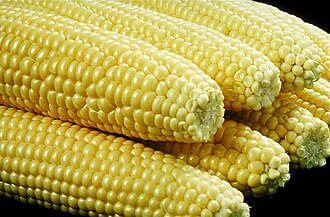
Photo: Wikipedia
This is sweet yellow corn, flash-frozen at peak ripeness and then reheated in the microwave, yielding plump, juicy kernels with a vibrant, sunny flavor. The texture is a satisfying mix of a tender bite and a slight, pleasant pop. It's a fantastic low-fat source of energy and fiber, delivering a comforting, starchy sweetness in minutes.
Calorie split: 11% protein · 79% carbs · 10% fat
↓ Full nutrition💚 Why it's loved
People adore it for its natural, candy-like sweetness and satisfying, juicy crunch that brightens any plate. It's a nostalgic, versatile staple that can be a simple side, a hearty ingredient, or a sweet snack all on its own.
⚠️ Watch-outs & how to enjoy it better
The high carbohydrate content can cause blood sugar spikes, especially for those with diabetes or insulin resistance. To mitigate this, pair it with a protein (like chicken or beans) and a healthy fat (like avocado or olive oil) to slow digestion. It is also a common allergen for some individuals.
Key benefits
- Excellent source of energy from complex carbohydrates.
- Good source of dietary fiber for digestive health.
- Provides essential B vitamins like thiamine and folate.
- Contains antioxidants like lutein and zeaxanthin for eye health.
- Quick, convenient, and requires no preparation beyond heating.
🍽️ Popular dishes
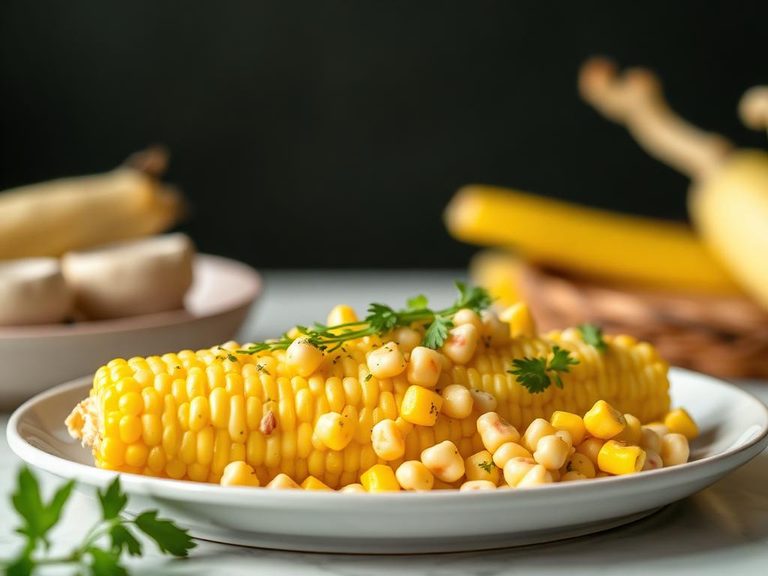
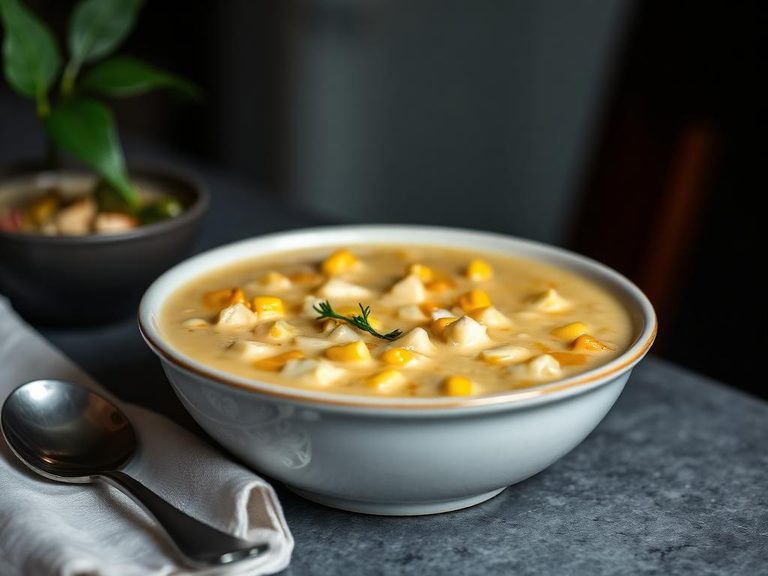
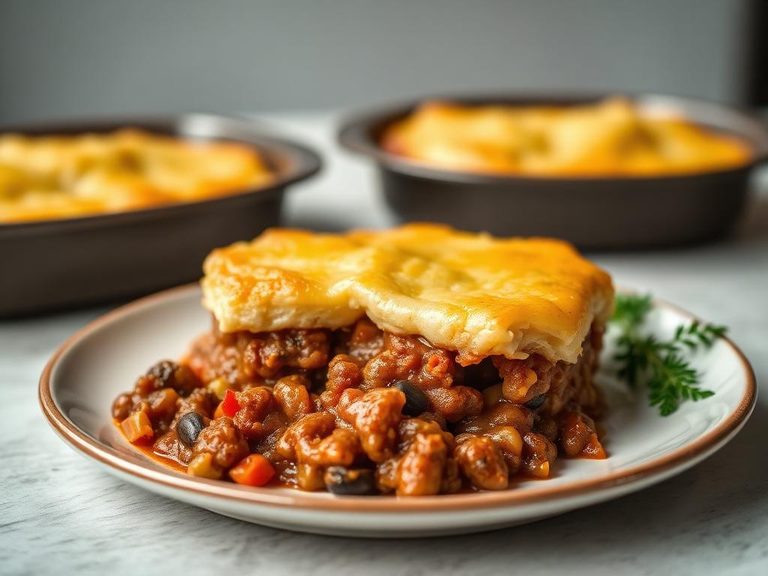
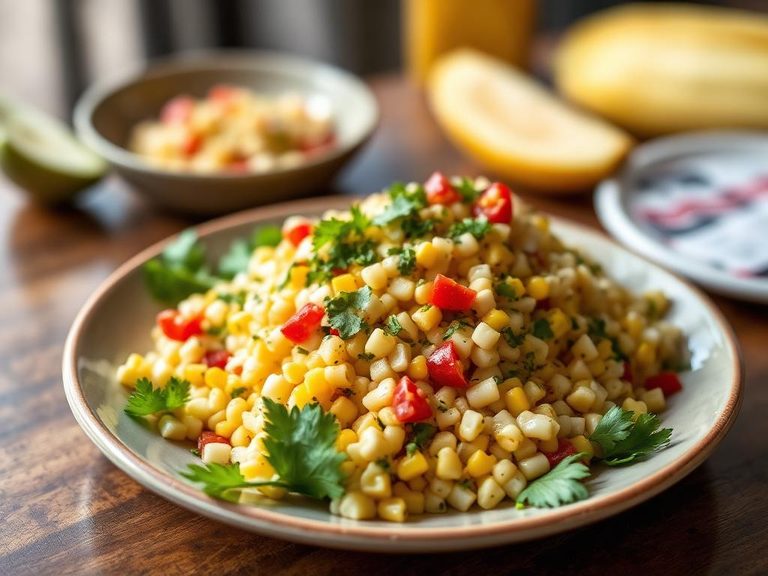
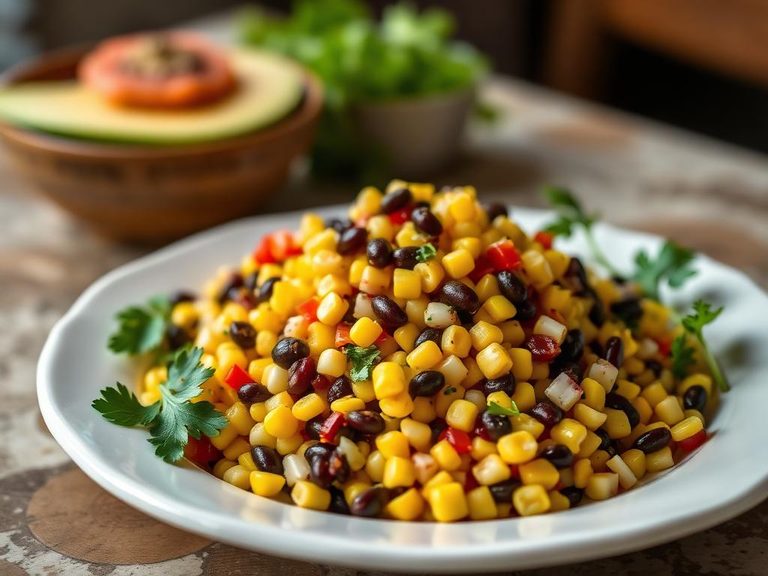
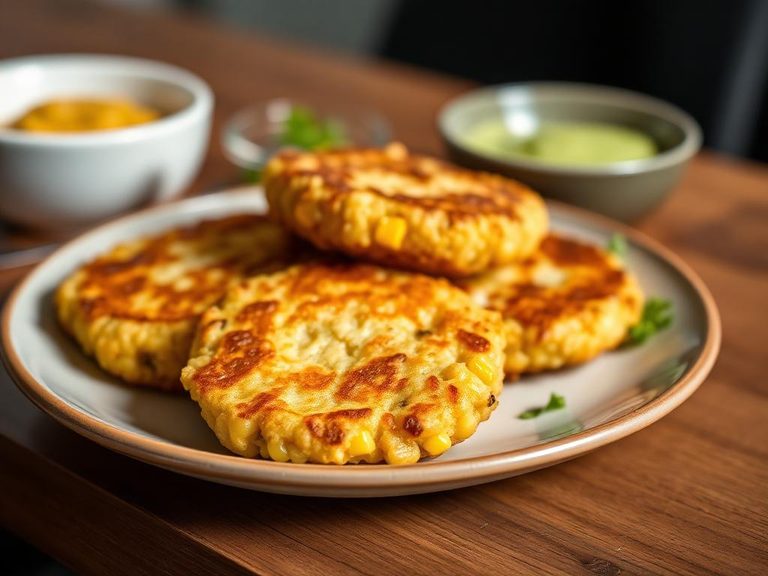
🌍 Where it's eaten
💡 Did you know?
The microwave is ideal for frozen corn because the water inside the kernels heats rapidly, creating steam that cooks the corn from the inside out, preserving its crisp-tender texture better than boiling.
Full nutrition (USDA data · scales with serving)
| Water | 68.4 g |
| Energy | 113 kcal |
| Energy | 473 kj |
| Protein | 3.6 g |
| Total lipid (fat) | 1.4 g |
| Ash | 0.69 g |
| Carbohydrate, by difference | 25.9 g |
| Fiber, total dietary | 2.6 g |
| Total Sugars | 3.4 g |
| Sucrose | 2.7 g |
| Glucose | 0.43 g |
| Fructose | 0.26 g |
| Lactose | 0.00 g |
| Maltose | 0.00 g |
| Galactose | 0.00 g |
| Starch | 18.2 g |
| Calcium, Ca | 5.0 mg |
| Iron, Fe | 0.39 mg |
| Magnesium, Mg | 25.0 mg |
| Phosphorus, P | 95.0 mg |
| Potassium, K | 276 mg |
| Sodium, Na | 4.0 mg |
| Zinc, Zn | 0.53 mg |
| Copper, Cu | 0.05 mg |
| Manganese, Mn | 0.13 mg |
| Thiamin | 0.08 mg |
| Riboflavin | 0.05 mg |
| Niacin | 2.1 mg |
| Pantothenic acid | 0.64 mg |
| Vitamin B-6 | 0.12 mg |
| Folate, total | 38.0 ug |
| Folate, food | 38.0 ug |
| Choline, total | 30.3 mg |
| Vitamin B-12 | 0.00 ug |
| Vitamin A, RAE | 12.0 ug |
| Carotene, beta | 59.0 ug |
| Carotene, alpha | 20.0 ug |
| Cryptoxanthin, beta | 144 ug |
| Vitamin A, IU | 234 iu |
| Lycopene | 0.00 ug |
| Lutein + zeaxanthin | 807 ug |
| Vitamin E (alpha-tocopherol) | 0.10 mg |
| Vitamin K (phylloquinone) | 0.40 ug |
| Alcohol, ethyl | 0.00 g |
| Caffeine | 0.00 mg |
| Theobromine | 0.00 mg |
Fat & fatty acid profile (per 100g)
| Fatty acids, total saturated | 0.15 g |
| SFA 4:0 | 0.00 g |
| SFA 6:0 | 0.00 g |
| SFA 8:0 | 0.00 g |
| SFA 10:0 | 0.00 g |
| SFA 12:0 | 0.00 g |
| SFA 14:0 | 0.00 g |
| SFA 16:0 | 0.14 g |
| SFA 18:0 | 0.01 g |
| Fatty acids, total monounsaturated | 0.29 g |
| MUFA 16:1 | 0.00 g |
| MUFA 18:1 | 0.29 g |
| MUFA 20:1 | 0.00 g |
| MUFA 22:1 | 0.00 g |
| Fatty acids, total polyunsaturated | 0.46 g |
| PUFA 18:2 | 0.45 g |
| PUFA 18:3 | 0.01 g |
| PUFA 18:4 | 0.00 g |
| PUFA 20:4 | 0.00 g |
| PUFA 20:5 n-3 (EPA) | 0.00 g |
| PUFA 22:5 n-3 (DPA) | 0.00 g |
| PUFA 22:6 n-3 (DHA) | 0.00 g |
| Fatty acids, total trans | 0.00 g |
| Cholesterol | 0.00 mg |
Amino acid profile (per 100g)
| Tryptophan | 0.03 g |
| Threonine | 0.11 g |
| Isoleucine | 0.12 g |
| Leucine | 0.45 g |
| Lysine | 0.34 g |
| Methionine | 0.08 g |
| Cystine | 0.06 g |
| Phenylalanine | 0.17 g |
| Tyrosine | 0.14 g |
| Valine | 0.17 g |
| Arginine | 0.15 g |
| Histidine | 0.10 g |
| Alanine | 0.29 g |
| Aspartic acid | 0.26 g |
| Glutamic acid | 0.72 g |
| Glycine | 0.13 g |
| Proline | 0.46 g |
| Serine | 0.20 g |
FAQ
Why is microwaving frozen corn better than boiling?
Microwaving uses minimal water, which helps the corn retain more of its water-soluble vitamins (like B vitamins) and its natural, sweet flavor. Boiling can leach these nutrients into the cooking water.
Can I eat this straight from the bag?
No, it should always be cooked according to package directions before eating. While the corn is blanched before freezing, cooking ensures food safety and achieves the best texture and flavor.
How can I add more flavor to plain microwaved corn?
Toss it with a pat of butter or a drizzle of olive oil, a pinch of salt and pepper, fresh herbs like cilantro or parsley, a squeeze of lime juice, or a sprinkle of chili powder or parmesan cheese.
Nutrient density (calculated · NRF9.3)
Nutrient Rich Foods index: beneficial nutrients (protein, fiber, vitamins, minerals) minus saturated fat, added sugar & sodium, per 100 kcal.
NRF9.3 index — Fulgoni, Keast & Drewnowski, 2009. Computed from USDA nutrients.
Weight-loss friendliness (composite index)
Energy density 1.13 kcal/g · 13% calories from protein · 2.6 g fiber · 3.4 g sugar per 100 g.
Composite of energy density (Rolls et al., 1999), protein & fiber satiety, minus sugar. A calculated heuristic — ranks satiety-per-calorie, not a clinical measure.
Dietary load (calculated from USDA values)
Potential renal acid load. Positive = acid-forming, negative = alkaline-forming.
Sodium-to-potassium ratio: 0.01 (lower is better — aim for ≤ 1)
Sodium:potassium per WHO potassium guidance. Computed from USDA nutrients.