

Chickpeas (garbanzo beans, bengal gram), mature seeds, raw
Whole food · Legumes and Legume Products
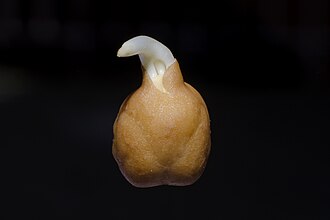
Photo: Wikipedia
Chickpeas, also known as garbanzo beans, are a powerhouse legume with a nutty, earthy flavor and a satisfyingly firm, slightly creamy texture when cooked. They are a nutritional standout, delivering over 20 grams of plant-based protein and an impressive 12 grams of fiber per 100g of dry seeds. This combination makes them a staple for sustained energy and digestive health across countless global cuisines.
Calorie split: 21% protein · 65% carbs · 14% fat
↓ Full nutrition💚 Why it's loved
People adore chickpeas for their incredible versatility—they can be roasted for a crunchy snack, blended into creamy hummus, or simmered into hearty stews. Their mild, nutty flavor acts as a perfect canvas for bold spices, making them a beloved staple in vegetarian and omnivore diets alike.
⚠️ Watch-outs & how to enjoy it better
Raw chickpeas contain anti-nutrients like phytic acid and lectins, which can cause digestive discomfort and reduce mineral absorption. To counteract this, always soak them for 8-12 hours and cook thoroughly until tender; pairing with vitamin C-rich foods like lemon or tomatoes can also enhance iron absorption.
Key benefits
- Excellent source of plant-based protein (20.47g per 100g dry).
- High in dietary fiber (12.2g per 100g), promoting satiety and gut health.
- Rich in complex carbohydrates for sustained energy release.
- Good source of essential minerals like iron and folate.
- Naturally low in fat (6.04g per 100g dry).
🍽️ Popular dishes
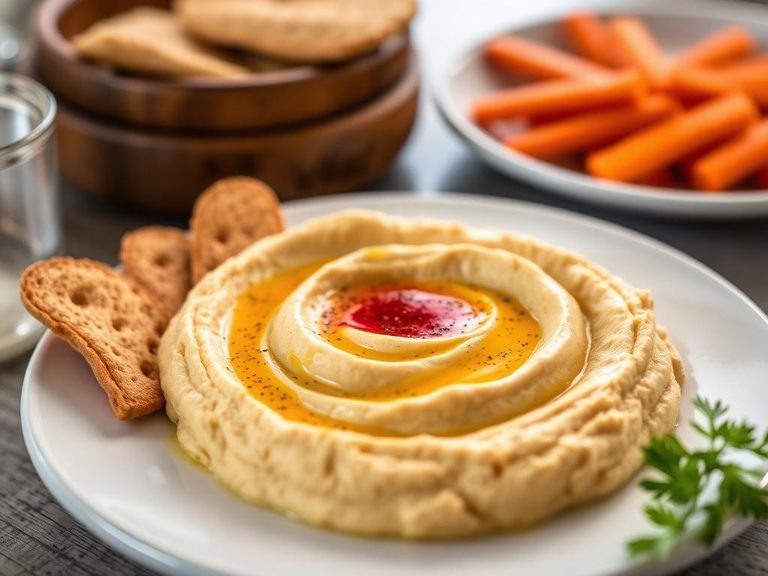
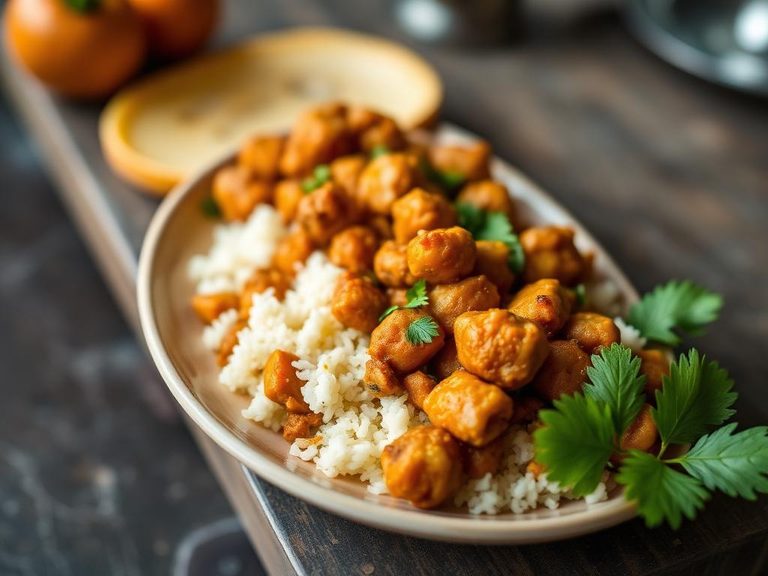
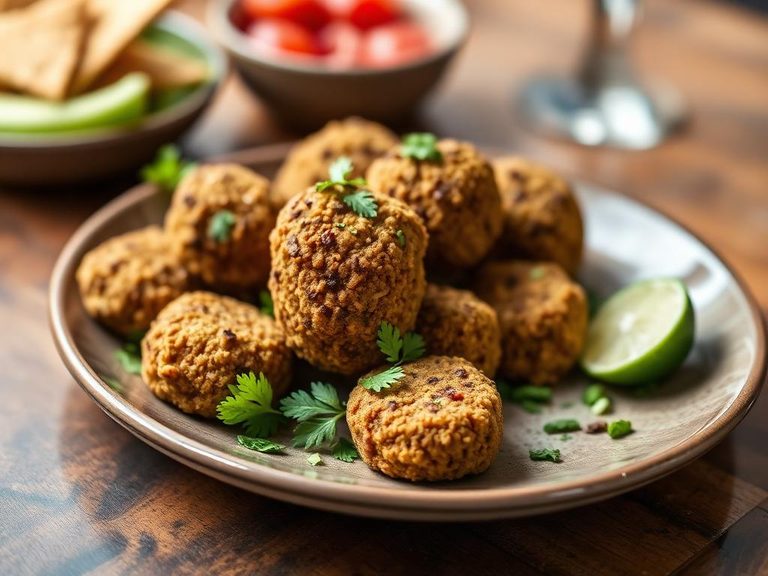

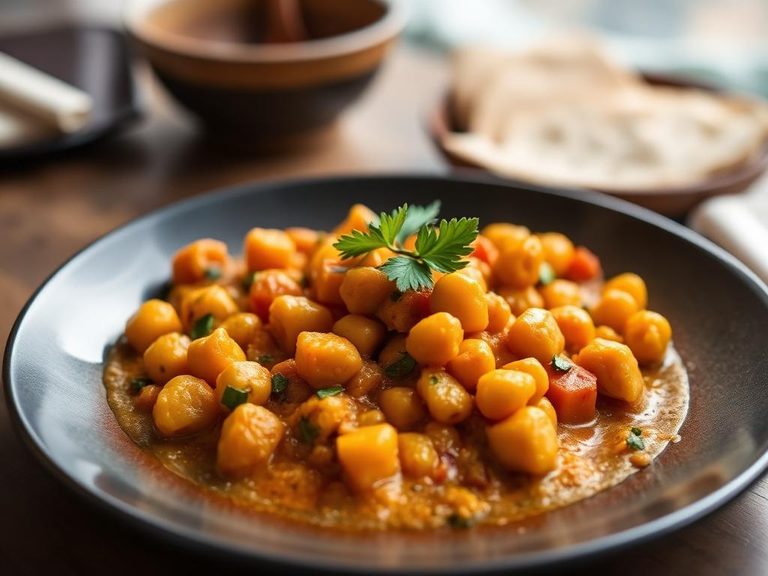
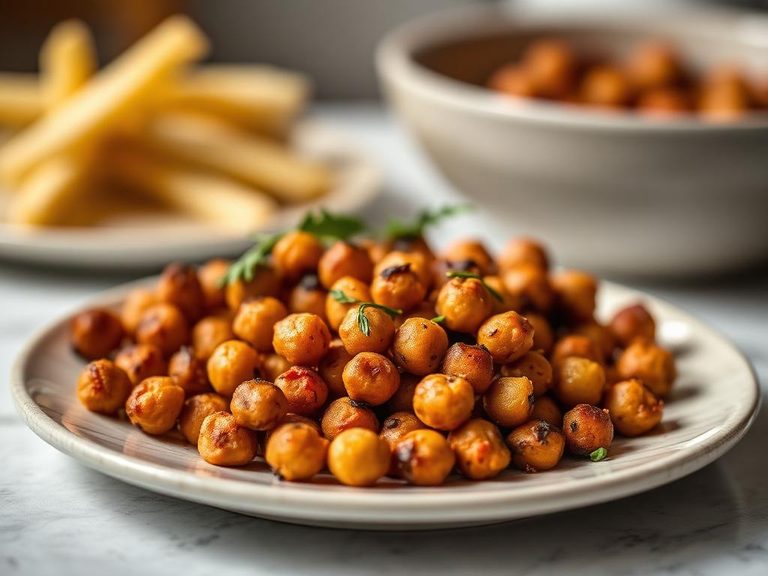
🌍 Where it's eaten
💡 Did you know?
Archaeological evidence suggests chickpeas were one of the earliest cultivated legumes, with remains found in the Middle East dating back to 7,500 BCE, making them a true ancient superfood.
Full nutrition (USDA data · scales with serving)
| Water | 7.7 g |
| Energy | 378 kcal |
| Energy | 1581 kj |
| Protein | 20.5 g |
| Total lipid (fat) | 6.0 g |
| Ash | 2.9 g |
| Carbohydrate, by difference | 63.0 g |
| Fiber, total dietary | 12.2 g |
| Total Sugars | 10.7 g |
| Calcium, Ca | 57.0 mg |
| Iron, Fe | 4.3 mg |
| Magnesium, Mg | 79.0 mg |
| Phosphorus, P | 252 mg |
| Potassium, K | 718 mg |
| Sodium, Na | 24.0 mg |
| Zinc, Zn | 2.8 mg |
| Copper, Cu | 0.66 mg |
| Manganese, Mn | 4.2 mg |
| Selenium, Se | 0.00 ug |
| Vitamin C, total ascorbic acid | 4.0 mg |
| Thiamin | 0.48 mg |
| Riboflavin | 0.21 mg |
| Niacin | 1.5 mg |
| Pantothenic acid | 1.6 mg |
| Vitamin B-6 | 0.54 mg |
| Folate, total | 557 ug |
| Folic acid | 0.00 ug |
| Folate, food | 557 ug |
| Folate, DFE | 557 ug |
| Choline, total | 99.3 mg |
| Vitamin B-12 | 0.00 ug |
| Vitamin B-12, added | 0.00 ug |
| Vitamin A, RAE | 3.0 ug |
| Retinol | 0.00 ug |
| Carotene, beta | 40.0 ug |
| Carotene, alpha | 0.00 ug |
| Cryptoxanthin, beta | 0.00 ug |
| Vitamin A, IU | 67.0 iu |
| Lycopene | 0.00 ug |
| Lutein + zeaxanthin | 0.00 ug |
| Vitamin E (alpha-tocopherol) | 0.82 mg |
| Vitamin E, added | 0.00 mg |
| Vitamin D (D2 + D3), International Units | 0.00 iu |
| Vitamin D (D2 + D3) | 0.00 ug |
| Vitamin K (phylloquinone) | 9.0 ug |
| Alcohol, ethyl | 0.00 g |
| Caffeine | 0.00 mg |
| Theobromine | 0.00 mg |
Fat & fatty acid profile (per 100g)
| Fatty acids, total saturated | 0.60 g |
| SFA 4:0 | 0.00 g |
| SFA 6:0 | 0.00 g |
| SFA 8:0 | 0.00 g |
| SFA 10:0 | 0.00 g |
| SFA 12:0 | 0.00 g |
| SFA 14:0 | 0.01 g |
| SFA 16:0 | 0.51 g |
| SFA 18:0 | 0.09 g |
| Fatty acids, total monounsaturated | 1.4 g |
| MUFA 16:1 | 0.01 g |
| MUFA 18:1 | 1.4 g |
| MUFA 20:1 | 0.00 g |
| MUFA 22:1 | 0.00 g |
| Fatty acids, total polyunsaturated | 2.7 g |
| PUFA 18:2 | 2.6 g |
| PUFA 18:3 | 0.10 g |
| PUFA 18:4 | 0.00 g |
| PUFA 20:4 | 0.00 g |
| PUFA 20:5 n-3 (EPA) | 0.00 g |
| PUFA 22:5 n-3 (DPA) | 0.00 g |
| PUFA 22:6 n-3 (DHA) | 0.00 g |
| Fatty acids, total trans | 0.00 g |
| Cholesterol | 0.00 mg |
Amino acid profile (per 100g)
| Tryptophan | 0.20 g |
| Threonine | 0.77 g |
| Isoleucine | 0.88 g |
| Leucine | 1.5 g |
| Lysine | 1.4 g |
| Methionine | 0.27 g |
| Cystine | 0.28 g |
| Phenylalanine | 1.1 g |
| Tyrosine | 0.51 g |
| Valine | 0.86 g |
| Arginine | 1.9 g |
| Histidine | 0.57 g |
| Alanine | 0.88 g |
| Aspartic acid | 2.4 g |
| Glutamic acid | 3.6 g |
| Glycine | 0.86 g |
| Proline | 0.85 g |
| Serine | 1.0 g |
FAQ
Are chickpeas a complete protein?
No, chickpeas are not a complete protein on their own, as they are low in the essential amino acid methionine. However, they are an excellent source of lysine. Pairing them with grains like rice or whole wheat (which are high in methionine) creates a complete protein profile.
How should I store dried chickpeas?
Store dried chickpeas in an airtight container in a cool, dark, and dry place like a pantry. They can last for up to a year or more. Avoid storing them in humid areas to prevent mold.
Can I eat the liquid from canned chickpeas?
Yes, the liquid from canned chickpeas, called aquafaba, is a popular vegan egg substitute. It can be whipped into a meringue-like consistency for desserts or used as a binder in baking. It's safe to consume but can be high in sodium if the can is salted.
Nutrient density (calculated · NRF9.3)
Nutrient Rich Foods index: beneficial nutrients (protein, fiber, vitamins, minerals) minus saturated fat, added sugar & sodium, per 100 kcal.
NRF9.3 index — Fulgoni, Keast & Drewnowski, 2009. Computed from USDA nutrients.
Weight-loss friendliness (composite index)
Energy density 3.78 kcal/g · 22% calories from protein · 12.2 g fiber · 10.7 g sugar per 100 g.
Composite of energy density (Rolls et al., 1999), protein & fiber satiety, minus sugar. A calculated heuristic — ranks satiety-per-calorie, not a clinical measure.
Dietary load (calculated from USDA values)
Potential renal acid load. Positive = acid-forming, negative = alkaline-forming.
Sodium-to-potassium ratio: 0.03 (lower is better — aim for ≤ 1)
Sodium:potassium per WHO potassium guidance. Computed from USDA nutrients.