

Butter oil, anhydrous
Whole food · Dairy and Egg Products
Butter oil, anhydrous, is pure butterfat with virtually all water and milk solids removed, leaving a clear, golden liquid at warm temperatures or a soft, spreadable solid when cooled. Its flavor is intensely rich, nutty, and caramel-like, with a smooth, velvety mouthfeel that coats the palate. Nutritionally, it is almost 100% fat, providing 876 kcal per 100g with negligible protein, carbs, or fiber.
Calorie split: 0% protein · 0% carbs · 100% fat
↓ Full nutrition💚 Why it's loved
People love it for its deep, caramelized butter flavor that elevates everything from popcorn to pastries without the risk of burning milk solids. It's a staple in traditional cuisines for its versatility, from sautéing to baking, and its cultural significance in ghee-like preparations across the globe.
⚠️ Watch-outs & how to enjoy it better
Its extremely high saturated fat content (around 60-65%) means it should be consumed in moderation, especially by those managing cholesterol or heart health. To counteract this, use it sparingly as a flavor enhancer rather than a primary fat, and pair it with fiber-rich vegetables or lean proteins to balance the meal. Also, while lactose-free, it's still a dairy product and may not be suitable for those with severe milk allergies.
Key benefits
- High smoke point (around 250°C/482°F) makes it excellent for high-heat cooking and frying.
- Lactose and casein-free, suitable for many with dairy sensitivities.
- Rich in fat-soluble vitamins A, D, E, and K2 (especially if from grass-fed sources).
- Provides a concentrated source of butyric acid, a short-chain fatty acid linked to gut health.
- Long shelf life due to the absence of milk solids that can spoil.
🍽️ Popular dishes
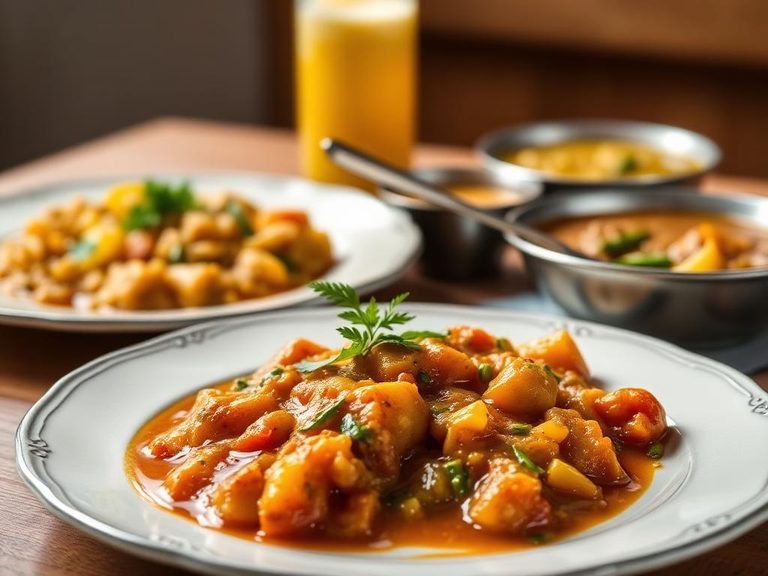
🌍 Where it's eaten
💡 Did you know?
Anhydrous butter oil is essentially the same as ghee, but the term 'anhydrous' specifically denotes a commercial product made by removing water from butter through centrifugation, often used in industrial food production for its stability and consistency.
Full nutrition (USDA data · scales with serving)
| Water | 0.24 g |
| Energy | 876 kcal |
| Energy | 3665 kj |
| Protein | 0.28 g |
| Total lipid (fat) | 99.5 g |
| Ash | 0.00 g |
| Carbohydrate, by difference | 0.00 g |
| Fiber, total dietary | 0.00 g |
| Total Sugars | 0.00 g |
| Calcium, Ca | 4.0 mg |
| Iron, Fe | 0.00 mg |
| Magnesium, Mg | 0.00 mg |
| Phosphorus, P | 3.0 mg |
| Potassium, K | 5.0 mg |
| Sodium, Na | 2.0 mg |
| Zinc, Zn | 0.01 mg |
| Copper, Cu | 0.00 mg |
| Manganese, Mn | 0.00 mg |
| Selenium, Se | 0.00 ug |
| Vitamin C, total ascorbic acid | 0.00 mg |
| Thiamin | 0.00 mg |
| Riboflavin | 0.01 mg |
| Niacin | 0.00 mg |
| Pantothenic acid | 0.01 mg |
| Vitamin B-6 | 0.00 mg |
| Folate, total | 0.00 ug |
| Folic acid | 0.00 ug |
| Folate, food | 0.00 ug |
| Folate, DFE | 0.00 ug |
| Choline, total | 22.3 mg |
| Vitamin B-12 | 0.01 ug |
| Vitamin B-12, added | 0.00 ug |
| Vitamin A, RAE | 840 ug |
| Retinol | 824 ug |
| Carotene, beta | 193 ug |
| Carotene, alpha | 0.00 ug |
| Cryptoxanthin, beta | 0.00 ug |
| Vitamin A, IU | 3069 iu |
| Lycopene | 0.00 ug |
| Lutein + zeaxanthin | 0.00 ug |
| Vitamin E (alpha-tocopherol) | 2.8 mg |
| Vitamin E, added | 0.00 mg |
| Vitamin D (D2 + D3), International Units | 0.00 iu |
| Vitamin D (D2 + D3) | 0.00 ug |
| Vitamin D2 (ergocalciferol) | 0.00 ug |
| Vitamin D3 (cholecalciferol) | 0.00 ug |
| Vitamin K (phylloquinone) | 8.6 ug |
| Alcohol, ethyl | 0.00 g |
| Caffeine | 0.00 mg |
| Theobromine | 0.00 mg |
Fat & fatty acid profile (per 100g)
| Fatty acids, total saturated | 61.9 g |
| SFA 4:0 | 3.2 g |
| SFA 6:0 | 1.9 g |
| SFA 8:0 | 1.1 g |
| SFA 10:0 | 2.5 g |
| SFA 12:0 | 2.8 g |
| SFA 14:0 | 10.0 g |
| SFA 16:0 | 26.2 g |
| SFA 18:0 | 12.1 g |
| Fatty acids, total monounsaturated | 28.7 g |
| MUFA 16:1 | 2.2 g |
| MUFA 18:1 | 25.0 g |
| MUFA 20:1 | 0.00 g |
| MUFA 22:1 | 0.00 g |
| Fatty acids, total polyunsaturated | 3.7 g |
| PUFA 18:2 | 2.2 g |
| PUFA 18:3 | 1.4 g |
| PUFA 18:4 | 0.00 g |
| PUFA 20:4 | 0.00 g |
| PUFA 20:5 n-3 (EPA) | 0.00 g |
| PUFA 22:5 n-3 (DPA) | 0.00 g |
| PUFA 22:6 n-3 (DHA) | 0.00 g |
| Cholesterol | 256 mg |
Amino acid profile (per 100g)
| Tryptophan | 0.00 g |
| Threonine | 0.01 g |
| Isoleucine | 0.02 g |
| Leucine | 0.03 g |
| Lysine | 0.02 g |
| Methionine | 0.01 g |
| Cystine | 0.00 g |
| Phenylalanine | 0.01 g |
| Tyrosine | 0.01 g |
| Valine | 0.02 g |
| Arginine | 0.01 g |
| Histidine | 0.01 g |
| Alanine | 0.01 g |
| Aspartic acid | 0.02 g |
| Glutamic acid | 0.06 g |
| Glycine | 0.01 g |
| Proline | 0.03 g |
| Serine | 0.01 g |
FAQ
What is the difference between butter oil and ghee?
Butter oil and ghee are very similar—both are pure butterfat with water and milk solids removed. The main difference is that ghee is traditionally made by simmering butter to remove solids, while butter oil is often produced industrially via centrifugation, resulting in a more uniform product.
Can I use butter oil for baking?
Yes, it's excellent for baking, especially in recipes like puff pastry or croissants where a high fat content and rich flavor are desired. It provides a tender texture and a deep, buttery taste without the risk of burning milk solids.
Is butter oil suitable for people with lactose intolerance?
Yes, because it contains virtually no lactose or casein, it is generally safe for those with lactose intolerance. However, individuals with severe milk allergies should still exercise caution.
Nutrient density (calculated · NRF9.3)
Nutrient Rich Foods index: beneficial nutrients (protein, fiber, vitamins, minerals) minus saturated fat, added sugar & sodium, per 100 kcal.
NRF9.3 index — Fulgoni, Keast & Drewnowski, 2009. Computed from USDA nutrients.
Weight-loss friendliness (composite index)
Energy density 8.76 kcal/g · 0% calories from protein · 0.0 g fiber · 0.0 g sugar per 100 g.
Composite of energy density (Rolls et al., 1999), protein & fiber satiety, minus sugar. A calculated heuristic — ranks satiety-per-calorie, not a clinical measure.
Dietary load (calculated from USDA values)
Potential renal acid load. Positive = acid-forming, negative = alkaline-forming.
Sodium-to-potassium ratio: 0.40 (lower is better — aim for ≤ 1)
Sodium:potassium per WHO potassium guidance. Computed from USDA nutrients.