Ghee in Indian curries and dal
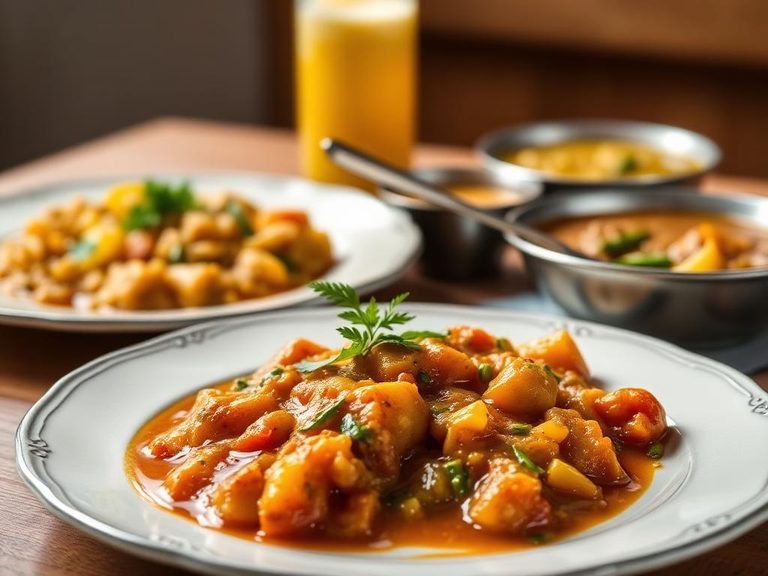
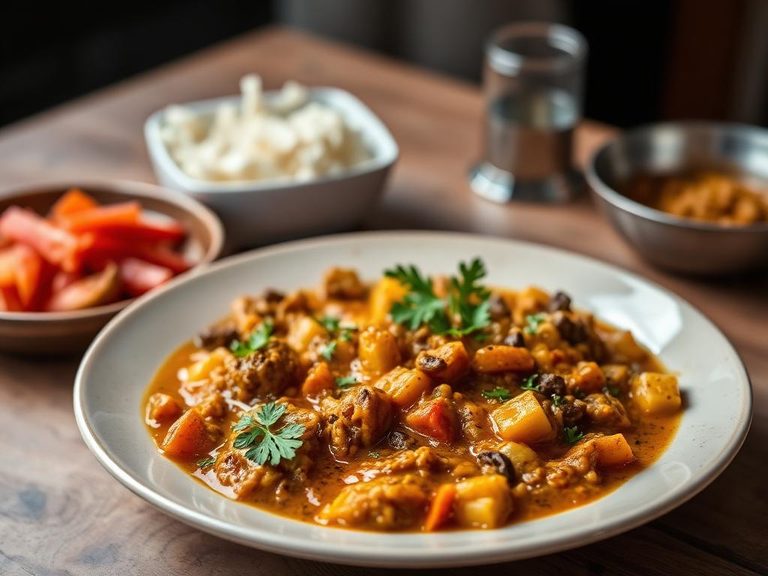
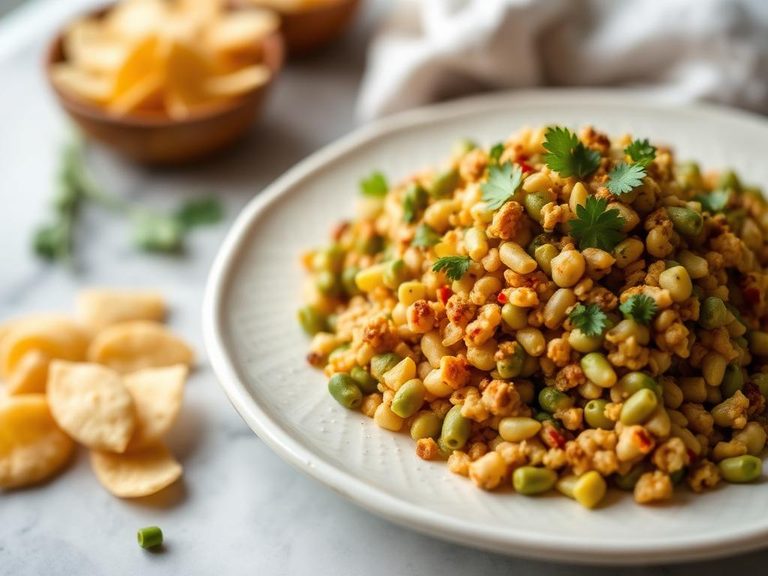
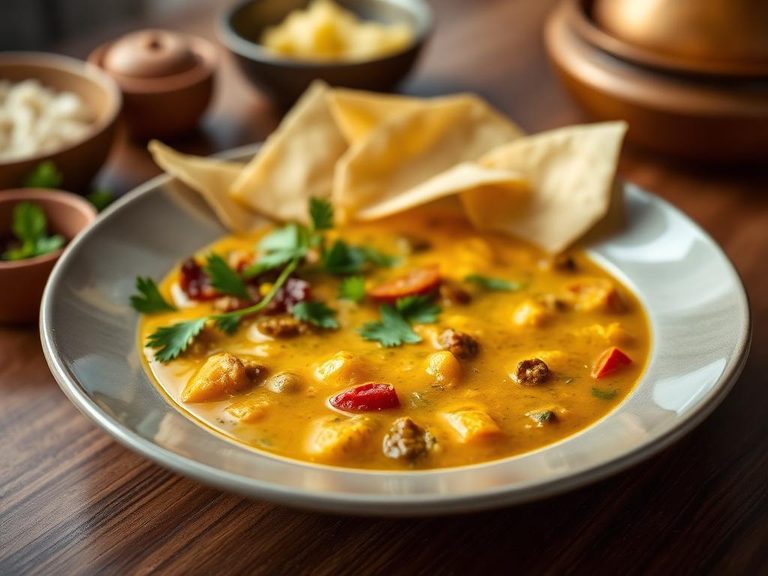
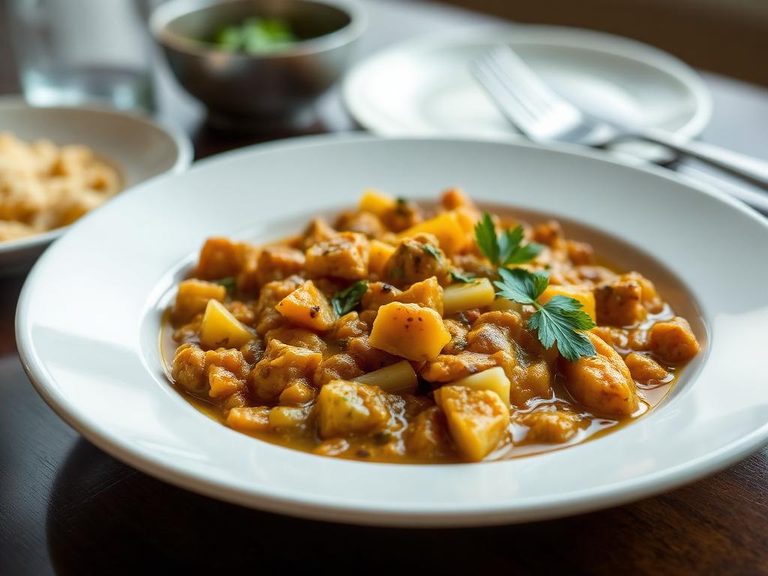
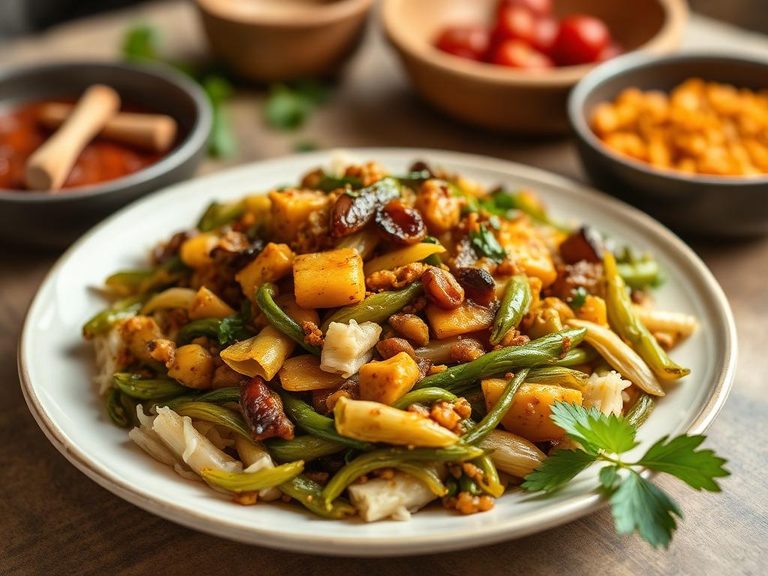
Ghee in Indian curries and dal refers to the use of clarified butter as a foundational cooking fat and flavor enhancer in a wide array of savory dishes across the Indian subcontinent. It is typically made by simmering unsalted butter until the milk solids separate and are removed, leaving a nutty, aromatic fat. This ingredient is integral to the preparation of everything from spiced lentil stews (dal) to complex vegetable and meat curries.
🍽️ Nutrition at a glance
As a pure fat, ghee is very high in fat and calories, containing negligible carbohydrates and protein. It is a concentrated source of energy and provides fat-soluble vitamins like A, D, E, and K, along with beneficial fatty acids such as butyrate.
Nutrition breakdown
| Calories | 120 kcal |
| Protein | 0 g |
| Carbs | 0 g |
| Fat | 14 g |
| Fiber | 0 g |
| Sugar | 0 g |
| Sodium | 0 mg |
| Vitamin A | 110 mcg RAE |
| Vitamin E | 0.4 mg |
| Vitamin K | 1.0 mcg |
| Butyric Acid | ~0.3 g |
| Conjugated Linoleic Acid (CLA) | ~0.1 g |
Per 1 tablespoon (14 g) · estimated, varies by recipe
💡 What's interesting
Culturally, ghee is considered 'sattvic' (pure) in Ayurvedic tradition and is used in religious ceremonies and temple offerings. Nutritionally, its high smoke point makes it exceptionally stable for high-heat cooking, preventing the formation of harmful compounds.