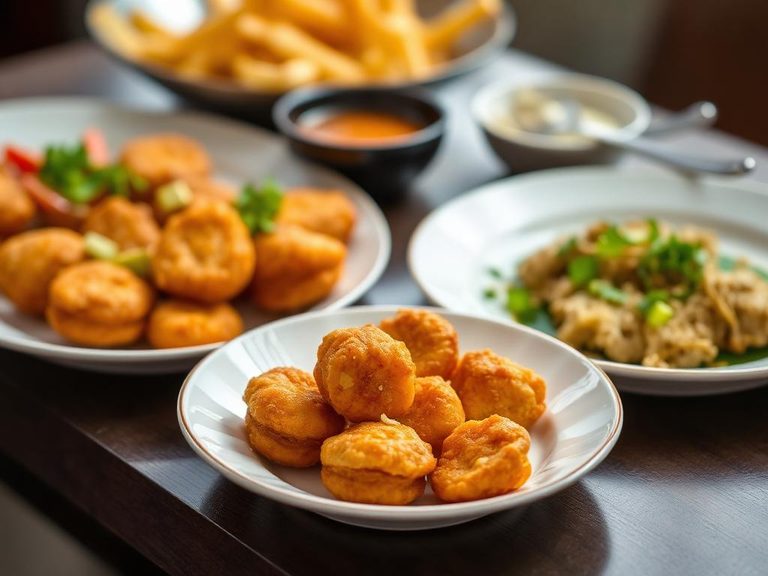
Certain types of Vegetable Ghee
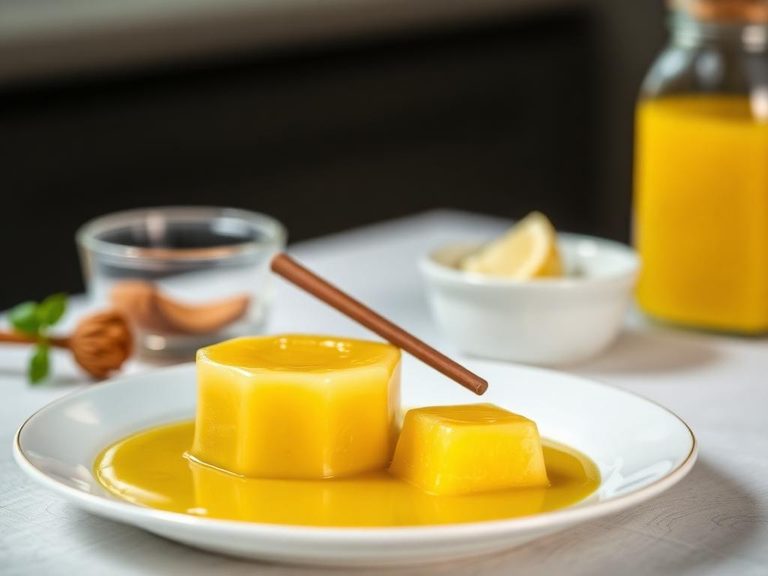
Vegetable Ghee, often called Vanaspati or Dalda, is a hydrogenated vegetable oil traditionally used as a cost-effective, shelf-stable substitute for dairy ghee in South Asian and Middle Eastern cooking. Its primary ingredients are typically refined palm, soybean, or cottonseed oil, which are processed to become solid at room temperature. It is a staple in many households and commercial kitchens for frying, sautéing, and in baking.
🍽️ Nutrition at a glance
Vegetable Ghee is almost entirely fat, containing zero carbohydrates, protein, or fiber. It is a significant source of calories and, depending on the source oil and processing, may contain small amounts of fat-soluble vitamins like Vitamin E, though it is not a major nutrient source.
Nutrition breakdown
| Calories | 120 kcal |
| Protein | 0 g |
| Carbs | 0 g |
| Fat | 14 g |
| Fiber | 0 g |
| Sugar | 0 g |
| Sodium | 0 mg |
| Vitamin E (alpha-tocopherol) | ~1 mg |
| Vitamin K | ~5 µg |
| Saturated Fat | ~6 g |
| Monounsaturated Fat | ~5 g |
| Polyunsaturated Fat | ~2 g |
Per 1 tablespoon (14 g) · estimated, varies by recipe
💡 What's interesting
Nutritionally, its unique aspect is the potential presence of trans fats from the partial hydrogenation process, a type of fat now widely advised to be limited in diets. Culturally, it represents a fascinating era of food technology and economics, becoming a ubiquitous ingredient in the mid-20th century as a modern, affordable alternative to traditional animal fats.