Indian-style Dal
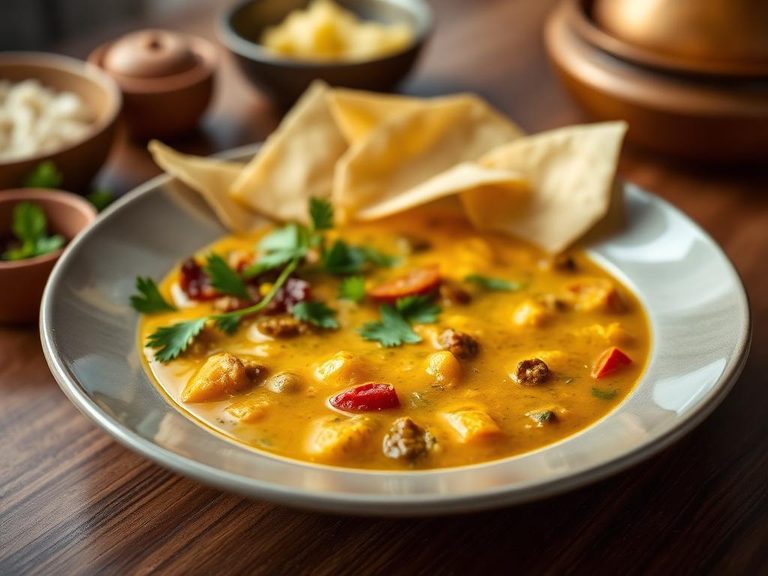
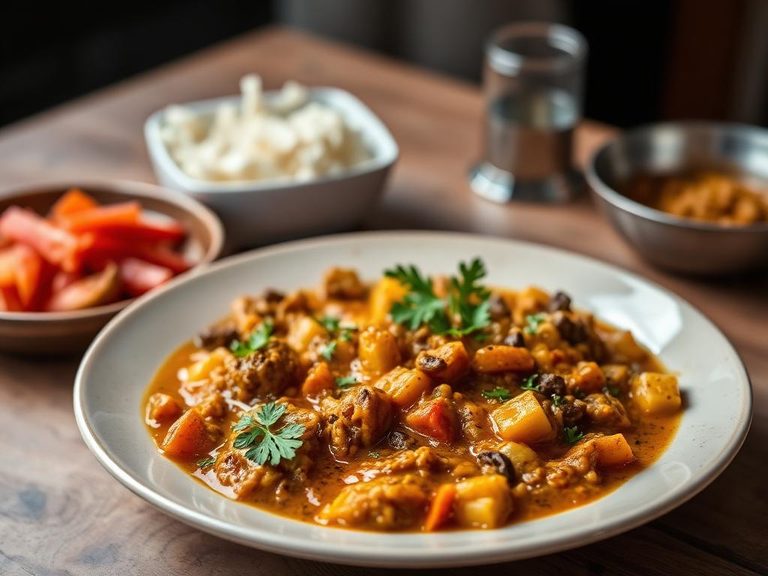
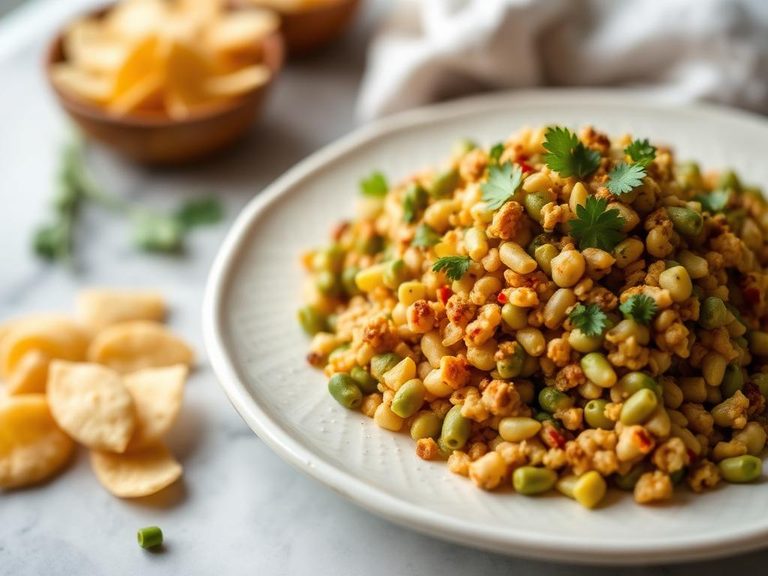
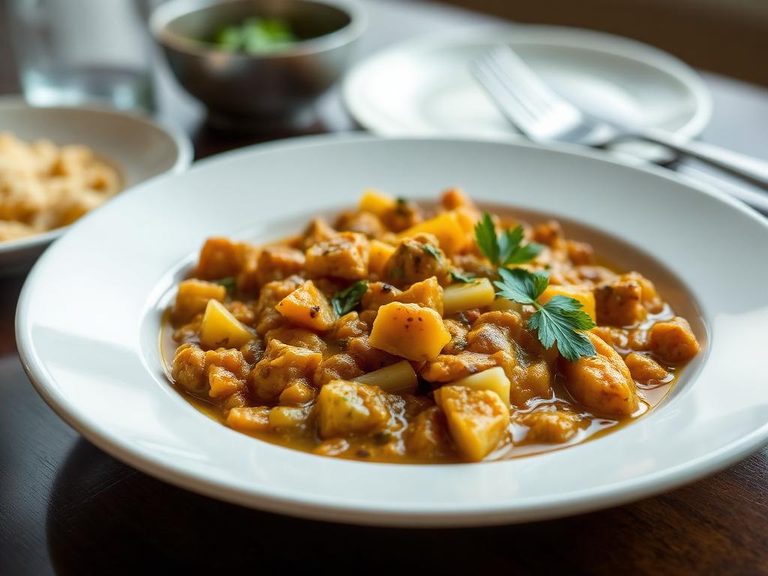
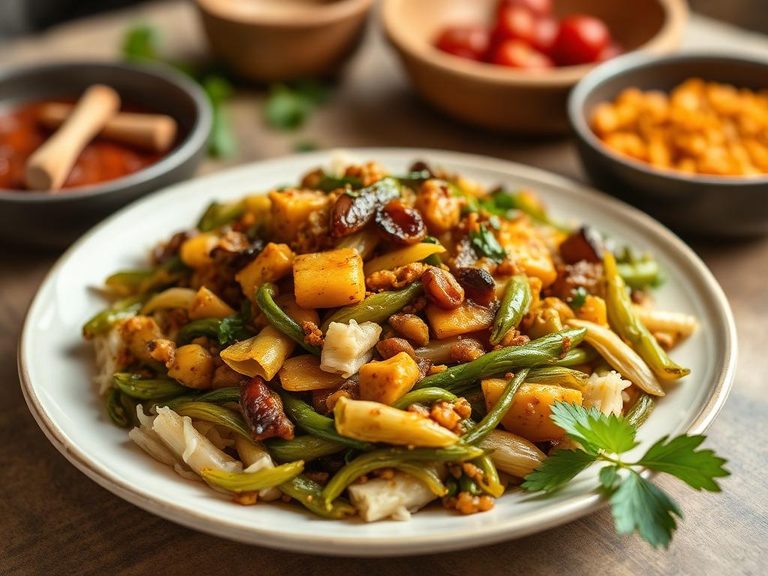
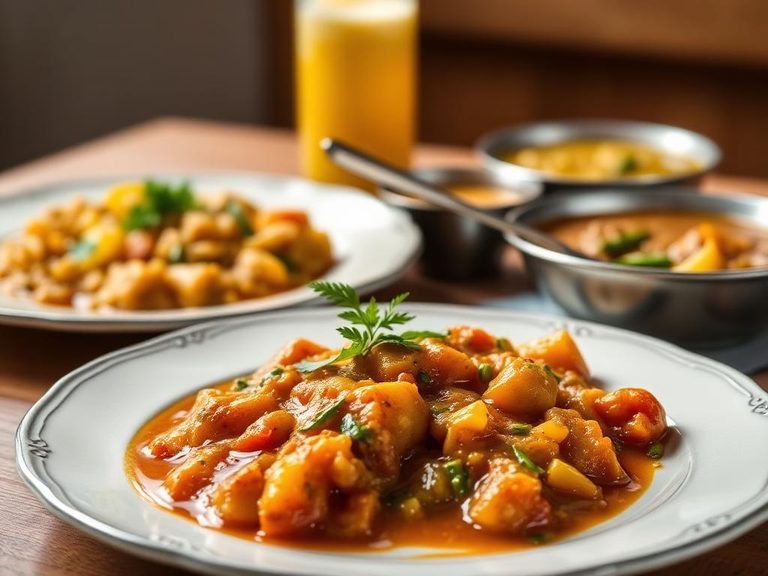
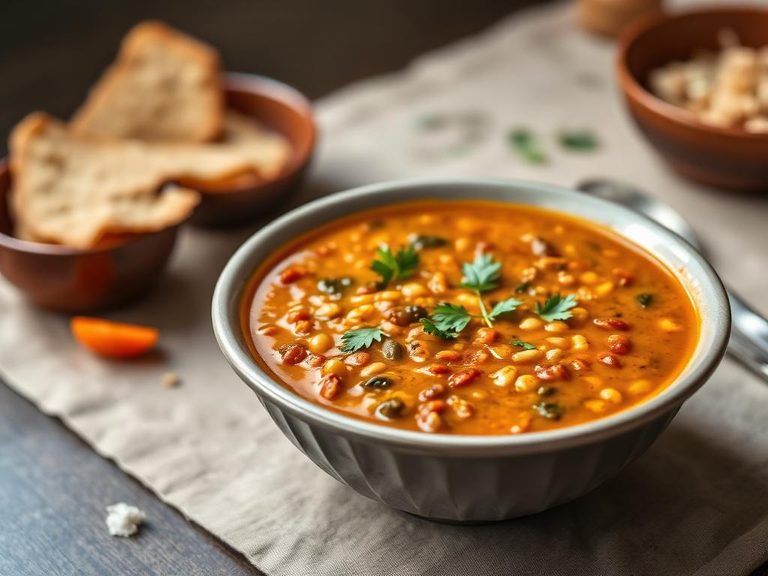
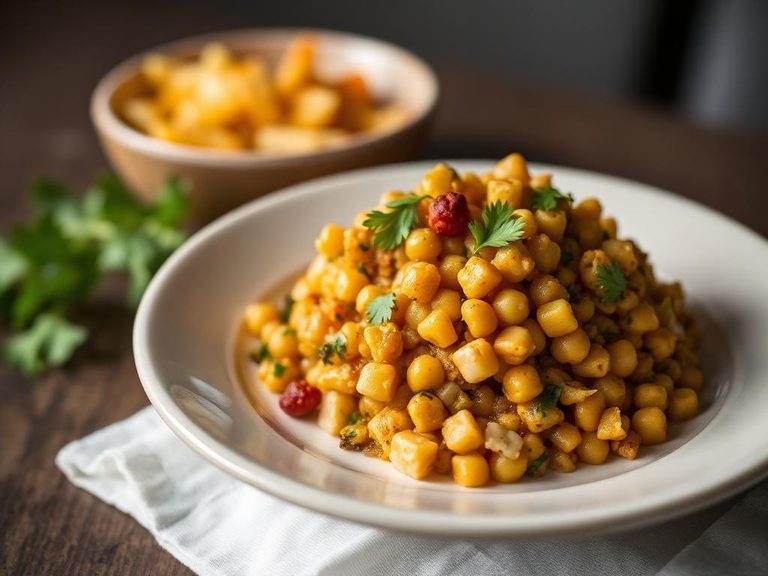
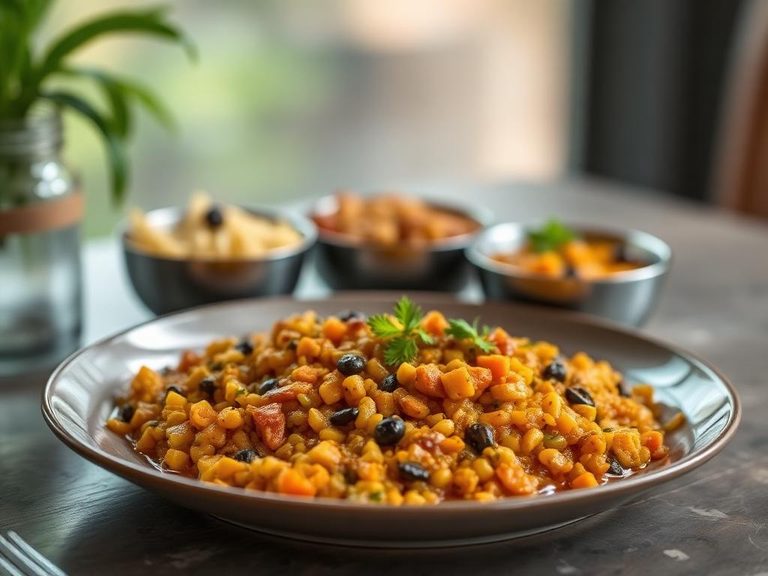
Indian-style Dal is a comforting, staple dish made from split pulses like lentils, peas, or beans, simmered with aromatic spices and often tomatoes or onions. It is a fundamental part of daily meals across the Indian subcontinent, with countless regional variations. The dish is typically served hot with rice or flatbreads like roti or naan.
🍽️ Nutrition at a glance
Dal is a high-protein, plant-based dish that is also a good source of complex carbohydrates and dietary fiber. A typical serving provides a substantial amount of iron, folate, and potassium, with a calorie range of approximately 200-300 kcal.
Nutrition breakdown
| Calories | 250 kcal |
| Protein | 15 g |
| Carbs | 40 g |
| Fat | 4 g |
| Fiber | 10 g |
| Sugar | 5 g |
| Sodium | 480 mg |
| Potassium | 550 mg |
| Iron | 4.5 mg |
| Folate | 320 mcg |
| Magnesium | 70 mg |
| Phosphorus | 220 mg |
| Zinc | 2.5 mg |
| Vitamin B6 | 0.4 mg |
| Thiamin | 0.3 mg |
Per 1 cup (240 g) · estimated, varies by recipe
💡 What's interesting
Culturally, dal is a unifying dish with a unique 'tadka' or tempering technique where spices are bloomed in hot oil or ghee and poured over the cooked lentils, unlocking deep flavors. Nutritionally, combining dal with grains like rice creates a complete protein, making it a cornerstone of vegetarian diets.