

Bulgur, dry
Whole food · Cereal Grains and Pasta

Photo: Wikipedia
Bulgur is a parboiled, dried, and cracked wheat kernel with a nutty, earthy flavor and a pleasantly chewy, slightly fluffy texture. Nutritionally, it's a fiber powerhouse, offering over a third of your daily needs in a single serving, alongside a solid plant-based protein boost. Its low fat and sugar content make it a wholesome, whole-grain staple.
Calorie split: 13% protein · 83% carbs · 3% fat
↓ Full nutrition💚 Why it's loved
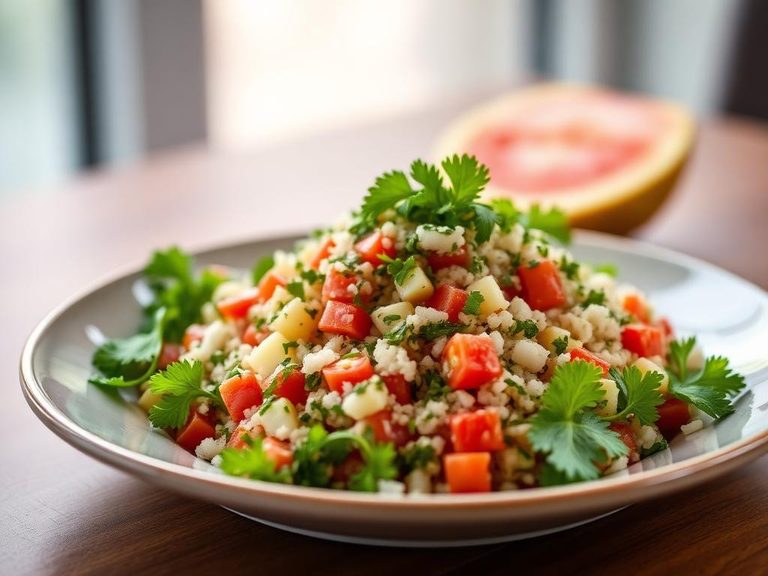
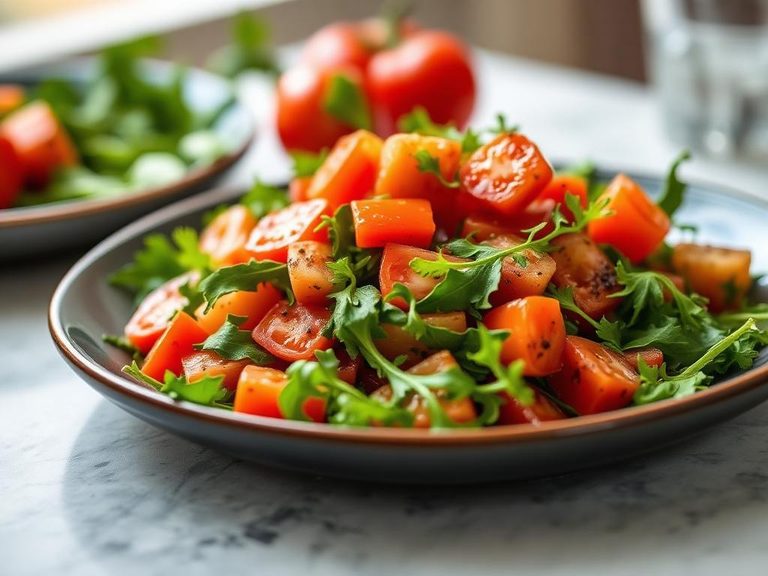
People adore bulgur for its deep, nutty taste that acts as a perfect canvas for herbs, spices, and dressings, and its ability to absorb flavors beautifully. It's the beloved, hearty backbone of iconic dishes like tabbouleh, valued for its satisfying texture and cultural significance in Mediterranean and Middle Eastern cuisines.
⚠️ Watch-outs & how to enjoy it better
Its high fiber content can cause digestive discomfort like bloating or gas for those not accustomed to it, and it contains gluten, making it unsafe for those with celiac disease or gluten sensitivity. To ease digestion, start with smaller portions, ensure thorough cooking, and drink plenty of water. For gluten avoidance, substitute with quinoa or millet.
Key benefits
- Excellent source of dietary fiber for digestive health.
- Provides plant-based protein for muscle maintenance.
- Low in fat and contains no added sugars.
- Whole grain, rich in minerals like magnesium and manganese.
- Quick-cooking compared to other whole grains.
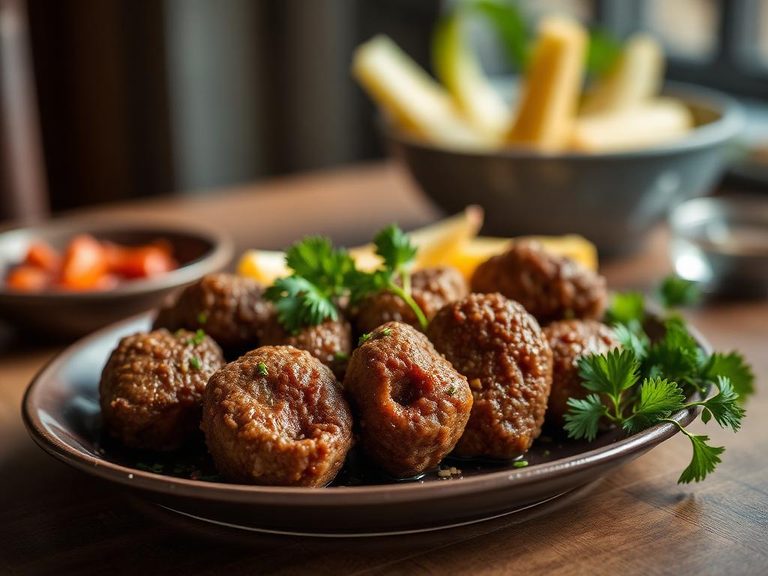
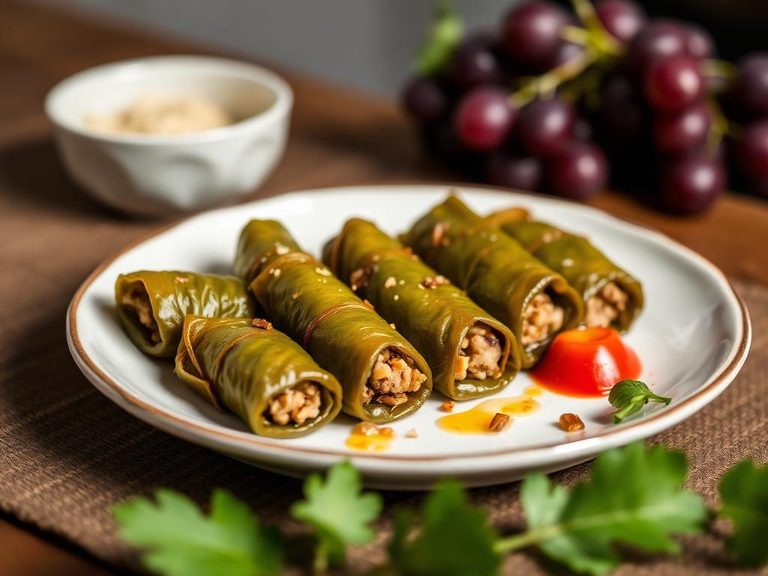
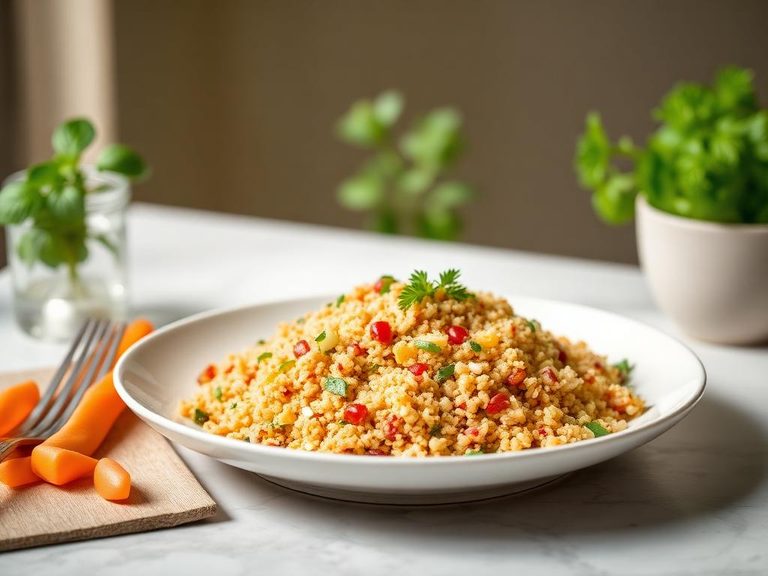
🍽️ Popular dishes
🌍 Where it's eaten
💡 Did you know?
Bulgur is one of the oldest prepared foods in human history, with evidence of its use dating back to the ancient Hittites in Anatolia around 1000 BC.
Full nutrition (USDA data · scales with serving)
| Water | 9.0 g |
| Energy | 342 kcal |
| Energy | 1431 kj |
| Protein | 12.3 g |
| Total lipid (fat) | 1.3 g |
| Ash | 1.5 g |
| Carbohydrate, by difference | 75.9 g |
| Fiber, total dietary | 12.5 g |
| Total Sugars | 0.41 g |
| Calcium, Ca | 35.0 mg |
| Iron, Fe | 2.5 mg |
| Magnesium, Mg | 164 mg |
| Phosphorus, P | 300 mg |
| Potassium, K | 410 mg |
| Sodium, Na | 17.0 mg |
| Zinc, Zn | 1.9 mg |
| Copper, Cu | 0.34 mg |
| Manganese, Mn | 3.0 mg |
| Selenium, Se | 2.3 ug |
| Vitamin C, total ascorbic acid | 0.00 mg |
| Thiamin | 0.23 mg |
| Riboflavin | 0.12 mg |
| Niacin | 5.1 mg |
| Pantothenic acid | 1.0 mg |
| Vitamin B-6 | 0.34 mg |
| Folate, total | 27.0 ug |
| Folic acid | 0.00 ug |
| Folate, food | 27.0 ug |
| Folate, DFE | 27.0 ug |
| Choline, total | 28.1 mg |
| Vitamin B-12 | 0.00 ug |
| Vitamin B-12, added | 0.00 ug |
| Vitamin A, RAE | 0.00 ug |
| Retinol | 0.00 ug |
| Carotene, beta | 5.0 ug |
| Carotene, alpha | 0.00 ug |
| Cryptoxanthin, beta | 0.00 ug |
| Vitamin A, IU | 9.0 iu |
| Lycopene | 0.00 ug |
| Lutein + zeaxanthin | 220 ug |
| Vitamin E (alpha-tocopherol) | 0.06 mg |
| Vitamin E, added | 0.00 mg |
| Vitamin D (D2 + D3), International Units | 0.00 iu |
| Vitamin D (D2 + D3) | 0.00 ug |
| Vitamin K (phylloquinone) | 1.9 ug |
| Alcohol, ethyl | 0.00 g |
| Caffeine | 0.00 mg |
| Theobromine | 0.00 mg |
Fat & fatty acid profile (per 100g)
| Fatty acids, total saturated | 0.23 g |
| SFA 4:0 | 0.00 g |
| SFA 6:0 | 0.00 g |
| SFA 8:0 | 0.01 g |
| SFA 10:0 | 0.00 g |
| SFA 12:0 | 0.00 g |
| SFA 14:0 | 0.00 g |
| SFA 16:0 | 0.20 g |
| SFA 18:0 | 0.01 g |
| Fatty acids, total monounsaturated | 0.17 g |
| MUFA 16:1 | 0.01 g |
| MUFA 18:1 | 0.17 g |
| MUFA 20:1 | 0.00 g |
| MUFA 22:1 | 0.00 g |
| Fatty acids, total polyunsaturated | 0.54 g |
| PUFA 18:2 | 0.52 g |
| PUFA 18:3 | 0.02 g |
| PUFA 18:4 | 0.00 g |
| PUFA 20:4 | 0.00 g |
| PUFA 20:5 n-3 (EPA) | 0.00 g |
| PUFA 22:5 n-3 (DPA) | 0.00 g |
| PUFA 22:6 n-3 (DHA) | 0.00 g |
| Cholesterol | 0.00 mg |
Amino acid profile (per 100g)
| Tryptophan | 0.19 g |
| Threonine | 0.35 g |
| Isoleucine | 0.46 g |
| Leucine | 0.83 g |
| Lysine | 0.34 g |
| Methionine | 0.19 g |
| Cystine | 0.28 g |
| Phenylalanine | 0.58 g |
| Tyrosine | 0.36 g |
| Valine | 0.55 g |
| Arginine | 0.57 g |
| Histidine | 0.28 g |
| Alanine | 0.44 g |
| Aspartic acid | 0.63 g |
| Glutamic acid | 3.9 g |
| Glycine | 0.49 g |
| Proline | 1.3 g |
| Serine | 0.58 g |
FAQ
What's the difference between bulgur and cracked wheat?
Bulgur is parboiled (pre-cooked) before drying and cracking, which gives it its quick-cooking property and nuttier flavor. Cracked wheat is raw, uncooked wheat that has been simply crushed, requiring a longer cooking time.
How do I cook bulgur?
For most recipes, use a 1:2 ratio of bulgur to water or broth. Bring the liquid to a boil, add bulgur, reduce heat, cover, and simmer for about 10-15 minutes until tender and liquid is absorbed. Alternatively, you can steep it in boiling water off-heat for 20-30 minutes.
Is bulgur gluten-free?
No, bulgur is made from wheat and contains gluten. It is not suitable for individuals with celiac disease or non-celiac gluten sensitivity. Gluten-free alternatives include quinoa, millet, or buckwheat.
Nutrient density (calculated · NRF9.3)
Nutrient Rich Foods index: beneficial nutrients (protein, fiber, vitamins, minerals) minus saturated fat, added sugar & sodium, per 100 kcal.
NRF9.3 index — Fulgoni, Keast & Drewnowski, 2009. Computed from USDA nutrients.
Weight-loss friendliness (composite index)
Energy density 3.42 kcal/g · 14% calories from protein · 12.5 g fiber · 0.4 g sugar per 100 g.
Composite of energy density (Rolls et al., 1999), protein & fiber satiety, minus sugar. A calculated heuristic — ranks satiety-per-calorie, not a clinical measure.
Dietary load (calculated from USDA values)
Potential renal acid load. Positive = acid-forming, negative = alkaline-forming.
Sodium-to-potassium ratio: 0.04 (lower is better — aim for ≤ 1)
Sodium:potassium per WHO potassium guidance. Computed from USDA nutrients.