

Bulgur pilaf

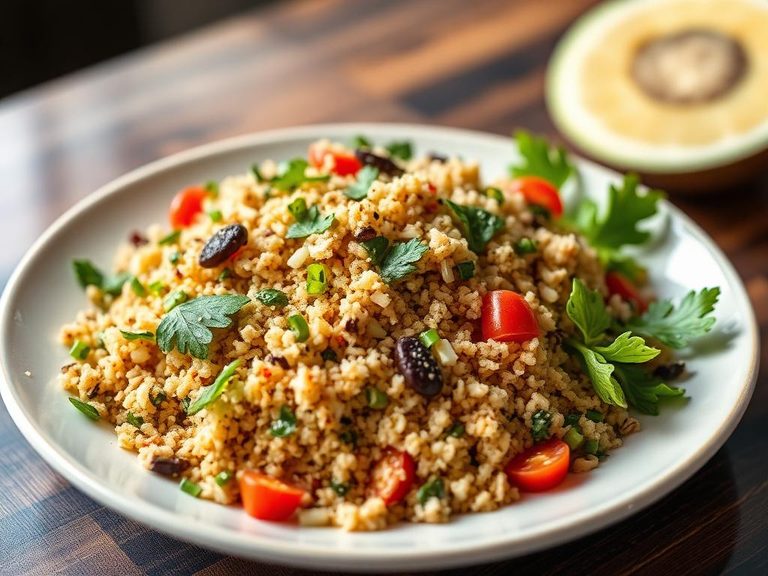
Bulgur pilaf is a hearty, savory dish made by simmering cracked bulgur wheat in broth or water, often with aromatic vegetables like onions, tomatoes, and peppers. It is a staple in Middle Eastern, Mediterranean, and Anatolian cuisines, where it serves as a comforting and versatile side or main course.
🍽️ Nutrition at a glance
Bulgur pilaf is a good source of complex carbohydrates and dietary fiber, providing sustained energy and supporting digestive health. A typical one-cup serving contains around 150-200 calories, with minimal fat and a moderate amount of plant-based protein.
Nutrition breakdown
| Calories | 176 kcal |
| Protein | 5.6 g |
| Carbs | 36.8 g |
| Fat | 1 g |
| Fiber | 8.2 g |
| Sugar | 0.8 g |
| Sodium | 10 mg |
| Manganese | 1.5 mg |
| Magnesium | 58 mg |
| Phosphorus | 125 mg |
| Iron | 1.8 mg |
| Thiamin (B1) | 0.1 mg |
| Niacin (B3) | 2.5 mg |
| Folate | 24 mcg |
| Zinc | 1.2 mg |
Per 1 cup (185 g) · estimated, varies by recipe
💡 What's interesting
Culturally, bulgur pilaf is a key component of dishes like kisir and is often featured in traditional meals during fasting periods like Ramadan due to its simplicity and nutritional value. Nutritionally, bulgur has a lower glycemic index than white rice, making it a favorable choice for blood sugar management.
🍽️ Related dishes




AI estimate may be inaccurate · Terms