

Bread, white, commercially prepared, low sodium, no salt
Whole food · Baked Products

Photo: Wikipedia
This is a soft, pillowy white bread made without added salt, offering a mild, subtly sweet wheat flavor and a tender crumb. Its low sodium content makes it a standout choice for those monitoring salt intake, while providing a good source of carbohydrates for energy. The texture is classic sandwich bread—light, airy, and perfect for toasting or layering with fillings.
Calorie split: 12% protein · 75% carbs · 12% fat
↓ Full nutrition💚 Why it's loved
People love it for its neutral, comforting flavor and soft texture that acts as a perfect canvas for everything from peanut butter to deli meats. Its mildness makes it universally palatable, especially for children and those sensitive to strong flavors.
⚠️ Watch-outs & how to enjoy it better
As a refined carbohydrate, it can cause rapid blood sugar spikes, which is a concern for diabetics or those managing insulin resistance. To counteract this, always pair it with a source of protein (like eggs or turkey) or healthy fat (like avocado) to slow digestion. It also lacks the fiber and nutrients of whole-grain bread, so it shouldn't be the sole grain in your diet.
Key benefits
- Very low in sodium, supporting heart and blood pressure health.
- Good source of quick-release energy from carbohydrates.
- Provides some dietary fiber and a modest amount of plant-based protein.
- Versatile base for both sweet and savory meals.
- Often fortified with B vitamins like thiamin and niacin.
🍽️ Popular dishes
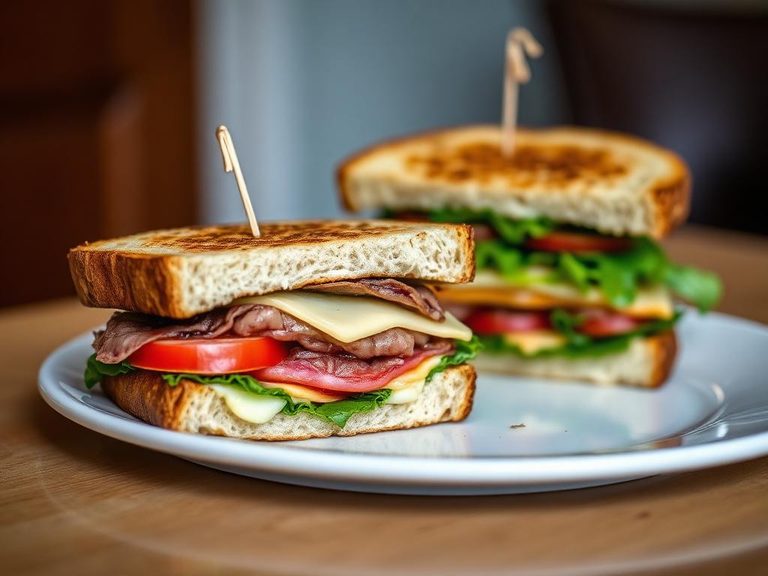

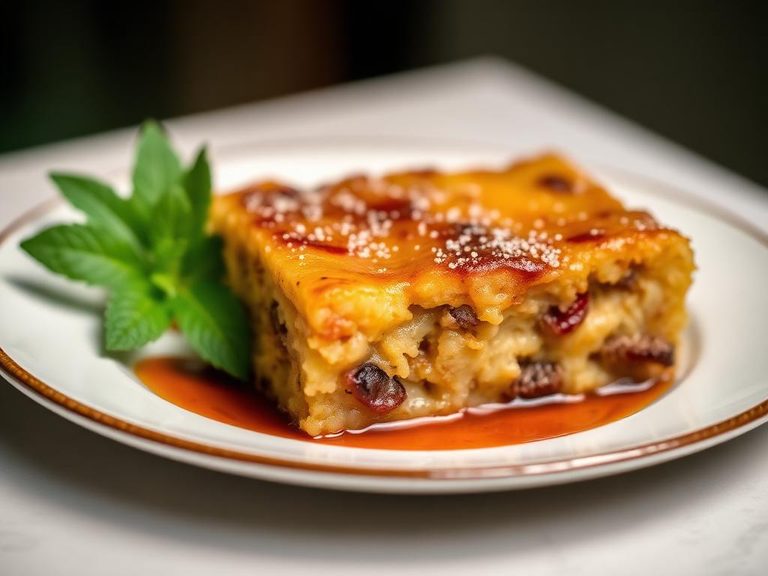
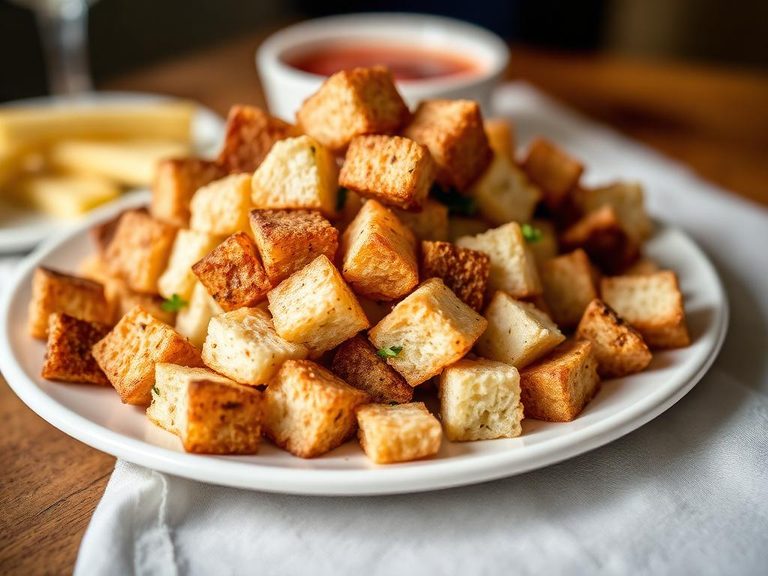

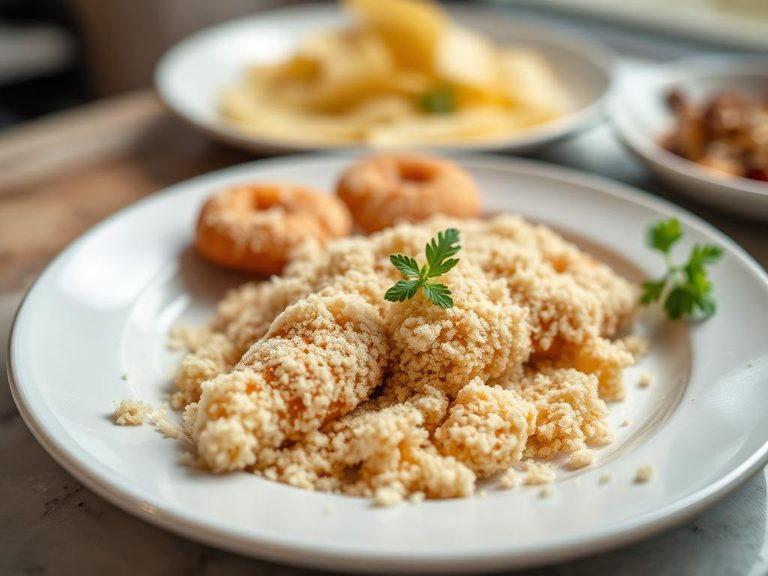
🌍 Where it's eaten
💡 Did you know?
Commercial white bread is often 'enriched,' meaning after processing strips away natural nutrients, manufacturers add back iron and B vitamins like folic acid, which has helped reduce neural tube defects in newborns.
Full nutrition (USDA data · scales with serving)
| Water | 36.7 g |
| Energy | 267 kcal |
| Energy | 1116 kj |
| Protein | 8.2 g |
| Total lipid (fat) | 3.6 g |
| Ash | 1.9 g |
| Carbohydrate, by difference | 49.6 g |
| Fiber, total dietary | 2.3 g |
| Total Sugars | 4.3 g |
| Calcium, Ca | 108 mg |
| Iron, Fe | 3.0 mg |
| Magnesium, Mg | 24.0 mg |
| Phosphorus, P | 94.0 mg |
| Potassium, K | 119 mg |
| Sodium, Na | 298 mg |
| Zinc, Zn | 0.62 mg |
| Copper, Cu | 0.13 mg |
| Manganese, Mn | 0.38 mg |
| Selenium, Se | 22.6 ug |
| Vitamin C, total ascorbic acid | 0.00 mg |
| Thiamin | 0.47 mg |
| Riboflavin | 0.34 mg |
| Niacin | 4.0 mg |
| Pantothenic acid | 0.39 mg |
| Vitamin B-6 | 0.06 mg |
| Folate, total | 111 ug |
| Folic acid | 86.0 ug |
| Folate, food | 25.0 ug |
| Folate, DFE | 171 ug |
| Choline, total | 14.6 mg |
| Vitamin B-12 | 0.03 ug |
| Vitamin B-12, added | 0.00 ug |
| Vitamin A, RAE | 0.00 ug |
| Retinol | 0.00 ug |
| Carotene, beta | 0.00 ug |
| Carotene, alpha | 0.00 ug |
| Cryptoxanthin, beta | 0.00 ug |
| Vitamin A, IU | 1.0 iu |
| Lycopene | 0.00 ug |
| Lutein + zeaxanthin | 44.0 ug |
| Vitamin E (alpha-tocopherol) | 0.22 mg |
| Vitamin E, added | 0.00 mg |
| Vitamin D (D2 + D3), International Units | 0.00 iu |
| Vitamin D (D2 + D3) | 0.00 ug |
| Vitamin K (phylloquinone) | 3.1 ug |
| Alcohol, ethyl | 0.00 g |
| Caffeine | 0.00 mg |
| Theobromine | 0.00 mg |
Fat & fatty acid profile (per 100g)
| Fatty acids, total saturated | 0.81 g |
| SFA 4:0 | 0.00 g |
| SFA 6:0 | 0.00 g |
| SFA 8:0 | 0.00 g |
| SFA 10:0 | 0.00 g |
| SFA 12:0 | 0.00 g |
| SFA 14:0 | 0.01 g |
| SFA 16:0 | 0.47 g |
| SFA 18:0 | 0.33 g |
| Fatty acids, total monounsaturated | 1.6 g |
| MUFA 16:1 | 0.01 g |
| MUFA 18:1 | 1.6 g |
| MUFA 20:1 | 0.00 g |
| MUFA 22:1 | 0.00 g |
| Fatty acids, total polyunsaturated | 0.74 g |
| PUFA 18:2 | 0.71 g |
| PUFA 18:3 | 0.04 g |
| PUFA 18:4 | 0.00 g |
| PUFA 20:4 | 0.00 g |
| PUFA 20:5 n-3 (EPA) | 0.00 g |
| PUFA 22:5 n-3 (DPA) | 0.00 g |
| PUFA 22:6 n-3 (DHA) | 0.00 g |
| Cholesterol | 1.0 mg |
Amino acid profile (per 100g)
| Tryptophan | 0.10 g |
| Threonine | 0.24 g |
| Isoleucine | 0.32 g |
| Leucine | 0.58 g |
| Lysine | 0.22 g |
| Methionine | 0.14 g |
| Cystine | 0.17 g |
| Phenylalanine | 0.40 g |
| Tyrosine | 0.24 g |
| Valine | 0.36 g |
| Arginine | 0.32 g |
| Histidine | 0.18 g |
| Alanine | 0.28 g |
| Aspartic acid | 0.41 g |
| Glutamic acid | 2.7 g |
| Glycine | 0.29 g |
| Proline | 0.88 g |
| Serine | 0.40 g |
FAQ
How does 'no salt added' white bread differ from regular white bread?
The primary difference is sodium content. Regular white bread can have 150-200mg of sodium per slice, while 'no salt added' versions have close to 0mg. This makes it a critical choice for people on low-sodium diets for medical reasons.
Is this bread gluten-free?
No. Unless explicitly labeled 'gluten-free,' white bread is made from wheat flour and contains gluten, making it unsuitable for people with celiac disease or gluten sensitivity.
Why is the sugar content listed if it doesn't taste very sweet?
The sugar (often from added sugars or malt) serves multiple purposes: it feeds the yeast for a better rise, aids in browning the crust, and softens the crumb. The amount is typically small (about 1g per slice) but contributes to the total carbohydrate count.
Nutrient density (calculated · NRF9.3)
Nutrient Rich Foods index: beneficial nutrients (protein, fiber, vitamins, minerals) minus saturated fat, added sugar & sodium, per 100 kcal.
NRF9.3 index — Fulgoni, Keast & Drewnowski, 2009. Computed from USDA nutrients.
Weight-loss friendliness (composite index)
Energy density 2.67 kcal/g · 12% calories from protein · 2.3 g fiber · 4.3 g sugar per 100 g.
Composite of energy density (Rolls et al., 1999), protein & fiber satiety, minus sugar. A calculated heuristic — ranks satiety-per-calorie, not a clinical measure.
Dietary load (calculated from USDA values)
Potential renal acid load. Positive = acid-forming, negative = alkaline-forming.
Sodium-to-potassium ratio: 2.50 (lower is better — aim for ≤ 1)
Sodium:potassium per WHO potassium guidance. Computed from USDA nutrients.