

Beverages, water, tap, municipal
Whole food · Beverages
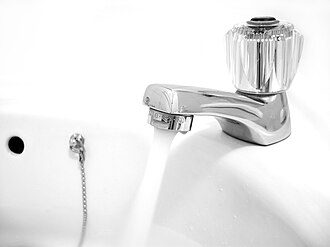
Photo: Wikipedia
Tap water is the clear, odorless, and tasteless liquid delivered to homes through a municipal treatment and distribution system. It is the ultimate zero-calorie beverage, providing pure hydration without any protein, fat, carbs, or sugar. Its mineral content varies by source, often including trace amounts of calcium, magnesium, and fluoride.
💚 Why it's loved
People love tap water for its immediate accessibility, neutral taste that pairs with any food, and its fundamental role in daily life—from cooking and making coffee to quenching thirst after exercise. It represents a basic, reliable public utility.
⚠️ Watch-outs & how to enjoy it better
Some may dislike the taste of chlorine or mineral additives, or be concerned about potential contaminants like lead from old pipes. To counteract taste, use a carbon filter pitcher or let water sit in an open container. For lead concerns, always use cold water for cooking/drinking and let the tap run for 30 seconds if it hasn't been used for hours.
Key benefits
- Essential for all bodily functions and cellular hydration
- Zero calories, supporting weight management
- Fluoridation in many systems helps prevent tooth decay
- Cost-effective and environmentally preferable to bottled water
- Convenient for cooking, cleaning, and daily consumption
🍽️ Popular dishes

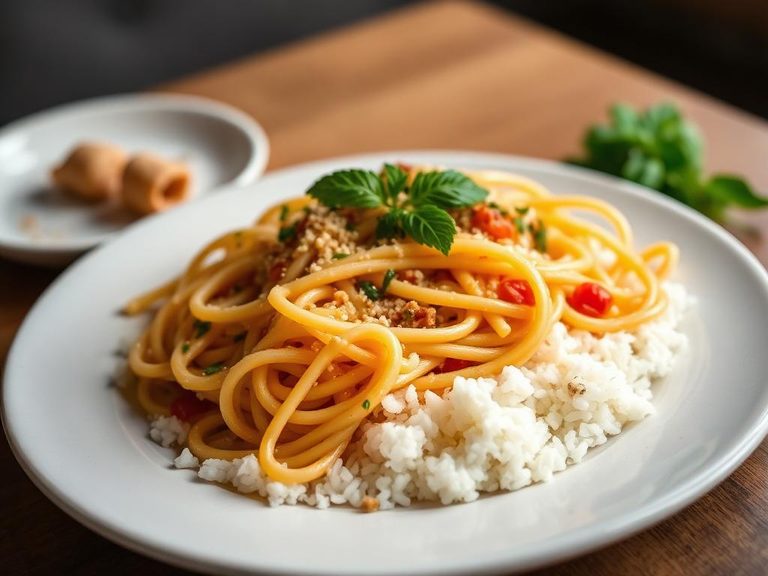
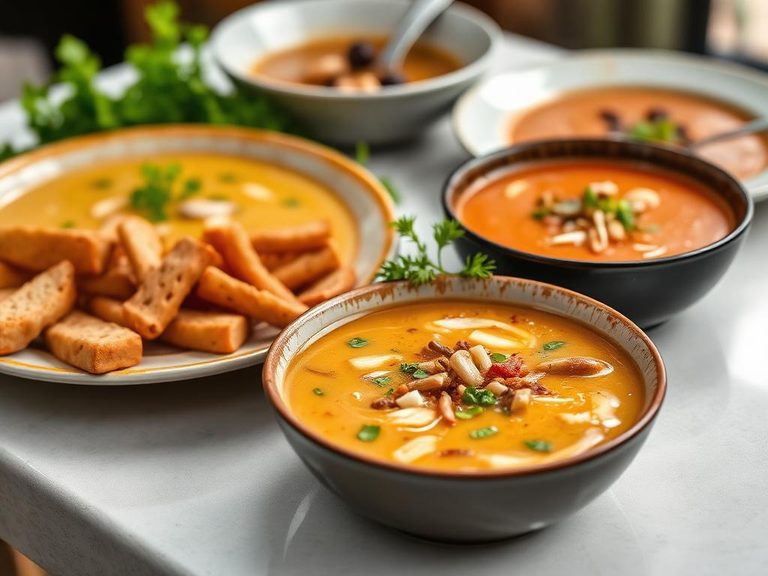
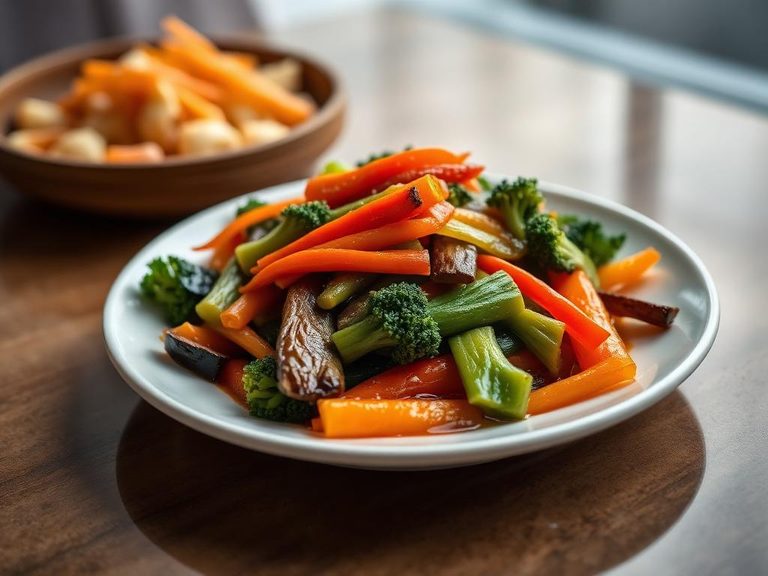
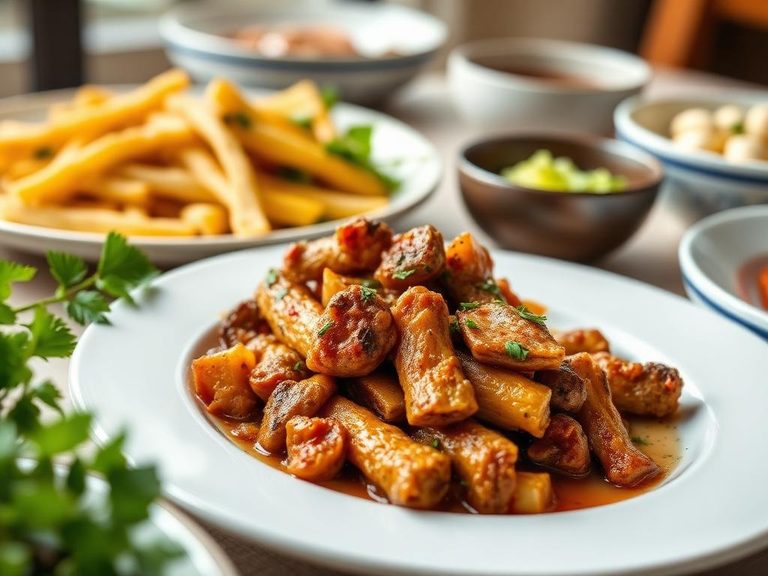
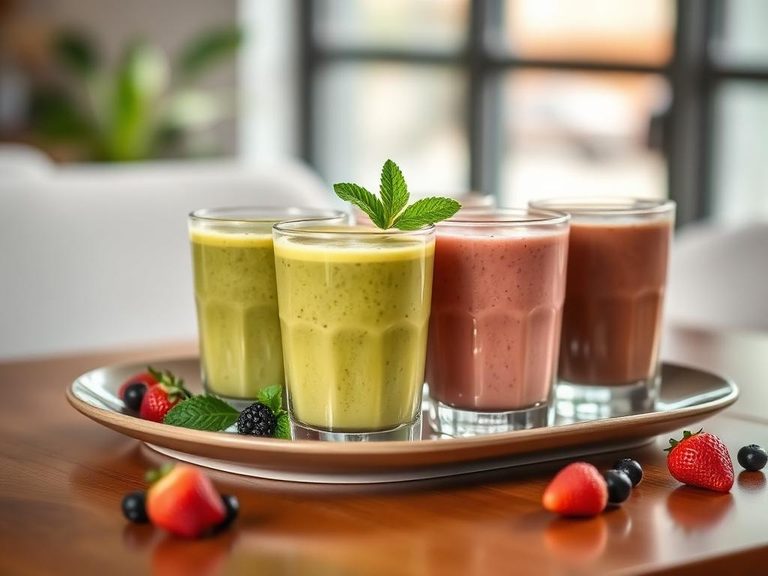
🌍 Where it's eaten
💡 Did you know?
The water in your tap today may have been part of a cloud, a dinosaur's drink, or a glacier thousands of years ago, as Earth's water is continuously recycled through the hydrologic cycle.
Full nutrition (USDA data · scales with serving)
| Water | 99.9 g |
| Energy | 0.00 kcal |
| Energy | 0.00 kj |
| Protein | 0.00 g |
| Total lipid (fat) | 0.00 g |
| Ash | 0.10 g |
| Carbohydrate, by difference | 0.00 g |
| Fiber, total dietary | 0.00 g |
| Total Sugars | 0.00 g |
| Calcium, Ca | 3.0 mg |
| Iron, Fe | 0.00 mg |
| Magnesium, Mg | 1.0 mg |
| Phosphorus, P | 0.00 mg |
| Potassium, K | 1.0 mg |
| Sodium, Na | 3.0 mg |
| Zinc, Zn | 0.00 mg |
| Copper, Cu | 0.01 mg |
| Manganese, Mn | 0.00 mg |
| Selenium, Se | 0.00 ug |
| Fluoride, F | 81.1 ug |
| Vitamin C, total ascorbic acid | 0.00 mg |
| Thiamin | 0.00 mg |
| Riboflavin | 0.00 mg |
| Niacin | 0.00 mg |
| Pantothenic acid | 0.00 mg |
| Vitamin B-6 | 0.00 mg |
| Folate, total | 0.00 ug |
| Folic acid | 0.00 ug |
| Folate, food | 0.00 ug |
| Folate, DFE | 0.00 ug |
| Choline, total | 0.00 mg |
| Vitamin B-12 | 0.00 ug |
| Vitamin B-12, added | 0.00 ug |
| Vitamin A, RAE | 0.00 ug |
| Retinol | 0.00 ug |
| Carotene, beta | 0.00 ug |
| Carotene, alpha | 0.00 ug |
| Cryptoxanthin, beta | 0.00 ug |
| Vitamin A, IU | 0.00 iu |
| Lycopene | 0.00 ug |
| Lutein + zeaxanthin | 0.00 ug |
| Vitamin E (alpha-tocopherol) | 0.00 mg |
| Vitamin E, added | 0.00 mg |
| Vitamin D (D2 + D3), International Units | 0.00 iu |
| Vitamin D (D2 + D3) | 0.00 ug |
| Vitamin K (phylloquinone) | 0.00 ug |
| Alcohol, ethyl | 0.00 g |
| Caffeine | 0.00 mg |
| Theobromine | 0.00 mg |
Fat & fatty acid profile (per 100g)
| Fatty acids, total saturated | 0.00 g |
| SFA 4:0 | 0.00 g |
| SFA 6:0 | 0.00 g |
| SFA 8:0 | 0.00 g |
| SFA 10:0 | 0.00 g |
| SFA 12:0 | 0.00 g |
| SFA 14:0 | 0.00 g |
| SFA 16:0 | 0.00 g |
| SFA 18:0 | 0.00 g |
| Fatty acids, total monounsaturated | 0.00 g |
| MUFA 16:1 | 0.00 g |
| MUFA 18:1 | 0.00 g |
| MUFA 20:1 | 0.00 g |
| MUFA 22:1 | 0.00 g |
| Fatty acids, total polyunsaturated | 0.00 g |
| PUFA 18:2 | 0.00 g |
| PUFA 18:3 | 0.00 g |
| PUFA 18:4 | 0.00 g |
| PUFA 20:4 | 0.00 g |
| PUFA 20:5 n-3 (EPA) | 0.00 g |
| PUFA 22:5 n-3 (DPA) | 0.00 g |
| PUFA 22:6 n-3 (DHA) | 0.00 g |
| Fatty acids, total trans | 0.00 g |
| Cholesterol | 0.00 mg |
Amino acid profile (per 100g)
Estimated from Beverages, carbonated, tonic water — USDA does not publish this profile for Beverages.
| Tryptophan | 0.00 g |
| Threonine | 0.00 g |
| Isoleucine | 0.00 g |
| Leucine | 0.00 g |
| Lysine | 0.00 g |
| Methionine | 0.00 g |
| Cystine | 0.00 g |
| Phenylalanine | 0.00 g |
| Tyrosine | 0.00 g |
| Valine | 0.00 g |
| Arginine | 0.00 g |
| Histidine | 0.00 g |
| Alanine | 0.00 g |
| Aspartic acid | 0.00 g |
| Glutamic acid | 0.00 g |
| Glycine | 0.00 g |
| Proline | 0.00 g |
| Serine | 0.00 g |
FAQ
Is tap water safe to drink?
In most developed countries, yes. Municipal water is treated and tested to meet strict safety standards. Check your local water quality report for specifics.
Why does my tap water sometimes smell like chlorine?
Chlorine is added as a disinfectant to kill bacteria. The smell is normal and harmless. It dissipates if you leave water in an open pitcher in the fridge for a few hours.
How does tap water compare to bottled water?
Nutritionally, they are identical (zero calories). Tap water is regulated by the EPA, while bottled water is regulated by the FDA. Tap is far cheaper and creates less plastic waste.
Dietary load (calculated from USDA values)
Potential renal acid load. Positive = acid-forming, negative = alkaline-forming.
Sodium-to-potassium ratio: 3.00 (lower is better — aim for ≤ 1)
Sodium:potassium per WHO potassium guidance. Computed from USDA nutrients.