

Beverages, chocolate almond milk, unsweetened, shelf-stable, fortified with vitamin D2 and E
Whole food · Beverages

Photo: Wikipedia
This is a smooth, creamy, plant-based milk alternative made from almonds, fortified with vitamins D2 and E. It has a mild, nutty flavor with a slightly thin, non-dairy texture. Its standout feature is being an extremely low-calorie, sugar-free beverage that still provides a source of healthy fats and essential vitamins.
Calorie split: 15% protein · 23% carbs · 61% fat
↓ Full nutrition💚 Why it's loved
People love it as a light, creamy addition to coffee, smoothies, and cereal without adding significant calories or sugar. Its neutral, subtly nutty taste makes it a versatile staple in health-conscious and plant-based kitchens.
⚠️ Watch-outs & how to enjoy it better
As a nut-based product, it is a common allergen for those with tree nut sensitivities. Its low protein and carb content mean it's not a filling standalone drink. To use it in cooking or baking where richness is needed, you may need to combine it with a thicker ingredient like a banana or a small amount of oil.
Key benefits
- Very low calorie (21 kcal per 100g)
- Completely sugar-free
- Good source of vitamin D2 and E
- Provides healthy monounsaturated fats
- Dairy-free and vegan-friendly
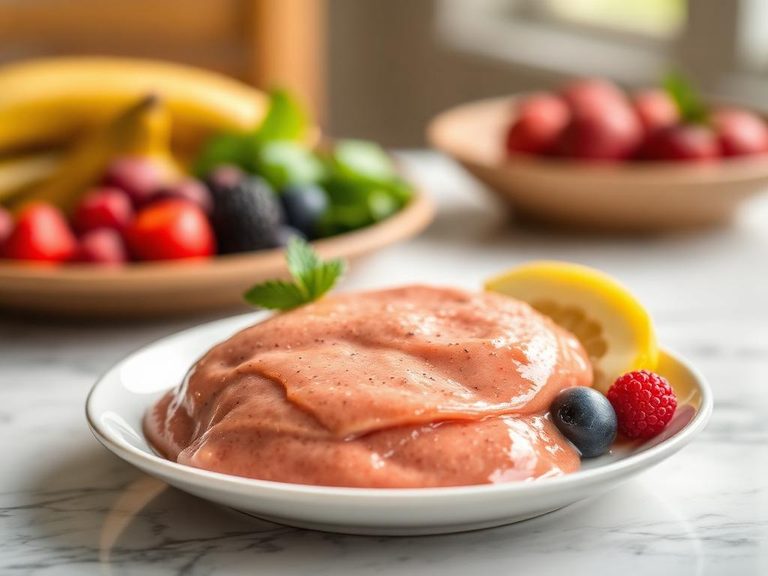
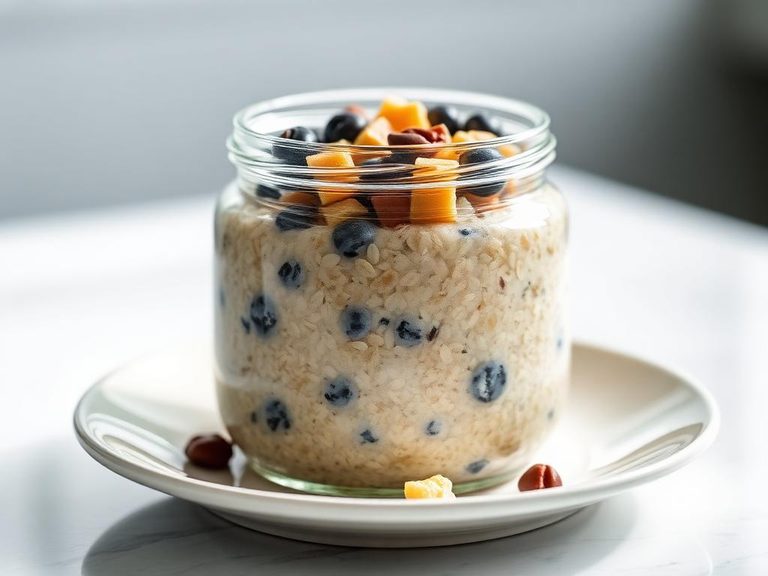
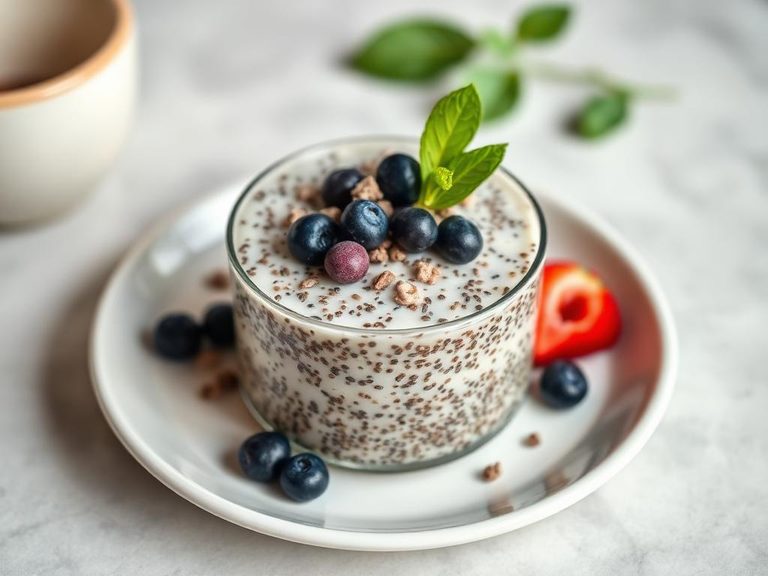
🍽️ Popular dishes

🌍 Where it's eaten
💡 Did you know?
Unsweetened varieties can have less than 1% of the sugar found in regular cow's milk, making it one of the lowest-sugar 'milk' options available.
Full nutrition (USDA data · scales with serving)
| Water | 95.8 g |
| Energy | 21.0 kcal |
| Energy | 90.0 kj |
| Protein | 0.83 g |
| Total lipid (fat) | 1.5 g |
| Ash | 0.68 g |
| Carbohydrate, by difference | 1.3 g |
| Fiber, total dietary | 0.40 g |
| Total Sugars | 0.00 g |
| Calcium, Ca | 188 mg |
| Iron, Fe | 0.45 mg |
| Magnesium, Mg | 10.0 mg |
| Phosphorus, P | 17.0 mg |
| Potassium, K | 96.0 mg |
| Sodium, Na | 75.0 mg |
| Zinc, Zn | 0.07 mg |
| Copper, Cu | 0.03 mg |
| Selenium, Se | 0.20 ug |
| Vitamin C, total ascorbic acid | 0.00 mg |
| Thiamin | 0.06 mg |
| Riboflavin | 0.05 mg |
| Niacin | 0.07 mg |
| Vitamin B-6 | 0.01 mg |
| Folate, total | 1.0 ug |
| Folic acid | 0.00 ug |
| Folate, food | 1.0 ug |
| Folate, DFE | 1.0 ug |
| Choline, total | 0.00 mg |
| Vitamin B-12 | 0.00 ug |
| Vitamin B-12, added | 0.00 ug |
| Vitamin A, RAE | 62.0 ug |
| Retinol | 62.0 ug |
| Carotene, beta | 0.00 ug |
| Carotene, alpha | 0.00 ug |
| Cryptoxanthin, beta | 0.00 ug |
| Vitamin A, IU | 208 iu |
| Lycopene | 0.00 ug |
| Lutein + zeaxanthin | 0.00 ug |
| Vitamin E (alpha-tocopherol) | 4.2 mg |
| Vitamin E, added | 2.8 mg |
| Vitamin D (D2 + D3), International Units | 42.0 iu |
| Vitamin D (D2 + D3) | 1.0 ug |
| Vitamin D2 (ergocalciferol) | 1.0 ug |
| Vitamin K (phylloquinone) | 0.00 ug |
| Alcohol, ethyl | 0.00 g |
| Caffeine | 0.00 mg |
| Theobromine | 5.0 mg |
Fat & fatty acid profile (per 100g)
| Fatty acids, total saturated | 0.00 g |
| SFA 4:0 | 0.00 g |
| SFA 6:0 | 0.00 g |
| SFA 8:0 | 0.00 g |
| SFA 10:0 | 0.00 g |
| SFA 12:0 | 0.00 g |
| SFA 14:0 | 0.00 g |
| SFA 16:0 | 0.00 g |
| SFA 18:0 | 0.00 g |
| Fatty acids, total monounsaturated | 0.73 g |
| MUFA 16:1 | 0.01 g |
| MUFA 18:1 | 0.72 g |
| MUFA 20:1 | 0.00 g |
| MUFA 22:1 | 0.00 g |
| Fatty acids, total polyunsaturated | 0.24 g |
| PUFA 18:2 | 0.24 g |
| PUFA 18:3 | 0.00 g |
| PUFA 18:4 | 0.00 g |
| PUFA 20:2 n-6 c,c | 0.00 g |
| PUFA 20:4 | 0.00 g |
| PUFA 20:5 n-3 (EPA) | 0.00 g |
| PUFA 22:5 n-3 (DPA) | 0.00 g |
| PUFA 22:6 n-3 (DHA) | 0.00 g |
| Fatty acids, total trans | 0.00 g |
| Cholesterol | 0.00 mg |
Amino acid profile (per 100g)
Estimated from Beverages, carbonated, tonic water — USDA does not publish this profile for Beverages.
| Tryptophan | 0.00 g |
| Threonine | 0.00 g |
| Isoleucine | 0.00 g |
| Leucine | 0.00 g |
| Lysine | 0.00 g |
| Methionine | 0.00 g |
| Cystine | 0.00 g |
| Phenylalanine | 0.00 g |
| Tyrosine | 0.00 g |
| Valine | 0.00 g |
| Arginine | 0.00 g |
| Histidine | 0.00 g |
| Alanine | 0.00 g |
| Aspartic acid | 0.00 g |
| Glutamic acid | 0.00 g |
| Glycine | 0.00 g |
| Proline | 0.00 g |
| Serine | 0.00 g |
FAQ
Can I use this for baking?
Yes, but it's very low in calories and sugar, so it won't add sweetness or richness. It works well in recipes where moisture is needed without altering the flavor profile, like in pancakes or muffins.
Why is it fortified with vitamins D2 and E?
Almonds naturally contain some vitamin E, but plant milks are fortified to mimic the nutritional profile of dairy milk, which is a common dietary source of vitamin D in many countries.
Is it suitable for a keto diet?
Yes, its very low carbohydrate and sugar content (1.25g carbs, 0g sugar per 100g) makes it a suitable beverage choice for most ketogenic diets.
Nutrient density (calculated · NRF9.3)
Nutrient Rich Foods index: beneficial nutrients (protein, fiber, vitamins, minerals) minus saturated fat, added sugar & sodium, per 100 kcal.
NRF9.3 index — Fulgoni, Keast & Drewnowski, 2009. Computed from USDA nutrients.
Weight-loss friendliness (composite index)
Energy density 0.21 kcal/g · 16% calories from protein · 0.4 g fiber · 0.0 g sugar per 100 g.
Composite of energy density (Rolls et al., 1999), protein & fiber satiety, minus sugar. A calculated heuristic — ranks satiety-per-calorie, not a clinical measure.
Dietary load (calculated from USDA values)
Potential renal acid load. Positive = acid-forming, negative = alkaline-forming.
Sodium-to-potassium ratio: 0.78 (lower is better — aim for ≤ 1)
Sodium:potassium per WHO potassium guidance. Computed from USDA nutrients.