

Beans, yellow, mature seeds, cooked, boiled, with salt
Whole food · Legumes and Legume Products

Photo: Wikipedia
Yellow wax beans, cooked to a tender yet slightly firm bite, offer a mild, buttery sweetness distinct from their green counterparts. Their vibrant pale-yellow hue adds a sunny pop to any plate, while their substantial fiber content (10.4g per 100g) makes them a satisfying, gut-friendly staple. With a respectable 9.16g of protein per 100g, they are a nutritious, low-fat addition to a balanced diet.
Calorie split: 25% protein · 69% carbs · 7% fat
↓ Full nutrition💚 Why it's loved
People love them for their buttery, mild flavor and satisfying texture that holds up well in both hot and cold dishes. Their versatility makes them a staple in everything from simple sautés to complex casseroles, and they are a cherished ingredient in many traditional home-cooked meals.
⚠️ Watch-outs & how to enjoy it better
The added salt in the preparation can be a concern for those monitoring sodium intake, potentially contributing to water retention or high blood pressure. To counteract this, choose low-sodium varieties, rinse them briefly, or pair them with potassium-rich foods like tomatoes or avocados. Their high fiber content, while beneficial, may cause bloating in some individuals; gradual introduction and thorough chewing can help mitigate this.
Key benefits
- High in dietary fiber for digestive health
- Good source of plant-based protein
- Low in fat and sugar
- Rich in essential minerals like manganese and folate
- Provides antioxidants like lutein and beta-carotene
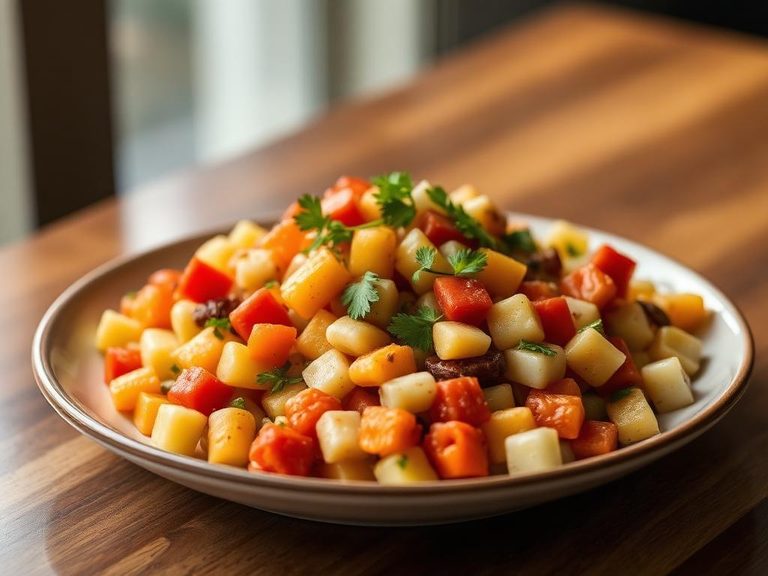
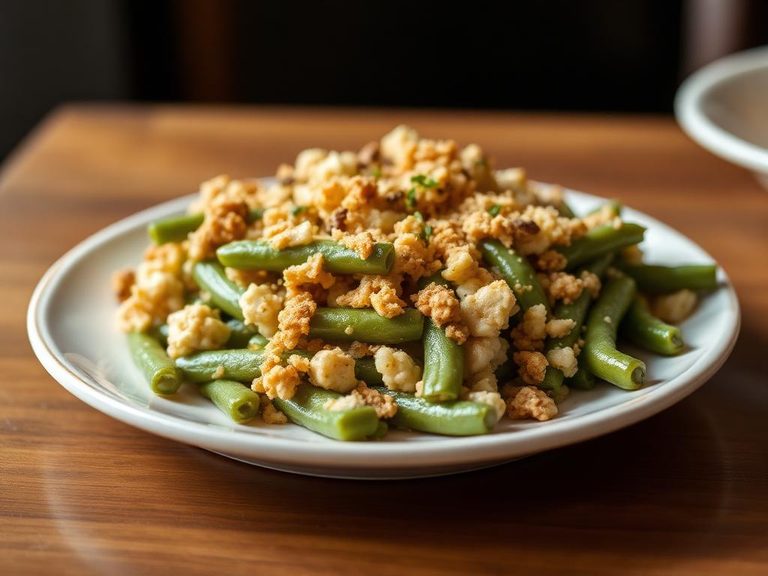
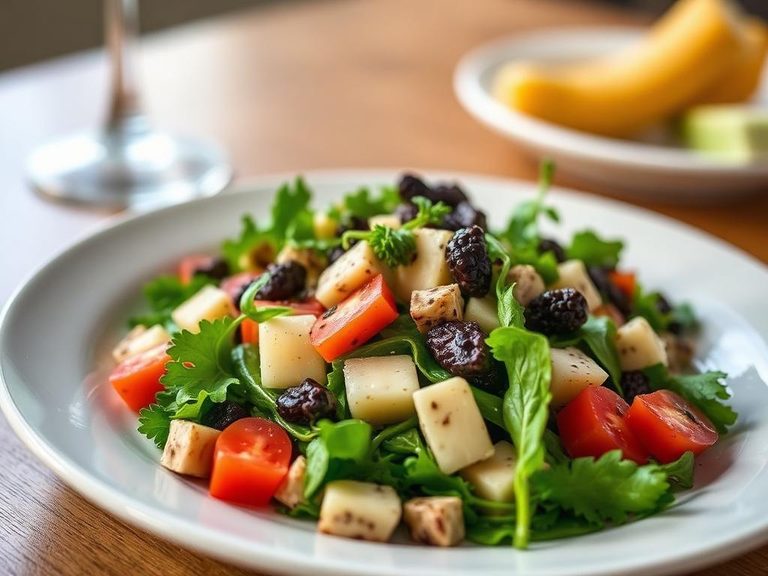
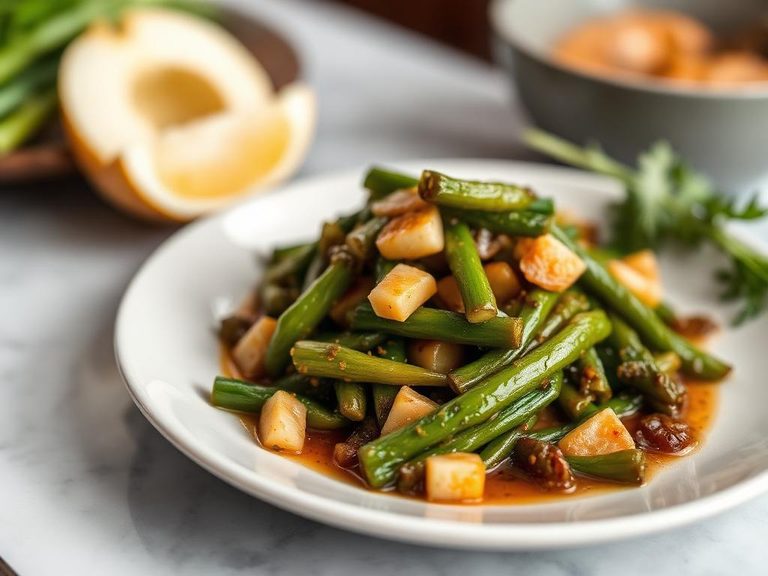
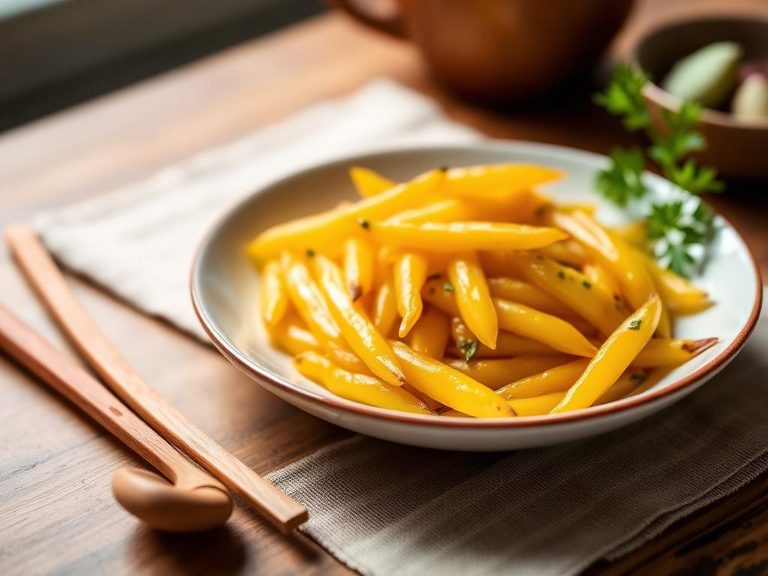
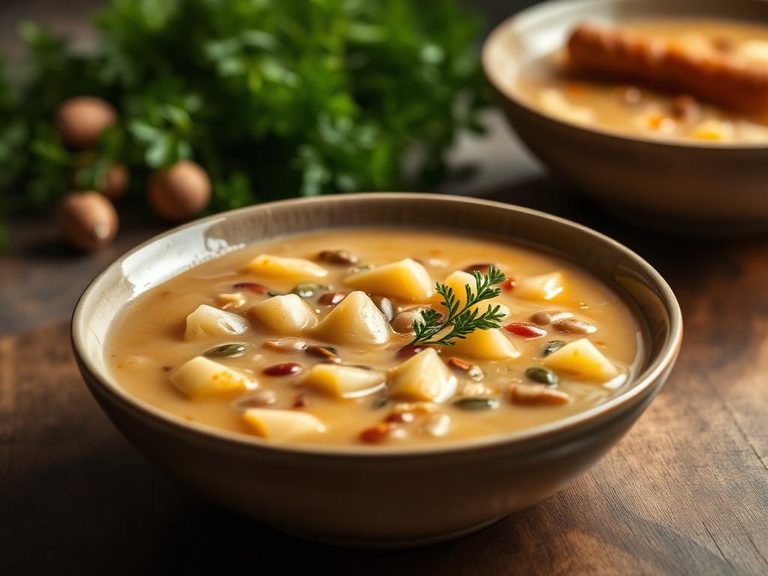
🍽️ Popular dishes
🌍 Where it's eaten
💡 Did you know?
Yellow wax beans are simply a variety of the common green bean (Phaseolus vulgaris) that lacks chlorophyll, which gives them their distinctive pale-yellow color.
Full nutrition (USDA data · scales with serving)
| Water | 63.0 g |
| Energy | 144 kcal |
| Energy | 601 kj |
| Protein | 9.2 g |
| Total lipid (fat) | 1.1 g |
| Ash | 1.5 g |
| Carbohydrate, by difference | 25.3 g |
| Fiber, total dietary | 10.4 g |
| Total Sugars | 0.34 g |
| Calcium, Ca | 62.0 mg |
| Iron, Fe | 2.5 mg |
| Magnesium, Mg | 74.0 mg |
| Phosphorus, P | 183 mg |
| Potassium, K | 325 mg |
| Sodium, Na | 241 mg |
| Zinc, Zn | 1.1 mg |
| Copper, Cu | 0.19 mg |
| Manganese, Mn | 0.46 mg |
| Selenium, Se | 1.3 ug |
| Vitamin C, total ascorbic acid | 1.8 mg |
| Thiamin | 0.19 mg |
| Riboflavin | 0.10 mg |
| Niacin | 0.71 mg |
| Pantothenic acid | 0.23 mg |
| Vitamin B-6 | 0.13 mg |
| Folate, total | 81.0 ug |
| Folic acid | 0.00 ug |
| Folate, food | 81.0 ug |
| Folate, DFE | 81.0 ug |
| Choline, total | 35.2 mg |
| Vitamin B-12 | 0.00 ug |
| Vitamin B-12, added | 0.00 ug |
| Vitamin A, RAE | 0.00 ug |
| Retinol | 0.00 ug |
| Carotene, beta | 0.00 ug |
| Carotene, alpha | 0.00 ug |
| Cryptoxanthin, beta | 0.00 ug |
| Vitamin A, IU | 2.0 iu |
| Lycopene | 0.00 ug |
| Lutein + zeaxanthin | 0.00 ug |
| Vitamin E (alpha-tocopherol) | 0.94 mg |
| Vitamin E, added | 0.00 mg |
| Vitamin D (D2 + D3), International Units | 0.00 iu |
| Vitamin D (D2 + D3) | 0.00 ug |
| Vitamin K (phylloquinone) | 3.5 ug |
| Alcohol, ethyl | 0.00 g |
| Caffeine | 0.00 mg |
| Theobromine | 0.00 mg |
Fat & fatty acid profile (per 100g)
| Fatty acids, total saturated | 0.28 g |
| SFA 4:0 | 0.00 g |
| SFA 6:0 | 0.00 g |
| SFA 8:0 | 0.00 g |
| SFA 10:0 | 0.00 g |
| SFA 12:0 | 0.00 g |
| SFA 14:0 | 0.00 g |
| SFA 16:0 | 0.26 g |
| SFA 18:0 | 0.02 g |
| Fatty acids, total monounsaturated | 0.09 g |
| MUFA 16:1 | 0.00 g |
| MUFA 18:1 | 0.09 g |
| MUFA 20:1 | 0.00 g |
| MUFA 22:1 | 0.00 g |
| Fatty acids, total polyunsaturated | 0.47 g |
| PUFA 18:2 | 0.25 g |
| PUFA 18:3 | 0.21 g |
| PUFA 18:4 | 0.00 g |
| PUFA 20:4 | 0.00 g |
| PUFA 20:5 n-3 (EPA) | 0.00 g |
| PUFA 22:5 n-3 (DPA) | 0.00 g |
| PUFA 22:6 n-3 (DHA) | 0.00 g |
| Fatty acids, total trans | 0.00 g |
| Cholesterol | 0.00 mg |
Amino acid profile (per 100g)
| Tryptophan | 0.11 g |
| Threonine | 0.39 g |
| Isoleucine | 0.41 g |
| Leucine | 0.73 g |
| Lysine | 0.63 g |
| Methionine | 0.14 g |
| Cystine | 0.10 g |
| Phenylalanine | 0.50 g |
| Tyrosine | 0.26 g |
| Valine | 0.48 g |
| Arginine | 0.57 g |
| Histidine | 0.26 g |
| Alanine | 0.38 g |
| Aspartic acid | 1.1 g |
| Glutamic acid | 1.4 g |
| Glycine | 0.36 g |
| Proline | 0.39 g |
| Serine | 0.50 g |
FAQ
What is the difference between yellow wax beans and green beans?
They are the same species (Phaseolus vulgaris), but yellow wax beans lack chlorophyll, resulting in their pale-yellow color and a slightly milder, sweeter flavor.
Are yellow wax beans good for weight management?
Yes, they are low in calories (144 kcal per 100g cooked) and high in fiber, which helps promote satiety and supports a healthy weight.
How can I reduce the sodium in cooked yellow beans?
Use fresh or frozen beans instead of canned, cook them without added salt, or rinse canned beans thoroughly under running water to remove excess sodium.
Can I eat yellow wax beans raw?
Yes, they can be eaten raw in salads, but cooking them makes them easier to digest and enhances their natural sweetness.
Nutrient density (calculated · NRF9.3)
Nutrient Rich Foods index: beneficial nutrients (protein, fiber, vitamins, minerals) minus saturated fat, added sugar & sodium, per 100 kcal.
NRF9.3 index — Fulgoni, Keast & Drewnowski, 2009. Computed from USDA nutrients.
Weight-loss friendliness (composite index)
Energy density 1.44 kcal/g · 25% calories from protein · 10.4 g fiber · 0.3 g sugar per 100 g.
Composite of energy density (Rolls et al., 1999), protein & fiber satiety, minus sugar. A calculated heuristic — ranks satiety-per-calorie, not a clinical measure.
Dietary load (calculated from USDA values)
Potential renal acid load. Positive = acid-forming, negative = alkaline-forming.
Sodium-to-potassium ratio: 0.74 (lower is better — aim for ≤ 1)
Sodium:potassium per WHO potassium guidance. Computed from USDA nutrients.