

Babyfood, dinner, beef with vegetables
Whole food · Baby Foods

Photo: Wikipedia
This is a smooth, savory purée designed for infants, blending tender beef with a medley of vegetables like carrots and peas. Its texture is uniformly soft and spoonable, with a mild, umami-rich flavor from the meat balanced by the natural sweetness of the vegetables. Nutritionally, it's a calorie-dense option that provides a solid mix of protein, fats, and carbs for growing babies.
Calorie split: 8% protein · 27% carbs · 65% fat
↓ Full nutrition💚 Why it's loved
Parents and caregivers love it for its reliability as a nutritionally complete, no-fuss meal that babies often accept readily. The familiar, savory taste profile is seen as a stepping stone to more complex table foods.
⚠️ Watch-outs & how to enjoy it better
The texture can be overly uniform and mushy for babies ready for more challenging lumps. Some brands may have added sodium or thickeners, and the fat content, while good for babies, is relatively high. Always check labels for low-sodium versions and consider mixing with mashed avocado or soft-cooked grains to vary texture.
Key benefits
- Provides iron from beef, crucial for infant brain development.
- Offers a balanced mix of protein, fats, and carbohydrates for energy.
- Contains fiber and vitamins from the vegetable blend.
- Convenient, pre-portioned meal for busy caregivers.
- Introduces savory flavors and textures to developing palates.
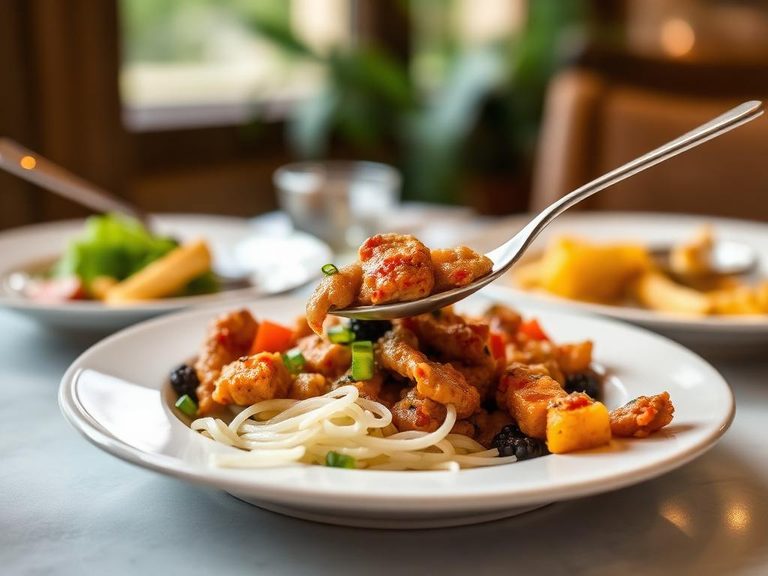
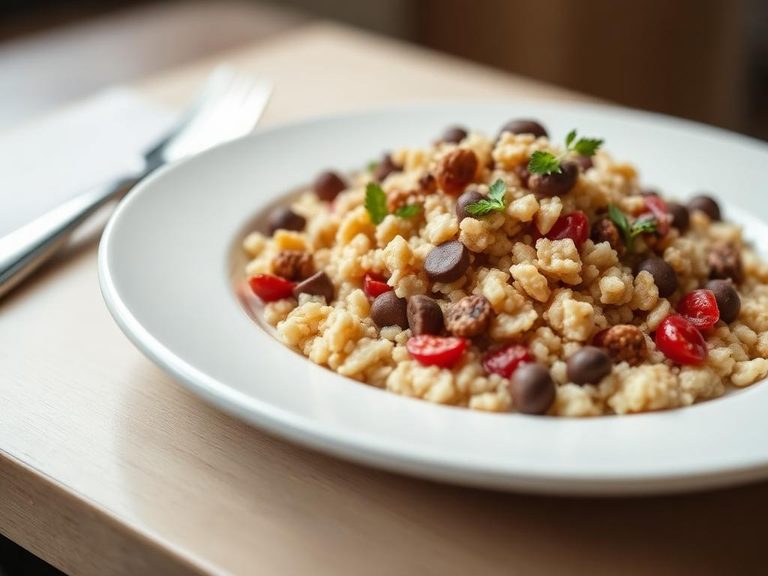
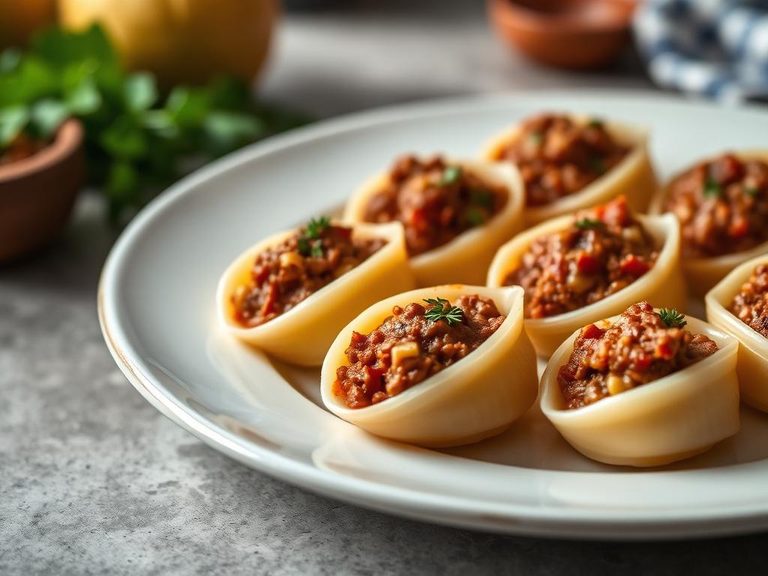
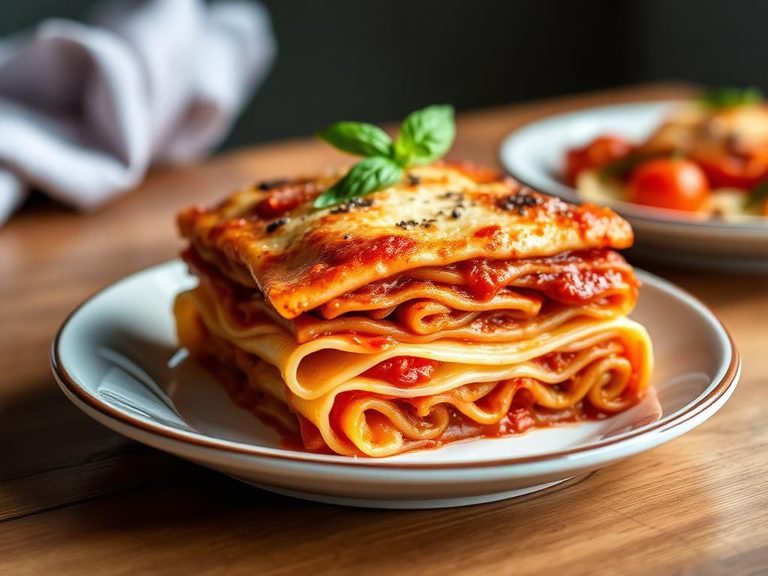
🍽️ Popular dishes
🌍 Where it's eaten
💡 Did you know?
The development of strained baby food in the early 20th century was heavily influenced by the work of Dr. Luther Emmett Holt, whose strict feeding schedules led to a market for uniform, predictable purées.
Full nutrition (USDA data · scales with serving)
| Water | 84.3 g |
| Energy | 96.0 kcal |
| Energy | 402 kj |
| Protein | 2.0 g |
| Total lipid (fat) | 6.9 g |
| Ash | 0.38 g |
| Carbohydrate, by difference | 6.4 g |
| Fiber, total dietary | 1.8 g |
| Total Sugars | 2.2 g |
| Sucrose | 1.4 g |
| Glucose | 0.32 g |
| Fructose | 0.49 g |
| Lactose | 0.00 g |
| Maltose | 0.00 g |
| Calcium, Ca | 19.0 mg |
| Iron, Fe | 0.33 mg |
| Magnesium, Mg | 15.0 mg |
| Phosphorus, P | 24.0 mg |
| Potassium, K | 127 mg |
| Sodium, Na | 38.0 mg |
| Zinc, Zn | 0.35 mg |
| Copper, Cu | 0.04 mg |
| Manganese, Mn | 0.01 mg |
| Selenium, Se | 2.2 ug |
| Vitamin C, total ascorbic acid | 0.00 mg |
| Thiamin | 0.03 mg |
| Riboflavin | 0.06 mg |
| Niacin | 0.70 mg |
| Pantothenic acid | 0.26 mg |
| Vitamin B-6 | 0.08 mg |
| Folate, total | 11.0 ug |
| Folic acid | 0.00 ug |
| Folate, food | 11.0 ug |
| Folate, DFE | 11.0 ug |
| Choline, total | 9.9 mg |
| Vitamin B-12 | 0.09 ug |
| Vitamin B-12, added | 0.00 ug |
| Vitamin A, RAE | 222 ug |
| Retinol | 0.00 ug |
| Carotene, beta | 2165 ug |
| Carotene, alpha | 993 ug |
| Cryptoxanthin, beta | 0.00 ug |
| Vitamin A, IU | 4436 iu |
| Lycopene | 0.00 ug |
| Lutein + zeaxanthin | 58.0 ug |
| Vitamin E (alpha-tocopherol) | 0.57 mg |
| Vitamin E, added | 0.00 mg |
| Vitamin D (D2 + D3), International Units | 1.0 iu |
| Vitamin D (D2 + D3) | 0.00 ug |
| Vitamin K (phylloquinone) | 11.6 ug |
| Alcohol, ethyl | 0.00 g |
| Caffeine | 0.00 mg |
| Theobromine | 0.00 mg |
Fat & fatty acid profile (per 100g)
| Fatty acids, total saturated | 2.8 g |
| SFA 4:0 | 0.00 g |
| SFA 6:0 | 0.00 g |
| SFA 8:0 | 0.00 g |
| SFA 10:0 | 0.00 g |
| SFA 12:0 | 0.05 g |
| SFA 14:0 | 0.21 g |
| SFA 16:0 | 1.5 g |
| SFA 18:0 | 1.1 g |
| Fatty acids, total monounsaturated | 3.1 g |
| MUFA 16:1 | 0.32 g |
| MUFA 18:1 | 2.8 g |
| MUFA 20:1 | 0.02 g |
| MUFA 22:1 | 0.00 g |
| Fatty acids, total polyunsaturated | 0.90 g |
| PUFA 18:2 | 0.75 g |
| PUFA 18:3 | 0.15 g |
| PUFA 18:4 | 0.00 g |
| PUFA 20:4 | 0.00 g |
| PUFA 20:5 n-3 (EPA) | 0.00 g |
| PUFA 22:5 n-3 (DPA) | 0.00 g |
| PUFA 22:6 n-3 (DHA) | 0.00 g |
| Cholesterol | 12.0 mg |
Amino acid profile (per 100g)
Estimated from Babyfood, grape juice, no sugar, canned — USDA does not publish this profile for Babyfood.
| Threonine | 0.02 g |
| Isoleucine | 0.01 g |
| Leucine | 0.02 g |
| Lysine | 0.02 g |
| Methionine | 0.03 g |
| Cystine | 0.01 g |
| Phenylalanine | 0.02 g |
| Tyrosine | 0.02 g |
| Valine | 0.02 g |
| Arginine | 0.06 g |
| Histidine | 0.03 g |
| Alanine | 0.04 g |
| Aspartic acid | 0.10 g |
| Glutamic acid | 0.18 g |
| Glycine | 0.03 g |
| Proline | 0.03 g |
| Serine | 0.04 g |
FAQ
At what age can I start introducing this?
This is typically introduced when an infant is ready for solid foods, around 6 months of age, and is comfortable with smooth purées. Always consult your pediatrician.
Is the fat content too high?
For infants, dietary fat is essential for brain and nervous system development. The fat content here is appropriate for a baby's needs, but as a child grows older, you might mix it with vegetables to balance the meal.
Can I make this at home?
Yes. Simply simmer lean beef with vegetables until very tender, then blend with some cooking liquid or broth to achieve a smooth consistency. This allows you to control sodium and texture.
Nutrient density (calculated · NRF9.3)
Nutrient Rich Foods index: beneficial nutrients (protein, fiber, vitamins, minerals) minus saturated fat, added sugar & sodium, per 100 kcal.
NRF9.3 index — Fulgoni, Keast & Drewnowski, 2009. Computed from USDA nutrients.
Weight-loss friendliness (composite index)
Energy density 0.96 kcal/g · 8% calories from protein · 1.8 g fiber · 2.2 g sugar per 100 g.
Composite of energy density (Rolls et al., 1999), protein & fiber satiety, minus sugar. A calculated heuristic — ranks satiety-per-calorie, not a clinical measure.
Dietary load (calculated from USDA values)
Potential renal acid load. Positive = acid-forming, negative = alkaline-forming.
Sodium-to-potassium ratio: 0.30 (lower is better — aim for ≤ 1)
Sodium:potassium per WHO potassium guidance. Computed from USDA nutrients.