

Babyfood, cereal, mixed, dry fortified
Whole food · Baby Foods
This is a finely milled, dry, and fortified cereal powder, typically made from a blend of grains like rice and oat. It has a mild, slightly sweet, and nutty flavor with a smooth, easily digestible texture when mixed with liquid. Nutritionally, it's a dense source of carbohydrates for energy, enhanced with essential vitamins and minerals for infant development.
Calorie split: 7% protein · 78% carbs · 15% fat
↓ Full nutrition💚 Why it's loved
Parents love it for its incredible versatility and mild, inoffensive flavor that serves as a blank canvas for adding pureed fruits or vegetables. It's a trusted, culturally familiar first food in many households, offering a reliable and nutritious starting point for a baby's solid food journey.
⚠️ Watch-outs & how to enjoy it better
The high carbohydrate and sugar content can lead to rapid blood-sugar spikes, especially if served alone. To counteract this, always pair it with a source of protein (like yogurt or pureed meat) or healthy fat (like avocado or a drop of olive oil) to slow digestion and provide more balanced nutrition. Be mindful of portion sizes to avoid overfeeding.
Key benefits
- Fortified with iron, zinc, and B vitamins to support growth.
- High in carbohydrates for quick, sustained energy.
- Easy to digest for sensitive infant digestive systems.
- Provides a good source of dietary fiber for gut health.
- Convenient, shelf-stable, and simple to prepare.
🍽️ Popular dishes
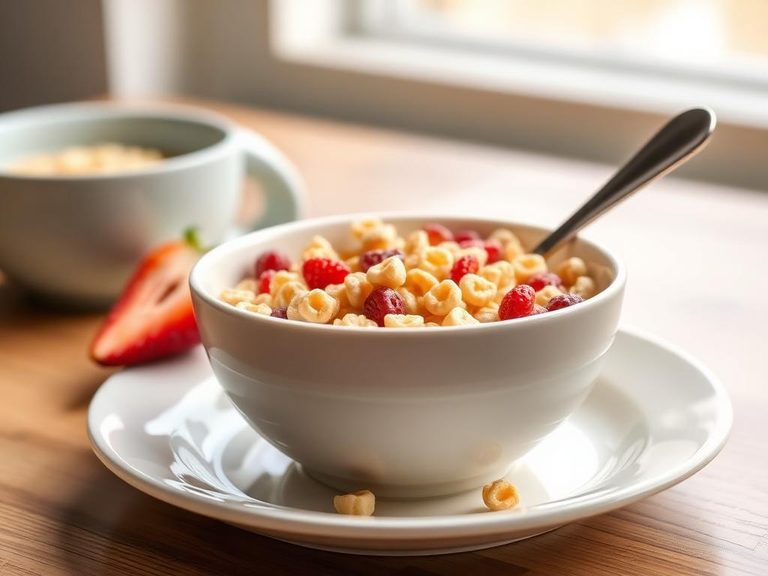
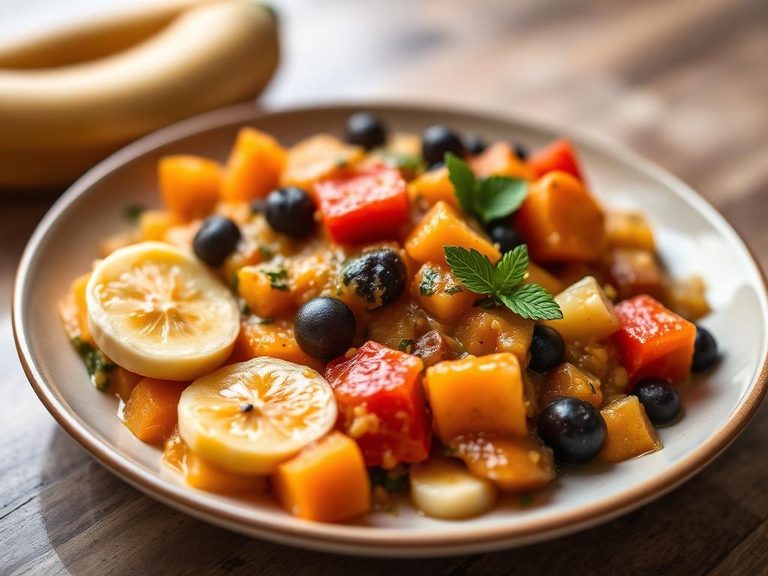
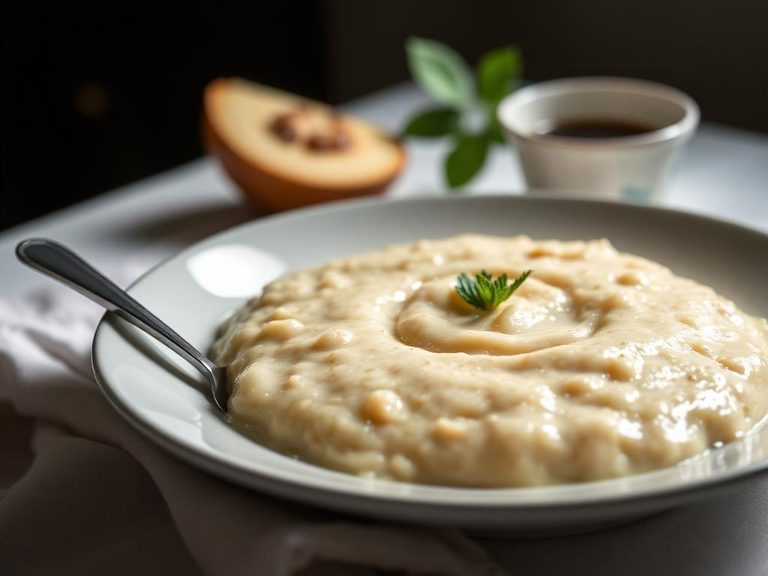

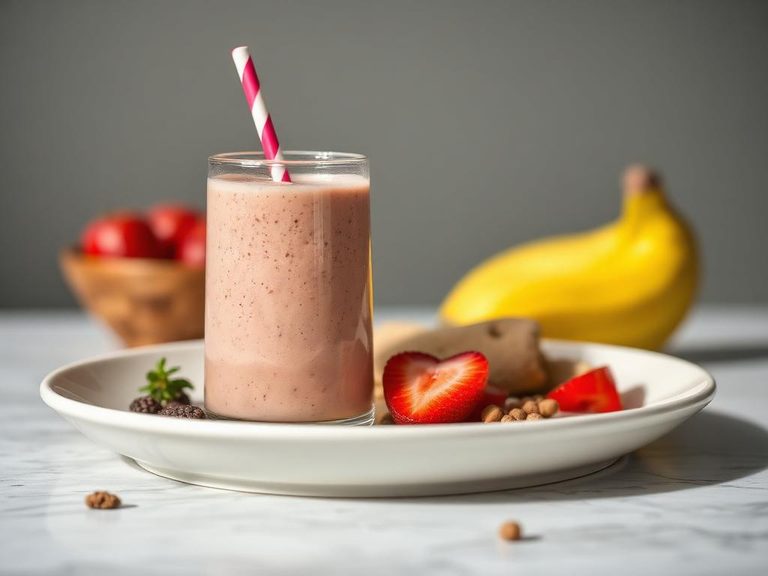
🌍 Where it's eaten
💡 Did you know?
The specific blend of grains and fortification in this cereal is often designed to mimic the iron profile of breast milk, which naturally declines in iron content after about six months of age.
Full nutrition (USDA data · scales with serving)
| Water | 6.7 g |
| Energy | 399 kcal |
| Energy | 1670 kj |
| Protein | 6.7 g |
| Total lipid (fat) | 6.7 g |
| Ash | 1.8 g |
| Carbohydrate, by difference | 78.2 g |
| Fiber, total dietary | 6.7 g |
| Total Sugars | 26.7 g |
| Calcium, Ca | 800 mg |
| Iron, Fe | 30.0 mg |
| Magnesium, Mg | 100 mg |
| Phosphorus, P | 333 mg |
| Potassium, K | 467 mg |
| Sodium, Na | 33.0 mg |
| Zinc, Zn | 10.7 mg |
| Copper, Cu | 0.33 mg |
| Selenium, Se | 25.9 ug |
| Vitamin C, total ascorbic acid | 58.3 mg |
| Thiamin | 1.2 mg |
| Riboflavin | 1.3 mg |
| Niacin | 15.0 mg |
| Pantothenic acid | 1.1 mg |
| Vitamin B-6 | 1.2 mg |
| Folate, total | 167 ug |
| Folic acid | 132 ug |
| Folate, food | 35.0 ug |
| Folate, DFE | 259 ug |
| Choline, total | 23.2 mg |
| Vitamin B-12 | 5.0 ug |
| Vitamin B-12, added | 5.0 ug |
| Vitamin A, RAE | 0.00 ug |
| Retinol | 0.00 ug |
| Carotene, beta | 0.00 ug |
| Carotene, alpha | 0.00 ug |
| Cryptoxanthin, beta | 0.00 ug |
| Vitamin A, IU | 0.00 iu |
| Lycopene | 0.00 ug |
| Lutein + zeaxanthin | 148 ug |
| Vitamin E (alpha-tocopherol) | 4.2 mg |
| Vitamin E, added | 4.2 mg |
| Tocopherol, beta | 0.21 mg |
| Tocopherol, gamma | 0.00 mg |
| Tocopherol, delta | 0.26 mg |
| Tocotrienol, alpha | 5.7 mg |
| Tocotrienol, beta | 0.21 mg |
| Vitamin D (D2 + D3), International Units | 0.00 iu |
| Vitamin D (D2 + D3) | 0.00 ug |
| Vitamin K (phylloquinone) | 1.5 ug |
| Alcohol, ethyl | 0.00 g |
| Caffeine | 0.00 mg |
| Theobromine | 0.00 mg |
Fat & fatty acid profile (per 100g)
| Fatty acids, total saturated | 0.77 g |
| SFA 4:0 | 0.00 g |
| SFA 6:0 | 0.00 g |
| SFA 8:0 | 0.01 g |
| SFA 10:0 | 0.00 g |
| SFA 12:0 | 0.01 g |
| SFA 14:0 | 0.01 g |
| SFA 16:0 | 0.65 g |
| SFA 18:0 | 0.05 g |
| Fatty acids, total monounsaturated | 1.2 g |
| MUFA 16:1 | 0.01 g |
| MUFA 18:1 | 1.2 g |
| MUFA 20:1 | 0.00 g |
| MUFA 22:1 | 0.00 g |
| Fatty acids, total polyunsaturated | 1.7 g |
| PUFA 18:2 | 1.6 g |
| PUFA 18:3 | 0.04 g |
| PUFA 18:4 | 0.00 g |
| PUFA 20:4 | 0.00 g |
| PUFA 20:5 n-3 (EPA) | 0.00 g |
| PUFA 22:5 n-3 (DPA) | 0.00 g |
| PUFA 22:6 n-3 (DHA) | 0.00 g |
| Cholesterol | 0.00 mg |
Amino acid profile (per 100g)
| Tryptophan | 0.16 g |
| Threonine | 0.40 g |
| Isoleucine | 0.48 g |
| Leucine | 1.0 g |
| Lysine | 0.40 g |
| Methionine | 0.24 g |
| Cystine | 0.35 g |
| Phenylalanine | 0.67 g |
| Tyrosine | 0.49 g |
| Valine | 0.65 g |
| Arginine | 0.70 g |
| Histidine | 0.29 g |
| Alanine | 0.58 g |
| Aspartic acid | 0.73 g |
| Glutamic acid | 3.2 g |
| Glycine | 0.55 g |
| Proline | 1.0 g |
| Serine | 0.57 g |
FAQ
At what age can I start giving my baby this cereal?
It is typically introduced around 4-6 months of age, when the baby shows signs of readiness for solids, such as good head control and interest in food.
How do I prepare it?
Mix the dry cereal powder with breast milk, formula, or water to achieve the desired consistency, starting thin and gradually thickening as the baby gets used to it.
Is it a common allergen?
While the base grains (like rice or oat) are generally low-allergen, always check the label for added ingredients like wheat, soy, or dairy, which are common allergens.
Nutrient density (calculated · NRF9.3)
Nutrient Rich Foods index: beneficial nutrients (protein, fiber, vitamins, minerals) minus saturated fat, added sugar & sodium, per 100 kcal.
NRF9.3 index — Fulgoni, Keast & Drewnowski, 2009. Computed from USDA nutrients.
Weight-loss friendliness (composite index)
Energy density 3.99 kcal/g · 7% calories from protein · 6.7 g fiber · 26.7 g sugar per 100 g.
Composite of energy density (Rolls et al., 1999), protein & fiber satiety, minus sugar. A calculated heuristic — ranks satiety-per-calorie, not a clinical measure.
Dietary load (calculated from USDA values)
Potential renal acid load. Positive = acid-forming, negative = alkaline-forming.
Sodium-to-potassium ratio: 0.07 (lower is better — aim for ≤ 1)
Sodium:potassium per WHO potassium guidance. Computed from USDA nutrients.