

Apricots, dried, sulfured, stewed, without added sugar
Whole food · Fruits and Fruit Juices

Photo: Wikipedia
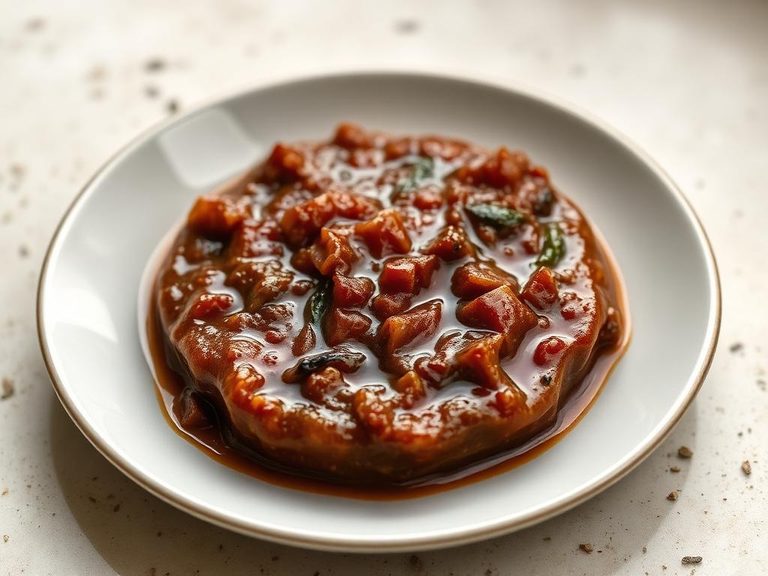
These are apricots that have been dried with sulfur dioxide to preserve their bright orange hue, then gently stewed in water until plump and tender. They offer a concentrated, honey-sweet flavor with a soft, jammy texture and a slight chew from the skin. Nutritionally, they are a potent source of quick energy from natural sugars and dietary fiber.
Calorie split: 5% protein · 93% carbs · 2% fat
↓ Full nutrition💚 Why it's loved
People love them for their intense, sun-drenched sweetness and luxurious, melt-in-the-mouth texture that elevates both sweet and savory dishes. They are a cherished ingredient in many cuisines, symbolizing harvest and hospitality.
⚠️ Watch-outs & how to enjoy it better
The high natural sugar content can cause rapid blood-sugar spikes, making portion control essential for those managing diabetes. The sulfur dioxide used in processing can trigger reactions in sensitive individuals, and stewing may further concentrate sugars. Pair them with a source of protein or fat (like nuts or yogurt) to slow sugar absorption, and opt for sulfured-free versions if sensitive.
Key benefits
- Excellent source of dietary fiber for digestive health.
- Rich in antioxidants like beta-carotene and vitamin A.
- Provides a quick, natural energy boost from carbohydrates.
- Contains potassium, which supports heart and muscle function.
🍽️ Popular dishes
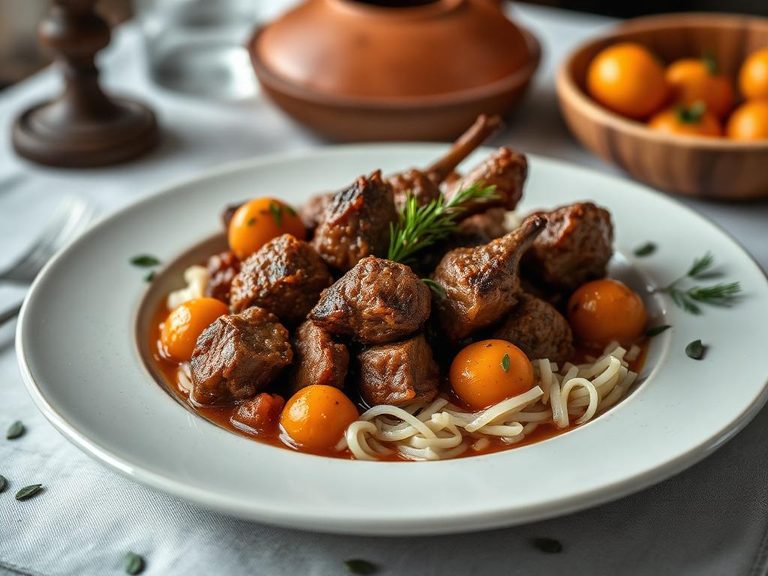
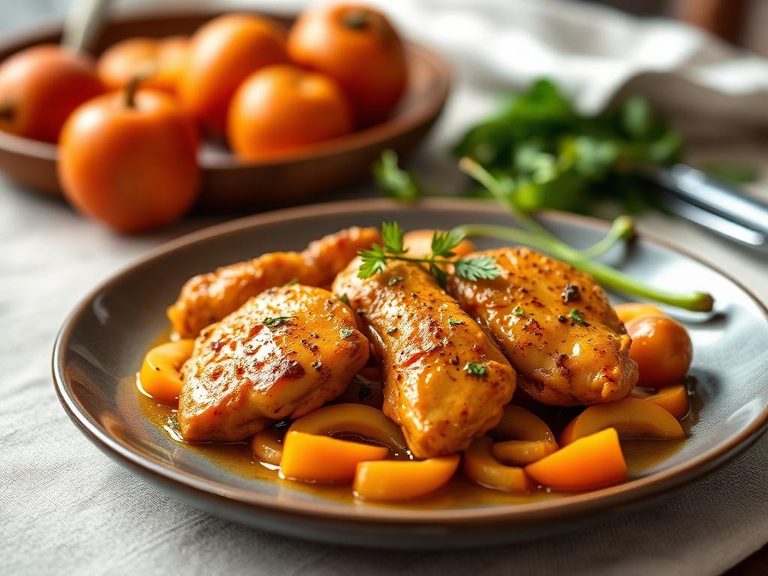
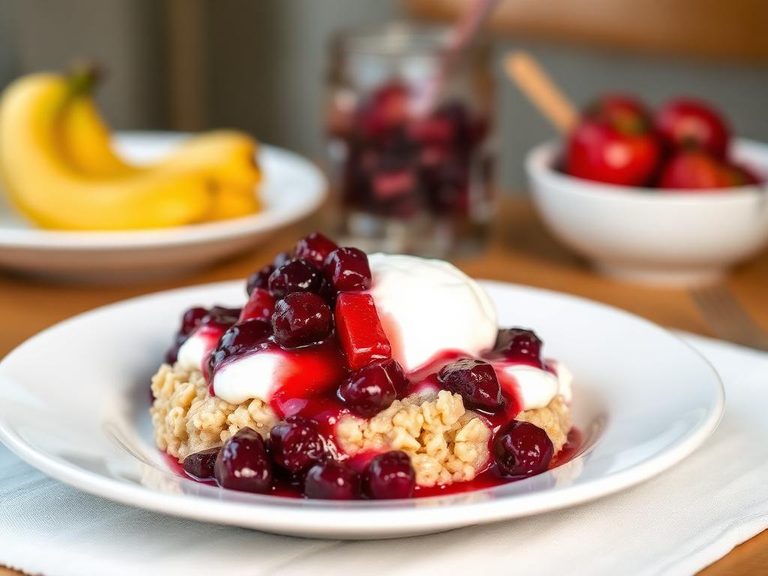
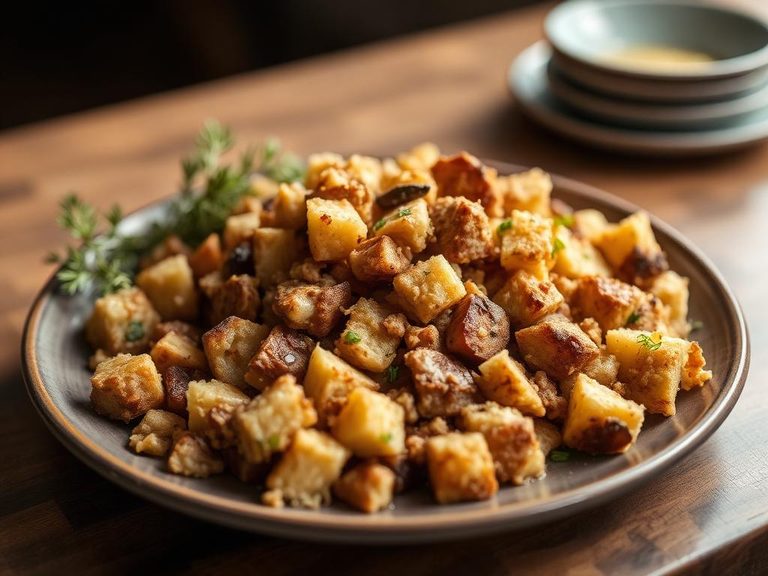

🌍 Where it's eaten
💡 Did you know?
The practice of 'sulfuring' dried apricots not only preserves color but also inhibits the enzyme that would otherwise turn them brown, which is why unsulfured dried apricots are a deep, dark brown.
Full nutrition (USDA data · scales with serving)
| Water | 75.6 g |
| Energy | 85.0 kcal |
| Energy | 357 kj |
| Protein | 1.2 g |
| Total lipid (fat) | 0.18 g |
| Ash | 0.91 g |
| Carbohydrate, by difference | 22.1 g |
| Fiber, total dietary | 2.6 g |
| Total Sugars | 19.6 g |
| Calcium, Ca | 19.0 mg |
| Iron, Fe | 0.94 mg |
| Magnesium, Mg | 11.0 mg |
| Phosphorus, P | 25.0 mg |
| Potassium, K | 411 mg |
| Sodium, Na | 4.0 mg |
| Zinc, Zn | 0.14 mg |
| Copper, Cu | 0.12 mg |
| Manganese, Mn | 0.08 mg |
| Selenium, Se | 0.80 ug |
| Vitamin C, total ascorbic acid | 0.30 mg |
| Thiamin | 0.01 mg |
| Riboflavin | 0.03 mg |
| Niacin | 0.92 mg |
| Pantothenic acid | 0.21 mg |
| Vitamin B-6 | 0.05 mg |
| Folate, total | 3.0 ug |
| Folic acid | 0.00 ug |
| Folate, food | 3.0 ug |
| Folate, DFE | 3.0 ug |
| Choline, total | 4.9 mg |
| Vitamin B-12 | 0.00 ug |
| Vitamin B-12, added | 0.00 ug |
| Vitamin A, RAE | 64.0 ug |
| Retinol | 0.00 ug |
| Carotene, beta | 765 ug |
| Carotene, alpha | 0.00 ug |
| Cryptoxanthin, beta | 0.00 ug |
| Vitamin A, IU | 1275 iu |
| Lycopene | 0.00 ug |
| Lutein + zeaxanthin | 0.00 ug |
| Vitamin E (alpha-tocopherol) | 1.5 mg |
| Vitamin E, added | 0.00 mg |
| Vitamin D (D2 + D3), International Units | 0.00 iu |
| Vitamin D (D2 + D3) | 0.00 ug |
| Vitamin K (phylloquinone) | 1.1 ug |
| Alcohol, ethyl | 0.00 g |
| Caffeine | 0.00 mg |
| Theobromine | 0.00 mg |
Fat & fatty acid profile (per 100g)
| Fatty acids, total saturated | 0.01 g |
| SFA 4:0 | 0.00 g |
| SFA 6:0 | 0.00 g |
| SFA 8:0 | 0.00 g |
| SFA 10:0 | 0.00 g |
| SFA 12:0 | 0.00 g |
| SFA 14:0 | 0.00 g |
| SFA 16:0 | 0.01 g |
| SFA 18:0 | 0.00 g |
| Fatty acids, total monounsaturated | 0.03 g |
| MUFA 16:1 | 0.00 g |
| MUFA 18:1 | 0.03 g |
| MUFA 20:1 | 0.00 g |
| MUFA 22:1 | 0.00 g |
| Fatty acids, total polyunsaturated | 0.03 g |
| PUFA 18:2 | 0.03 g |
| PUFA 18:3 | 0.00 g |
| PUFA 18:4 | 0.00 g |
| PUFA 20:4 | 0.00 g |
| PUFA 20:5 n-3 (EPA) | 0.00 g |
| PUFA 22:5 n-3 (DPA) | 0.00 g |
| PUFA 22:6 n-3 (DHA) | 0.00 g |
| Cholesterol | 0.00 mg |
Amino acid profile (per 100g)
| Tryptophan | 0.01 g |
| Threonine | 0.03 g |
| Isoleucine | 0.02 g |
| Leucine | 0.04 g |
| Lysine | 0.03 g |
| Methionine | 0.01 g |
| Cystine | 0.01 g |
| Phenylalanine | 0.02 g |
| Tyrosine | 0.01 g |
| Valine | 0.03 g |
| Arginine | 0.02 g |
| Histidine | 0.02 g |
| Alanine | 0.04 g |
| Aspartic acid | 0.33 g |
| Glutamic acid | 0.07 g |
| Glycine | 0.03 g |
| Proline | 0.29 g |
| Serine | 0.03 g |
FAQ
Are stewed dried apricots healthier than raw dried ones?
Stewing doesn't significantly change the nutritional profile but can make them easier to digest and more versatile in recipes. The main difference is texture and moisture content.
Can I use stewed dried apricots in savory dishes?
Absolutely! Their sweet-tart flavor pairs beautifully with rich meats like lamb, pork, or chicken, and they are a classic ingredient in Moroccan tagines and Middle Eastern pilafs.
How should I store leftover stewed apricots?
Store them in an airtight container in the refrigerator for up to a week, or freeze them for up to 3 months. They can be reheated gently or used cold.
Nutrient density (calculated · NRF9.3)
Nutrient Rich Foods index: beneficial nutrients (protein, fiber, vitamins, minerals) minus saturated fat, added sugar & sodium, per 100 kcal.
NRF9.3 index — Fulgoni, Keast & Drewnowski, 2009. Computed from USDA nutrients.
Weight-loss friendliness (composite index)
Energy density 0.85 kcal/g · 6% calories from protein · 2.6 g fiber · 19.6 g sugar per 100 g.
Composite of energy density (Rolls et al., 1999), protein & fiber satiety, minus sugar. A calculated heuristic — ranks satiety-per-calorie, not a clinical measure.
Dietary load (calculated from USDA values)
Potential renal acid load. Positive = acid-forming, negative = alkaline-forming.
Sodium-to-potassium ratio: 0.01 (lower is better — aim for ≤ 1)
Sodium:potassium per WHO potassium guidance. Computed from USDA nutrients.