

Tangerines, (mandarin oranges), canned, juice pack
Whole food · Fruits and Fruit Juices

Photo: Wikipedia
These are tender, sweet mandarin orange segments preserved in their own juice, offering a burst of sunshine in every bite. The texture is soft and yielding, with a delicate balance of sweet and tangy flavors. Nutritionally, they are a low-calorie, hydrating fruit source with a notable amount of natural sugars for quick energy.
Calorie split: 6% protein · 93% carbs · 1% fat
↓ Full nutrition💚 Why it's loved
People love them for their consistently sweet, bright flavor and the sheer convenience of having ready-to-eat segments without the mess of peeling. They are a nostalgic, versatile staple in lunchboxes, fruit salads, and desserts across many cultures.
⚠️ Watch-outs & how to enjoy it better
The primary downside is the high sugar content (8.87g per 100g), which can cause blood sugar spikes if consumed in large quantities, especially for those managing diabetes. To counteract this, pair a serving with a source of protein or healthy fat (like a handful of nuts or Greek yogurt) to slow sugar absorption and practice portion control.
Key benefits
- Low in calories and fat-free
- Good source of quick, natural energy from carbohydrates
- Provides dietary fiber for digestive health
- Contains vitamin C, an essential antioxidant
- Convenient, pre-peeled, and ready-to-eat fruit option
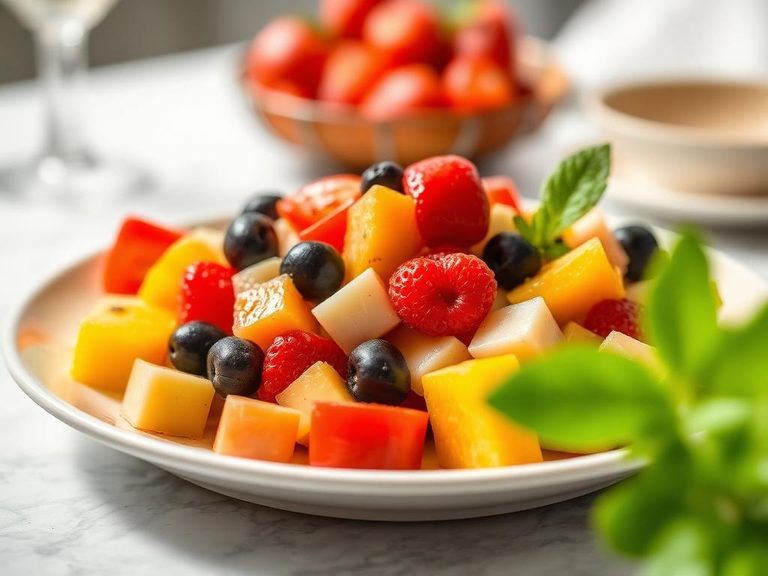
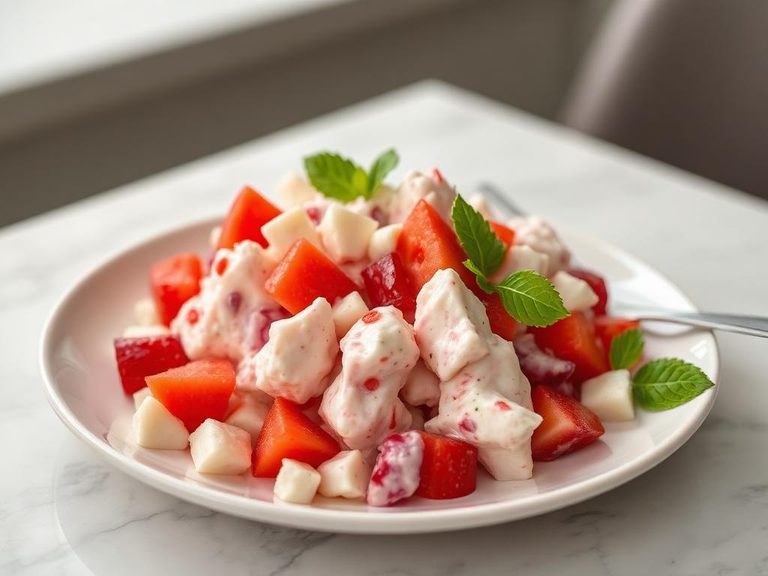
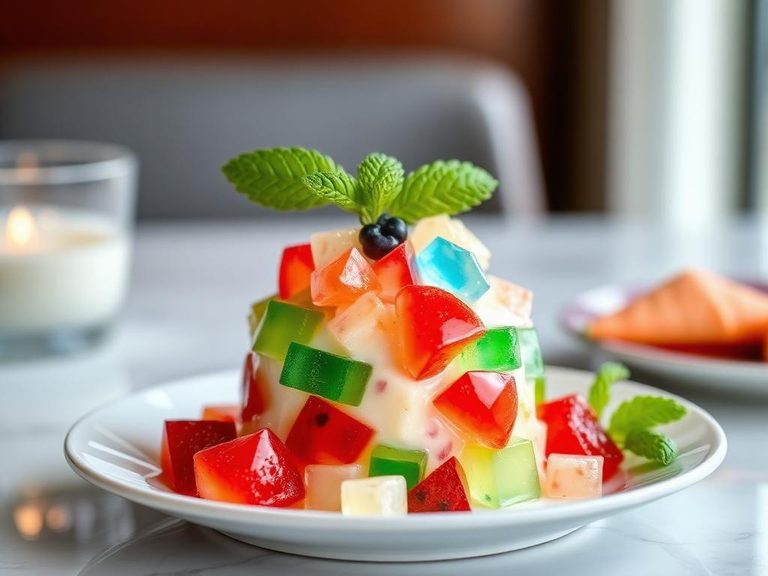
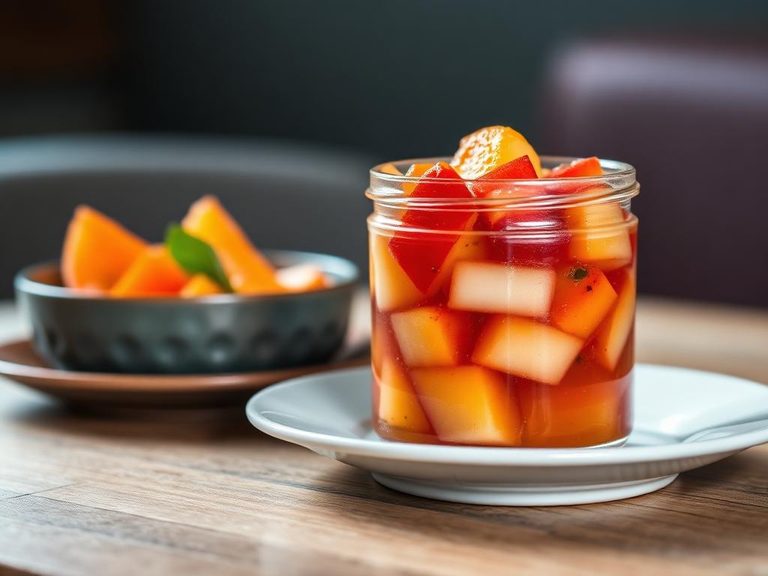
🍽️ Popular dishes
🌍 Where it's eaten
💡 Did you know?
The 'mandarin' in the name comes from the fruit's historical association with the gifts presented to Imperial Chinese mandarins.
Full nutrition (USDA data · scales with serving)
| Water | 89.5 g |
| Energy | 37.0 kcal |
| Energy | 155 kj |
| Protein | 0.62 g |
| Total lipid (fat) | 0.03 g |
| Ash | 0.28 g |
| Carbohydrate, by difference | 9.6 g |
| Fiber, total dietary | 0.70 g |
| Total Sugars | 8.9 g |
| Calcium, Ca | 11.0 mg |
| Iron, Fe | 0.27 mg |
| Magnesium, Mg | 11.0 mg |
| Phosphorus, P | 10.0 mg |
| Potassium, K | 133 mg |
| Sodium, Na | 5.0 mg |
| Zinc, Zn | 0.51 mg |
| Copper, Cu | 0.03 mg |
| Manganese, Mn | 0.03 mg |
| Selenium, Se | 0.40 ug |
| Vitamin C, total ascorbic acid | 34.2 mg |
| Thiamin | 0.08 mg |
| Riboflavin | 0.03 mg |
| Niacin | 0.45 mg |
| Pantothenic acid | 0.13 mg |
| Vitamin B-6 | 0.04 mg |
| Folate, total | 5.0 ug |
| Folic acid | 0.00 ug |
| Folate, food | 5.0 ug |
| Folate, DFE | 5.0 ug |
| Choline, total | 8.9 mg |
| Vitamin B-12 | 0.00 ug |
| Vitamin B-12, added | 0.00 ug |
| Vitamin A, RAE | 43.0 ug |
| Retinol | 0.00 ug |
| Carotene, beta | 193 ug |
| Carotene, alpha | 133 ug |
| Cryptoxanthin, beta | 503 ug |
| Vitamin A, IU | 852 iu |
| Lycopene | 0.00 ug |
| Lutein + zeaxanthin | 163 ug |
| Vitamin E (alpha-tocopherol) | 0.10 mg |
| Vitamin E, added | 0.00 mg |
| Vitamin D (D2 + D3), International Units | 0.00 iu |
| Vitamin D (D2 + D3) | 0.00 ug |
| Vitamin K (phylloquinone) | 0.00 ug |
| Alcohol, ethyl | 0.00 g |
| Caffeine | 0.00 mg |
| Theobromine | 0.00 mg |
Fat & fatty acid profile (per 100g)
| Fatty acids, total saturated | 0.00 g |
| SFA 4:0 | 0.00 g |
| SFA 6:0 | 0.00 g |
| SFA 8:0 | 0.00 g |
| SFA 10:0 | 0.00 g |
| SFA 12:0 | 0.00 g |
| SFA 14:0 | 0.00 g |
| SFA 16:0 | 0.00 g |
| SFA 18:0 | 0.00 g |
| Fatty acids, total monounsaturated | 0.01 g |
| MUFA 16:1 | 0.00 g |
| MUFA 18:1 | 0.00 g |
| MUFA 20:1 | 0.00 g |
| MUFA 22:1 | 0.00 g |
| Fatty acids, total polyunsaturated | 0.01 g |
| PUFA 18:2 | 0.00 g |
| PUFA 18:3 | 0.00 g |
| PUFA 18:4 | 0.00 g |
| PUFA 20:4 | 0.00 g |
| PUFA 20:5 n-3 (EPA) | 0.00 g |
| PUFA 22:5 n-3 (DPA) | 0.00 g |
| PUFA 22:6 n-3 (DHA) | 0.00 g |
| Fatty acids, total trans | 0.00 g |
| Cholesterol | 0.00 mg |
Amino acid profile (per 100g)
| Tryptophan | 0.01 g |
| Threonine | 0.01 g |
| Isoleucine | 0.02 g |
| Leucine | 0.01 g |
| Lysine | 0.03 g |
| Methionine | 0.01 g |
| Cystine | 0.01 g |
| Phenylalanine | 0.02 g |
| Tyrosine | 0.01 g |
| Valine | 0.03 g |
| Arginine | 0.04 g |
| Histidine | 0.01 g |
| Alanine | 0.03 g |
| Aspartic acid | 0.07 g |
| Glutamic acid | 0.06 g |
| Glycine | 0.06 g |
| Proline | 0.03 g |
| Serine | 0.02 g |
FAQ
Is the juice in the can nutritious?
The juice pack is typically made from the fruit's own juice, which retains some vitamins and flavor. However, it also contains the concentrated natural sugars, so it's best to consume it in moderation as part of the fruit serving.
How do canned mandarins differ from fresh ones?
Canning softens the texture and can slightly intensify the sweetness. While some heat-sensitive nutrients like Vitamin C may be reduced, they remain a good source of fiber and other minerals, and offer superior convenience and shelf stability.
Can I use the juice for cooking or baking?
Absolutely. The sweet, tangy juice is excellent for making glazes, salad dressings, marinades, or as a liquid component in cakes and muffins to add flavor and moisture.
Nutrient density (calculated · NRF9.3)
Nutrient Rich Foods index: beneficial nutrients (protein, fiber, vitamins, minerals) minus saturated fat, added sugar & sodium, per 100 kcal.
NRF9.3 index — Fulgoni, Keast & Drewnowski, 2009. Computed from USDA nutrients.
Weight-loss friendliness (composite index)
Energy density 0.37 kcal/g · 7% calories from protein · 0.7 g fiber · 8.9 g sugar per 100 g.
Composite of energy density (Rolls et al., 1999), protein & fiber satiety, minus sugar. A calculated heuristic — ranks satiety-per-calorie, not a clinical measure.
Dietary load (calculated from USDA values)
Potential renal acid load. Positive = acid-forming, negative = alkaline-forming.
Sodium-to-potassium ratio: 0.04 (lower is better — aim for ≤ 1)
Sodium:potassium per WHO potassium guidance. Computed from USDA nutrients.