

Whale, beluga, flipper, raw (Alaska Native)
Whole food · American Indian/Alaska Native Foods

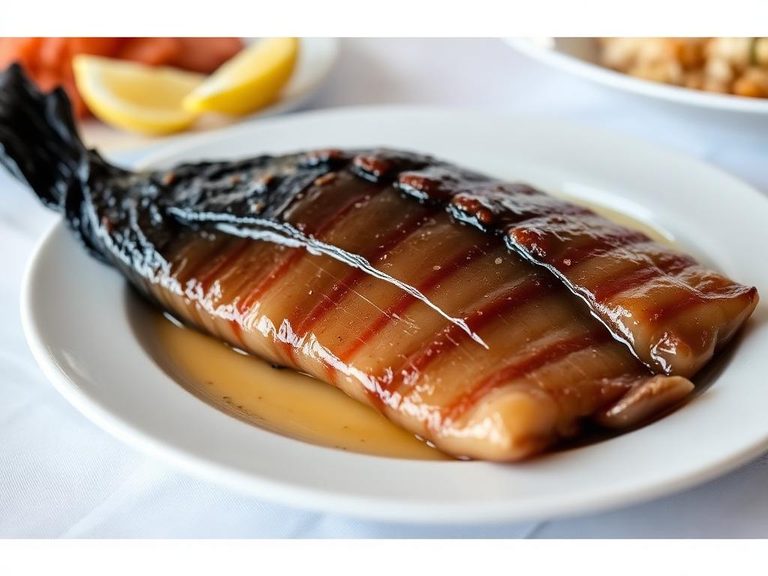
Photo: Wikipedia
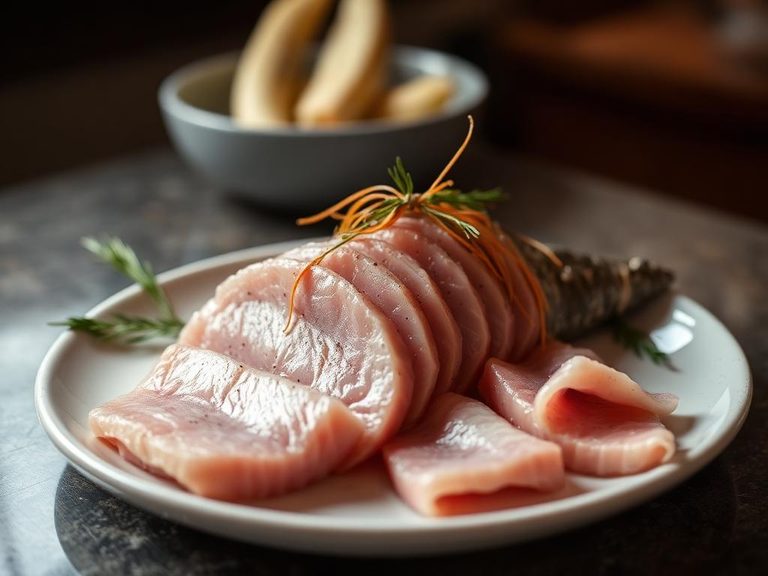
The raw flipper of the beluga whale is a prized Alaska Native delicacy, known for its dense, chewy texture and a rich, slightly sweet, marine flavor that is often compared to a very fatty, buttery fish. Nutritionally, it is a potent source of high-quality protein and healthy fats, particularly omega-3 fatty acids, with virtually no carbohydrates. This traditional food is a cornerstone of subsistence diets, valued for its energy density and cultural significance.
Calorie split: 28% protein · 0% carbs · 72% fat
↓ Full nutrition💚 Why it's loved
People love it for its unique, rich umami flavor and the cultural connection it represents to Arctic traditions. Its versatility allows it to be eaten raw, dried, or fermented, making it a cherished staple in many Alaska Native communities.
⚠️ Watch-outs & how to enjoy it better
Due to its high fat content, it can be heavy for some palates and may contribute to excessive calorie intake if consumed in large portions. As a marine mammal, it can contain environmental contaminants like mercury, so moderation is advised. To counteract this, it is best consumed as part of a varied diet and sourced from sustainable, traditional harvests.
Key benefits
- Excellent source of high-quality protein (19g per 100g)
- Rich in heart-healthy omega-3 fatty acids
- Provides significant energy (271 kcal per 100g)
- Contains essential vitamins and minerals like Vitamin D and selenium
- Zero carbohydrates, suitable for ketogenic diets
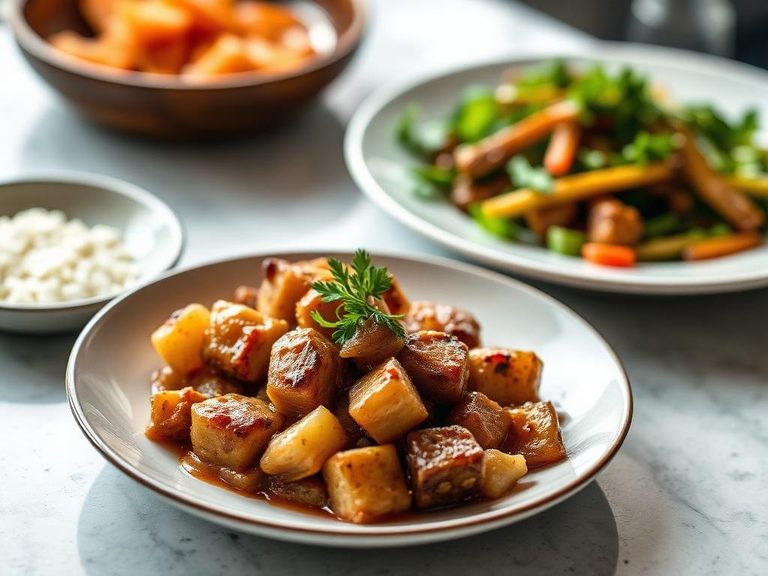
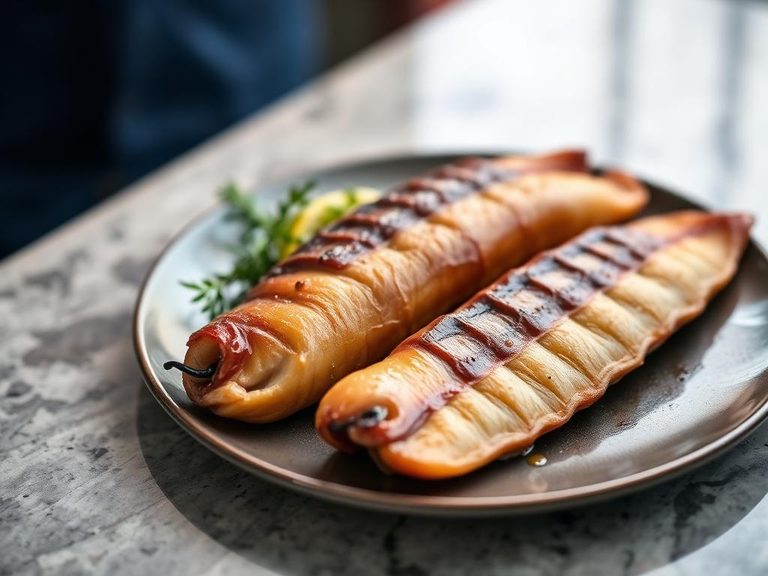
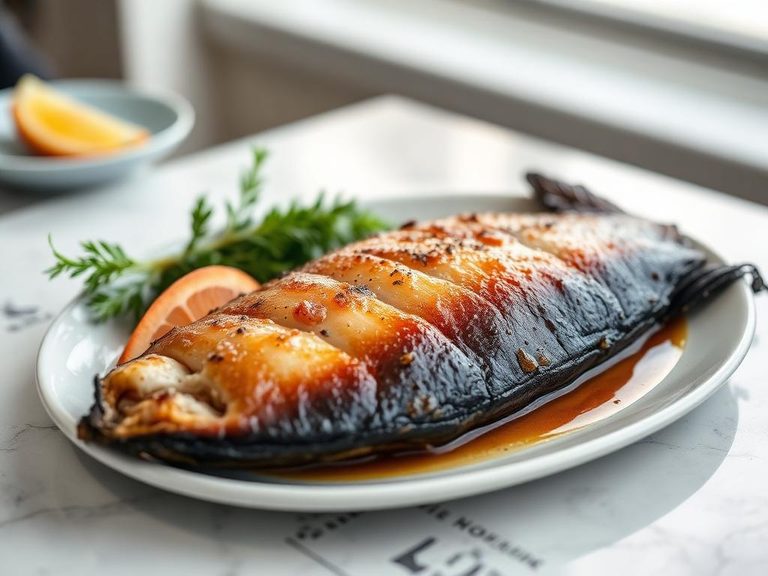
🍽️ Popular dishes
🌍 Where it's eaten
💡 Did you know?
The flipper of a beluga whale is considered a delicacy and is often the first part shared in a communal feast, symbolizing respect and community.
Full nutrition (USDA data · scales with serving)
| Water | 57.5 g |
| Energy | 271 kcal |
| Energy | 1135 kj |
| Protein | 19.0 g |
| Total lipid (fat) | 21.7 g |
| Ash | 1.8 g |
| Carbohydrate, by difference | 0.00 g |
| Fiber, total dietary | 0.00 g |
| Total Sugars | 0.00 g |
| Sucrose | 0.00 g |
| Glucose | 0.00 g |
| Fructose | 0.00 g |
| Lactose | 0.00 g |
| Maltose | 0.00 g |
| Galactose | 0.00 g |
| Starch | 0.00 g |
| Calcium, Ca | 11.0 mg |
| Iron, Fe | 2.8 mg |
| Phosphorus, P | 153 mg |
| Vitamin C, total ascorbic acid | 0.00 mg |
| Vitamin A, RAE | 279 ug |
| Retinol | 279 ug |
| Carotene, beta | 0.00 ug |
| Carotene, alpha | 0.00 ug |
| Cryptoxanthin, beta | 0.00 ug |
| Vitamin A, IU | 930 iu |
| Lycopene | 0.00 ug |
| Lutein + zeaxanthin | 0.00 ug |
| Alcohol, ethyl | 0.00 g |
| Caffeine | 0.00 mg |
| Theobromine | 0.00 mg |
Fat & fatty acid profile (per 100g)
Estimated from Whale, beluga, meat, dried (Alaska Native) — USDA does not publish this profile for Whale.
| Fatty acids, total saturated | 1.2 g |
| SFA 8:0 | 0.00 g |
| SFA 10:0 | 0.00 g |
| SFA 12:0 | 0.01 g |
| SFA 14:0 | 0.25 g |
| SFA 15:0 | 0.03 g |
| SFA 16:0 | 0.70 g |
| SFA 17:0 | 0.03 g |
| SFA 18:0 | 0.20 g |
| SFA 20:0 | 0.00 g |
| SFA 22:0 | 0.00 g |
| SFA 24:0 | 0.00 g |
| Fatty acids, total monounsaturated | 3.3 g |
| MUFA 14:1 | 0.03 g |
| MUFA 15:1 | 0.01 g |
| MUFA 16:1 | 1.1 g |
| MUFA 17:1 | 0.00 g |
| MUFA 18:1 | 1.3 g |
| MUFA 20:1 | 0.64 g |
| MUFA 22:1 | 0.24 g |
| MUFA 24:1 c | 0.00 g |
| Fatty acids, total polyunsaturated | 0.32 g |
| PUFA 18:2 | 0.05 g |
| PUFA 18:3 | 0.03 g |
| PUFA 18:4 | 0.01 g |
| PUFA 20:2 n-6 c,c | 0.01 g |
| PUFA 20:3 | 0.00 g |
| PUFA 20:4 | 0.03 g |
| PUFA 20:5 n-3 (EPA) | 0.06 g |
| PUFA 21:5 | 0.00 g |
| PUFA 22:4 | 0.00 g |
| PUFA 22:5 n-3 (DPA) | 0.04 g |
| PUFA 22:6 n-3 (DHA) | 0.09 g |
| Cholesterol | 122 mg |
| Phytosterols | 0.00 mg |
Amino acid profile (per 100g)
Estimated from Whale, beluga, meat, dried (Alaska Native) — USDA does not publish this profile for Whale.
| Tryptophan | 0.80 g |
| Threonine | 2.7 g |
| Isoleucine | 2.7 g |
| Leucine | 5.8 g |
| Lysine | 6.3 g |
| Methionine | 1.4 g |
| Cystine | 0.42 g |
| Phenylalanine | 2.9 g |
| Tyrosine | 1.9 g |
| Valine | 2.8 g |
| Arginine | 3.8 g |
| Histidine | 3.0 g |
| Alanine | 4.3 g |
| Aspartic acid | 5.8 g |
| Glutamic acid | 9.6 g |
| Glycine | 4.1 g |
| Proline | 3.5 g |
| Serine | 2.4 g |
FAQ
What does raw beluga flipper taste like?
It has a rich, buttery, and slightly sweet marine flavor with a dense, chewy texture, often compared to a very fatty fish or a cross between fish and meat.
Is raw whale flipper safe to eat?
When prepared traditionally by experienced practitioners and sourced from sustainable, regulated harvests, it is a safe and nutritious food. However, as with any raw animal product, there are risks of contamination, and it should be consumed with caution.
What are the main nutritional benefits of beluga flipper?
It is a high-protein, high-fat food that provides essential omega-3 fatty acids, vitamins, and minerals, making it an excellent source of energy, especially in cold climates.
How is beluga flipper traditionally prepared?
It is often eaten raw, dried, smoked, or fermented. The preparation methods vary by community and are passed down through generations, emphasizing cultural heritage and sustainability.
Nutrient density (calculated · NRF9.3)
Nutrient Rich Foods index: beneficial nutrients (protein, fiber, vitamins, minerals) minus saturated fat, added sugar & sodium, per 100 kcal.
NRF9.3 index — Fulgoni, Keast & Drewnowski, 2009. Computed from USDA nutrients.
Weight-loss friendliness (composite index)
Energy density 2.71 kcal/g · 28% calories from protein · 0.0 g fiber · 0.0 g sugar per 100 g.
Composite of energy density (Rolls et al., 1999), protein & fiber satiety, minus sugar. A calculated heuristic — ranks satiety-per-calorie, not a clinical measure.