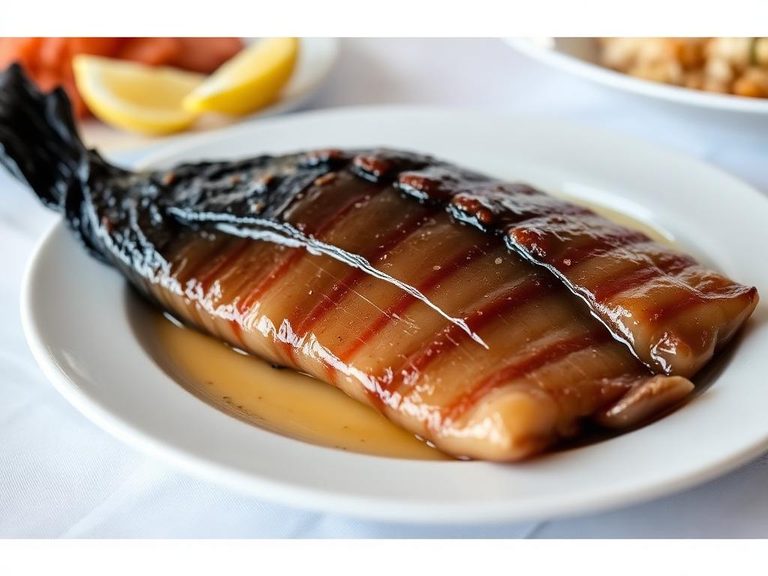
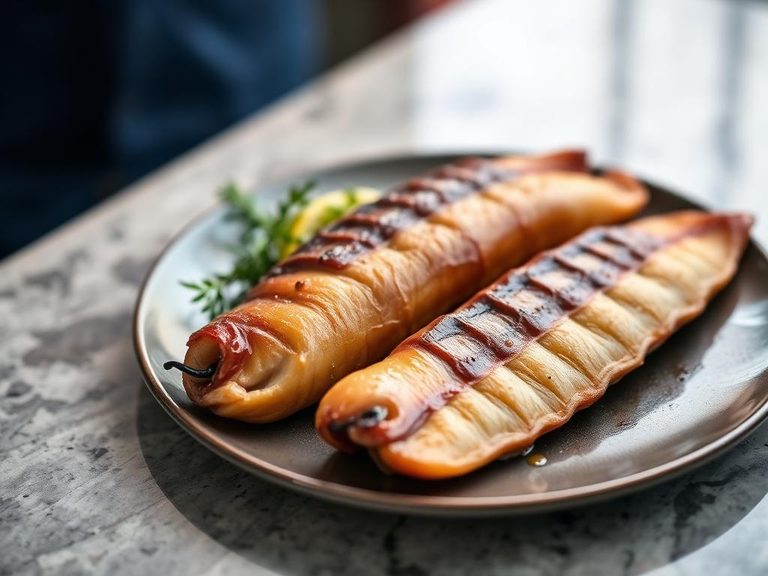
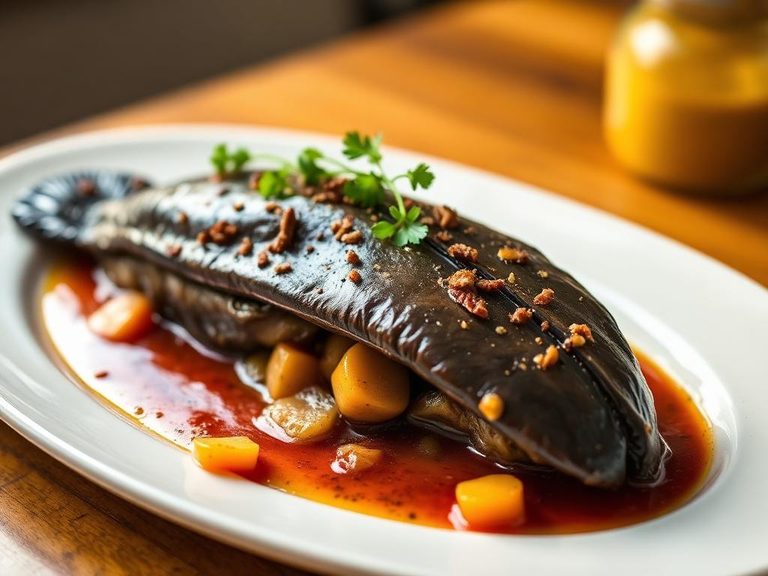
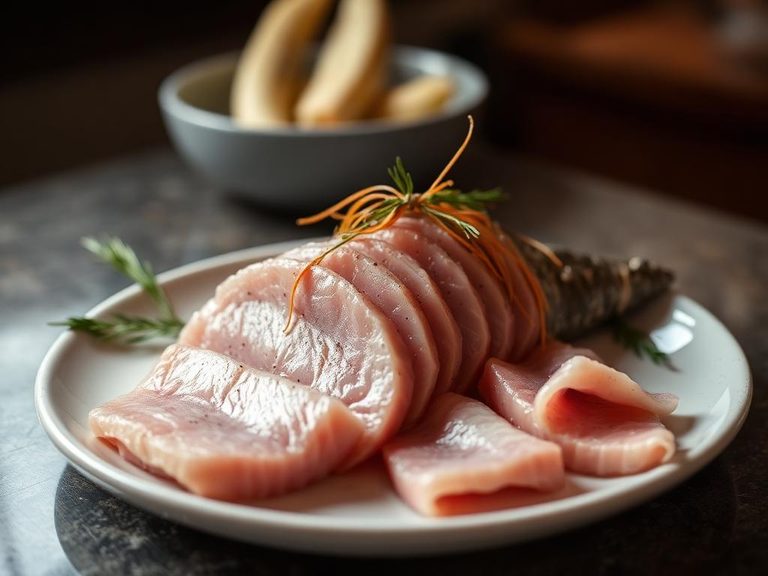
Whale flipper, smoked
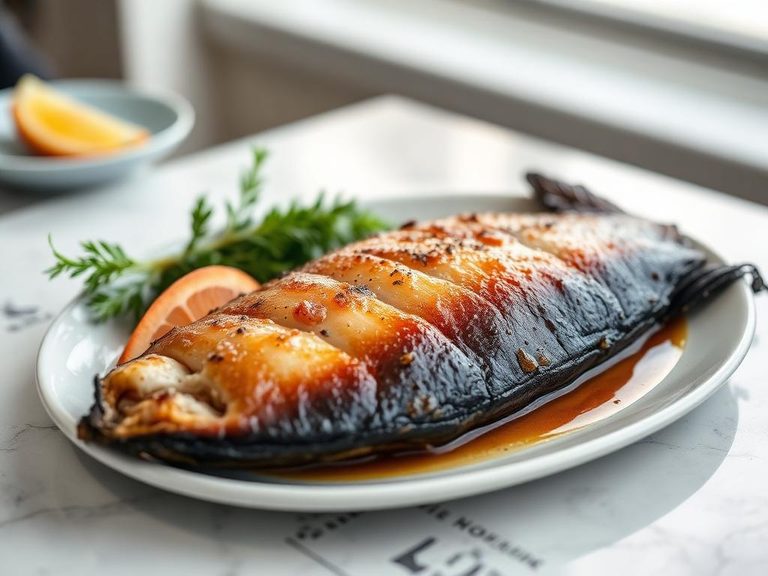
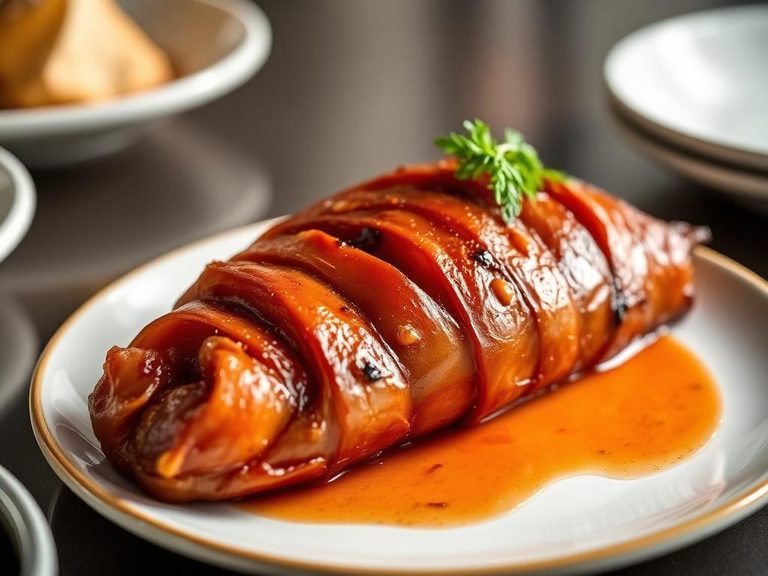
Whale flipper, smoked, is a traditional delicacy in certain Arctic and coastal communities, particularly among Indigenous Inuit and other Northern peoples. The dish typically consists of the flipper (pectoral fin) of a whale, which is often cured with salt and then smoked over a slow fire, giving it a distinct flavor and preservation. It is considered a source of sustenance and cultural heritage in regions like Greenland, Iceland, and parts of Canada and Alaska.
🍽️ Nutrition at a glance
Smoked whale flipper is high in protein and fat, providing a dense source of energy and essential nutrients like omega-3 fatty acids, vitamin D, and iron. A typical serving contains roughly 250-350 calories, depending on preparation and portion size.
Nutrition breakdown
| Calories | 300 kcal |
| Protein | 25 g |
| Carbs | 0 g |
| Fat | 22 g |
| Fiber | 0 g |
| Sugar | 0 g |
| Sodium | 800 mg |
| Omega-3 (EPA + DHA) | 1.5 g |
| Vitamin D | 10 µg |
| Iron | 3 mg |
| Selenium | 40 µg |
| Vitamin B12 | 8 µg |
| Potassium | 350 mg |
| Phosphorus | 200 mg |
| Zinc | 2 mg |
Per 100 g (about 3.5 oz, a typical portion) · estimated, varies by recipe
💡 What's interesting
Culturally, smoked whale flipper is often associated with communal feasts and traditional hunting practices, symbolizing resilience and connection to the sea. Nutritionally, it is unique for its high concentration of long-chain omega-3s (EPA and DHA), which are rare in land-based foods and support heart and brain health.