Stewed whale flipper
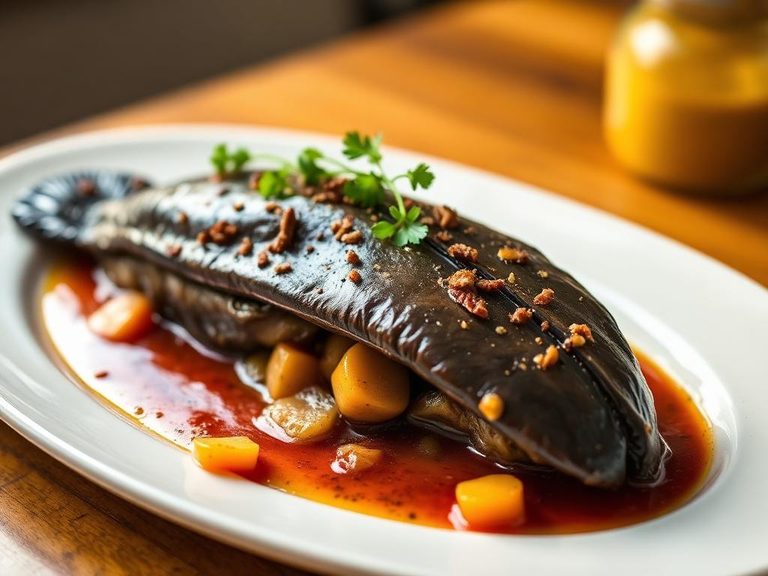
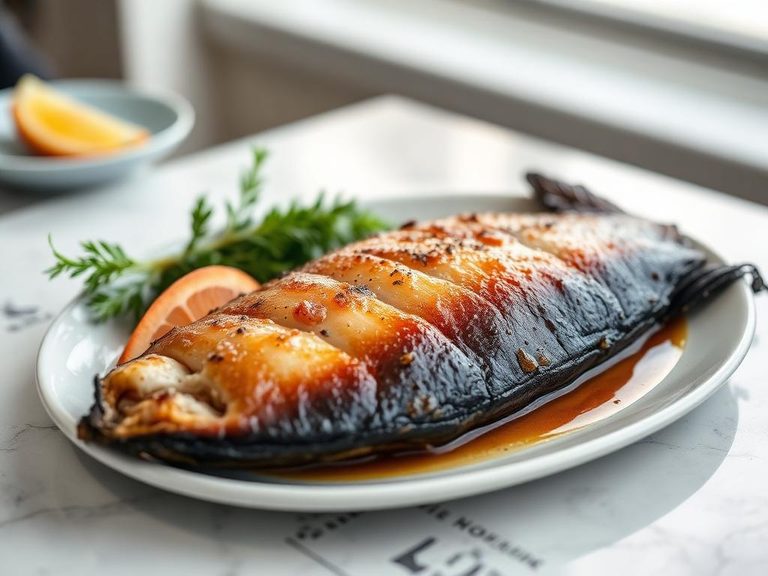
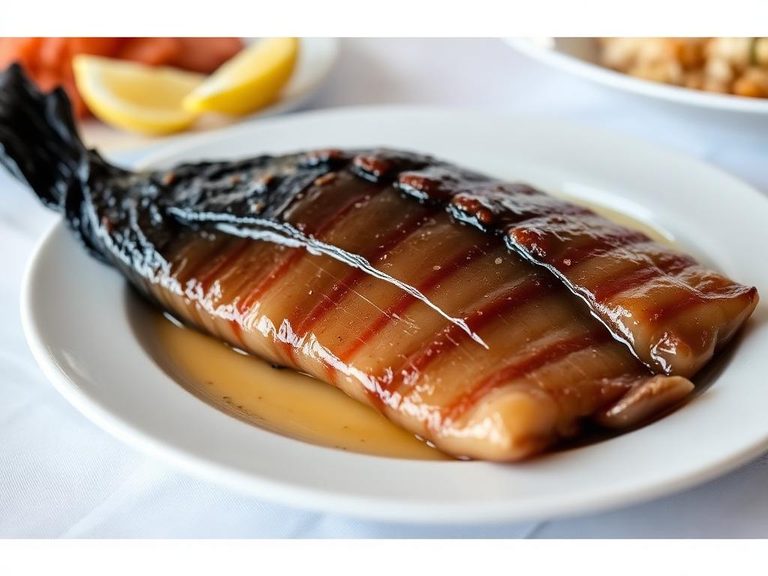
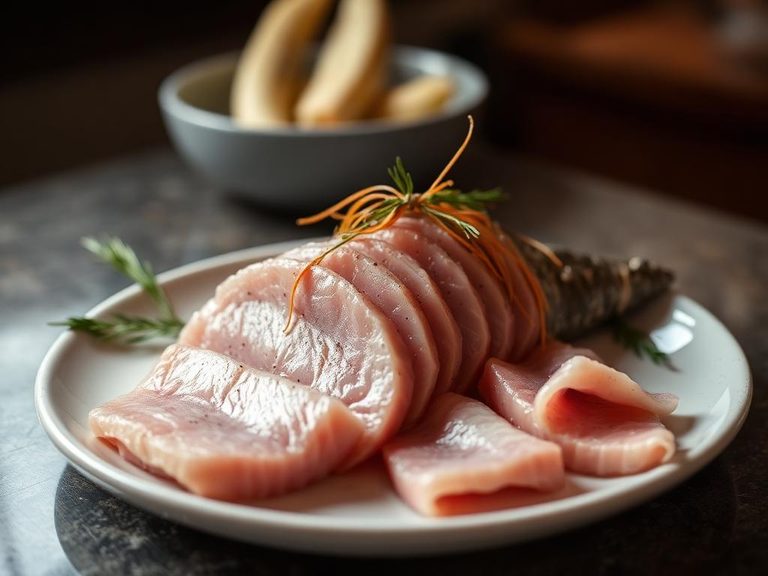
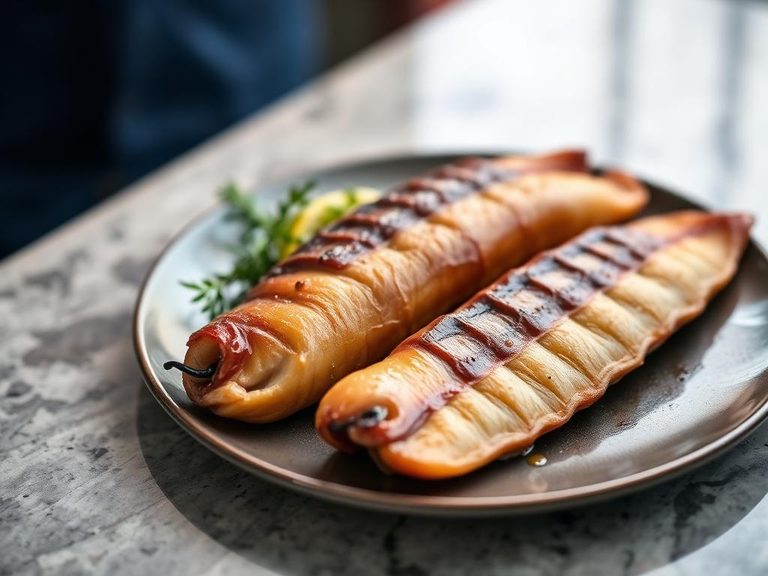
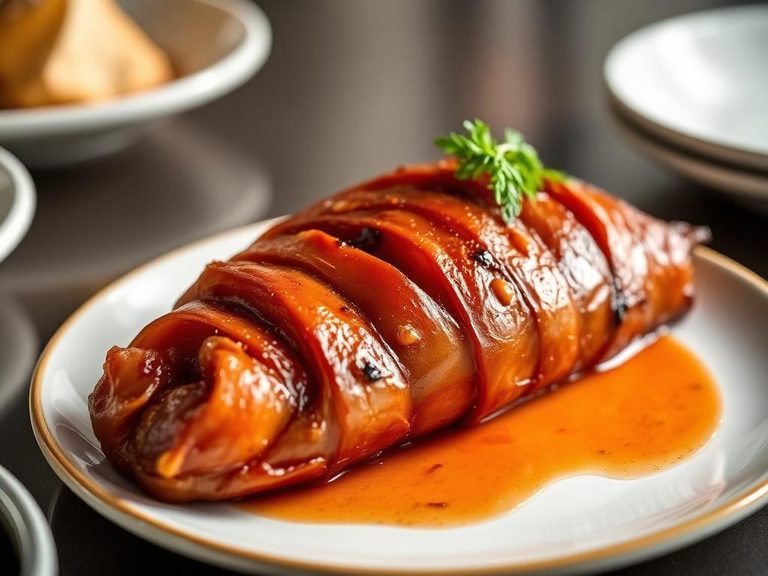
Stewed whale flipper is a traditional dish from certain coastal communities, particularly in parts of Japan and Norway. It involves slow-cooking the flipper, which is rich in skin, fat, and connective tissue, until it becomes tender and gelatinous. The preparation often includes soy sauce, mirin, sugar, and aromatics like ginger to balance the strong marine flavor.
🍽️ Nutrition at a glance
This dish is extremely high in protein and fat, with virtually no carbohydrates. It is a dense source of collagen, omega-3 fatty acids, and minerals like selenium and phosphorus, but a single serving can contain a significant amount of calories and sodium.
Nutrition breakdown
| Calories | 450 kcal |
| Protein | 25 g |
| Carbs | 3 g |
| Fat | 38 g |
| Fiber | 0 g |
| Sugar | 1 g |
| Sodium | 980 mg |
| Selenium | 42 mcg |
| Phosphorus | 310 mg |
| Vitamin B12 | 8.5 mcg |
| Niacin (B3) | 12 mg |
| Omega-3 (EPA+DHA) | 1.2 g |
| Iron | 2.8 mg |
| Zinc | 4.5 mg |
| Collagen | ~15 g |
Per 1 cup (220 g) · estimated, varies by recipe
💡 What's interesting
Culturally, it is considered a specialty or delicacy in its regions of origin, often associated with historical whaling practices. Nutritionally, its high collagen content is notable, which is prized for its potential benefits for skin and joint health.