

Syrups, sorghum
Whole food · Sweets
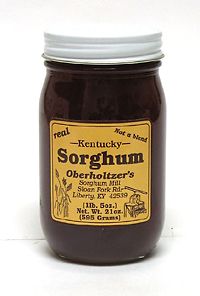
Photo: Wikipedia
Sorghum syrup is a thick, dark, and robustly sweet liquid made by boiling down the juice of sweet sorghum cane. It has a deep, earthy sweetness with notes of molasses and a slightly grassy, almost smoky finish, and a viscous, pourable texture. Nutritionally, it is a concentrated source of pure carbohydrate, providing quick energy with no protein, fat, or fiber.
Calorie split: 0% protein · 100% carbs · 0% fat
↓ Full nutrition💚 Why it's loved
People love sorghum syrup for its unique, robust flavor that adds depth to both sweet and savory dishes, far beyond simple sweetness. It is cherished as a traditional, homegrown American sweetener, evoking a sense of heritage and rustic cooking.
⚠️ Watch-outs & how to enjoy it better
Due to its high sugar content (74.9g per 100g), it can cause rapid blood-sugar spikes, making it a concern for diabetics or those monitoring glycemic response. To mitigate this, pair small amounts with protein or healthy fats (like on whole-grain biscuits with butter) and practice strict portion control.
Key benefits
- Provides a rapid source of energy from natural sugars.
- Contains trace minerals like iron, potassium, and magnesium.
- A traditional, minimally processed sweetener from a resilient grain crop.
- Offers a distinct, complex flavor profile different from refined sugar.
🍽️ Popular dishes
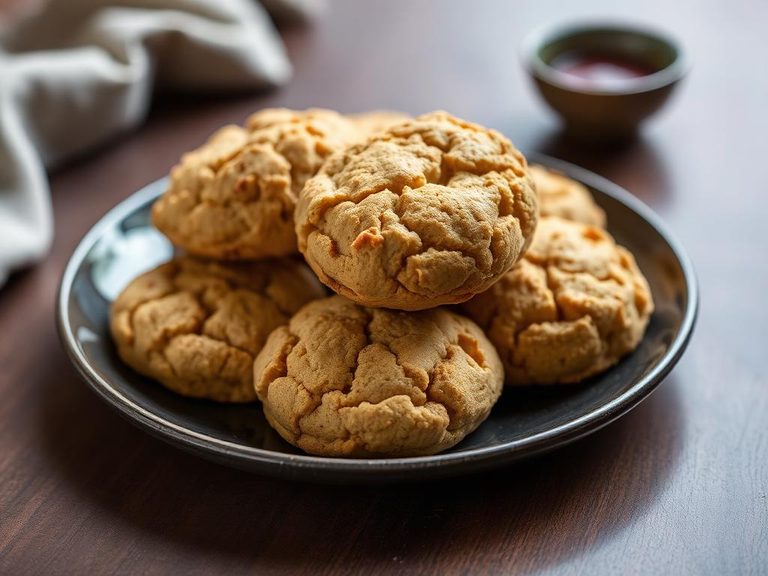
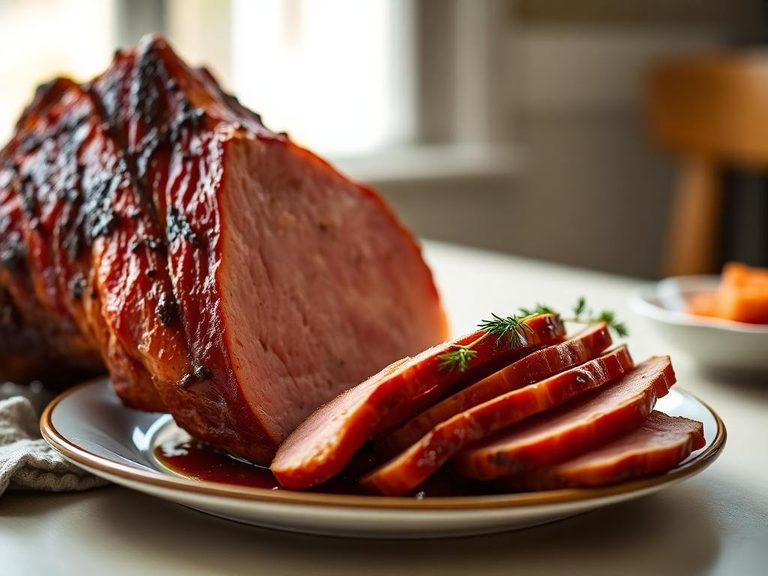
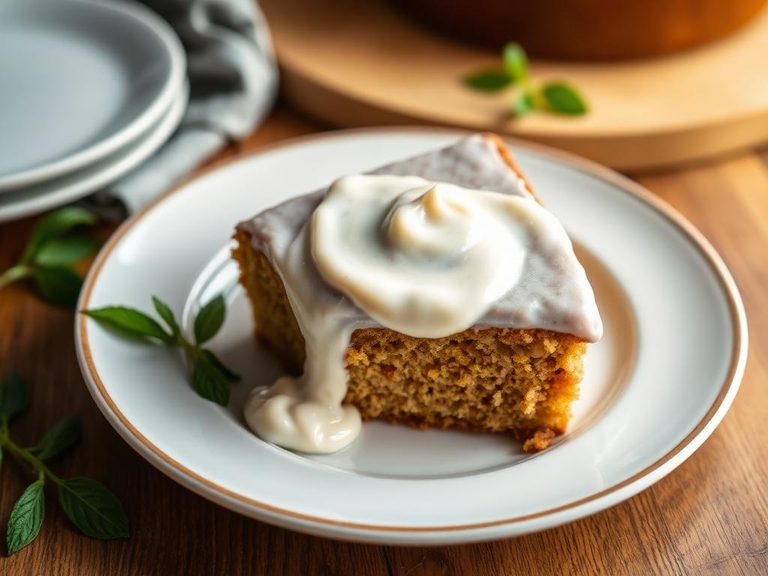
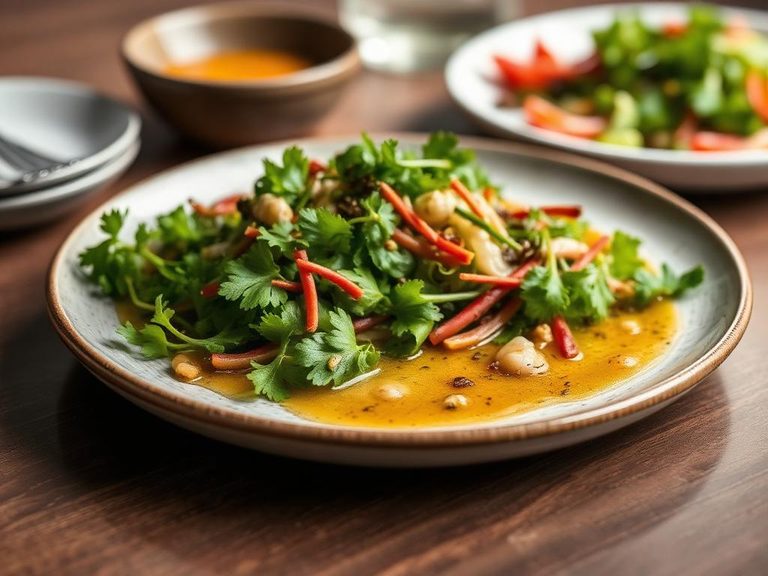
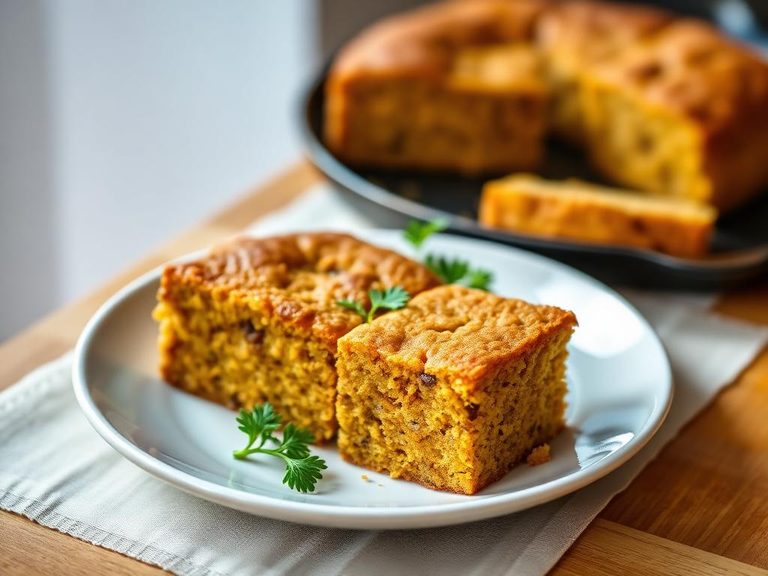
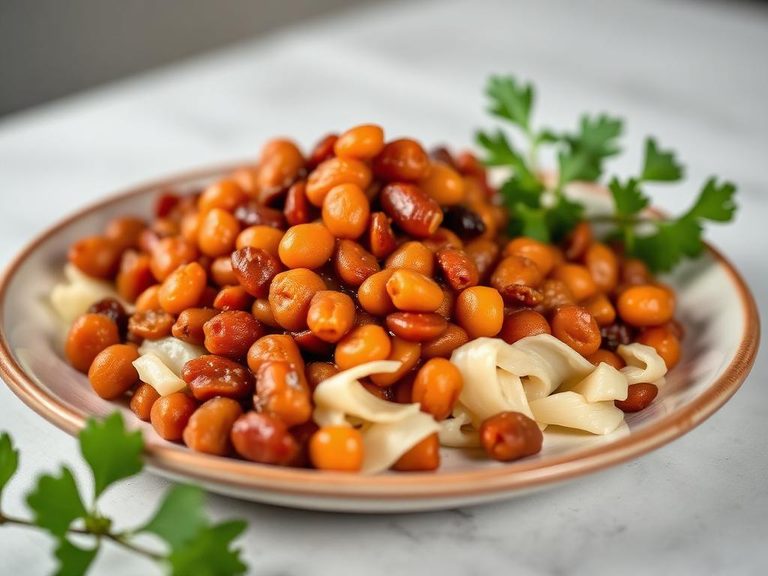
🌍 Where it's eaten
💡 Did you know?
Sorghum was the primary sweetener in much of the United States before the Civil War, as sugarcane couldn't grow in the interior, and its production became a beloved fall tradition called 'sorghum stirring.'
Full nutrition (USDA data · scales with serving)
| Water | 22.7 g |
| Energy | 290 kcal |
| Energy | 1213 kj |
| Protein | 0.00 g |
| Total lipid (fat) | 0.00 g |
| Ash | 2.4 g |
| Carbohydrate, by difference | 74.9 g |
| Fiber, total dietary | 0.00 g |
| Total Sugars | 74.9 g |
| Calcium, Ca | 150 mg |
| Iron, Fe | 3.8 mg |
| Magnesium, Mg | 100 mg |
| Phosphorus, P | 56.0 mg |
| Potassium, K | 1000 mg |
| Sodium, Na | 8.0 mg |
| Zinc, Zn | 0.41 mg |
| Copper, Cu | 0.13 mg |
| Manganese, Mn | 1.5 mg |
| Selenium, Se | 1.7 ug |
| Vitamin C, total ascorbic acid | 0.00 mg |
| Thiamin | 0.10 mg |
| Riboflavin | 0.15 mg |
| Niacin | 0.10 mg |
| Pantothenic acid | 0.80 mg |
| Vitamin B-6 | 0.67 mg |
| Folate, total | 0.00 ug |
| Folic acid | 0.00 ug |
| Folate, food | 0.00 ug |
| Folate, DFE | 0.00 ug |
| Choline, total | 13.3 mg |
| Vitamin B-12 | 0.00 ug |
| Vitamin B-12, added | 0.00 ug |
| Vitamin A, RAE | 0.00 ug |
| Retinol | 0.00 ug |
| Carotene, beta | 0.00 ug |
| Carotene, alpha | 0.00 ug |
| Cryptoxanthin, beta | 0.00 ug |
| Vitamin A, IU | 0.00 iu |
| Lycopene | 0.00 ug |
| Lutein + zeaxanthin | 0.00 ug |
| Vitamin E (alpha-tocopherol) | 0.00 mg |
| Vitamin E, added | 0.00 mg |
| Vitamin D (D2 + D3), International Units | 0.00 iu |
| Vitamin D (D2 + D3) | 0.00 ug |
| Vitamin K (phylloquinone) | 0.00 ug |
| Alcohol, ethyl | 0.00 g |
| Caffeine | 0.00 mg |
| Theobromine | 0.00 mg |
Fat & fatty acid profile (per 100g)
| Fatty acids, total saturated | 0.00 g |
| SFA 4:0 | 0.00 g |
| SFA 6:0 | 0.00 g |
| SFA 8:0 | 0.00 g |
| SFA 10:0 | 0.00 g |
| SFA 12:0 | 0.00 g |
| SFA 14:0 | 0.00 g |
| SFA 16:0 | 0.00 g |
| SFA 18:0 | 0.00 g |
| Fatty acids, total monounsaturated | 0.00 g |
| MUFA 16:1 | 0.00 g |
| MUFA 18:1 | 0.00 g |
| MUFA 20:1 | 0.00 g |
| MUFA 22:1 | 0.00 g |
| Fatty acids, total polyunsaturated | 0.00 g |
| PUFA 18:2 | 0.00 g |
| PUFA 18:3 | 0.00 g |
| PUFA 18:4 | 0.00 g |
| PUFA 20:4 | 0.00 g |
| PUFA 20:5 n-3 (EPA) | 0.00 g |
| PUFA 22:5 n-3 (DPA) | 0.00 g |
| PUFA 22:6 n-3 (DHA) | 0.00 g |
| Cholesterol | 0.00 mg |
Amino acid profile (per 100g)
Estimated from Syrups, malt — USDA does not publish this profile for Syrups.
| Tryptophan | 0.07 g |
| Threonine | 0.21 g |
| Isoleucine | 0.21 g |
| Leucine | 0.38 g |
| Lysine | 0.27 g |
| Methionine | 0.11 g |
| Cystine | 0.07 g |
| Phenylalanine | 0.26 g |
| Tyrosine | 0.17 g |
| Valine | 0.30 g |
| Arginine | 0.28 g |
| Histidine | 0.13 g |
| Alanine | 0.27 g |
| Aspartic acid | 0.56 g |
| Glutamic acid | 1.0 g |
| Glycine | 0.25 g |
| Proline | 0.46 g |
| Serine | 0.23 g |
FAQ
How is sorghum syrup different from molasses?
Sorghum syrup is made from the juice of sweet sorghum cane, while molasses is a byproduct of refining sugarcane or sugar beets. Sorghum is generally lighter in color, milder in flavor, and less bitter than blackstrap molasses.
Can I use sorghum syrup as a 1:1 replacement for maple syrup or honey?
While you can substitute it, the flavor is distinctly earthier and less floral than honey or maple. It works best in recipes where its robust taste will complement, not overpower, other ingredients, like in glazes, marinades, or on warm breads.
Is sorghum syrup gluten-free?
Yes, pure sorghum syrup is naturally gluten-free, as it is derived from the sorghum cane, not wheat, barley, or rye. However, always check labels for potential cross-contamination if you have celiac disease.
Nutrient density (calculated · NRF9.3)
Nutrient Rich Foods index: beneficial nutrients (protein, fiber, vitamins, minerals) minus saturated fat, added sugar & sodium, per 100 kcal.
NRF9.3 index — Fulgoni, Keast & Drewnowski, 2009. Computed from USDA nutrients.
Weight-loss friendliness (composite index)
Energy density 2.90 kcal/g · 0% calories from protein · 0.0 g fiber · 74.9 g sugar per 100 g.
Composite of energy density (Rolls et al., 1999), protein & fiber satiety, minus sugar. A calculated heuristic — ranks satiety-per-calorie, not a clinical measure.
Dietary load (calculated from USDA values)
Potential renal acid load. Positive = acid-forming, negative = alkaline-forming.
Sodium-to-potassium ratio: 0.01 (lower is better — aim for ≤ 1)
Sodium:potassium per WHO potassium guidance. Computed from USDA nutrients.