

Squash, winter, hubbard, raw
Whole food · Vegetables and Vegetable Products

Photo: Wikipedia
Hubbard squash is a large, knobbly winter squash with a hard, blue-gray or orange shell and sweet, dense, orange flesh. When raw, it has a firm, slightly waxy texture and a mild, nutty-sweet flavor reminiscent of sweet potato. Nutritionally, it's a low-calorie powerhouse, packing nearly 4 grams of fiber per 100 grams to support digestion.
Calorie split: 17% protein · 74% carbs · 10% fat
↓ Full nutrition💚 Why it's loved
People love its rich, sweet flavor that intensifies when roasted or baked, making it a comforting staple in autumn and winter. Its versatility allows it to be mashed, souped, or stuffed, and its large size makes it perfect for feeding a crowd or preserving.
⚠️ Watch-outs & how to enjoy it better
Its tough, thick rind can be difficult to cut and peel, posing a kitchen challenge. While its natural sugars are healthy, those monitoring blood sugar should be mindful of portion size when consuming it as a sweetened dish. Counteract by pairing it with protein (like beans or nuts) or healthy fats (like olive oil or cheese) in a meal to slow sugar absorption.
Key benefits
- Excellent source of beta-carotene (vitamin A precursor)
- High in fiber for digestive health and satiety
- Very low in fat and calories
- Contains vitamin C and potassium
- Naturally gluten-free and versatile
🍽️ Popular dishes
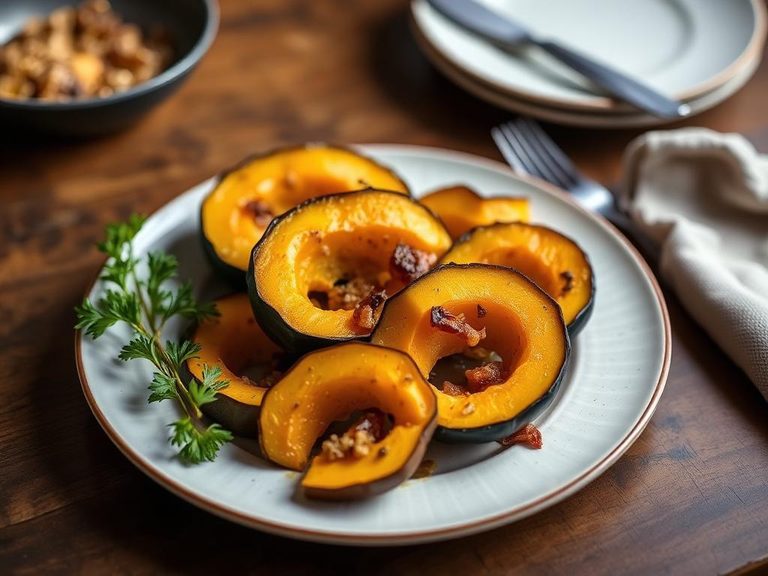
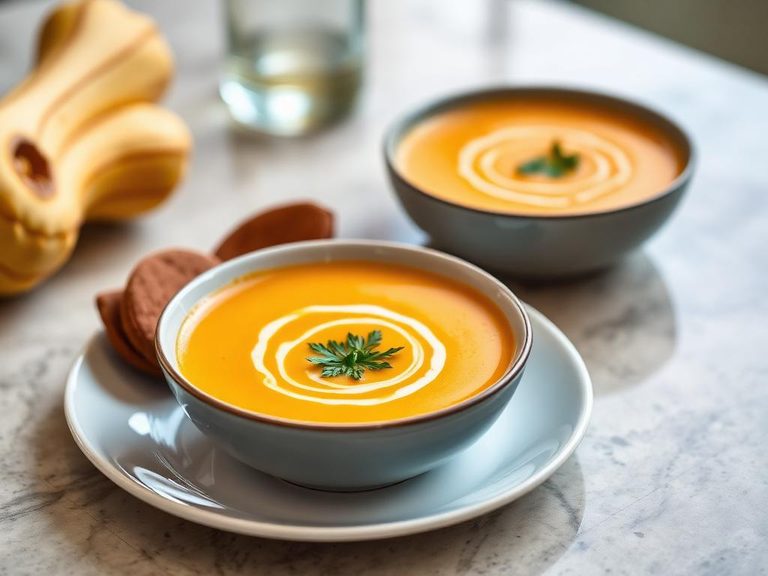
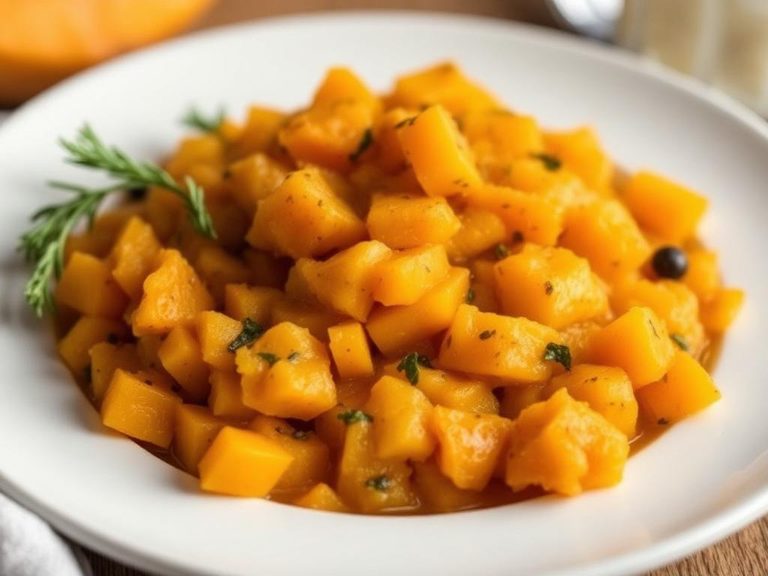
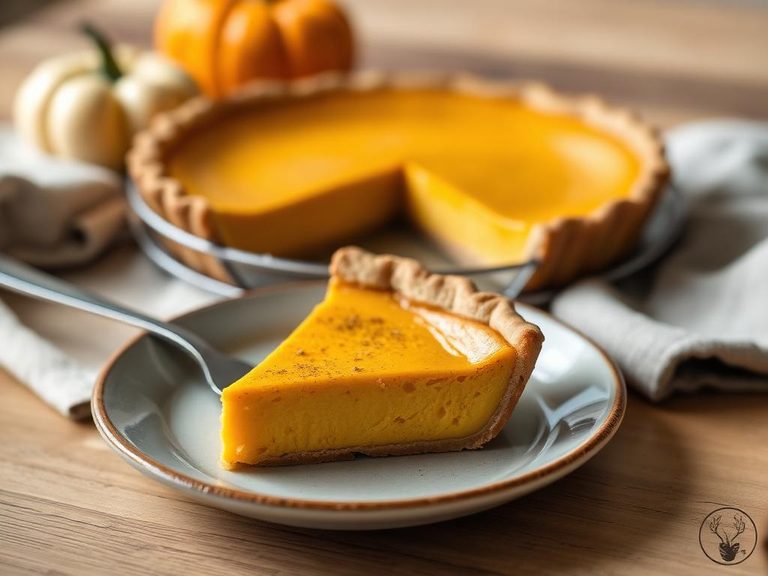
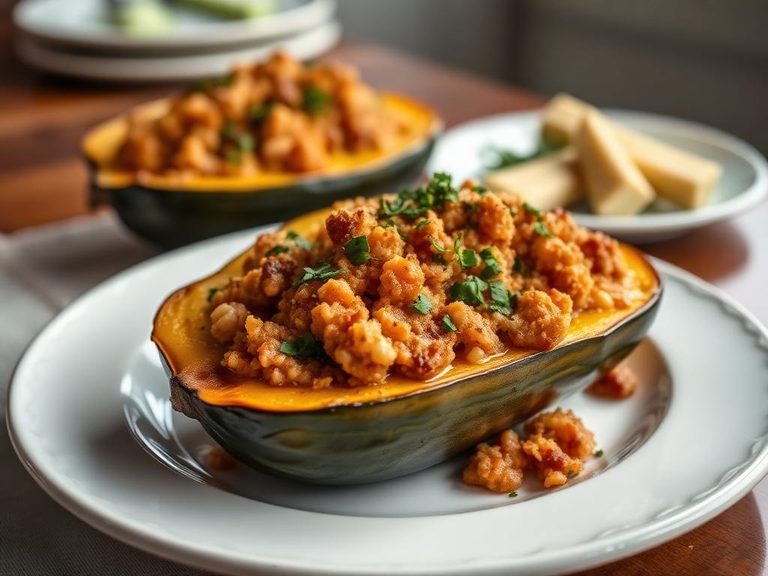
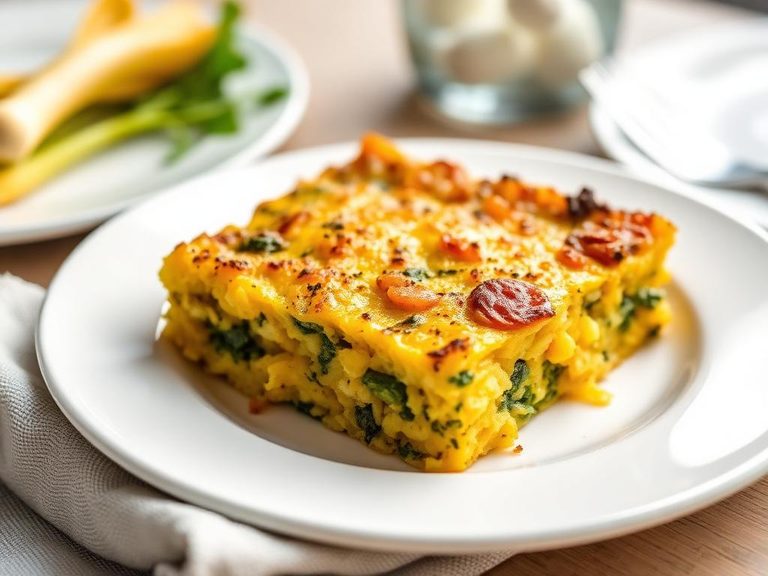
🌍 Where it's eaten
💡 Did you know?
Hubbard squash was named after an early 19th-century New England woman, Elizabeth Hubbard, who popularized it after receiving seeds from a friend.
Full nutrition (USDA data · scales with serving)
| Water | 88.0 g |
| Energy | 40.0 kcal |
| Energy | 167 kj |
| Protein | 2.0 g |
| Total lipid (fat) | 0.50 g |
| Ash | 0.80 g |
| Carbohydrate, by difference | 8.7 g |
| Fiber, total dietary | 3.9 g |
| Total Sugars | 4.0 g |
| Calcium, Ca | 14.0 mg |
| Iron, Fe | 0.40 mg |
| Magnesium, Mg | 19.0 mg |
| Phosphorus, P | 21.0 mg |
| Potassium, K | 320 mg |
| Sodium, Na | 7.0 mg |
| Zinc, Zn | 0.13 mg |
| Copper, Cu | 0.06 mg |
| Manganese, Mn | 0.18 mg |
| Selenium, Se | 0.50 ug |
| Vitamin C, total ascorbic acid | 11.0 mg |
| Thiamin | 0.07 mg |
| Riboflavin | 0.04 mg |
| Niacin | 0.50 mg |
| Pantothenic acid | 0.40 mg |
| Vitamin B-6 | 0.15 mg |
| Folate, total | 16.0 ug |
| Folic acid | 0.00 ug |
| Folate, food | 16.0 ug |
| Folate, DFE | 16.0 ug |
| Choline, total | 11.8 mg |
| Vitamin B-12 | 0.00 ug |
| Vitamin A, RAE | 68.0 ug |
| Retinol | 0.00 ug |
| Carotene, beta | 820 ug |
| Carotene, alpha | 0.00 ug |
| Cryptoxanthin, beta | 0.00 ug |
| Vitamin A, IU | 1367 iu |
| Lycopene | 0.00 ug |
| Lutein + zeaxanthin | 0.00 ug |
| Vitamin E (alpha-tocopherol) | 0.16 mg |
| Vitamin E, added | 0.00 mg |
| Vitamin D (D2 + D3), International Units | 0.00 iu |
| Vitamin D (D2 + D3) | 0.00 ug |
| Vitamin K (phylloquinone) | 1.3 ug |
| Alcohol, ethyl | 0.00 g |
| Caffeine | 0.00 mg |
| Theobromine | 0.00 mg |
Fat & fatty acid profile (per 100g)
| Fatty acids, total saturated | 0.10 g |
| SFA 4:0 | 0.00 g |
| SFA 6:0 | 0.00 g |
| SFA 8:0 | 0.00 g |
| SFA 10:0 | 0.00 g |
| SFA 12:0 | 0.00 g |
| SFA 14:0 | 0.00 g |
| SFA 16:0 | 0.09 g |
| SFA 18:0 | 0.01 g |
| Fatty acids, total monounsaturated | 0.04 g |
| MUFA 16:1 | 0.00 g |
| MUFA 18:1 | 0.03 g |
| MUFA 20:1 | 0.00 g |
| MUFA 22:1 | 0.00 g |
| Fatty acids, total polyunsaturated | 0.21 g |
| PUFA 18:2 | 0.08 g |
| PUFA 18:3 | 0.13 g |
| PUFA 18:4 | 0.00 g |
| PUFA 20:4 | 0.00 g |
| PUFA 20:5 n-3 (EPA) | 0.00 g |
| PUFA 22:5 n-3 (DPA) | 0.00 g |
| PUFA 22:6 n-3 (DHA) | 0.00 g |
| Fatty acids, total trans | 0.00 g |
| Cholesterol | 0.00 mg |
Amino acid profile (per 100g)
| Tryptophan | 0.03 g |
| Threonine | 0.06 g |
| Isoleucine | 0.08 g |
| Leucine | 0.11 g |
| Lysine | 0.07 g |
| Methionine | 0.03 g |
| Cystine | 0.02 g |
| Phenylalanine | 0.08 g |
| Tyrosine | 0.07 g |
| Valine | 0.09 g |
| Arginine | 0.11 g |
| Histidine | 0.04 g |
| Alanine | 0.08 g |
| Aspartic acid | 0.21 g |
| Glutamic acid | 0.35 g |
| Glycine | 0.07 g |
| Proline | 0.07 g |
| Serine | 0.08 g |
FAQ
How do I cut and prepare a whole Hubbard squash?
Use a sharp, heavy chef's knife. First, carefully pierce the hard shell in several places and microwave for 2-3 minutes to soften it slightly. Then, cut it in half lengthwise, scoop out the seeds, and slice into wedges. The rind can be left on for roasting or peeled with a sturdy vegetable peeler after cooking.
What's the difference between raw and cooked Hubbard squash nutrition?
Cooking concentrates the natural sugars and calories slightly, but also makes nutrients like beta-carotene more bioavailable. The fiber content remains high. Roasting or baking without added fats keeps it a very healthy preparation.
Can I eat the skin of Hubbard squash?
The skin is edible but very tough when raw. It softens considerably when roasted or baked, especially if cut into thin wedges. Many people prefer to peel it before cooking or scoop the flesh from the skin after it's tender.
Nutrient density (calculated · NRF9.3)
Nutrient Rich Foods index: beneficial nutrients (protein, fiber, vitamins, minerals) minus saturated fat, added sugar & sodium, per 100 kcal.
NRF9.3 index — Fulgoni, Keast & Drewnowski, 2009. Computed from USDA nutrients.
Weight-loss friendliness (composite index)
Energy density 0.40 kcal/g · 20% calories from protein · 3.9 g fiber · 4.0 g sugar per 100 g.
Composite of energy density (Rolls et al., 1999), protein & fiber satiety, minus sugar. A calculated heuristic — ranks satiety-per-calorie, not a clinical measure.
Dietary load (calculated from USDA values)
Potential renal acid load. Positive = acid-forming, negative = alkaline-forming.
Sodium-to-potassium ratio: 0.02 (lower is better — aim for ≤ 1)
Sodium:potassium per WHO potassium guidance. Computed from USDA nutrients.