

Spices, marjoram, dried
Whole food · Spices and Herbs

Photo: Wikipedia
Dried marjoram is a fragrant, slightly sweet, and earthy herb with a flavor profile softer and more floral than its cousin oregano. Its fine, crumbly texture makes it ideal for seasoning, and it's a surprisingly dense source of dietary fiber, offering over 40g per 100g.
Calorie split: 14% protein · 68% carbs · 18% fat
↓ Full nutrition💚 Why it's loved
People love marjoram for its delicate, warm, and slightly peppery flavor that enhances without overpowering, making it a versatile staple in Mediterranean and Middle Eastern kitchens. It's cherished for its ability to bring a subtle, aromatic depth to soups, stews, and roasted vegetables.
⚠️ Watch-outs & how to enjoy it better
While generally safe, dried marjoram is very high in fiber, which can cause digestive discomfort like bloating if consumed in large quantities. To counteract this, start with small amounts (e.g., 1/4 teaspoon) and ensure adequate water intake; it's also best used as a seasoning, not a primary food source.
Key benefits
- Excellent source of dietary fiber (40.3g per 100g)
- Rich in plant-based protein (12.66g per 100g)
- Contains antioxidants like rosmarinic acid
- Low in sugar (4.09g per 100g)
- Adds flavor without sodium or fat
🍽️ Popular dishes
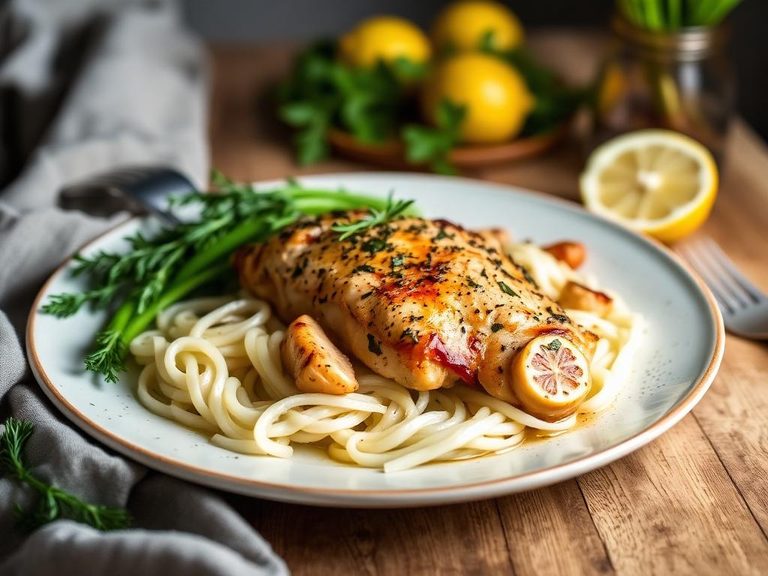
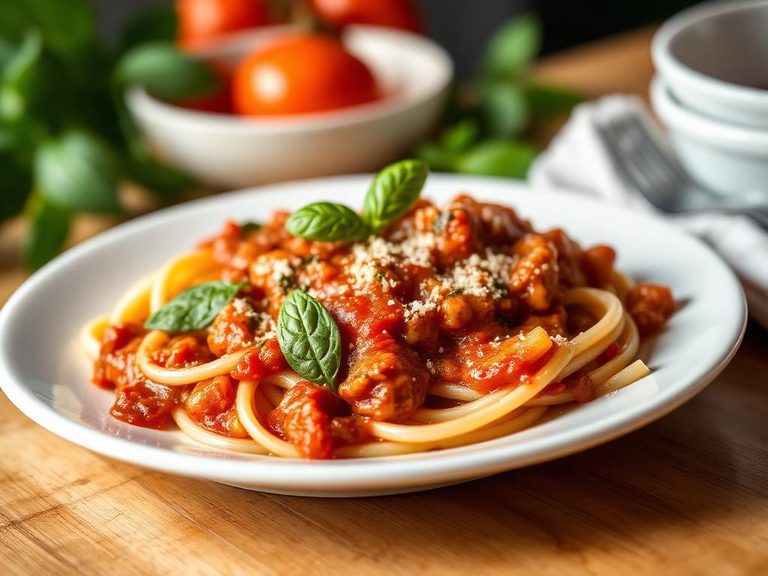
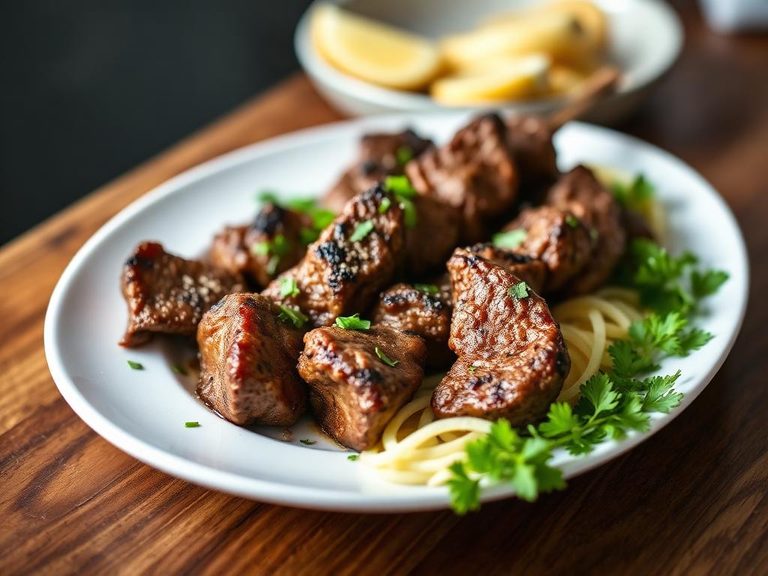
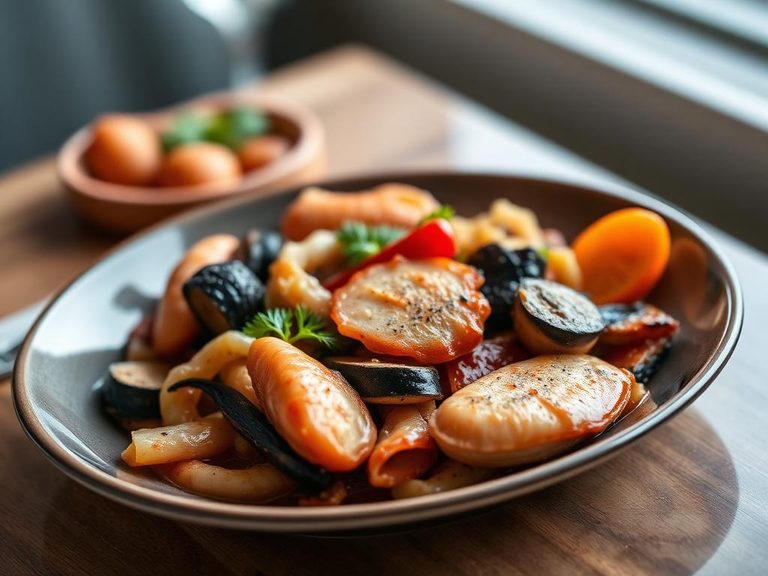
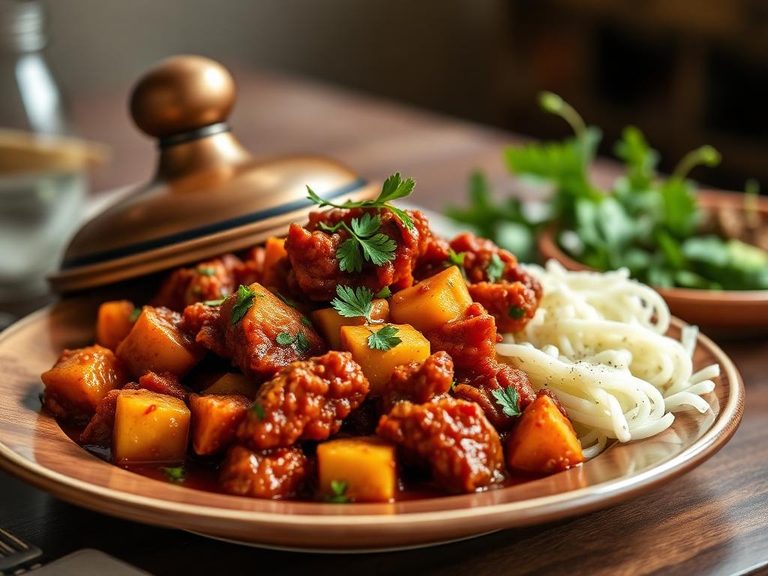
🌍 Where it's eaten
💡 Did you know?
Ancient Greeks believed marjoram was a symbol of happiness and used it to crown newlyweds.
Full nutrition (USDA data · scales with serving)
| Water | 7.6 g |
| Energy | 271 kcal |
| Energy | 1136 kj |
| Protein | 12.7 g |
| Total lipid (fat) | 7.0 g |
| Ash | 12.1 g |
| Carbohydrate, by difference | 60.6 g |
| Fiber, total dietary | 40.3 g |
| Total Sugars | 4.1 g |
| Calcium, Ca | 1990 mg |
| Iron, Fe | 82.7 mg |
| Magnesium, Mg | 346 mg |
| Phosphorus, P | 306 mg |
| Potassium, K | 1522 mg |
| Sodium, Na | 77.0 mg |
| Zinc, Zn | 3.6 mg |
| Copper, Cu | 1.1 mg |
| Manganese, Mn | 5.4 mg |
| Selenium, Se | 4.5 ug |
| Vitamin C, total ascorbic acid | 51.4 mg |
| Thiamin | 0.29 mg |
| Riboflavin | 0.32 mg |
| Niacin | 4.1 mg |
| Vitamin B-6 | 1.2 mg |
| Folate, total | 274 ug |
| Folic acid | 0.00 ug |
| Folate, food | 274 ug |
| Folate, DFE | 274 ug |
| Choline, total | 43.6 mg |
| Vitamin B-12 | 0.00 ug |
| Vitamin B-12, added | 0.00 ug |
| Vitamin A, RAE | 403 ug |
| Retinol | 0.00 ug |
| Carotene, beta | 4806 ug |
| Carotene, alpha | 0.00 ug |
| Cryptoxanthin, beta | 70.0 ug |
| Vitamin A, IU | 8068 iu |
| Lycopene | 0.00 ug |
| Lutein + zeaxanthin | 1895 ug |
| Vitamin E (alpha-tocopherol) | 1.7 mg |
| Vitamin E, added | 0.00 mg |
| Vitamin D (D2 + D3), International Units | 0.00 iu |
| Vitamin D (D2 + D3) | 0.00 ug |
| Vitamin K (phylloquinone) | 622 ug |
| Alcohol, ethyl | 0.00 g |
| Caffeine | 0.00 mg |
| Theobromine | 0.00 mg |
Fat & fatty acid profile (per 100g)
| Fatty acids, total saturated | 0.53 g |
| SFA 4:0 | 0.00 g |
| SFA 6:0 | 0.00 g |
| SFA 8:0 | 0.00 g |
| SFA 10:0 | 0.00 g |
| SFA 12:0 | 0.00 g |
| SFA 14:0 | 0.00 g |
| SFA 16:0 | 0.29 g |
| SFA 18:0 | 0.23 g |
| Fatty acids, total monounsaturated | 0.94 g |
| MUFA 16:1 | 0.00 g |
| MUFA 18:1 | 0.94 g |
| MUFA 20:1 | 0.00 g |
| MUFA 22:1 | 0.00 g |
| Fatty acids, total polyunsaturated | 4.4 g |
| PUFA 18:2 | 1.2 g |
| PUFA 18:3 | 3.2 g |
| PUFA 18:4 | 0.00 g |
| PUFA 20:4 | 0.00 g |
| PUFA 20:5 n-3 (EPA) | 0.00 g |
| PUFA 22:5 n-3 (DPA) | 0.00 g |
| PUFA 22:6 n-3 (DHA) | 0.00 g |
| Fatty acids, total trans | 0.00 g |
| Cholesterol | 0.00 mg |
| Phytosterols | 60.0 mg |
Amino acid profile (per 100g)
Estimated from Spices, garlic powder — USDA does not publish this profile for Spices.
| Tryptophan | 0.12 g |
| Threonine | 0.37 g |
| Isoleucine | 0.41 g |
| Leucine | 0.73 g |
| Lysine | 0.77 g |
| Methionine | 0.11 g |
| Cystine | 0.25 g |
| Phenylalanine | 0.53 g |
| Tyrosine | 0.45 g |
| Valine | 0.67 g |
| Arginine | 3.4 g |
| Histidine | 0.26 g |
| Alanine | 0.48 g |
| Aspartic acid | 1.9 g |
| Glutamic acid | 3.7 g |
| Glycine | 0.53 g |
| Proline | 1.4 g |
| Serine | 0.51 g |
| Hydroxyproline | 0.00 g |
FAQ
What is the difference between marjoram and oregano?
Marjoram is milder, sweeter, and more floral, while oregano is stronger, more pungent, and peppery. They are related but have distinct flavor profiles.
Can I use fresh marjoram instead of dried?
Yes, but the flavor is more delicate. Use about 3 times the amount of fresh marjoram to replace dried (e.g., 1 tablespoon fresh for 1 teaspoon dried).
How should I store dried marjoram?
Keep it in an airtight container in a cool, dark place like a pantry. It will retain its flavor for about 1-2 years.
Nutrient density (calculated · NRF9.3)
Nutrient Rich Foods index: beneficial nutrients (protein, fiber, vitamins, minerals) minus saturated fat, added sugar & sodium, per 100 kcal.
NRF9.3 index — Fulgoni, Keast & Drewnowski, 2009. Computed from USDA nutrients.
Weight-loss friendliness (composite index)
Energy density 2.71 kcal/g · 19% calories from protein · 40.3 g fiber · 4.1 g sugar per 100 g.
Composite of energy density (Rolls et al., 1999), protein & fiber satiety, minus sugar. A calculated heuristic — ranks satiety-per-calorie, not a clinical measure.
Dietary load (calculated from USDA values)
Potential renal acid load. Positive = acid-forming, negative = alkaline-forming.
Sodium-to-potassium ratio: 0.05 (lower is better — aim for ≤ 1)
Sodium:potassium per WHO potassium guidance. Computed from USDA nutrients.