Italian pasta sauce
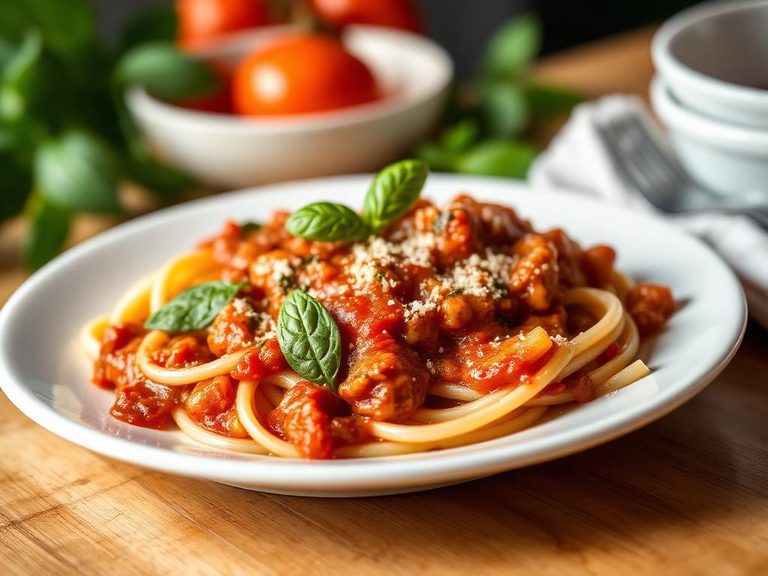
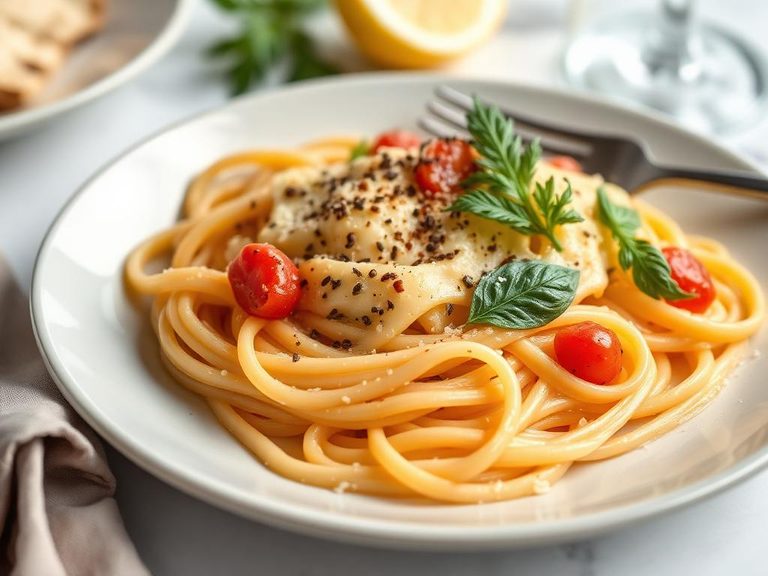
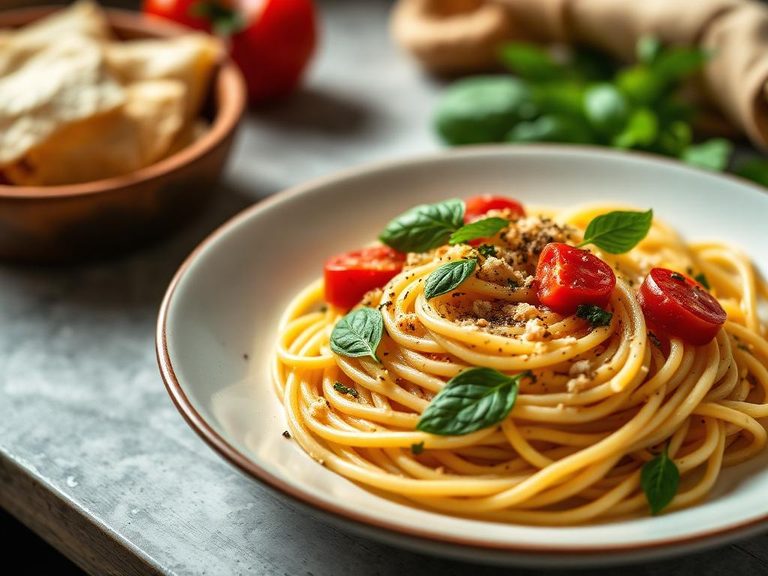
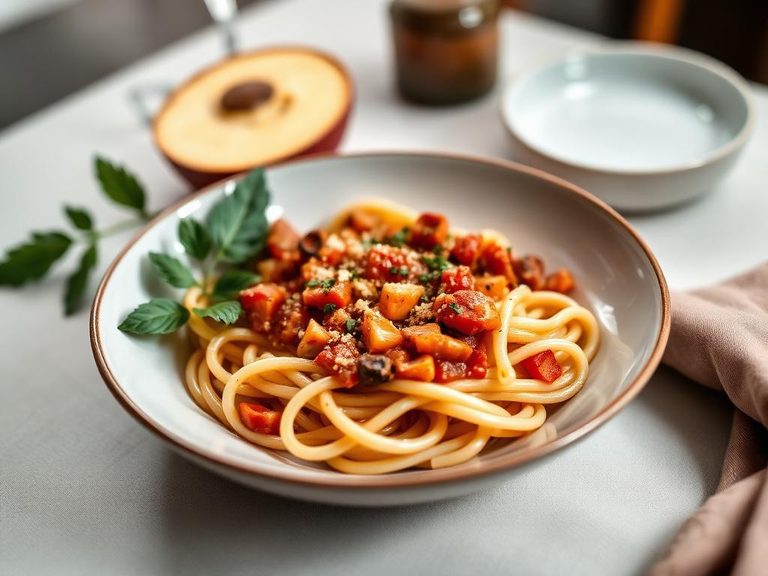
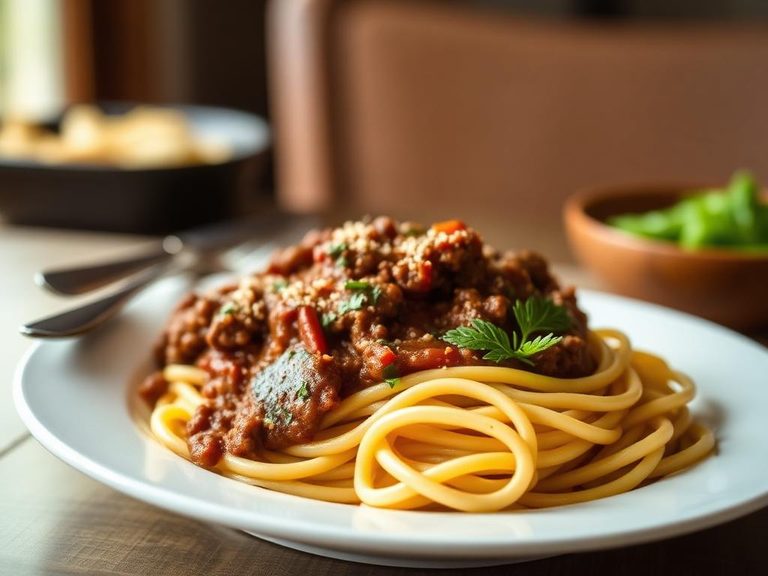
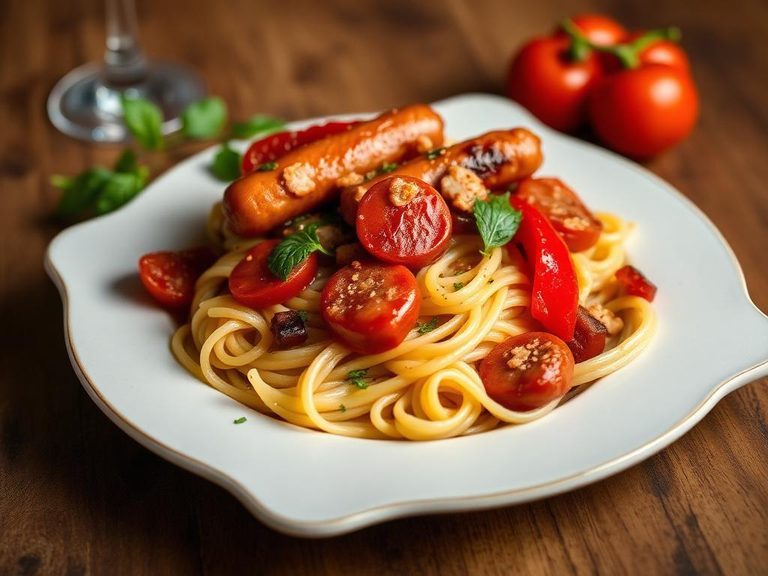
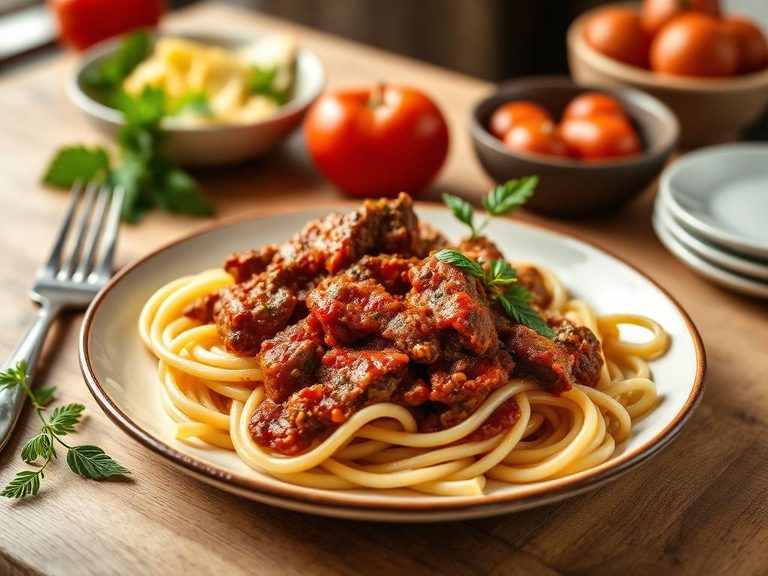
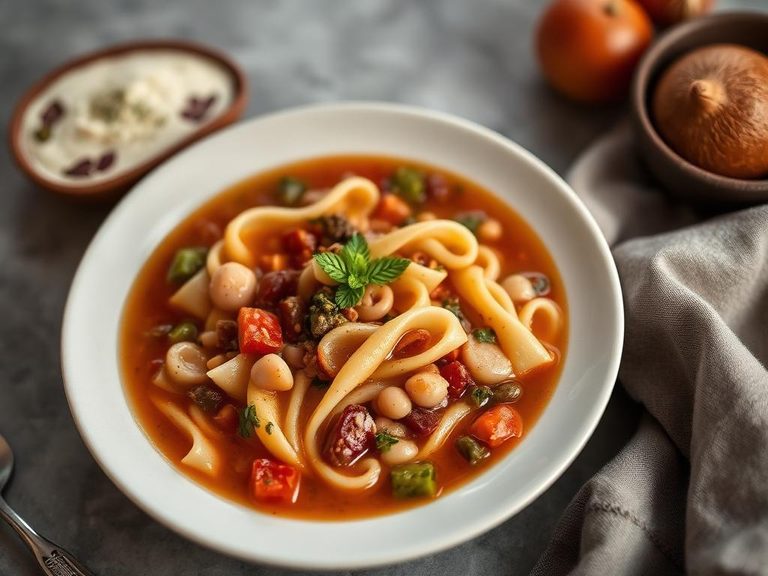
Italian pasta sauce, most commonly known as 'ragù' or 'sugo,' is a rich, slow-cooked sauce that forms the heart of many classic pasta dishes. Its base typically includes tomatoes, onions, carrots, celery, garlic, and herbs like basil and oregano, often simmered with ground meat (like beef or pork) or left vegetarian. While originating from Italy, its countless regional variations have made it a global staple.
🍳 View the full Italian pasta sauce recipe →
🍽️ Nutrition at a glance
A typical meat-based sauce is moderate in protein from the meat and provides vitamins like lycopene (from tomatoes) and A (from carrots), but can be high in fat depending on the meat and oil used. A standard 1/2 cup serving usually ranges from 150 to 250 calories.
Nutrition breakdown
| Calories | 130 kcal |
| Protein | 3.5 g |
| Carbs | 18 g |
| Fat | 5 g |
| Fiber | 4 g |
| Sugar | 10 g |
| Sodium | 750 mg |
| Vitamin C | 25 mg |
| Vitamin A | 800 IU |
| Potassium | 450 mg |
| Iron | 2.5 mg |
| Calcium | 40 mg |
| Lycopene | 12 mg |
| Vitamin K | 8 mcg |
| Folate | 30 mcg |
Per 1 cup (245 g) · estimated, varies by recipe
💡 What's interesting
The slow simmering process, often called 'soffritto' for the vegetable base, is a cultural cornerstone, believed to develop deeper, more complex flavors. Nutritionally, cooking tomatoes increases the bioavailability of the antioxidant lycopene, making the sauce a surprisingly good source of this heart-healthy compound.