

Italian Fresh Pasta
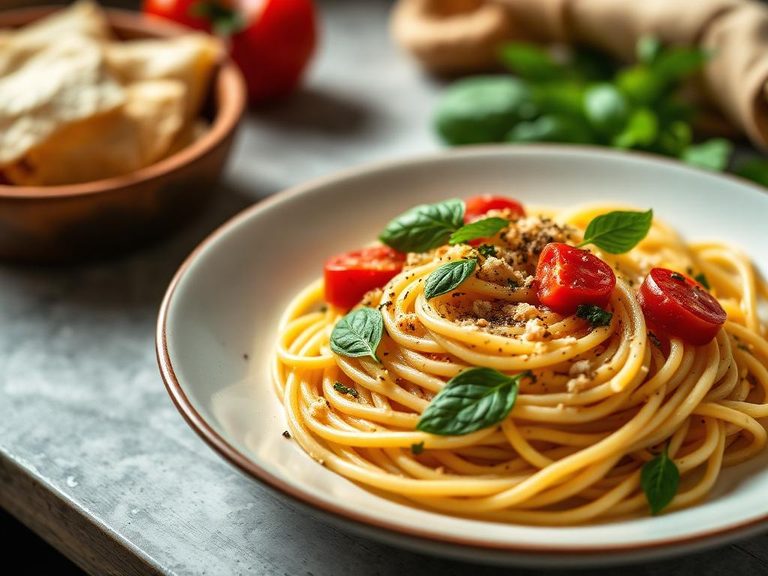
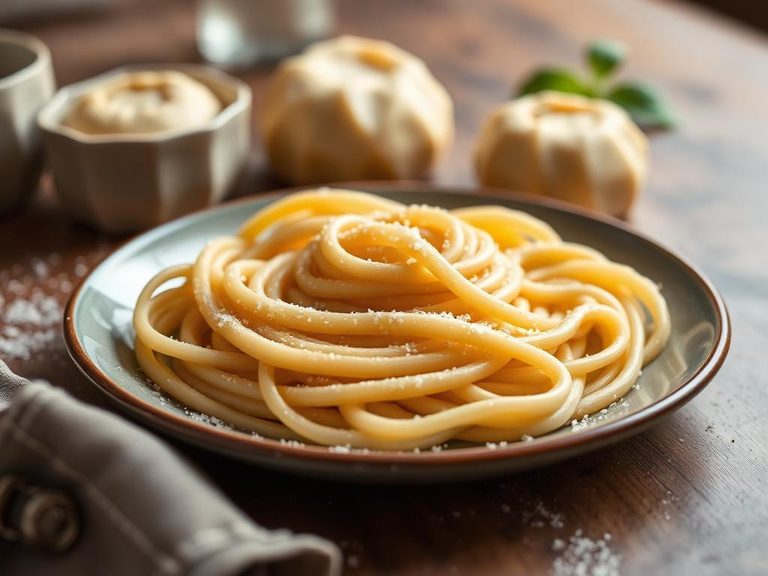
Italian fresh pasta, or 'pasta fresca,' is a beloved staple made from simple ingredients like durum wheat flour, eggs, and a pinch of salt, kneaded into a smooth dough and rolled thin. Originating from various regions across Italy, its shapes and preparations vary widely, from silky fettuccine in the north to delicate orecchiette in the south, often paired with regional sauces.
🍳 View the full Italian Fresh Pasta recipe →
🍽️ Nutrition at a glance
Fresh pasta is primarily a source of carbohydrates for energy, with moderate protein from the eggs and flour, and relatively low fat unless served with rich sauces. A typical 1-cup serving of cooked pasta provides around 200-250 calories, along with B vitamins and iron.
Nutrition breakdown
| Calories | 220 kcal |
| Protein | 8 g |
| Carbs | 40 g |
| Fat | 2.5 g |
| Fiber | 2 g |
| Sugar | 1.5 g |
| Sodium | 5 mg |
| Iron | 2.5 mg |
| Thiamin (B1) | 0.5 mg |
| Niacin (B3) | 4.5 mg |
| Folate | 120 µg |
| Selenium | 25 µg |
| Manganese | 0.6 mg |
| Phosphorus | 100 mg |
| Magnesium | 25 mg |
Per 1 cup (140 g) · estimated, varies by recipe
💡 What's interesting
Culturally, fresh pasta is a symbol of Italian culinary artistry, often handmade in homes and restaurants, with recipes passed down through generations. Nutritionally, its fresh preparation can offer a slightly softer texture and more delicate flavor compared to dried pasta, making it a versatile canvas for a wide array of ingredients.
🍽️ Related dishes
AI estimate may be inaccurate · Terms