

Spices, cumin seed
Whole food · Spices and Herbs
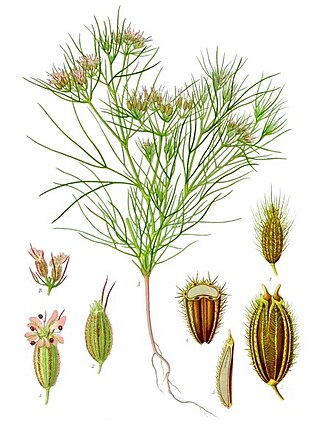
Photo: Wikipedia
Cumin seed is the dried fruit of a small flowering plant, prized for its warm, earthy, and slightly nutty flavor with a hint of citrus. Its texture is firm and ridged, releasing a potent, smoky aroma when toasted or ground. Nutritionally, it's a calorie-dense spice, but a little goes a long way, providing notable fiber and plant-based protein.
Calorie split: 16% protein · 39% carbs · 45% fat
↓ Full nutrition💚 Why it's loved
People love cumin for its transformative, smoky depth that forms the backbone of countless spice blends and savory dishes. Its versatility allows it to anchor flavors in everything from hearty stews to bright salads, connecting cooks to a vast culinary heritage.
⚠️ Watch-outs & how to enjoy it better
In large, concentrated amounts, cumin's strong flavor can overpower a dish and may cause digestive discomfort in some individuals. For those monitoring blood sugar, the high carbohydrate content per 100g is notable, but typical usage (a pinch or teaspoon) is too small to impact blood sugar. Tip: Use it as a flavoring, not a primary ingredient, and pair with fiber-rich vegetables or protein to balance any meal.
Key benefits
- Excellent source of dietary fiber (10.5g per 100g).
- Provides a significant amount of plant-based protein (17.81g per 100g).
- Contains iron, magnesium, and manganese.
- Rich in antioxidants like flavonoids and alkaloids.
- Traditionally used to support digestive comfort.
🍽️ Popular dishes
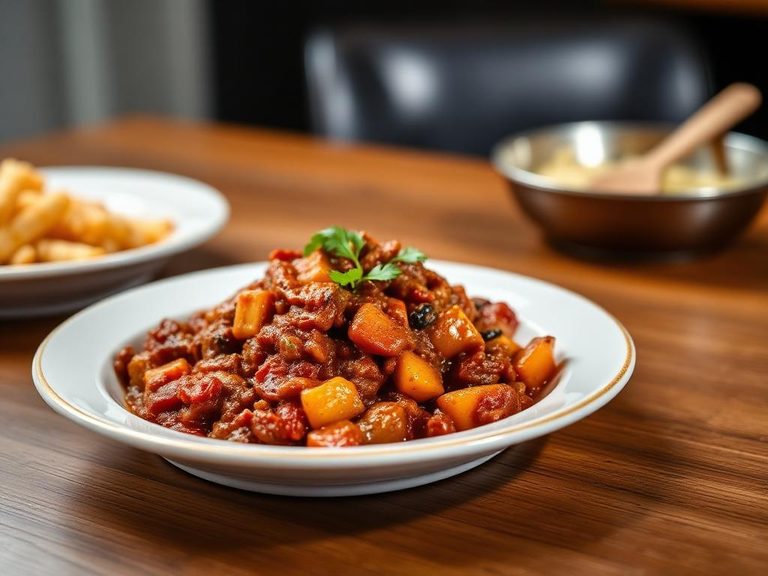
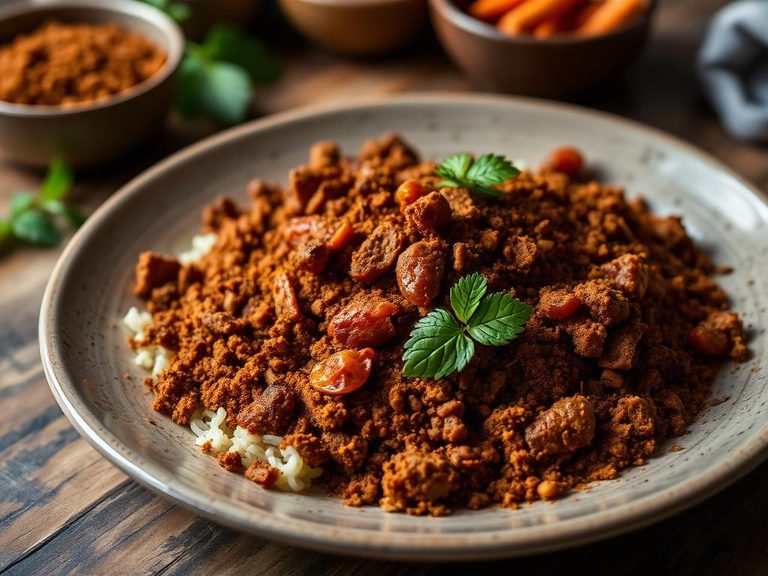
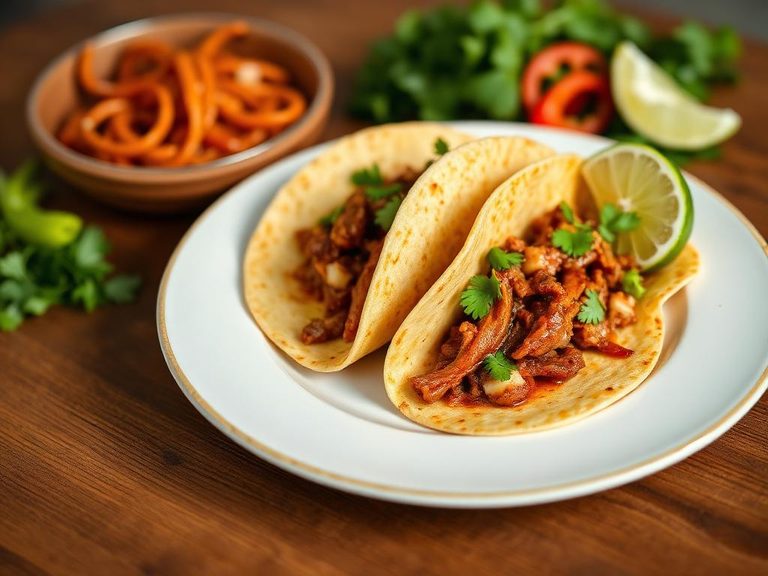
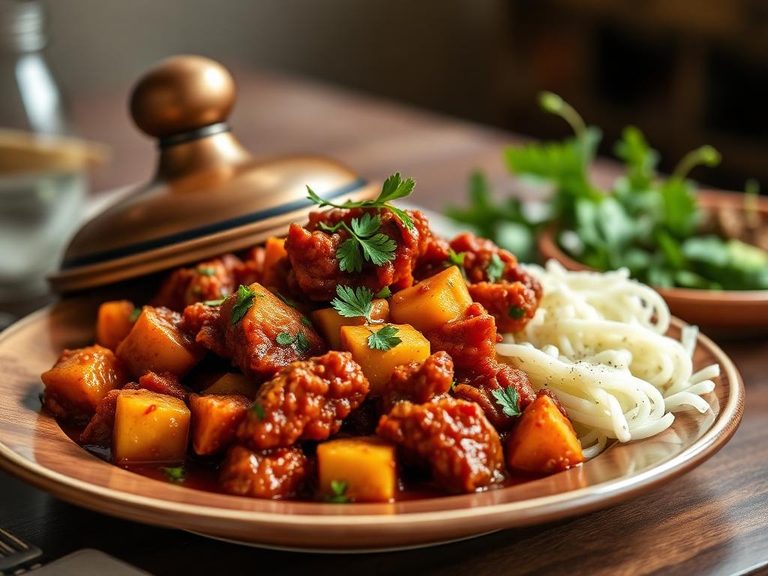
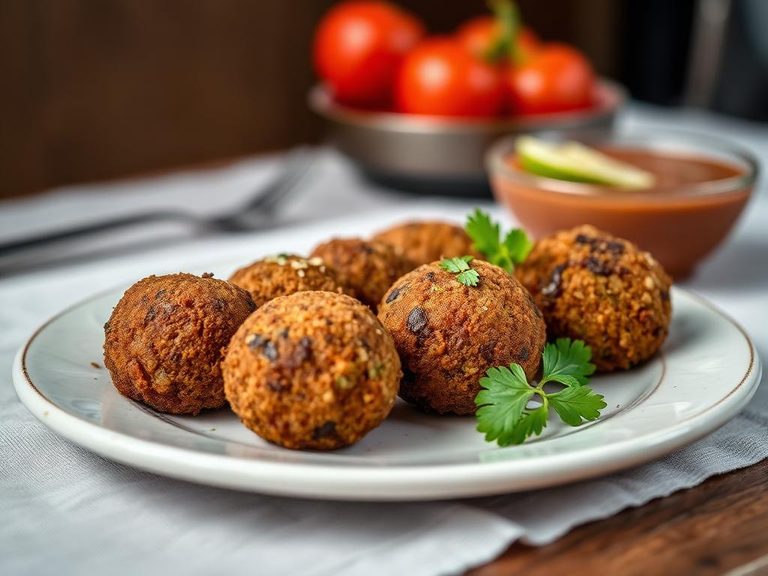
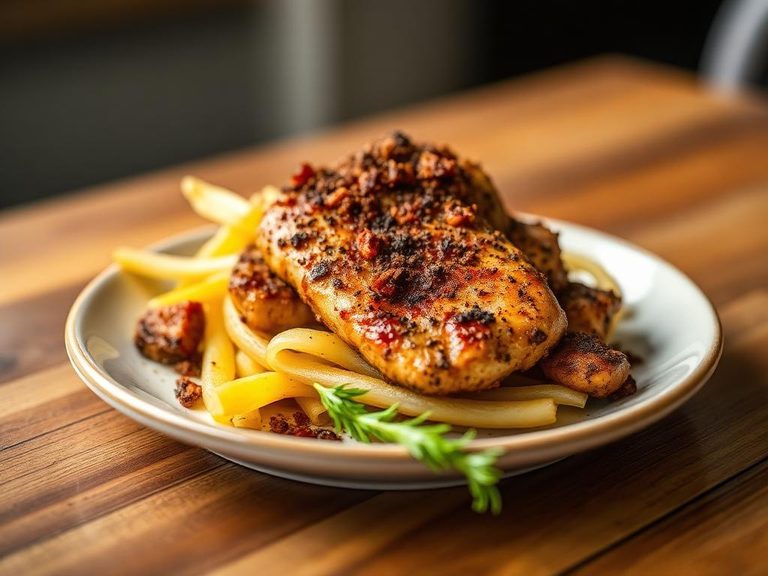
🌍 Where it's eaten
💡 Did you know?
Cumin seeds are so light that a single ounce can contain about 22,000 seeds.
Full nutrition (USDA data · scales with serving)
| Water | 8.1 g |
| Energy | 375 kcal |
| Energy | 1567 kj |
| Protein | 17.8 g |
| Total lipid (fat) | 22.3 g |
| Ash | 7.6 g |
| Carbohydrate, by difference | 44.2 g |
| Fiber, total dietary | 10.5 g |
| Total Sugars | 2.3 g |
| Calcium, Ca | 931 mg |
| Iron, Fe | 66.4 mg |
| Magnesium, Mg | 366 mg |
| Phosphorus, P | 499 mg |
| Potassium, K | 1788 mg |
| Sodium, Na | 168 mg |
| Zinc, Zn | 4.8 mg |
| Copper, Cu | 0.87 mg |
| Manganese, Mn | 3.3 mg |
| Selenium, Se | 5.2 ug |
| Vitamin C, total ascorbic acid | 7.7 mg |
| Thiamin | 0.63 mg |
| Riboflavin | 0.33 mg |
| Niacin | 4.6 mg |
| Vitamin B-6 | 0.43 mg |
| Folate, total | 10.0 ug |
| Folic acid | 0.00 ug |
| Folate, food | 10.0 ug |
| Folate, DFE | 10.0 ug |
| Choline, total | 24.7 mg |
| Vitamin B-12 | 0.00 ug |
| Vitamin B-12, added | 0.00 ug |
| Vitamin A, RAE | 64.0 ug |
| Retinol | 0.00 ug |
| Carotene, beta | 762 ug |
| Carotene, alpha | 0.00 ug |
| Cryptoxanthin, beta | 0.00 ug |
| Vitamin A, IU | 1270 iu |
| Lycopene | 0.00 ug |
| Lutein + zeaxanthin | 448 ug |
| Vitamin E (alpha-tocopherol) | 3.3 mg |
| Vitamin E, added | 0.00 mg |
| Vitamin D (D2 + D3), International Units | 0.00 iu |
| Vitamin D (D2 + D3) | 0.00 ug |
| Vitamin K (phylloquinone) | 5.4 ug |
| Alcohol, ethyl | 0.00 g |
| Caffeine | 0.00 mg |
| Theobromine | 0.00 mg |
Fat & fatty acid profile (per 100g)
| Fatty acids, total saturated | 1.5 g |
| SFA 4:0 | 0.00 g |
| SFA 6:0 | 0.00 g |
| SFA 8:0 | 0.00 g |
| SFA 10:0 | 0.02 g |
| SFA 12:0 | 0.02 g |
| SFA 14:0 | 0.02 g |
| SFA 16:0 | 1.1 g |
| SFA 18:0 | 0.34 g |
| Fatty acids, total monounsaturated | 14.0 g |
| MUFA 16:1 | 0.21 g |
| MUFA 18:1 | 13.6 g |
| MUFA 20:1 | 0.21 g |
| MUFA 22:1 | 0.00 g |
| Fatty acids, total polyunsaturated | 3.3 g |
| PUFA 18:2 | 3.1 g |
| PUFA 18:3 | 0.18 g |
| PUFA 18:4 | 0.00 g |
| PUFA 20:4 | 0.00 g |
| PUFA 20:5 n-3 (EPA) | 0.00 g |
| PUFA 22:5 n-3 (DPA) | 0.00 g |
| PUFA 22:6 n-3 (DHA) | 0.00 g |
| Cholesterol | 0.00 mg |
| Phytosterols | 68.0 mg |
Amino acid profile (per 100g)
Estimated from Spices, garlic powder — USDA does not publish this profile for Spices.
| Tryptophan | 0.12 g |
| Threonine | 0.37 g |
| Isoleucine | 0.41 g |
| Leucine | 0.73 g |
| Lysine | 0.77 g |
| Methionine | 0.11 g |
| Cystine | 0.25 g |
| Phenylalanine | 0.53 g |
| Tyrosine | 0.45 g |
| Valine | 0.67 g |
| Arginine | 3.4 g |
| Histidine | 0.26 g |
| Alanine | 0.48 g |
| Aspartic acid | 1.9 g |
| Glutamic acid | 3.7 g |
| Glycine | 0.53 g |
| Proline | 1.4 g |
| Serine | 0.51 g |
| Hydroxyproline | 0.00 g |
FAQ
What's the difference between whole and ground cumin?
Whole cumin seeds have a longer shelf life and a more nuanced flavor that's released when toasted. Ground cumin is more convenient and integrates instantly into dishes but can lose potency faster.
How do I toast cumin seeds?
Place seeds in a dry skillet over medium heat. Stir or shake frequently for 1-2 minutes until fragrant and slightly darkened. Be careful not to burn them.
Is cumin gluten-free?
Yes, pure cumin seed and ground cumin are naturally gluten-free. However, always check labels on pre-mixed spice blends to ensure no gluten-containing additives are present.
Nutrient density (calculated · NRF9.3)
Nutrient Rich Foods index: beneficial nutrients (protein, fiber, vitamins, minerals) minus saturated fat, added sugar & sodium, per 100 kcal.
NRF9.3 index — Fulgoni, Keast & Drewnowski, 2009. Computed from USDA nutrients.
Weight-loss friendliness (composite index)
Energy density 3.75 kcal/g · 19% calories from protein · 10.5 g fiber · 2.3 g sugar per 100 g.
Composite of energy density (Rolls et al., 1999), protein & fiber satiety, minus sugar. A calculated heuristic — ranks satiety-per-calorie, not a clinical measure.
Dietary load (calculated from USDA values)
Potential renal acid load. Positive = acid-forming, negative = alkaline-forming.
Sodium-to-potassium ratio: 0.09 (lower is better — aim for ≤ 1)
Sodium:potassium per WHO potassium guidance. Computed from USDA nutrients.