

Soup, cream of chicken, canned, condensed, reduced sodium
Whole food · Soups, Sauces, and Gravies

Photo: Wikipedia
This is the quintessential pantry staple: a thick, velvety concentrate that transforms into a rich, savory chicken soup with just water or milk. Its smooth, uniform texture and deeply comforting, umami-forward flavor make it a nostalgic cornerstone of quick, warm meals. Nutritionally, it's a low-calorie base that provides a modest protein boost, making it an efficient starting point for countless recipes.
Calorie split: 13% protein · 67% carbs · 21% fat
↓ Full nutrition💚 Why it's loved
People love it for its unparalleled convenience and the deep, savory comfort it delivers instantly. It’s a cultural touchstone for quick family meals and a reliable base for creative cooking.
⚠️ Watch-outs & how to enjoy it better
The condensed form can be high in sodium (even reduced) and may contain thickeners that some find overly starchy. To counteract, always dilute properly and pair with fresh vegetables and lean protein to balance the meal. Those monitoring blood sugar should be mindful of the refined carbs and consider adding fiber-rich ingredients like spinach or beans.
Key benefits
- Extremely low in calories (58 kcal/100g) for a rich-tasting base.
- Provides a modest but useful protein boost (1.8g/100g).
- Highly versatile ingredient for sauces, casseroles, and quick soups.
- Reduced sodium version offers better heart-health control.
- Shelf-stable and requires minimal prep time.
🍽️ Popular dishes
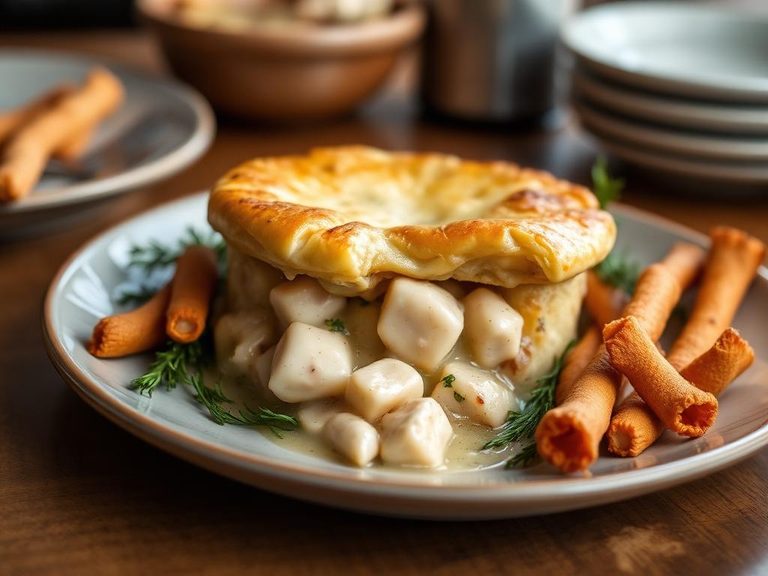
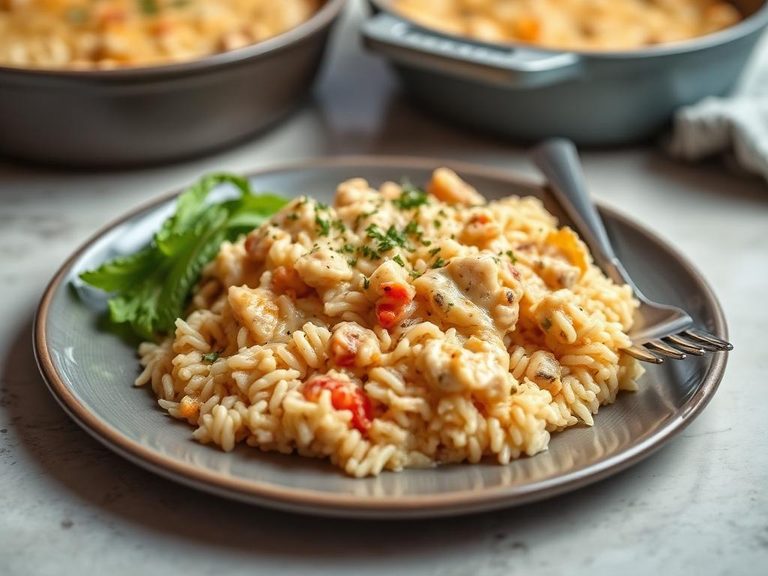
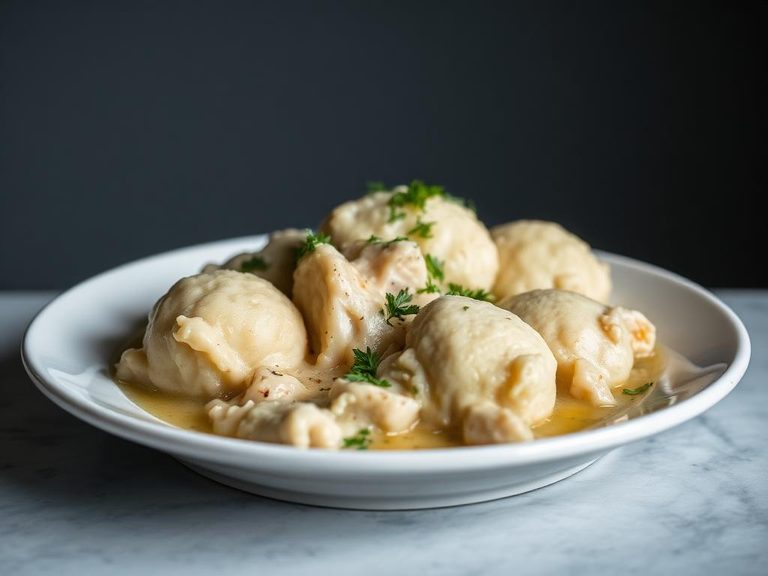
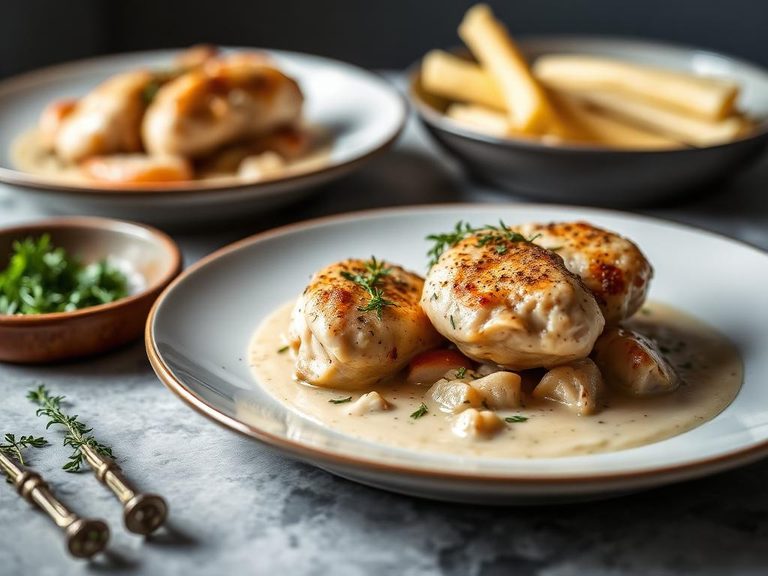
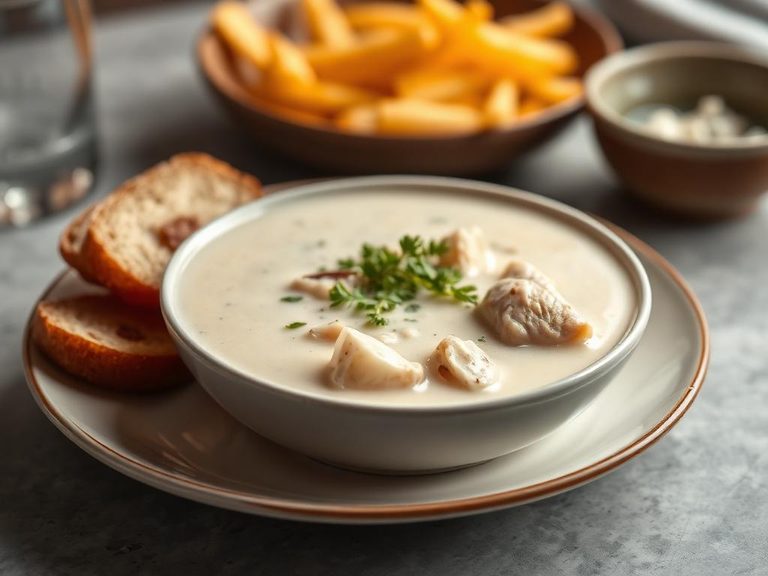
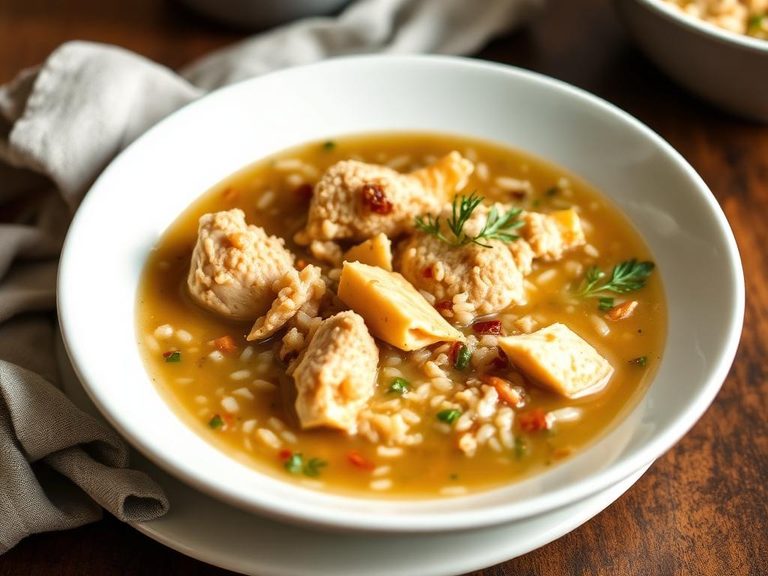
🌍 Where it's eaten
💡 Did you know?
The condensed soup can was invented in 1897 by Dr. John T. Dorrance, who realized he could remove half the water from soup to save on shipping costs, creating the first 'condensed' product.
Full nutrition (USDA data · scales with serving)
| Water | 85.8 g |
| Energy | 58.0 kcal |
| Energy | 243 kj |
| Protein | 1.8 g |
| Total lipid (fat) | 1.3 g |
| Ash | 1.5 g |
| Carbohydrate, by difference | 9.5 g |
| Fiber, total dietary | 0.40 g |
| Total Sugars | 0.39 g |
| Calcium, Ca | 11.0 mg |
| Iron, Fe | 0.20 mg |
| Magnesium, Mg | 2.0 mg |
| Phosphorus, P | 23.0 mg |
| Potassium, K | 272 mg |
| Sodium, Na | 357 mg |
| Zinc, Zn | 0.13 mg |
| Copper, Cu | 0.03 mg |
| Manganese, Mn | 0.06 mg |
| Selenium, Se | 6.3 ug |
| Vitamin C, total ascorbic acid | 0.00 mg |
| Thiamin | 0.01 mg |
| Riboflavin | 0.02 mg |
| Niacin | 0.64 mg |
| Pantothenic acid | 0.04 mg |
| Vitamin B-6 | 0.01 mg |
| Folate, total | 4.0 ug |
| Folic acid | 0.00 ug |
| Folate, food | 4.0 ug |
| Folate, DFE | 4.0 ug |
| Choline, total | 8.5 mg |
| Vitamin B-12 | 0.05 ug |
| Vitamin B-12, added | 0.00 ug |
| Vitamin A, RAE | 25.0 ug |
| Retinol | 4.0 ug |
| Carotene, beta | 205 ug |
| Carotene, alpha | 94.0 ug |
| Cryptoxanthin, beta | 0.00 ug |
| Vitamin A, IU | 432 iu |
| Lycopene | 0.00 ug |
| Lutein + zeaxanthin | 7.0 ug |
| Vitamin E (alpha-tocopherol) | 0.08 mg |
| Vitamin E, added | 0.00 mg |
| Vitamin D (D2 + D3), International Units | 0.00 iu |
| Vitamin D (D2 + D3) | 0.00 ug |
| Vitamin K (phylloquinone) | 0.70 ug |
| Alcohol, ethyl | 0.00 g |
| Caffeine | 0.00 mg |
| Theobromine | 0.00 mg |
Fat & fatty acid profile (per 100g)
| Fatty acids, total saturated | 0.50 g |
| SFA 4:0 | 0.01 g |
| SFA 6:0 | 0.01 g |
| SFA 8:0 | 0.01 g |
| SFA 10:0 | 0.01 g |
| SFA 12:0 | 0.01 g |
| SFA 14:0 | 0.05 g |
| SFA 16:0 | 0.27 g |
| SFA 18:0 | 0.12 g |
| Fatty acids, total monounsaturated | 0.40 g |
| MUFA 16:1 | 0.03 g |
| MUFA 18:1 | 0.37 g |
| MUFA 20:1 | 0.00 g |
| MUFA 22:1 | 0.00 g |
| Fatty acids, total polyunsaturated | 0.40 g |
| PUFA 18:2 | 0.23 g |
| PUFA 18:3 | 0.02 g |
| PUFA 18:4 | 0.00 g |
| PUFA 20:4 | 0.01 g |
| PUFA 20:5 n-3 (EPA) | 0.00 g |
| PUFA 22:5 n-3 (DPA) | 0.00 g |
| PUFA 22:6 n-3 (DHA) | 0.00 g |
| Cholesterol | 6.0 mg |
Amino acid profile (per 100g)
Estimated from Soup, bean with pork, canned, condensed — USDA does not publish this profile for Soup.
| Tryptophan | 0.06 g |
| Threonine | 0.24 g |
| Isoleucine | 0.29 g |
| Leucine | 0.48 g |
| Lysine | 0.40 g |
| Methionine | 0.07 g |
| Cystine | 0.07 g |
| Phenylalanine | 0.33 g |
| Tyrosine | 0.18 g |
| Valine | 0.32 g |
| Arginine | 0.31 g |
| Histidine | 0.15 g |
| Alanine | 0.29 g |
| Aspartic acid | 0.66 g |
| Glutamic acid | 1.1 g |
| Glycine | 0.28 g |
| Proline | 0.27 g |
| Serine | 0.29 g |
FAQ
How do I use condensed soup in a recipe?
For a soup, dilute with an equal amount of water or milk. For casseroles or sauces, use it undiluted as a thick, creamy base.
Is reduced sodium cream of chicken soup healthier?
Yes, it contains significantly less sodium than the regular version, making it a better choice for heart health, though it's still a processed food.
Can I make it from scratch?
Absolutely. Simmer chicken bones and meat with vegetables, then blend with a roux (butter and flour) and cream or milk to achieve a similar thick, creamy consistency.
Nutrient density (calculated · NRF9.3)
Nutrient Rich Foods index: beneficial nutrients (protein, fiber, vitamins, minerals) minus saturated fat, added sugar & sodium, per 100 kcal.
NRF9.3 index — Fulgoni, Keast & Drewnowski, 2009. Computed from USDA nutrients.
Weight-loss friendliness (composite index)
Energy density 0.58 kcal/g · 12% calories from protein · 0.4 g fiber · 0.4 g sugar per 100 g.
Composite of energy density (Rolls et al., 1999), protein & fiber satiety, minus sugar. A calculated heuristic — ranks satiety-per-calorie, not a clinical measure.
Dietary load (calculated from USDA values)
Potential renal acid load. Positive = acid-forming, negative = alkaline-forming.
Sodium-to-potassium ratio: 1.31 (lower is better — aim for ≤ 1)
Sodium:potassium per WHO potassium guidance. Computed from USDA nutrients.