

Shortening, household, lard and vegetable oil
Whole food · Fats and Oils

Photo: Wikipedia
A shelf-stable, solid or liquid fat used for frying, baking, and sautéing, household shortening (including lard and vegetable oil) is a pure, flavor-neutral fat that provides a rich, tender mouthfeel. Nutritionally, it is 100% fat, delivering a dense 900 calories per 100 grams with no protein, carbs, or micronutrients.
Calorie split: 0% protein · 0% carbs · 100% fat
↓ Full nutrition💚 Why it's loved
It is beloved for its unparalleled ability to create the perfect, flaky pie crust and for the satisfying crisp it gives to fried foods. Its neutral flavor makes it a versatile canvas that doesn't compete with other ingredients.
⚠️ Watch-outs & how to enjoy it better
As a pure fat, it is extremely calorie-dense and offers no essential nutrients, making overconsumption a concern for weight management. Some hydrogenated shortenings contain trans fats, which are linked to heart health issues; opt for non-hydrogenated, solid fats like lard or use liquid oils for a better profile.
Key benefits
- Provides a high-heat cooking medium for frying and searing
- Creates flaky, tender textures in pastries and pie crusts
- Acts as a long-lasting, shelf-stable pantry staple
- Serves as a neutral base for carrying fat-soluble flavors
🍽️ Popular dishes
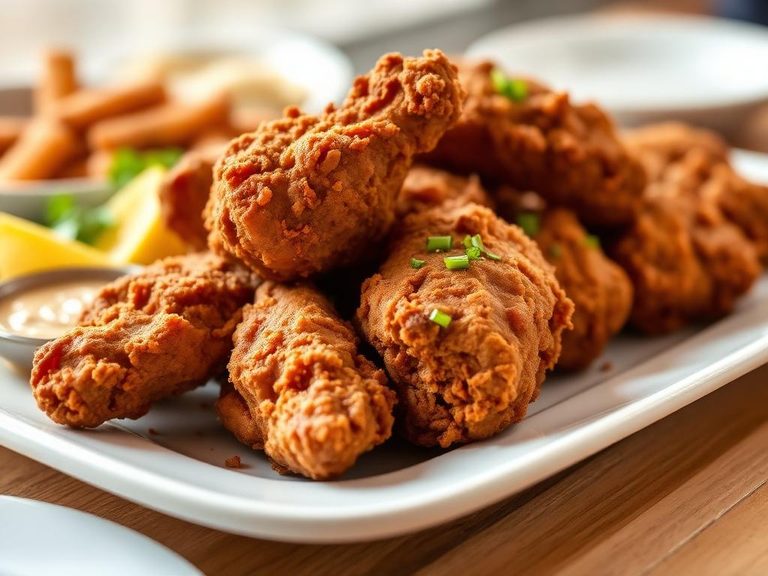
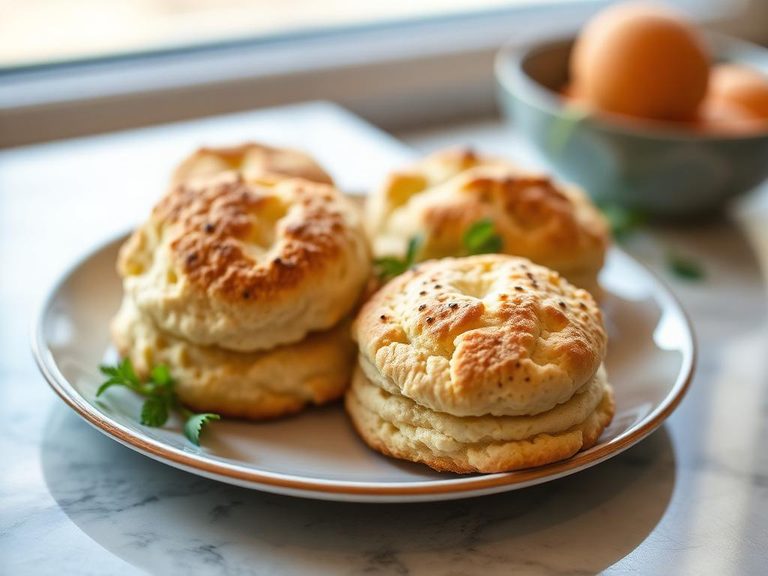
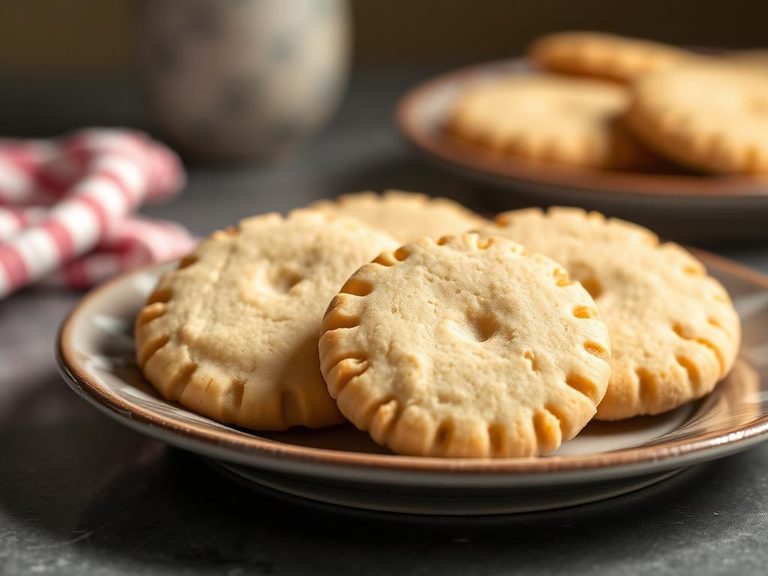
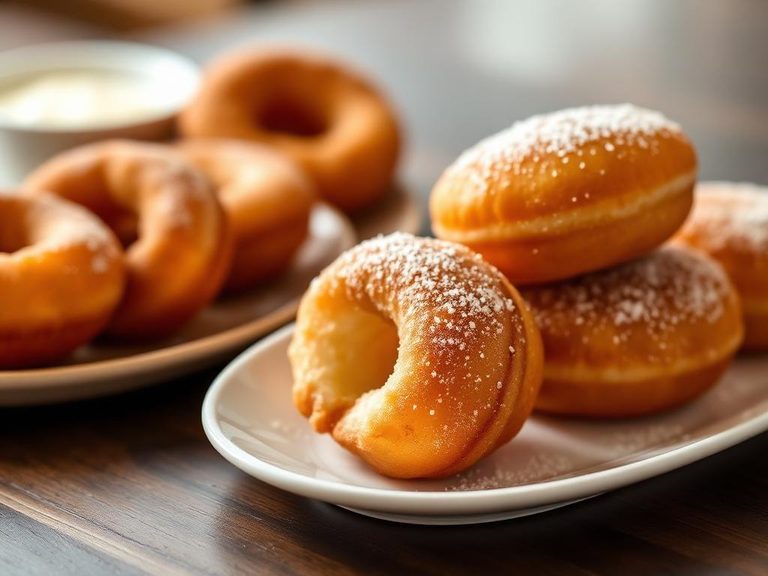
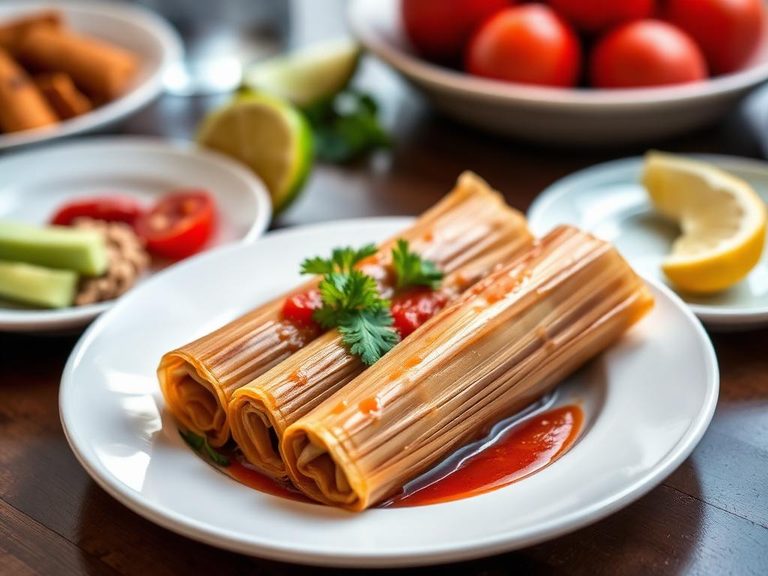
🌍 Where it's eaten
💡 Did you know?
Before the 20th century, 'shortening' referred to any fat that 'shortened' gluten strands in dough; the modern solid vegetable shortening was invented in 1911 as a shelf-stable alternative to lard.
Full nutrition (USDA data · scales with serving)
| Water | 0.00 g |
| Energy | 900 kcal |
| Energy | 3766 kj |
| Protein | 0.00 g |
| Total lipid (fat) | 100 g |
| Ash | 0.00 g |
| Carbohydrate, by difference | 0.00 g |
| Fiber, total dietary | 0.00 g |
| Total Sugars | 0.00 g |
| Calcium, Ca | 0.00 mg |
| Iron, Fe | 0.00 mg |
| Magnesium, Mg | 0.00 mg |
| Phosphorus, P | 0.00 mg |
| Potassium, K | 0.00 mg |
| Sodium, Na | 0.00 mg |
| Zinc, Zn | 0.00 mg |
| Copper, Cu | 0.00 mg |
| Selenium, Se | 0.00 ug |
| Vitamin C, total ascorbic acid | 0.00 mg |
| Thiamin | 0.00 mg |
| Riboflavin | 0.00 mg |
| Niacin | 0.00 mg |
| Pantothenic acid | 0.00 mg |
| Vitamin B-6 | 0.00 mg |
| Folate, total | 0.00 ug |
| Folic acid | 0.00 ug |
| Folate, food | 0.00 ug |
| Folate, DFE | 0.00 ug |
| Choline, total | 25.0 mg |
| Vitamin B-12 | 0.00 ug |
| Vitamin B-12, added | 0.00 ug |
| Vitamin A, RAE | 0.00 ug |
| Retinol | 0.00 ug |
| Carotene, beta | 0.00 ug |
| Carotene, alpha | 0.00 ug |
| Cryptoxanthin, beta | 0.00 ug |
| Vitamin A, IU | 0.00 iu |
| Lycopene | 0.00 ug |
| Lutein + zeaxanthin | 0.00 ug |
| Vitamin E (alpha-tocopherol) | 1.0 mg |
| Vitamin E, added | 0.00 mg |
| Vitamin D (D2 + D3), International Units | 0.00 iu |
| Vitamin D (D2 + D3) | 0.00 ug |
| Vitamin K (phylloquinone) | 21.5 ug |
| Alcohol, ethyl | 0.00 g |
| Caffeine | 0.00 mg |
| Theobromine | 0.00 mg |
Fat & fatty acid profile (per 100g)
| Fatty acids, total saturated | 40.3 g |
| SFA 4:0 | 0.00 g |
| SFA 6:0 | 0.00 g |
| SFA 8:0 | 0.00 g |
| SFA 10:0 | 0.10 g |
| SFA 12:0 | 0.10 g |
| SFA 14:0 | 1.6 g |
| SFA 16:0 | 23.0 g |
| SFA 18:0 | 15.2 g |
| Fatty acids, total monounsaturated | 44.4 g |
| MUFA 16:1 | 3.1 g |
| MUFA 18:1 | 40.9 g |
| MUFA 20:1 | 0.00 g |
| MUFA 22:1 | 0.00 g |
| Fatty acids, total polyunsaturated | 10.9 g |
| PUFA 18:2 | 9.7 g |
| PUFA 18:3 | 1.1 g |
| PUFA 18:4 | 0.00 g |
| PUFA 20:4 | 0.00 g |
| PUFA 20:5 n-3 (EPA) | 0.00 g |
| PUFA 22:5 n-3 (DPA) | 0.00 g |
| PUFA 22:6 n-3 (DHA) | 0.00 g |
| Cholesterol | 56.0 mg |
| Phytosterols | 13.0 mg |
Amino acid profile (per 100g)
| Tryptophan | 0.00 g |
| Threonine | 0.00 g |
| Isoleucine | 0.00 g |
| Leucine | 0.00 g |
| Lysine | 0.00 g |
| Methionine | 0.00 g |
| Cystine | 0.00 g |
| Phenylalanine | 0.00 g |
| Tyrosine | 0.00 g |
| Valine | 0.00 g |
| Arginine | 0.00 g |
| Histidine | 0.00 g |
| Alanine | 0.00 g |
| Aspartic acid | 0.00 g |
| Glutamic acid | 0.00 g |
| Glycine | 0.00 g |
| Proline | 0.00 g |
| Serine | 0.00 g |
FAQ
What is the difference between lard and vegetable shortening?
Lard is rendered pork fat, while vegetable shortening is typically made from hydrogenated soybean, cottonseed, or palm oil. Lard has a richer, meatier flavor and contains some vitamin D, while vegetable shortening is flavorless and vegan.
Is it healthy to cook with shortening?
It's a matter of balance and type. Non-hydrogenated lard or high-oleic oils are more stable for high-heat cooking than some polyunsaturated oils. However, as a pure fat, it should be used in moderation within a balanced diet.
Can I substitute butter for shortening in recipes?
Yes, but with adjustments. Butter contains water and milk solids, which affects texture and browning. For flaky pastries, a 1:1 substitution works but the result will be less tender and more flavorful. For frying, butter has a lower smoke point and can burn.
Nutrient density (calculated · NRF9.3)
Nutrient Rich Foods index: beneficial nutrients (protein, fiber, vitamins, minerals) minus saturated fat, added sugar & sodium, per 100 kcal.
NRF9.3 index — Fulgoni, Keast & Drewnowski, 2009. Computed from USDA nutrients.
Weight-loss friendliness (composite index)
Energy density 9.00 kcal/g · 0% calories from protein · 0.0 g fiber · 0.0 g sugar per 100 g.
Composite of energy density (Rolls et al., 1999), protein & fiber satiety, minus sugar. A calculated heuristic — ranks satiety-per-calorie, not a clinical measure.
Dietary load (calculated from USDA values)
Potential renal acid load. Positive = acid-forming, negative = alkaline-forming.
Sodium:potassium per WHO potassium guidance. Computed from USDA nutrients.