

Shortening confectionery, coconut (hydrogenated) and or palm kernel (hydrogenated)
Whole food · Fats and Oils

Photo: Wikipedia
This is a solid, shelf-stable fat made from hydrogenated coconut and/or palm kernel oil, primarily used as a baking fat. It has a neutral, bland taste with a smooth, waxy texture that melts cleanly on the tongue, creating a distinctively flaky or crumbly mouthfeel in baked goods. Nutritionally, it is 100% fat, providing a dense source of calories (884 kcal per 100g) with no protein, carbohydrates, or fiber.
Calorie split: 0% protein · 0% carbs · 100% fat
↓ Full nutrition💚 Why it's loved
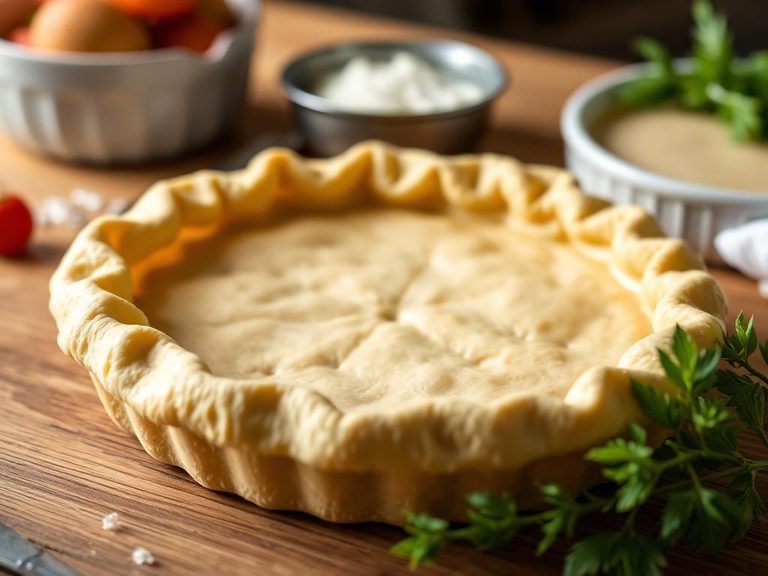
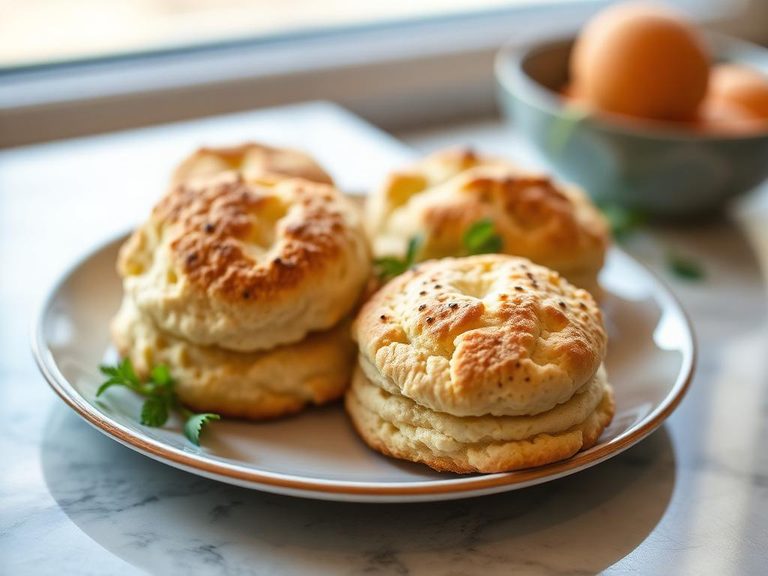
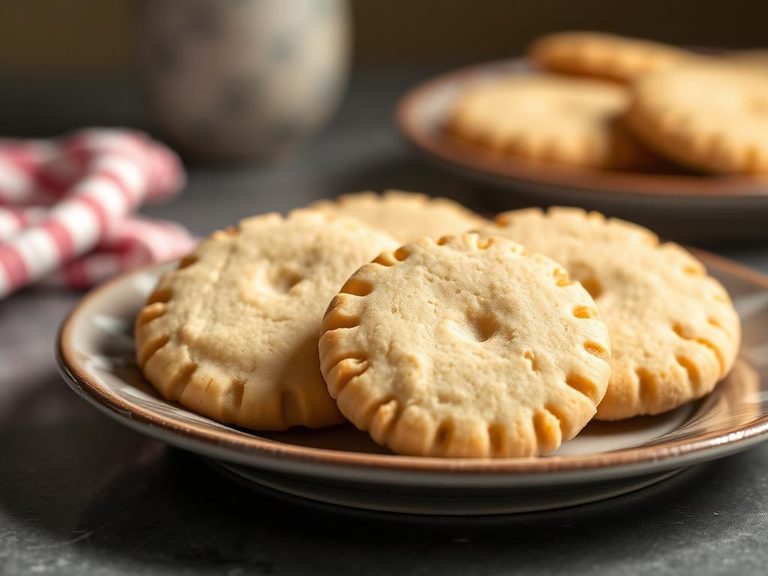
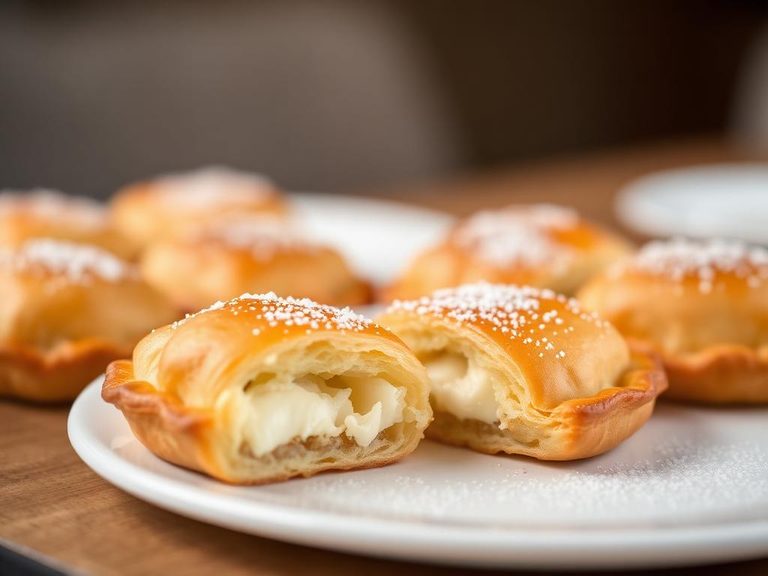
Bakers prize it for its unparalleled ability to create light, flaky layers in pastries and a tender, meltaway texture in cookies. Its neutral flavor and solid state at room temperature make it a versatile, reliable staple for achieving consistent results in both sweet and savory baking.
⚠️ Watch-outs & how to enjoy it better
As a highly processed, saturated fat, it offers no micronutrients and should be consumed in moderation, especially by those monitoring cardiovascular health. To counteract its lack of nutritional density, use it sparingly as part of a balanced diet and pair dishes made with it with fiber-rich fruits or vegetables.
Key benefits
- Provides excellent flakiness in pastries and pie crusts
- Has a very long shelf life and high smoke point for frying
- Creates a tender, non-greasy crumb in cakes and cookies
- Helps achieve a smooth, melt-in-your-mouth texture in confections
- Is a cost-effective, functional fat for commercial baking
🍽️ Popular dishes

🌍 Where it's eaten
💡 Did you know?
Before the widespread use of vegetable shortenings, lard (rendered pork fat) was the primary fat used for creating flaky pastries in Western baking.
Full nutrition (USDA data · scales with serving)
| Water | 0.00 g |
| Energy | 884 kcal |
| Energy | 3699 kj |
| Protein | 0.00 g |
| Total lipid (fat) | 100 g |
| Ash | 0.00 g |
| Carbohydrate, by difference | 0.00 g |
| Fiber, total dietary | 0.00 g |
| Total Sugars | 0.00 g |
| Calcium, Ca | 0.00 mg |
| Iron, Fe | 0.00 mg |
| Magnesium, Mg | 0.00 mg |
| Phosphorus, P | 0.00 mg |
| Potassium, K | 0.00 mg |
| Sodium, Na | 0.00 mg |
| Zinc, Zn | 0.00 mg |
| Copper, Cu | 0.00 mg |
| Selenium, Se | 0.00 ug |
| Vitamin C, total ascorbic acid | 0.00 mg |
| Thiamin | 0.00 mg |
| Riboflavin | 0.00 mg |
| Niacin | 0.00 mg |
| Pantothenic acid | 0.00 mg |
| Vitamin B-6 | 0.00 mg |
| Folate, total | 0.00 ug |
| Folic acid | 0.00 ug |
| Folate, food | 0.00 ug |
| Folate, DFE | 0.00 ug |
| Choline, total | 0.30 mg |
| Vitamin B-12 | 0.00 ug |
| Vitamin B-12, added | 0.00 ug |
| Vitamin A, RAE | 0.00 ug |
| Retinol | 0.00 ug |
| Carotene, beta | 0.00 ug |
| Carotene, alpha | 0.00 ug |
| Cryptoxanthin, beta | 0.00 ug |
| Vitamin A, IU | 0.00 iu |
| Lycopene | 0.00 ug |
| Lutein + zeaxanthin | 0.00 ug |
| Vitamin E (alpha-tocopherol) | 1.9 mg |
| Vitamin E, added | 0.00 mg |
| Vitamin D (D2 + D3), International Units | 0.00 iu |
| Vitamin D (D2 + D3) | 0.00 ug |
| Vitamin K (phylloquinone) | 43.0 ug |
| Alcohol, ethyl | 0.00 g |
| Caffeine | 0.00 mg |
| Theobromine | 0.00 mg |
Fat & fatty acid profile (per 100g)
| Fatty acids, total saturated | 91.3 g |
| SFA 4:0 | 0.00 g |
| SFA 6:0 | 0.00 g |
| SFA 8:0 | 4.3 g |
| SFA 10:0 | 4.3 g |
| SFA 12:0 | 35.8 g |
| SFA 14:0 | 14.4 g |
| SFA 16:0 | 10.7 g |
| SFA 18:0 | 21.9 g |
| Fatty acids, total monounsaturated | 2.2 g |
| MUFA 16:1 | 0.00 g |
| MUFA 18:1 | 2.2 g |
| MUFA 20:1 | 0.00 g |
| MUFA 22:1 | 0.00 g |
| Fatty acids, total polyunsaturated | 1.0 g |
| PUFA 18:2 | 1.0 g |
| PUFA 18:3 | 0.00 g |
| PUFA 18:4 | 0.00 g |
| PUFA 20:4 | 0.00 g |
| PUFA 20:5 n-3 (EPA) | 0.00 g |
| PUFA 22:5 n-3 (DPA) | 0.00 g |
| PUFA 22:6 n-3 (DHA) | 0.00 g |
| Cholesterol | 0.00 mg |
| Phytosterols | 86.0 mg |
Amino acid profile (per 100g)
| Tryptophan | 0.00 g |
| Threonine | 0.00 g |
| Isoleucine | 0.00 g |
| Leucine | 0.00 g |
| Lysine | 0.00 g |
| Methionine | 0.00 g |
| Cystine | 0.00 g |
| Phenylalanine | 0.00 g |
| Tyrosine | 0.00 g |
| Valine | 0.00 g |
| Arginine | 0.00 g |
| Histidine | 0.00 g |
| Alanine | 0.00 g |
| Aspartic acid | 0.00 g |
| Glutamic acid | 0.00 g |
| Glycine | 0.00 g |
| Proline | 0.00 g |
| Serine | 0.00 g |
FAQ
What is the difference between shortening and butter?
Shortening is 100% fat with no water, while butter contains about 80% fat and 15-20% water. This makes shortening better for creating extremely flaky layers (like in pie crust) as the water in butter creates steam, but butter provides superior flavor.
Is this the same as margarine?
No. Margarine is typically made from vegetable oils and is softer and more spreadable. Shortening is fully hydrogenated to be solid at room temperature and is designed specifically for baking and frying applications.
Why is it called 'shortening'?
The term 'shortening' comes from its ability to 'shorten' gluten strands in flour. By coating flour proteins, it prevents long gluten networks from forming, resulting in a tender, crumbly, or 'short' texture in baked goods like cookies and pastries.
Nutrient density (calculated · NRF9.3)
Nutrient Rich Foods index: beneficial nutrients (protein, fiber, vitamins, minerals) minus saturated fat, added sugar & sodium, per 100 kcal.
NRF9.3 index — Fulgoni, Keast & Drewnowski, 2009. Computed from USDA nutrients.
Weight-loss friendliness (composite index)
Energy density 8.84 kcal/g · 0% calories from protein · 0.0 g fiber · 0.0 g sugar per 100 g.
Composite of energy density (Rolls et al., 1999), protein & fiber satiety, minus sugar. A calculated heuristic — ranks satiety-per-calorie, not a clinical measure.
Dietary load (calculated from USDA values)
Potential renal acid load. Positive = acid-forming, negative = alkaline-forming.
Sodium:potassium per WHO potassium guidance. Computed from USDA nutrients.