

Salad dressing, mayonnaise, imitation, soybean without cholesterol
Whole food · Fats and Oils

Photo: Wikipedia
This is a smooth, creamy, cholesterol-free imitation mayonnaise made from soybean oil, designed to mimic the rich texture and tangy flavor of traditional mayo. Its glossy, pale-yellow appearance and mild, slightly sweet taste make it a popular, shelf-stable alternative for spreads and dressings. Nutritionally, it is a high-fat, energy-dense condiment with minimal protein and no fiber.
Calorie split: 0% protein · 13% carbs · 87% fat
↓ Full nutrition💚 Why it's loved
People love it for its familiar, comforting creamy texture and mild tang that enhances sandwiches, salads, and dips without overpowering other flavors. Its affordability and egg-free status make it a staple in many households and a go-to for quick meal prep.
⚠️ Watch-outs & how to enjoy it better
Its high fat and calorie content can contribute to excess calorie intake if used liberally. Some brands may contain added sugars or sodium, which could be a concern for those monitoring blood sugar or blood pressure. To counteract, use it sparingly as a condiment rather than a main ingredient, and pair it with fiber-rich vegetables or lean protein to create a more balanced meal.
Key benefits
- Cholesterol-free due to plant-based soybean oil
- Provides vitamin E, an antioxidant from soybean oil
- Longer shelf life than many egg-based mayonnaises
- Suitable for vegan and egg-free diets
- Versatile base for creamy sauces and dressings
🍽️ Popular dishes
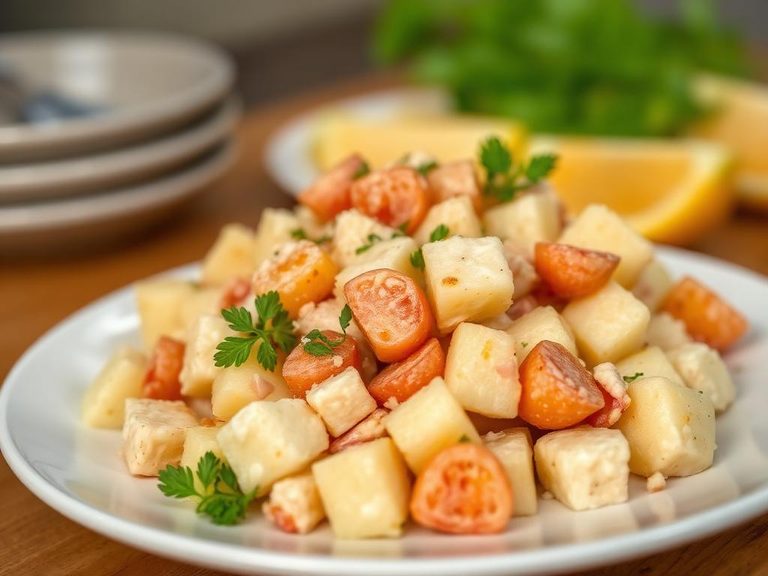
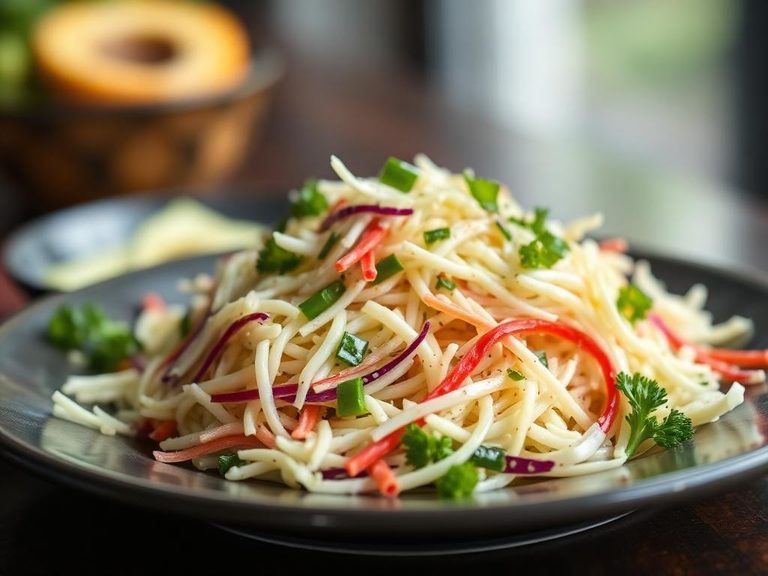
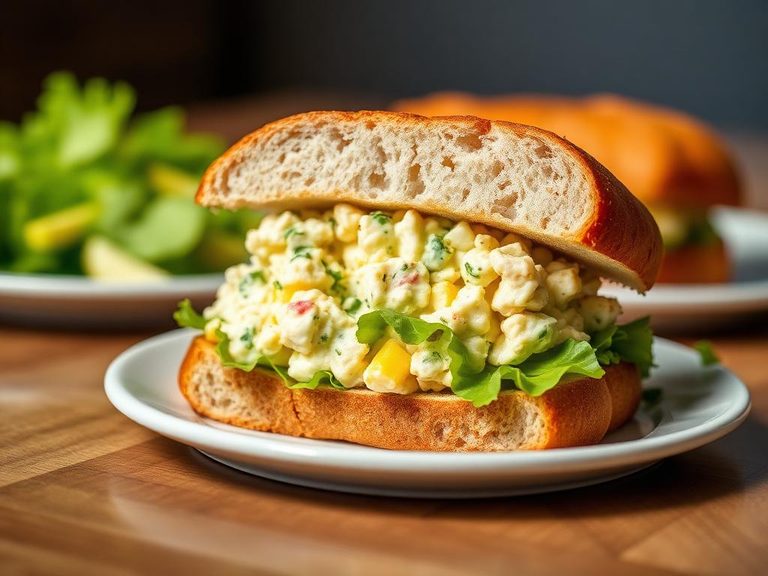
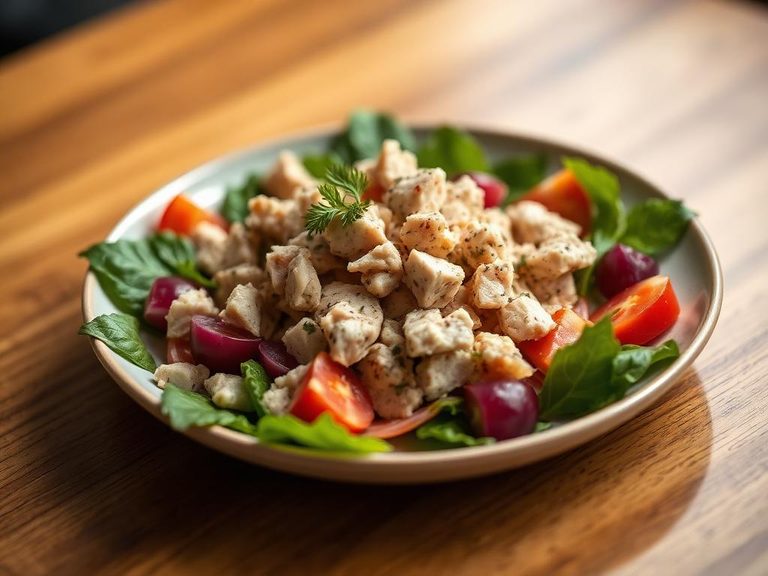
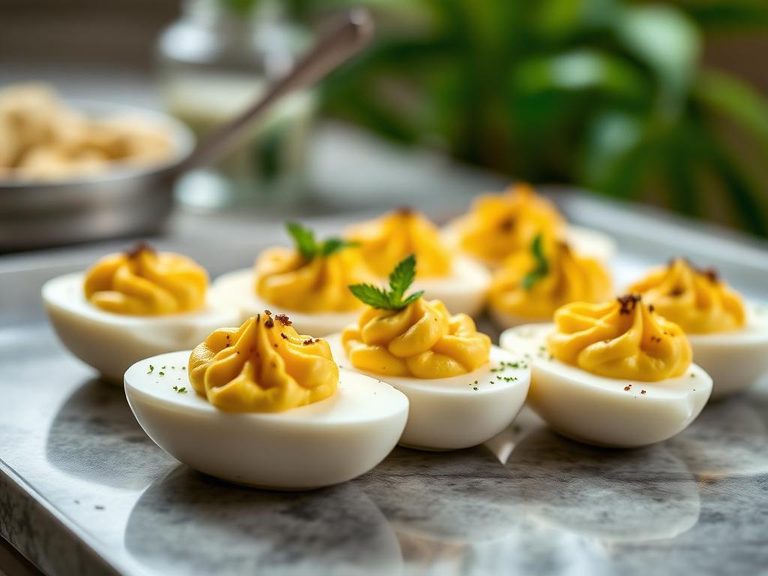
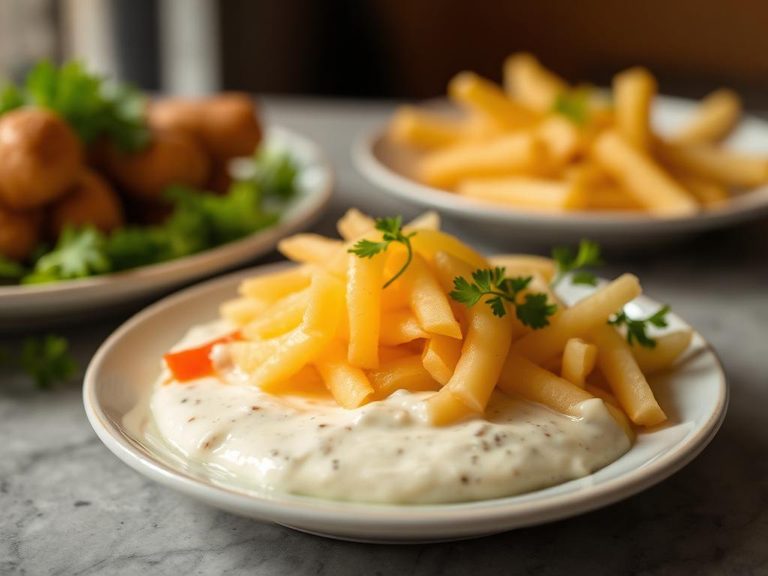
🌍 Where it's eaten
💡 Did you know?
The first commercial mayonnaise was canned and sold in 1856, but cholesterol-free, soy-based imitations like this became widely popular in the late 20th century as dietary concerns about cholesterol grew.
Full nutrition (USDA data · scales with serving)
| Water | 34.6 g |
| Energy | 482 kcal |
| Energy | 2016 kj |
| Protein | 0.10 g |
| Total lipid (fat) | 47.7 g |
| Ash | 1.8 g |
| Carbohydrate, by difference | 15.8 g |
| Fiber, total dietary | 0.00 g |
| Total Sugars | 6.0 g |
| Calcium, Ca | 0.00 mg |
| Iron, Fe | 0.01 mg |
| Magnesium, Mg | 0.00 mg |
| Phosphorus, P | 0.00 mg |
| Potassium, K | 10.0 mg |
| Sodium, Na | 353 mg |
| Zinc, Zn | 0.11 mg |
| Copper, Cu | 0.00 mg |
| Selenium, Se | 1.6 ug |
| Vitamin C, total ascorbic acid | 0.00 mg |
| Thiamin | 0.00 mg |
| Riboflavin | 0.00 mg |
| Niacin | 0.00 mg |
| Pantothenic acid | 0.00 mg |
| Vitamin B-6 | 0.00 mg |
| Folate, total | 0.00 ug |
| Folic acid | 0.00 ug |
| Folate, food | 0.00 ug |
| Folate, DFE | 0.00 ug |
| Choline, total | 0.70 mg |
| Vitamin B-12 | 0.00 ug |
| Vitamin B-12, added | 0.00 ug |
| Vitamin A, RAE | 0.00 ug |
| Retinol | 0.00 ug |
| Carotene, beta | 0.00 ug |
| Carotene, alpha | 0.00 ug |
| Cryptoxanthin, beta | 0.00 ug |
| Vitamin A, IU | 0.00 iu |
| Lycopene | 0.00 ug |
| Lutein + zeaxanthin | 0.00 ug |
| Vitamin E (alpha-tocopherol) | 5.0 mg |
| Vitamin E, added | 0.00 mg |
| Vitamin D (D2 + D3), International Units | 0.00 iu |
| Vitamin D (D2 + D3) | 0.00 ug |
| Vitamin K (phylloquinone) | 42.2 ug |
| Alcohol, ethyl | 0.00 g |
| Caffeine | 0.00 mg |
| Theobromine | 0.00 mg |
Fat & fatty acid profile (per 100g)
| Fatty acids, total saturated | 7.5 g |
| SFA 4:0 | 0.00 g |
| SFA 6:0 | 0.00 g |
| SFA 8:0 | 0.00 g |
| SFA 10:0 | 0.00 g |
| SFA 12:0 | 0.00 g |
| SFA 14:0 | 0.00 g |
| SFA 16:0 | 5.5 g |
| SFA 18:0 | 2.0 g |
| Fatty acids, total monounsaturated | 10.5 g |
| MUFA 16:1 | 0.00 g |
| MUFA 18:1 | 10.5 g |
| MUFA 20:1 | 0.00 g |
| MUFA 22:1 | 0.00 g |
| Fatty acids, total polyunsaturated | 27.6 g |
| PUFA 18:2 | 23.0 g |
| PUFA 18:3 | 4.6 g |
| PUFA 18:4 | 0.00 g |
| PUFA 20:4 | 0.00 g |
| PUFA 20:5 n-3 (EPA) | 0.00 g |
| PUFA 22:5 n-3 (DPA) | 0.00 g |
| PUFA 22:6 n-3 (DHA) | 0.00 g |
| Cholesterol | 0.00 mg |
| Phytosterols | 216 mg |
Amino acid profile (per 100g)
| Tryptophan | 0.00 g |
| Threonine | 0.00 g |
| Isoleucine | 0.00 g |
| Leucine | 0.00 g |
| Lysine | 0.00 g |
| Methionine | 0.00 g |
| Cystine | 0.00 g |
| Phenylalanine | 0.00 g |
| Tyrosine | 0.00 g |
| Valine | 0.00 g |
| Arginine | 0.00 g |
| Histidine | 0.00 g |
| Alanine | 0.00 g |
| Aspartic acid | 0.00 g |
| Glutamic acid | 0.00 g |
| Glycine | 0.00 g |
| Proline | 0.00 g |
| Serine | 0.00 g |
FAQ
Is this the same as regular mayonnaise?
No, it's an imitation made from soybean oil instead of egg yolks, making it cholesterol-free and suitable for vegan diets, though the taste and texture are similar.
Can I use it for baking?
It can sometimes substitute for oil or butter in baked goods for moisture, but it may impart a slight tang and is best used in recipes where that flavor complements the dish.
How should I store it after opening?
Keep it refrigerated in its original airtight container for up to a few months, and always use a clean utensil to prevent contamination.
Nutrient density (calculated · NRF9.3)
Nutrient Rich Foods index: beneficial nutrients (protein, fiber, vitamins, minerals) minus saturated fat, added sugar & sodium, per 100 kcal.
NRF9.3 index — Fulgoni, Keast & Drewnowski, 2009. Computed from USDA nutrients.
Weight-loss friendliness (composite index)
Energy density 4.82 kcal/g · 0% calories from protein · 0.0 g fiber · 6.0 g sugar per 100 g.
Composite of energy density (Rolls et al., 1999), protein & fiber satiety, minus sugar. A calculated heuristic — ranks satiety-per-calorie, not a clinical measure.
Dietary load (calculated from USDA values)
Potential renal acid load. Positive = acid-forming, negative = alkaline-forming.
Sodium-to-potassium ratio: 35.30 (lower is better — aim for ≤ 1)
Sodium:potassium per WHO potassium guidance. Computed from USDA nutrients.