

Rice, white, glutinous, unenriched, cooked
Whole food · Cereal Grains and Pasta

Photo: Wikipedia
Cooked white glutinous rice, also known as sticky or sweet rice, is a staple characterized by its uniquely sticky, chewy texture and subtle, sweet aroma. Unlike regular rice, its high amylopectin starch content makes the grains cling together, creating a satisfyingly cohesive bite. Nutritionally, it is a concentrated source of quick energy, providing nearly pure carbohydrates with minimal fat and protein.
Calorie split: 9% protein · 90% carbs · 2% fat
↓ Full nutrition💚 Why it's loved
People cherish glutinous rice for its uniquely satisfying, sticky-chewy texture that is both comforting and playful. It serves as the essential, subtly sweet canvas for a vast array of savory and sweet dishes across many cultures, from festive wrapped parcels to warm, sweet porridges.
⚠️ Watch-outs & how to enjoy it better
Its high glycemic index can cause rapid blood sugar spikes, which is a concern for individuals managing diabetes or insulin resistance. To counteract this, pair it with protein (like eggs or tofu) and healthy fats (like avocado or nuts), or consume it in smaller portions alongside fiber-rich vegetables. Its sticky nature can also be a dental challenge; thorough brushing is recommended after eating.
Key benefits
- Provides rapid, easily digestible energy from complex carbohydrates.
- Naturally gluten-free, making it a safe staple for those with celiac disease or gluten sensitivity.
- Acts as a neutral, versatile base that absorbs flavors from sauces and seasonings.
- A foundational ingredient in countless traditional desserts and celebratory foods.
🍽️ Popular dishes
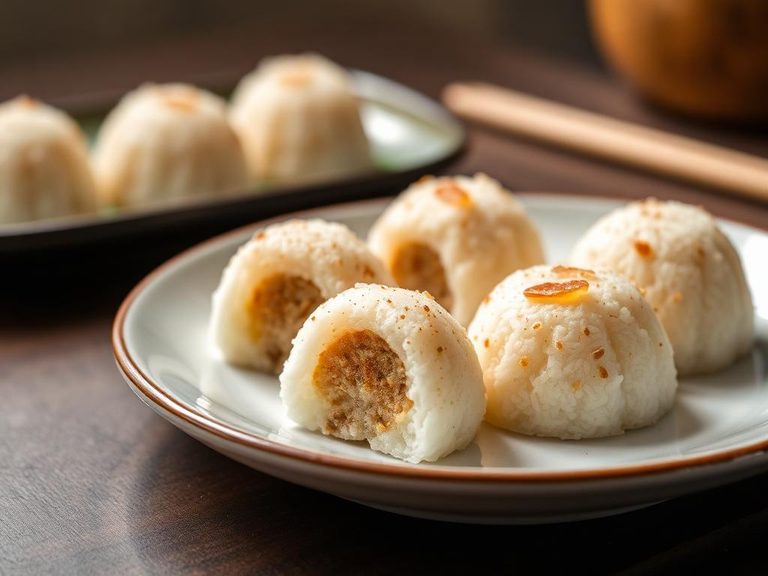 Mochi (Japanese rice cake)
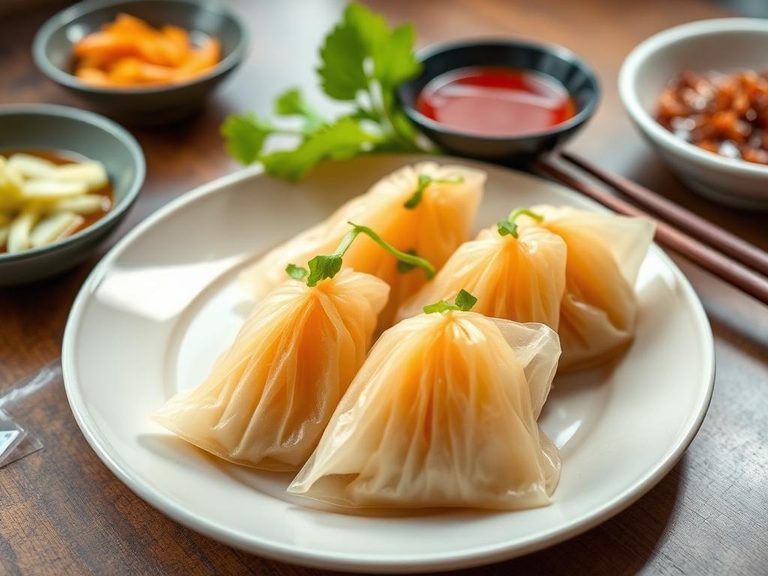 Zongzi (Chinese sticky rice dumpling)
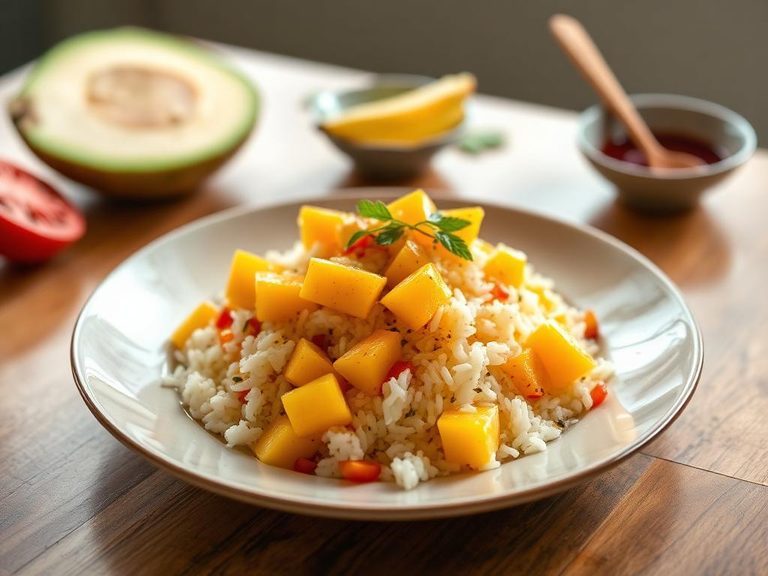 Sticky rice with mango (Thai dessert)
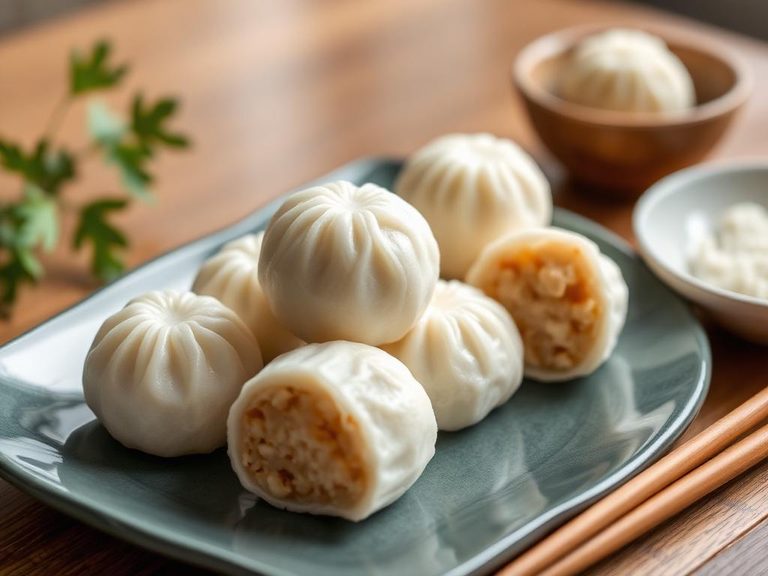 Tangyuan (Chinese glutinous rice balls in soup)
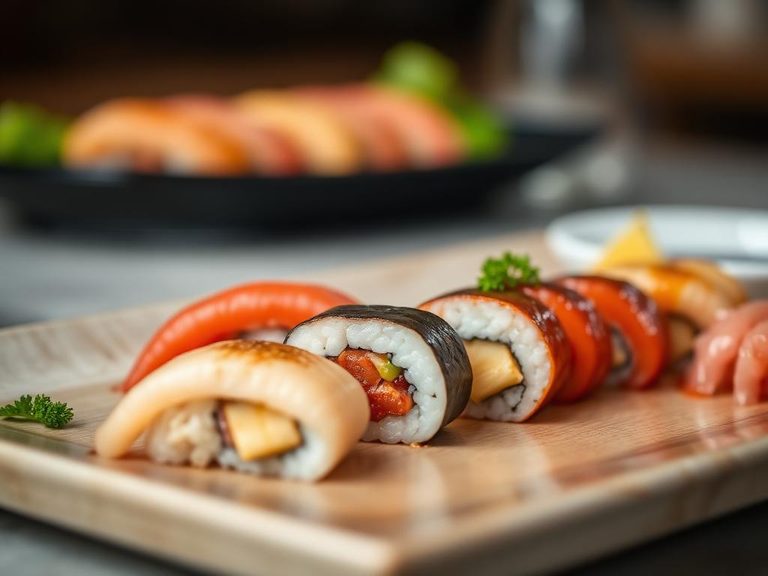 Sushi (specifically for certain types like battera or pressed sushi)
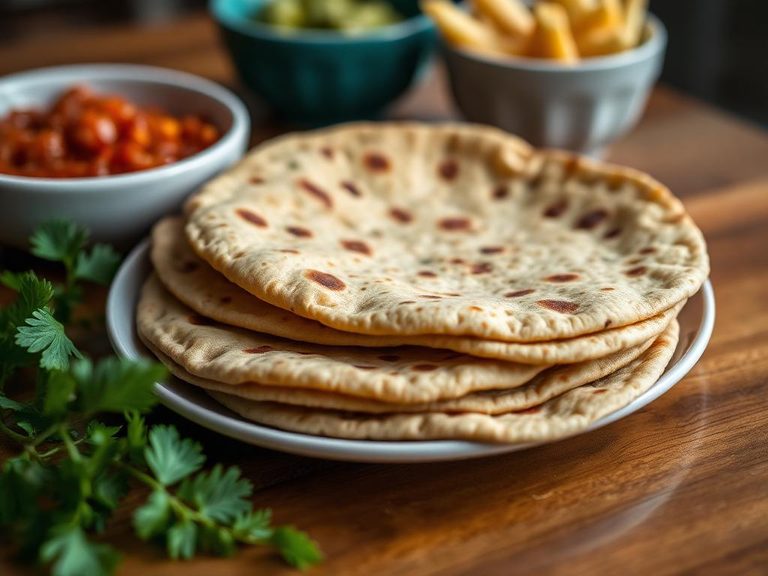 Injera (Ethiopian flatbread, often made with a blend including teff and sometimes glutinous rice flour)
🌍 Where it's eaten
💡 Did you know?
The 'glutinous' in its name is a misnomer; it contains no gluten. The term comes from the Latin 'glūten' meaning 'glue,' perfectly describing its sticky, glue-like texture when cooked.
Full nutrition (USDA data · scales with serving)
| Water | 76.6 g |
| Energy | 97.0 kcal |
| Energy | 406 kj |
| Protein | 2.0 g |
| Total lipid (fat) | 0.19 g |
| Ash | 0.07 g |
| Carbohydrate, by difference | 21.1 g |
| Fiber, total dietary | 1.0 g |
| Total Sugars | 0.05 g |
| Calcium, Ca | 2.0 mg |
| Iron, Fe | 0.14 mg |
| Magnesium, Mg | 5.0 mg |
| Phosphorus, P | 8.0 mg |
| Potassium, K | 10.0 mg |
| Sodium, Na | 5.0 mg |
| Zinc, Zn | 0.41 mg |
| Copper, Cu | 0.05 mg |
| Manganese, Mn | 0.26 mg |
| Selenium, Se | 5.6 ug |
| Vitamin C, total ascorbic acid | 0.00 mg |
| Thiamin | 0.02 mg |
| Riboflavin | 0.01 mg |
| Niacin | 0.29 mg |
| Pantothenic acid | 0.21 mg |
| Vitamin B-6 | 0.03 mg |
| Folate, total | 1.0 ug |
| Folic acid | 0.00 ug |
| Folate, food | 1.0 ug |
| Folate, DFE | 1.0 ug |
| Choline, total | 2.1 mg |
| Vitamin B-12 | 0.00 ug |
| Vitamin B-12, added | 0.00 ug |
| Vitamin A, RAE | 0.00 ug |
| Retinol | 0.00 ug |
| Carotene, beta | 0.00 ug |
| Carotene, alpha | 0.00 ug |
| Cryptoxanthin, beta | 0.00 ug |
| Vitamin A, IU | 0.00 iu |
| Lycopene | 0.00 ug |
| Lutein + zeaxanthin | 0.00 ug |
| Vitamin E (alpha-tocopherol) | 0.04 mg |
| Vitamin E, added | 0.00 mg |
| Vitamin D (D2 + D3), International Units | 0.00 iu |
| Vitamin D (D2 + D3) | 0.00 ug |
| Vitamin K (phylloquinone) | 0.00 ug |
| Alcohol, ethyl | 0.00 g |
| Caffeine | 0.00 mg |
| Theobromine | 0.00 mg |
Fat & fatty acid profile (per 100g)
| Fatty acids, total saturated | 0.04 g |
| SFA 4:0 | 0.00 g |
| SFA 6:0 | 0.00 g |
| SFA 8:0 | 0.00 g |
| SFA 10:0 | 0.00 g |
| SFA 12:0 | 0.00 g |
| SFA 14:0 | 0.00 g |
| SFA 16:0 | 0.03 g |
| SFA 18:0 | 0.00 g |
| Fatty acids, total monounsaturated | 0.07 g |
| MUFA 16:1 | 0.00 g |
| MUFA 18:1 | 0.07 g |
| MUFA 20:1 | 0.00 g |
| MUFA 22:1 | 0.00 g |
| Fatty acids, total polyunsaturated | 0.07 g |
| PUFA 18:2 | 0.07 g |
| PUFA 18:3 | 0.00 g |
| PUFA 18:4 | 0.00 g |
| PUFA 20:4 | 0.00 g |
| PUFA 20:5 n-3 (EPA) | 0.00 g |
| PUFA 22:5 n-3 (DPA) | 0.00 g |
| PUFA 22:6 n-3 (DHA) | 0.00 g |
| Cholesterol | 0.00 mg |
Amino acid profile (per 100g)
| Tryptophan | 0.02 g |
| Threonine | 0.07 g |
| Isoleucine | 0.09 g |
| Leucine | 0.17 g |
| Lysine | 0.07 g |
| Methionine | 0.05 g |
| Cystine | 0.04 g |
| Phenylalanine | 0.11 g |
| Tyrosine | 0.07 g |
| Valine | 0.12 g |
| Arginine | 0.17 g |
| Histidine | 0.05 g |
| Alanine | 0.12 g |
| Aspartic acid | 0.19 g |
| Glutamic acid | 0.39 g |
| Glycine | 0.09 g |
| Proline | 0.10 g |
| Serine | 0.11 g |
FAQ
What's the difference between glutinous rice and regular white rice?
The key difference is starch composition. Glutinous rice is almost entirely amylopectin starch, which makes it sticky when cooked. Regular white rice contains both amylose and amylopectin, resulting in fluffier, separate grains.
Why is my glutinous rice mushy or too hard?
Glutinous rice requires less water than regular rice. A common ratio is 1:0.8 (rice to water by volume). Soaking it for 30 minutes before steaming or boiling helps ensure even cooking and the ideal chewy texture.
Is glutinous rice healthy?
It's a good source of energy but is high in refined carbohydrates and has a high glycemic index. For balanced nutrition, it's best enjoyed in moderation as part of a meal that includes protein, healthy fats, and fiber.
Nutrient density (calculated · NRF9.3)
Nutrient Rich Foods index: beneficial nutrients (protein, fiber, vitamins, minerals) minus saturated fat, added sugar & sodium, per 100 kcal.
NRF9.3 index — Fulgoni, Keast & Drewnowski, 2009. Computed from USDA nutrients.
Weight-loss friendliness (composite index)
Energy density 0.97 kcal/g · 8% calories from protein · 1.0 g fiber · 0.1 g sugar per 100 g.
Composite of energy density (Rolls et al., 1999), protein & fiber satiety, minus sugar. A calculated heuristic — ranks satiety-per-calorie, not a clinical measure.
Dietary load (calculated from USDA values)
Potential renal acid load. Positive = acid-forming, negative = alkaline-forming.
Sodium-to-potassium ratio: 0.50 (lower is better — aim for ≤ 1)
Sodium:potassium per WHO potassium guidance. Computed from USDA nutrients.