

Pineapple juice, frozen concentrate, unsweetened, undiluted
Whole food · Fruits and Fruit Juices

Photo: Wikipedia
This is the intensely sweet, frozen concentrate of pineapple juice in its undiluted, syrupy form. It delivers a powerful punch of tropical, tangy-sweet flavor and a thick, viscous texture before mixing. Nutritionally, it's a concentrated source of quick energy from carbohydrates, primarily natural sugars.
Calorie split: 3% protein · 97% carbs · 0% fat
↓ Full nutrition💚 Why it's loved
People love it for its unmatched convenience and intense, authentic tropical flavor that instantly brightens drinks and dishes. It's a cultural staple in many tropical regions, used in everything from marinades to festive punches.
⚠️ Watch-outs & how to enjoy it better
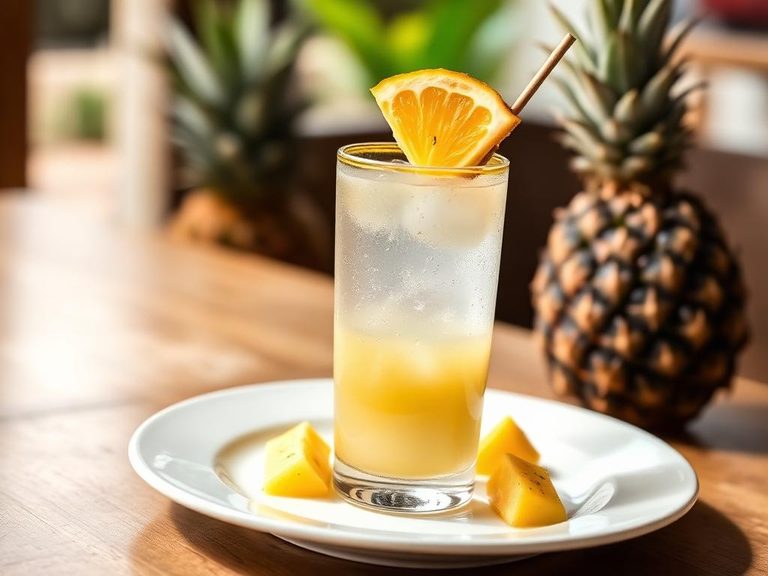
The high concentration of natural sugars can cause rapid blood-sugar spikes, making portion control key for those managing glucose levels. To counteract this, dilute it generously with water or sparkling water, or pair it with a source of protein or healthy fat (like yogurt or nuts) to slow sugar absorption.
Key benefits
- Excellent source of Vitamin C (ascorbic acid).
- Contains manganese, essential for bone health and metabolism.
- Provides bromelain, a digestive enzyme with anti-inflammatory properties.
- Offers a quick source of natural energy from carbohydrates.
- Concentrated form reduces packaging and transportation footprint.
🍽️ Popular dishes
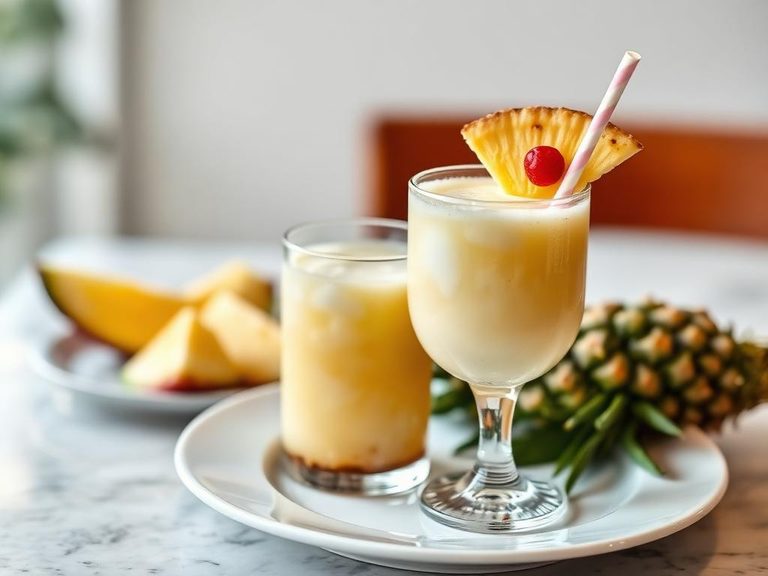
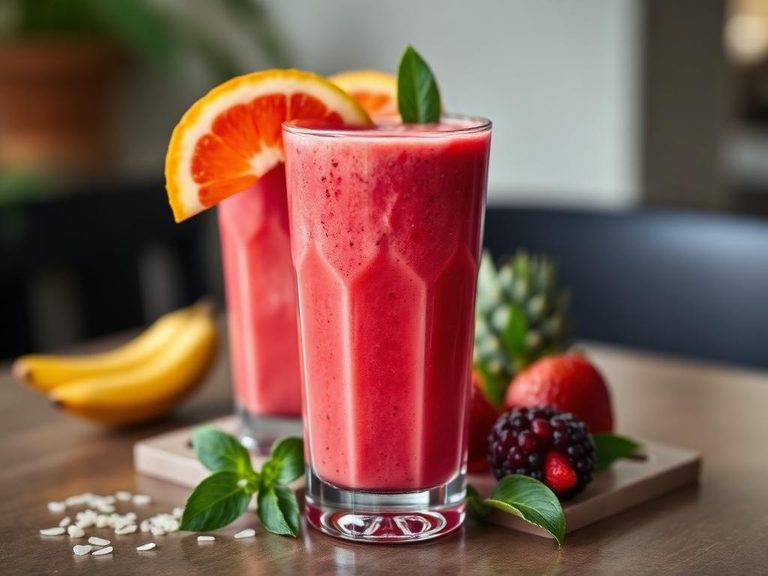
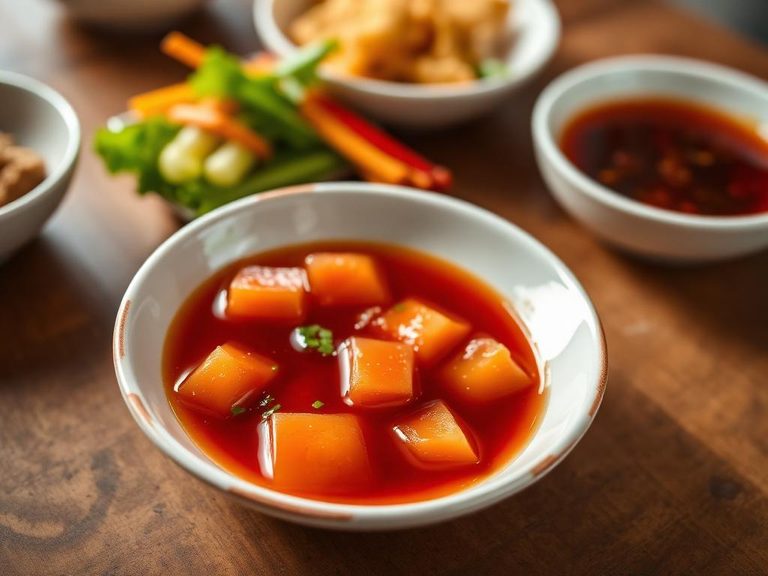
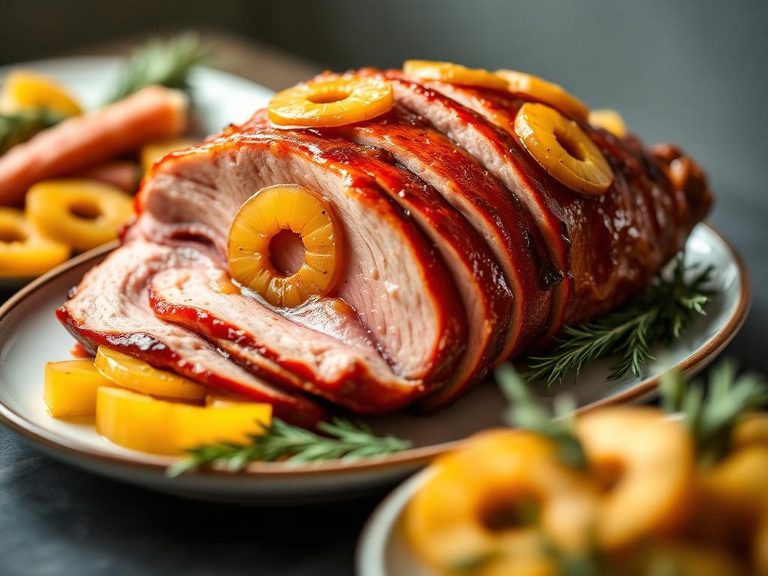
🌍 Where it's eaten
💡 Did you know?
The bromelain enzyme in pineapple is so potent that it can prevent gelatin from setting, which is why you can't make a traditional Jell-O mold with fresh pineapple unless it's first cooked or canned.
Full nutrition (USDA data · scales with serving)
| Water | 53.1 g |
| Energy | 179 kcal |
| Energy | 749 kj |
| Protein | 1.3 g |
| Total lipid (fat) | 0.10 g |
| Ash | 1.2 g |
| Carbohydrate, by difference | 44.3 g |
| Fiber, total dietary | 0.70 g |
| Total Sugars | 43.6 g |
| Calcium, Ca | 39.0 mg |
| Iron, Fe | 0.90 mg |
| Magnesium, Mg | 35.0 mg |
| Phosphorus, P | 28.0 mg |
| Potassium, K | 472 mg |
| Sodium, Na | 3.0 mg |
| Zinc, Zn | 0.40 mg |
| Copper, Cu | 0.31 mg |
| Manganese, Mn | 3.4 mg |
| Selenium, Se | 0.40 ug |
| Vitamin C, total ascorbic acid | 42.0 mg |
| Thiamin | 0.23 mg |
| Riboflavin | 0.06 mg |
| Niacin | 0.90 mg |
| Pantothenic acid | 0.43 mg |
| Vitamin B-6 | 0.26 mg |
| Folate, total | 37.0 ug |
| Folic acid | 0.00 ug |
| Folate, food | 37.0 ug |
| Folate, DFE | 37.0 ug |
| Choline, total | 11.6 mg |
| Vitamin B-12 | 0.00 ug |
| Vitamin B-12, added | 0.00 ug |
| Vitamin A, RAE | 3.0 ug |
| Retinol | 0.00 ug |
| Carotene, beta | 30.0 ug |
| Carotene, alpha | 0.00 ug |
| Cryptoxanthin, beta | 0.00 ug |
| Vitamin A, IU | 50.0 iu |
| Lycopene | 0.00 ug |
| Lutein + zeaxanthin | 0.00 ug |
| Vitamin E (alpha-tocopherol) | 0.03 mg |
| Vitamin E, added | 0.00 mg |
| Vitamin D (D2 + D3), International Units | 0.00 iu |
| Vitamin D (D2 + D3) | 0.00 ug |
| Vitamin K (phylloquinone) | 1.0 ug |
| Alcohol, ethyl | 0.00 g |
| Caffeine | 0.00 mg |
| Theobromine | 0.00 mg |
Fat & fatty acid profile (per 100g)
| Fatty acids, total saturated | 0.01 g |
| SFA 4:0 | 0.00 g |
| SFA 6:0 | 0.00 g |
| SFA 8:0 | 0.00 g |
| SFA 10:0 | 0.00 g |
| SFA 12:0 | 0.00 g |
| SFA 14:0 | 0.00 g |
| SFA 16:0 | 0.00 g |
| SFA 18:0 | 0.00 g |
| Fatty acids, total monounsaturated | 0.01 g |
| MUFA 16:1 | 0.00 g |
| MUFA 18:1 | 0.01 g |
| MUFA 20:1 | 0.00 g |
| MUFA 22:1 | 0.00 g |
| Fatty acids, total polyunsaturated | 0.04 g |
| PUFA 18:2 | 0.02 g |
| PUFA 18:3 | 0.01 g |
| PUFA 18:4 | 0.00 g |
| PUFA 20:4 | 0.00 g |
| PUFA 20:5 n-3 (EPA) | 0.00 g |
| PUFA 22:5 n-3 (DPA) | 0.00 g |
| PUFA 22:6 n-3 (DHA) | 0.00 g |
| Fatty acids, total trans | 0.00 g |
| Cholesterol | 0.00 mg |
Amino acid profile (per 100g)
Estimated from Pineapple, canned, juice pack, solids and liquids — USDA does not publish this profile for Pineapple juice.
| Tryptophan | 0.01 g |
| Threonine | 0.01 g |
| Isoleucine | 0.01 g |
| Leucine | 0.02 g |
| Lysine | 0.02 g |
| Methionine | 0.01 g |
| Cystine | 0.00 g |
| Phenylalanine | 0.01 g |
| Tyrosine | 0.01 g |
| Valine | 0.01 g |
| Arginine | 0.01 g |
| Histidine | 0.01 g |
| Alanine | 0.02 g |
| Aspartic acid | 0.10 g |
| Glutamic acid | 0.05 g |
| Glycine | 0.02 g |
| Proline | 0.01 g |
| Serine | 0.02 g |
FAQ
How do I use this concentrate?
Follow the can's instructions, but a common ratio is mixing one part concentrate with three to four parts cold water or sparkling water to make juice.
Is it the same as canned pineapple juice?
No. This is a thick syrup you dilute. Canned juice is typically ready-to-drink and has a thinner consistency and slightly different flavor profile.
Can I use it in baking?
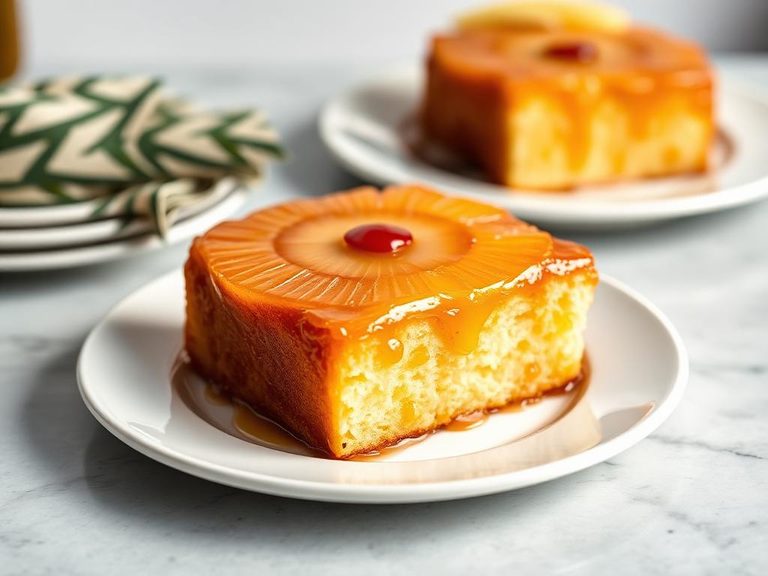
Absolutely! It's fantastic for adding moisture and intense flavor to cakes, muffins, and glazes. Remember to adjust other liquids in the recipe.
Nutrient density (calculated · NRF9.3)
Nutrient Rich Foods index: beneficial nutrients (protein, fiber, vitamins, minerals) minus saturated fat, added sugar & sodium, per 100 kcal.
NRF9.3 index — Fulgoni, Keast & Drewnowski, 2009. Computed from USDA nutrients.
Weight-loss friendliness (composite index)
Energy density 1.79 kcal/g · 3% calories from protein · 0.7 g fiber · 43.6 g sugar per 100 g.
Composite of energy density (Rolls et al., 1999), protein & fiber satiety, minus sugar. A calculated heuristic — ranks satiety-per-calorie, not a clinical measure.
Dietary load (calculated from USDA values)
Potential renal acid load. Positive = acid-forming, negative = alkaline-forming.
Sodium-to-potassium ratio: 0.01 (lower is better — aim for ≤ 1)
Sodium:potassium per WHO potassium guidance. Computed from USDA nutrients.