

Pigeonpeas, immature seeds, raw
Whole food · Vegetables and Vegetable Products

Photo: Wikipedia
Immature pigeonpeas are the tender, green seeds of the Cajanus cajan plant, harvested before they harden. They have a fresh, slightly nutty taste with a satisfying, creamy texture when cooked, similar to a young lima bean. Nutritionally, they are a standout for their high protein and fiber content relative to their calorie count.
Calorie split: 21% protein · 69% carbs · 11% fat
↓ Full nutrition💚 Why it's loved
People love immature pigeonpeas for their delicate, earthy-sweet flavor that readily absorbs spices and aromatics. They are a beloved, versatile staple in many cuisines, offering a nutritious and satisfying meaty texture to both simple and elaborate dishes.
⚠️ Watch-outs & how to enjoy it better
As a legume, they contain oligosaccharides that can cause gas or bloating in some individuals. Soaking and thorough cooking can help reduce these compounds. They also contain moderate levels of natural anti-nutrients like phytic acid, which can be minimized by proper preparation methods like sprouting or cooking.
Key benefits
- Excellent source of plant-based protein (7.2g per 100g)
- High in dietary fiber (5.1g per 100g) for digestive health
- Low in fat (1.64g per 100g) and naturally cholesterol-free
- Rich in micronutrients like folate, iron, and potassium
- Provides a low-glycemic carbohydrate source
🍽️ Popular dishes
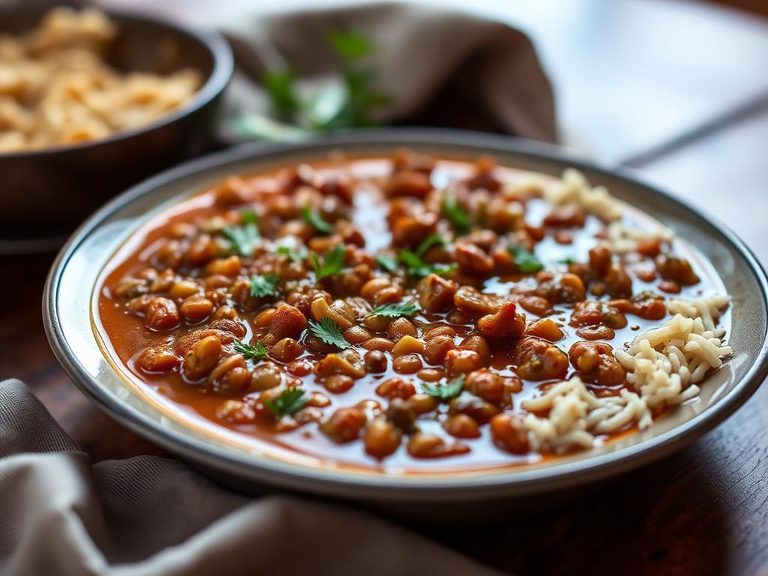
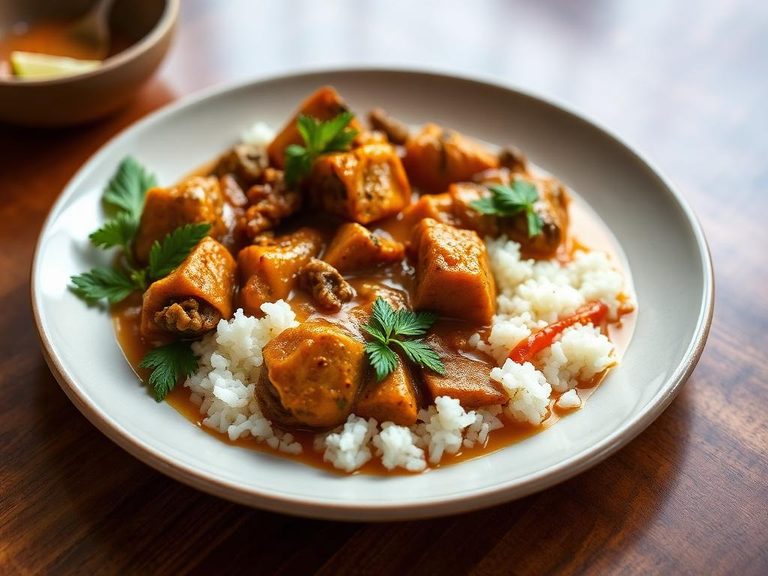

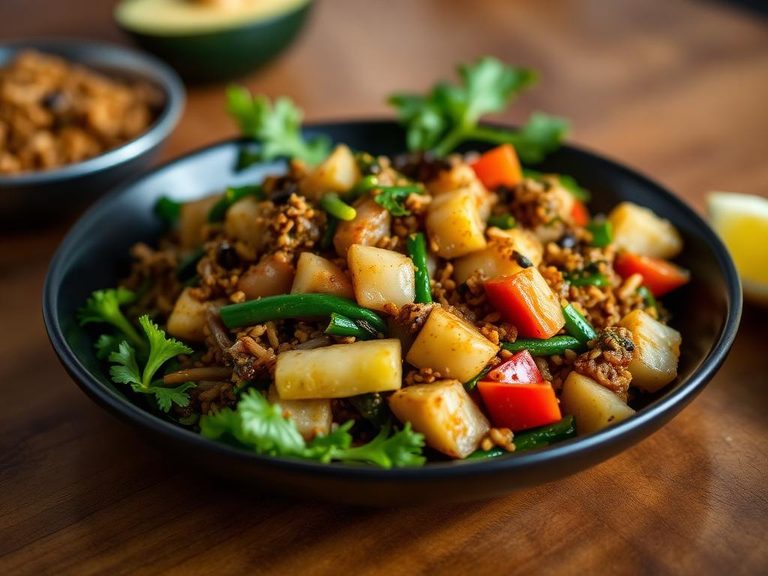
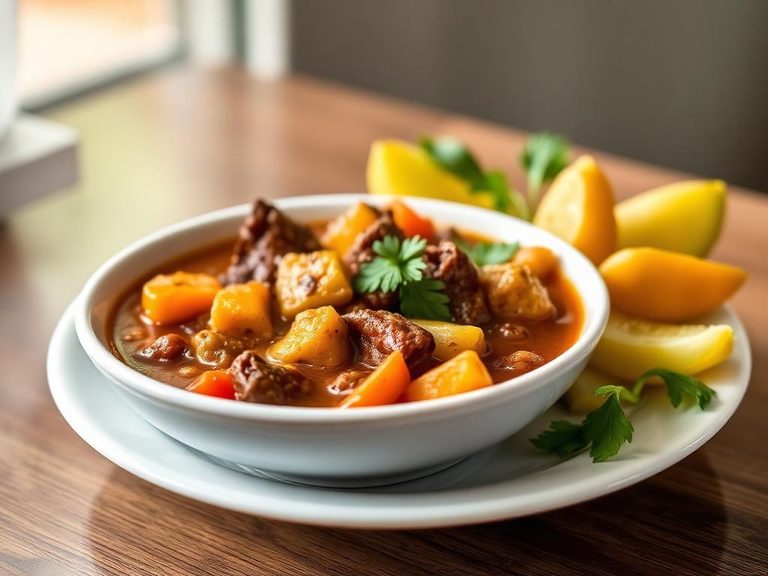
🌍 Where it's eaten
💡 Did you know?
Pigeonpeas are one of the oldest cultivated legumes, with evidence of domestication in India dating back over 3,500 years.
Full nutrition (USDA data · scales with serving)
| Water | 65.9 g |
| Energy | 136 kcal |
| Energy | 569 kj |
| Protein | 7.2 g |
| Total lipid (fat) | 1.6 g |
| Ash | 1.4 g |
| Carbohydrate, by difference | 23.9 g |
| Fiber, total dietary | 5.1 g |
| Total Sugars | 3.0 g |
| Calcium, Ca | 42.0 mg |
| Iron, Fe | 1.6 mg |
| Magnesium, Mg | 68.0 mg |
| Phosphorus, P | 127 mg |
| Potassium, K | 552 mg |
| Sodium, Na | 5.0 mg |
| Zinc, Zn | 1.0 mg |
| Copper, Cu | 0.13 mg |
| Manganese, Mn | 0.57 mg |
| Selenium, Se | 1.5 ug |
| Vitamin C, total ascorbic acid | 39.0 mg |
| Thiamin | 0.40 mg |
| Riboflavin | 0.17 mg |
| Niacin | 2.2 mg |
| Pantothenic acid | 0.68 mg |
| Vitamin B-6 | 0.07 mg |
| Folate, total | 173 ug |
| Folic acid | 0.00 ug |
| Folate, food | 173 ug |
| Folate, DFE | 173 ug |
| Choline, total | 45.8 mg |
| Vitamin B-12 | 0.00 ug |
| Vitamin B-12, added | 0.00 ug |
| Vitamin A, RAE | 3.0 ug |
| Retinol | 0.00 ug |
| Carotene, beta | 40.0 ug |
| Carotene, alpha | 0.00 ug |
| Cryptoxanthin, beta | 0.00 ug |
| Vitamin A, IU | 67.0 iu |
| Lycopene | 0.00 ug |
| Lutein + zeaxanthin | 190 ug |
| Vitamin E (alpha-tocopherol) | 0.39 mg |
| Vitamin E, added | 0.00 mg |
| Vitamin D (D2 + D3), International Units | 0.00 iu |
| Vitamin D (D2 + D3) | 0.00 ug |
| Vitamin K (phylloquinone) | 24.0 ug |
| Alcohol, ethyl | 0.00 g |
| Caffeine | 0.00 mg |
| Theobromine | 0.00 mg |
Fat & fatty acid profile (per 100g)
| Fatty acids, total saturated | 0.35 g |
| SFA 4:0 | 0.00 g |
| SFA 6:0 | 0.00 g |
| SFA 8:0 | 0.00 g |
| SFA 10:0 | 0.00 g |
| SFA 12:0 | 0.00 g |
| SFA 14:0 | 0.00 g |
| SFA 16:0 | 0.33 g |
| SFA 18:0 | 0.03 g |
| Fatty acids, total monounsaturated | 0.01 g |
| MUFA 16:1 | 0.00 g |
| MUFA 18:1 | 0.01 g |
| MUFA 20:1 | 0.00 g |
| MUFA 22:1 | 0.00 g |
| Fatty acids, total polyunsaturated | 0.87 g |
| PUFA 18:2 | 0.83 g |
| PUFA 18:3 | 0.04 g |
| PUFA 18:4 | 0.00 g |
| PUFA 20:4 | 0.00 g |
| PUFA 20:5 n-3 (EPA) | 0.00 g |
| PUFA 22:5 n-3 (DPA) | 0.00 g |
| PUFA 22:6 n-3 (DHA) | 0.00 g |
| Fatty acids, total trans | 0.00 g |
| Cholesterol | 0.00 mg |
Amino acid profile (per 100g)
Estimated from Restaurant, Latino, Arroz con grandules (rice and pigeonpeas) — USDA does not publish this profile for Pigeonpeas.
| Tryptophan | 0.05 g |
| Threonine | 0.11 g |
| Isoleucine | 0.13 g |
| Leucine | 0.26 g |
| Lysine | 0.12 g |
| Methionine | 0.07 g |
| Cystine | 0.06 g |
| Phenylalanine | 0.17 g |
| Tyrosine | 0.10 g |
| Valine | 0.18 g |
| Arginine | 0.25 g |
| Histidine | 0.09 g |
| Alanine | 0.17 g |
| Aspartic acid | 0.31 g |
| Glutamic acid | 0.84 g |
| Glycine | 0.14 g |
| Proline | 0.11 g |
| Serine | 0.16 g |
FAQ
Are immature pigeonpeas the same as mature, dried pigeonpeas (toor dal)?
No, they are different stages of the same plant. Immature seeds are green, tender, and eaten like a vegetable. Mature seeds are dried, hard, and typically used for dals and soups after soaking and cooking.
How do I select and store fresh green pigeonpeas?
Choose pods that are bright green, firm, and free of blemishes or dark spots. Avoid pods that are dry or yellowing. Store them unwashed in a perforated plastic bag in the refrigerator's crisper drawer and use within 2-3 days for best quality.
What's the best way to cook them?
They can be boiled, steamed, or sautéed. Boiling in salted water until tender (about 10-15 minutes) is common. They are excellent in curries, stir-fries, or simply tossed with butter, salt, and pepper.
Nutrient density (calculated · NRF9.3)
Nutrient Rich Foods index: beneficial nutrients (protein, fiber, vitamins, minerals) minus saturated fat, added sugar & sodium, per 100 kcal.
NRF9.3 index — Fulgoni, Keast & Drewnowski, 2009. Computed from USDA nutrients.
Weight-loss friendliness (composite index)
Energy density 1.36 kcal/g · 21% calories from protein · 5.1 g fiber · 3.0 g sugar per 100 g.
Composite of energy density (Rolls et al., 1999), protein & fiber satiety, minus sugar. A calculated heuristic — ranks satiety-per-calorie, not a clinical measure.
Dietary load (calculated from USDA values)
Potential renal acid load. Positive = acid-forming, negative = alkaline-forming.
Sodium-to-potassium ratio: 0.01 (lower is better — aim for ≤ 1)
Sodium:potassium per WHO potassium guidance. Computed from USDA nutrients.