

Peanuts, all types, cooked, boiled, with salt
Whole food · Legumes and Legume Products

Photo: Wikipedia
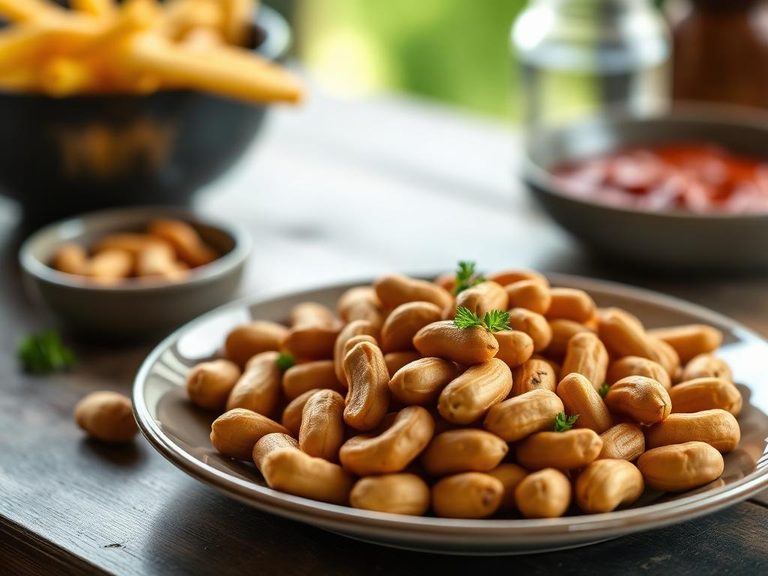
Boiled peanuts are a humble, savory snack where raw peanuts are simmered for hours in heavily salted water until they become tender, almost bean-like, and deeply savory. Unlike their crunchy roasted counterparts, these have a soft, starchy, and meaty texture that absorbs the salty brine. Nutritionally, they are a powerhouse, offering over 13g of protein and nearly 9g of fiber per 100g, making them incredibly satiating.
Calorie split: 16% protein · 25% carbs · 59% fat
↓ Full nutrition💚 Why it's loved
People adore boiled peanuts for their unique, comforting texture and intensely savory, salty flavor that is utterly addictive. They are a beloved cultural staple in the American South and parts of West Africa, often enjoyed communally as a simple, satisfying street food or roadside snack.
⚠️ Watch-outs & how to enjoy it better
The primary caution is the high sodium content from the brine, which can be problematic for those managing blood pressure. Peanuts are also a top allergen, and the high fiber, while beneficial, can cause digestive discomfort if eaten in large quantities by those unaccustomed to it. Counteract the sodium by rinsing them lightly before eating, practicing strict portion control, or seeking low-sodium recipes. Always ensure they are sourced from a reputable seller if managing allergies.
Key benefits
- Excellent source of plant-based protein (13.5g per 100g).
- High in dietary fiber (8.8g per 100g) for digestive health.
- Rich in monounsaturated fats, which are part of a heart-healthy diet.
- A good source of folate and minerals like magnesium and phosphorus.
- The boiling process may make certain antioxidants more bioavailable than roasting.
🍽️ Popular dishes
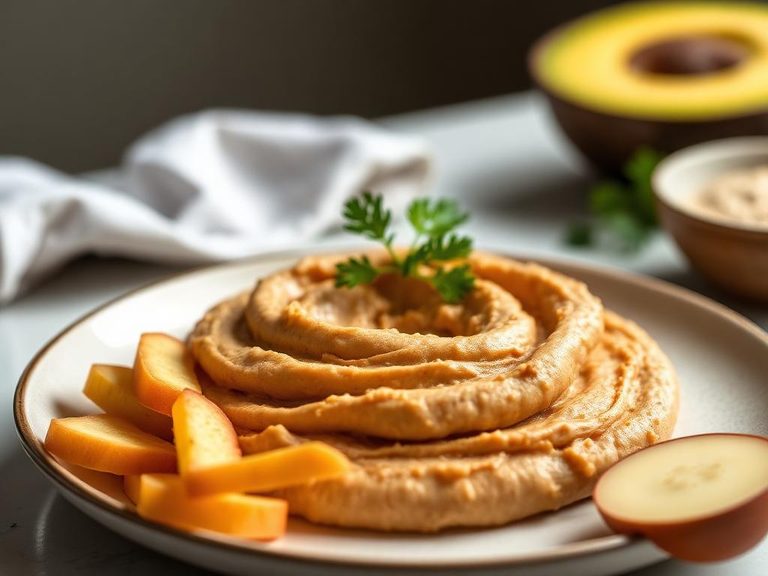
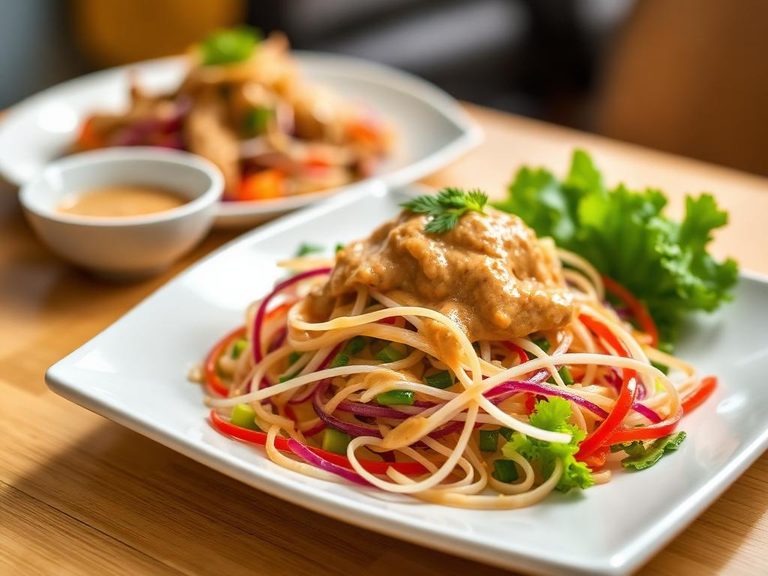
🌍 Where it's eaten
💡 Did you know?
The practice of boiling peanuts is believed to have originated in China during the Ming Dynasty, but it became a deeply ingrained cultural tradition in the American South, likely introduced by enslaved Africans who brought the cooking technique with them.
Full nutrition (USDA data · scales with serving)
| Water | 41.8 g |
| Energy | 318 kcal |
| Energy | 1331 kj |
| Protein | 13.5 g |
| Total lipid (fat) | 22.0 g |
| Ash | 1.4 g |
| Carbohydrate, by difference | 21.3 g |
| Fiber, total dietary | 8.8 g |
| Total Sugars | 2.5 g |
| Calcium, Ca | 55.0 mg |
| Iron, Fe | 1.0 mg |
| Magnesium, Mg | 102 mg |
| Phosphorus, P | 198 mg |
| Potassium, K | 180 mg |
| Sodium, Na | 751 mg |
| Zinc, Zn | 1.8 mg |
| Copper, Cu | 0.50 mg |
| Manganese, Mn | 1.0 mg |
| Selenium, Se | 4.4 ug |
| Vitamin C, total ascorbic acid | 0.00 mg |
| Thiamin | 0.26 mg |
| Riboflavin | 0.06 mg |
| Niacin | 5.3 mg |
| Pantothenic acid | 0.82 mg |
| Vitamin B-6 | 0.15 mg |
| Folate, total | 75.0 ug |
| Folic acid | 0.00 ug |
| Folate, food | 75.0 ug |
| Folate, DFE | 75.0 ug |
| Choline, total | 32.7 mg |
| Vitamin B-12 | 0.00 ug |
| Vitamin B-12, added | 0.00 ug |
| Vitamin A, RAE | 0.00 ug |
| Retinol | 0.00 ug |
| Carotene, beta | 0.00 ug |
| Carotene, alpha | 0.00 ug |
| Cryptoxanthin, beta | 0.00 ug |
| Vitamin A, IU | 0.00 iu |
| Lycopene | 0.00 ug |
| Lutein + zeaxanthin | 0.00 ug |
| Vitamin E (alpha-tocopherol) | 4.1 mg |
| Vitamin E, added | 0.00 mg |
| Vitamin D (D2 + D3), International Units | 0.00 iu |
| Vitamin D (D2 + D3) | 0.00 ug |
| Vitamin K (phylloquinone) | 0.00 ug |
| Alcohol, ethyl | 0.00 g |
| Caffeine | 0.00 mg |
| Theobromine | 0.00 mg |
Fat & fatty acid profile (per 100g)
| Fatty acids, total saturated | 3.1 g |
| SFA 4:0 | 0.00 g |
| SFA 6:0 | 0.00 g |
| SFA 8:0 | 0.00 g |
| SFA 10:0 | 0.00 g |
| SFA 12:0 | 0.00 g |
| SFA 14:0 | 0.01 g |
| SFA 16:0 | 2.3 g |
| SFA 18:0 | 0.49 g |
| Fatty acids, total monounsaturated | 10.9 g |
| MUFA 16:1 | 0.00 g |
| MUFA 18:1 | 10.6 g |
| MUFA 20:1 | 0.30 g |
| MUFA 22:1 | 0.00 g |
| Fatty acids, total polyunsaturated | 7.0 g |
| PUFA 18:2 | 7.0 g |
| PUFA 18:3 | 0.00 g |
| PUFA 18:4 | 0.00 g |
| PUFA 20:4 | 0.00 g |
| PUFA 20:5 n-3 (EPA) | 0.00 g |
| PUFA 22:5 n-3 (DPA) | 0.00 g |
| PUFA 22:6 n-3 (DHA) | 0.00 g |
| Fatty acids, total trans | 0.00 g |
| Cholesterol | 0.00 mg |
Amino acid profile (per 100g)
| Tryptophan | 0.13 g |
| Threonine | 0.46 g |
| Isoleucine | 0.47 g |
| Leucine | 0.88 g |
| Lysine | 0.48 g |
| Methionine | 0.17 g |
| Cystine | 0.17 g |
| Phenylalanine | 0.70 g |
| Tyrosine | 0.55 g |
| Valine | 0.57 g |
| Arginine | 1.6 g |
| Histidine | 0.34 g |
| Alanine | 0.54 g |
| Aspartic acid | 1.6 g |
| Glutamic acid | 2.8 g |
| Glycine | 0.81 g |
| Proline | 0.60 g |
| Serine | 0.67 g |
FAQ
What's the difference between boiled and roasted peanuts?
Boiled peanuts are cooked in salted water for hours, resulting in a soft, tender, and salty snack. Roasted peanuts are dry-cooked with heat, giving them a crunchy texture and a more concentrated, nutty flavor.
Are boiled peanuts healthier than roasted?
They can be. Boiling preserves more of the peanut's natural water-soluble vitamins and may increase antioxidant activity. However, the high sodium content in traditional recipes is a key difference; low-sodium versions can be made at home.
How long do boiled peanuts last?
Refrigerated in their cooking liquid, they will last for about a week. They can also be frozen for several months. The liquid, or 'pot liquor,' is often saved and reused for the next batch, intensifying the flavor.
Nutrient density (calculated · NRF9.3)
Nutrient Rich Foods index: beneficial nutrients (protein, fiber, vitamins, minerals) minus saturated fat, added sugar & sodium, per 100 kcal.
NRF9.3 index — Fulgoni, Keast & Drewnowski, 2009. Computed from USDA nutrients.
Weight-loss friendliness (composite index)
Energy density 3.18 kcal/g · 17% calories from protein · 8.8 g fiber · 2.5 g sugar per 100 g.
Composite of energy density (Rolls et al., 1999), protein & fiber satiety, minus sugar. A calculated heuristic — ranks satiety-per-calorie, not a clinical measure.
Dietary load (calculated from USDA values)
Potential renal acid load. Positive = acid-forming, negative = alkaline-forming.
Sodium-to-potassium ratio: 4.17 (lower is better — aim for ≤ 1)
Sodium:potassium per WHO potassium guidance. Computed from USDA nutrients.