

Nkakui
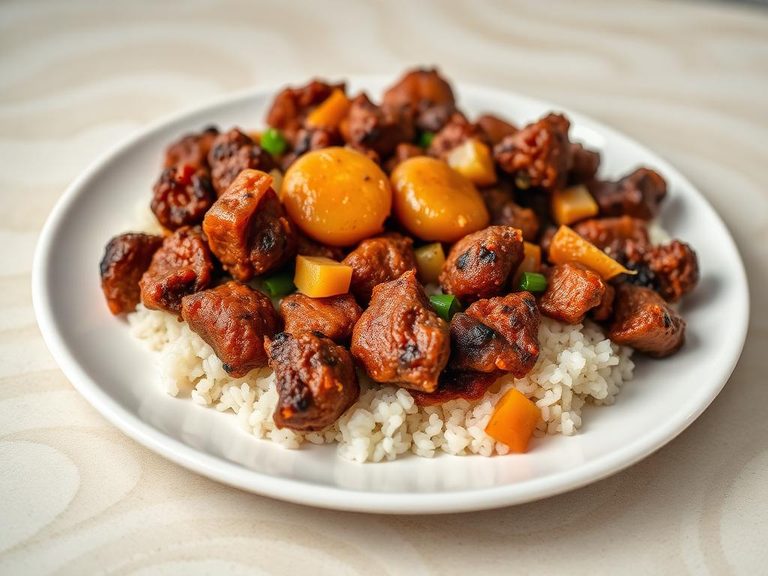
Nkakui is a traditional West African dish, particularly popular among the Igbo people of Nigeria, made from fermented locust beans (dawadawa) that are cooked into a rich, savory sauce or condiment. It typically features fermented locust beans, palm oil, onions, and various spices, and is often served with staples like fufu, garri, or pounded yam.
🍽️ Nutrition at a glance
Nkakui is high in plant-based protein and healthy fats from palm oil, providing essential amino acids, iron, and probiotics from fermentation. A typical serving might range from 150 to 250 calories, depending on portion size and added ingredients.
Nutrition breakdown
| Calories | 210 kcal |
| Protein | 8 g |
| Carbs | 30 g |
| Fat | 7 g |
| Fiber | 5 g |
| Sugar | 4 g |
| Sodium | 380 mg |
| Iron | 3.5 mg |
| Potassium | 420 mg |
| Vitamin A | 120 µg RAE |
| Vitamin C | 15 mg |
| Calcium | 60 mg |
| Magnesium | 45 mg |
| Folate | 80 µg |
| Zinc | 1.8 mg |
Per 1 cup (250 g) · estimated, varies by recipe
💡 What's interesting
Culturally, Nkakui is prized for its deep umami flavor, which acts as a natural flavor enhancer in West African cuisine, similar to how soy sauce is used in Asian cooking. Nutritionally, its fermentation process not only boosts protein availability but also introduces beneficial probiotics that support gut health.
AI estimate may be inaccurate · Terms