

Oranges, raw, Florida
Whole food · Fruits and Fruit Juices

Photo: Wikipedia
The Florida orange is a quintessential sun-ripened citrus fruit, celebrated for its vibrant, juicy flesh and a perfectly balanced sweet-tart flavor. Its thin, easy-to-peel rind encloses segments bursting with refreshing juice, making it a nutritional powerhouse packed with immune-boosting Vitamin C and hydrating fluids.
Calorie split: 6% protein · 91% carbs · 4% fat
↓ Full nutrition💚 Why it's loved
People adore Florida oranges for their iconic, refreshing sweetness that defines the taste of winter sunshine. They are beloved for their incredible versatility—perfect for fresh eating, squeezing into pure juice, or zesting to brighten countless recipes.
⚠️ Watch-outs & how to enjoy it better
The natural sugars (about 9g per 100g) can cause a blood-sugar spike if consumed in large quantities, especially as juice without the pulp's fiber. Tip: Eat the whole fruit for fiber or pair a small portion with a handful of nuts or yogurt. Some may also experience acid reflux or mouth irritation from the high citric acid; rinsing your mouth with water after eating can help.
Key benefits
- Excellent source of Vitamin C (over 100% DV per fruit)
- High in hydration with over 85% water content
- Provides dietary fiber for digestive health
- Contains antioxidants like flavonoids
- Low in calories and fat-free
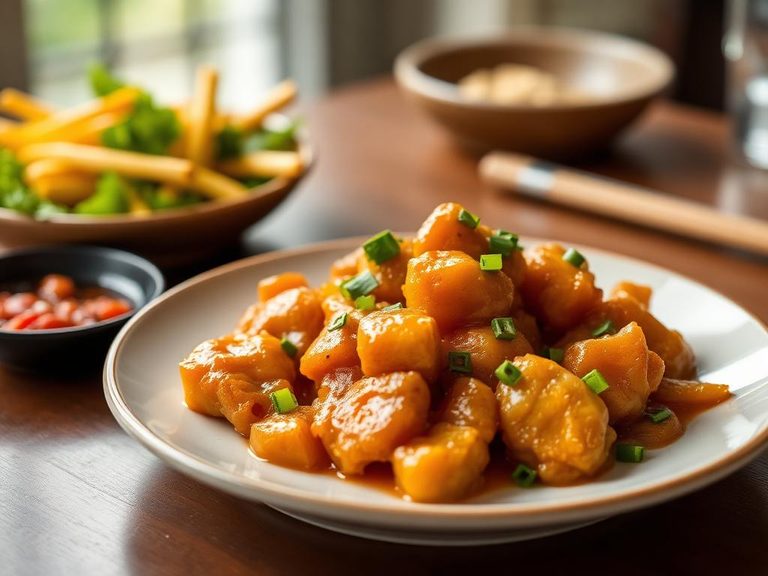
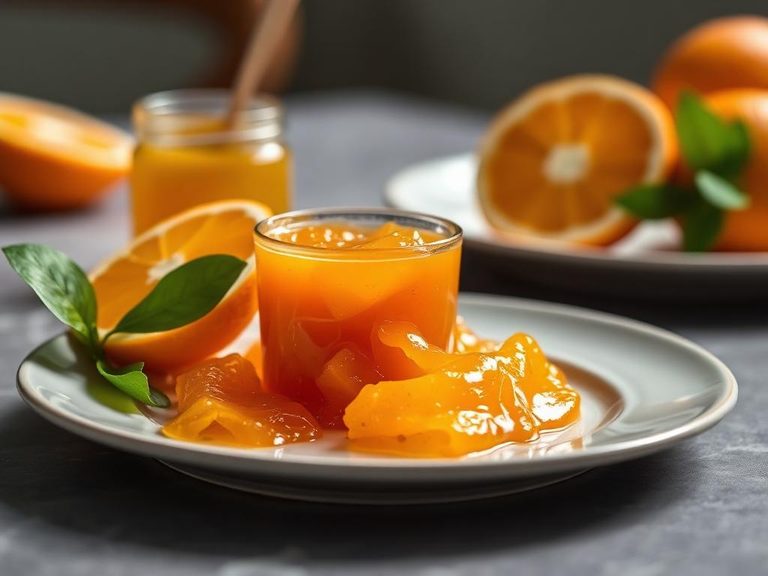
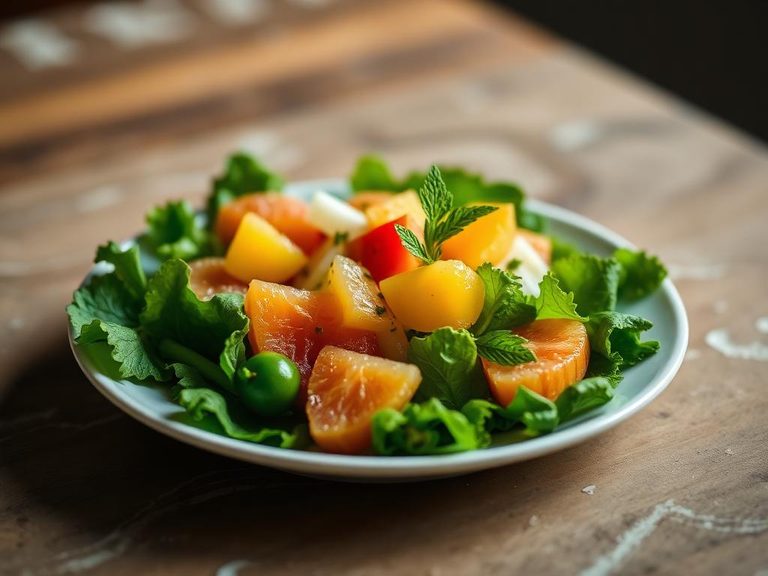
🍽️ Popular dishes



🌍 Where it's eaten
💡 Did you know?
The navel orange, a common variety, is actually a natural mutation—it has a second, undeveloped 'twin' fruit growing at its base, creating the characteristic 'navel' shape.
Full nutrition (USDA data · scales with serving)
| Water | 87.1 g |
| Energy | 46.0 kcal |
| Energy | 192 kj |
| Protein | 0.70 g |
| Total lipid (fat) | 0.21 g |
| Ash | 0.41 g |
| Carbohydrate, by difference | 11.5 g |
| Fiber, total dietary | 2.4 g |
| Total Sugars | 9.1 g |
| Calcium, Ca | 43.0 mg |
| Iron, Fe | 0.09 mg |
| Magnesium, Mg | 10.0 mg |
| Phosphorus, P | 12.0 mg |
| Potassium, K | 169 mg |
| Sodium, Na | 0.00 mg |
| Zinc, Zn | 0.08 mg |
| Copper, Cu | 0.04 mg |
| Manganese, Mn | 0.02 mg |
| Selenium, Se | 0.50 ug |
| Vitamin C, total ascorbic acid | 45.0 mg |
| Thiamin | 0.10 mg |
| Riboflavin | 0.04 mg |
| Niacin | 0.40 mg |
| Pantothenic acid | 0.25 mg |
| Vitamin B-6 | 0.05 mg |
| Folate, total | 17.0 ug |
| Folic acid | 0.00 ug |
| Folate, food | 17.0 ug |
| Folate, DFE | 17.0 ug |
| Choline, total | 8.4 mg |
| Vitamin B-12 | 0.00 ug |
| Vitamin B-12, added | 0.00 ug |
| Vitamin A, RAE | 11.0 ug |
| Retinol | 0.00 ug |
| Carotene, beta | 71.0 ug |
| Carotene, alpha | 11.0 ug |
| Cryptoxanthin, beta | 116 ug |
| Vitamin A, IU | 225 iu |
| Lycopene | 0.00 ug |
| Lutein + zeaxanthin | 129 ug |
| Vitamin E (alpha-tocopherol) | 0.18 mg |
| Vitamin E, added | 0.00 mg |
| Vitamin D (D2 + D3), International Units | 0.00 iu |
| Vitamin D (D2 + D3) | 0.00 ug |
| Vitamin K (phylloquinone) | 0.00 ug |
| Alcohol, ethyl | 0.00 g |
| Caffeine | 0.00 mg |
| Theobromine | 0.00 mg |
Fat & fatty acid profile (per 100g)
| Fatty acids, total saturated | 0.03 g |
| SFA 4:0 | 0.00 g |
| SFA 6:0 | 0.00 g |
| SFA 8:0 | 0.00 g |
| SFA 10:0 | 0.00 g |
| SFA 12:0 | 0.00 g |
| SFA 14:0 | 0.00 g |
| SFA 16:0 | 0.02 g |
| SFA 18:0 | 0.00 g |
| Fatty acids, total monounsaturated | 0.04 g |
| MUFA 16:1 | 0.01 g |
| MUFA 18:1 | 0.03 g |
| MUFA 20:1 | 0.00 g |
| MUFA 22:1 | 0.00 g |
| Fatty acids, total polyunsaturated | 0.04 g |
| PUFA 18:2 | 0.03 g |
| PUFA 18:3 | 0.01 g |
| PUFA 18:4 | 0.00 g |
| PUFA 20:4 | 0.00 g |
| PUFA 20:5 n-3 (EPA) | 0.00 g |
| PUFA 22:5 n-3 (DPA) | 0.00 g |
| PUFA 22:6 n-3 (DHA) | 0.00 g |
| Fatty acids, total trans | 0.00 g |
| Cholesterol | 0.00 mg |
Amino acid profile (per 100g)
| Tryptophan | 0.01 g |
| Threonine | 0.01 g |
| Isoleucine | 0.02 g |
| Leucine | 0.02 g |
| Lysine | 0.04 g |
| Methionine | 0.01 g |
| Cystine | 0.01 g |
| Phenylalanine | 0.02 g |
| Tyrosine | 0.01 g |
| Valine | 0.03 g |
| Arginine | 0.05 g |
| Histidine | 0.01 g |
| Alanine | 0.04 g |
| Aspartic acid | 0.09 g |
| Glutamic acid | 0.07 g |
| Glycine | 0.07 g |
| Proline | 0.04 g |
| Serine | 0.02 g |
FAQ
Is orange juice as healthy as a whole orange?
While orange juice retains vitamins, it lacks the beneficial fiber of the whole fruit, which helps slow sugar absorption and promotes fullness. Whole oranges are generally more nutritionally balanced.
How should I store Florida oranges?
For short-term use (a week), keep them at room temperature. For longer storage (up to 3 weeks), place them in the refrigerator's crisper drawer to maintain freshness and juiciness.
Why are some oranges easier to peel than others?
Peeling ease depends on the variety. 'Loose-skin' types like mandarins and tangerines have a pith that separates easily from the flesh, while standard navel or Valencia oranges have a tighter rind.
Nutrient density (calculated · NRF9.3)
Nutrient Rich Foods index: beneficial nutrients (protein, fiber, vitamins, minerals) minus saturated fat, added sugar & sodium, per 100 kcal.
NRF9.3 index — Fulgoni, Keast & Drewnowski, 2009. Computed from USDA nutrients.
Weight-loss friendliness (composite index)
Energy density 0.46 kcal/g · 6% calories from protein · 2.4 g fiber · 9.1 g sugar per 100 g.
Composite of energy density (Rolls et al., 1999), protein & fiber satiety, minus sugar. A calculated heuristic — ranks satiety-per-calorie, not a clinical measure.
Dietary load (calculated from USDA values)
Potential renal acid load. Positive = acid-forming, negative = alkaline-forming.
Sodium-to-potassium ratio: 0.00 (lower is better — aim for ≤ 1)
Sodium:potassium per WHO potassium guidance. Computed from USDA nutrients.