

Nuts, cashew nuts, dry roasted, without salt added
Whole food · Nut and Seed Products
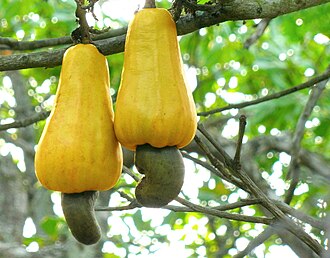
Photo: Wikipedia
These are whole cashew nuts, roasted to a deep golden-brown without any added salt, resulting in a rich, buttery, and slightly sweet flavor with a satisfyingly crisp yet tender bite. Nutritionally, they are a dense energy source, packed with healthy monounsaturated fats and a solid dose of plant-based protein. Their natural sweetness is highlighted by the dry-roasting process, which intensifies their inherent nutty aroma.
Calorie split: 10% protein · 21% carbs · 68% fat
↓ Full nutrition💚 Why it's loved
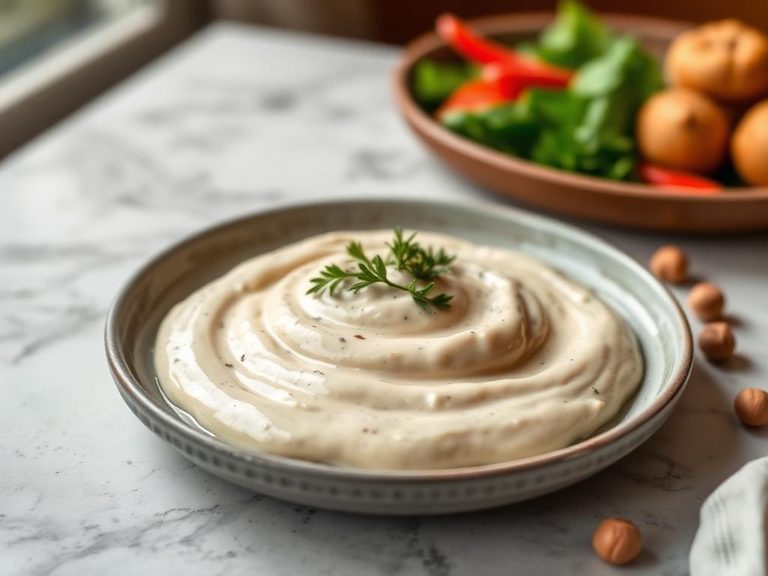
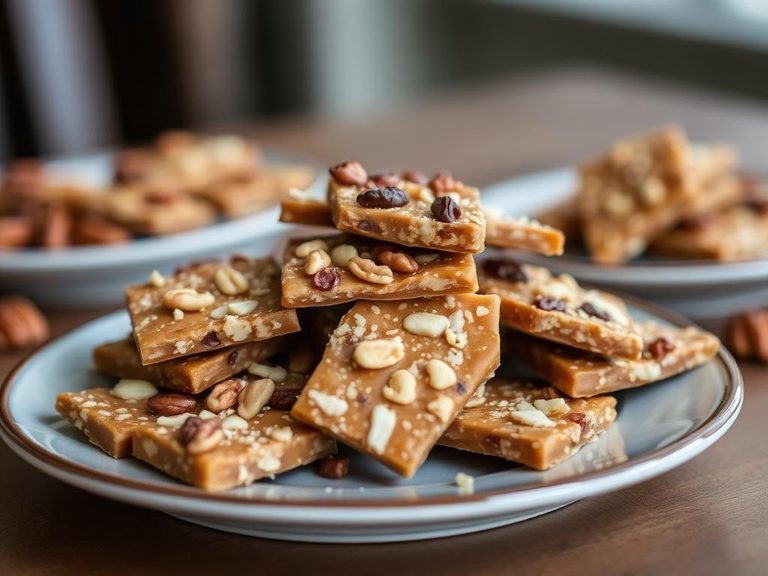
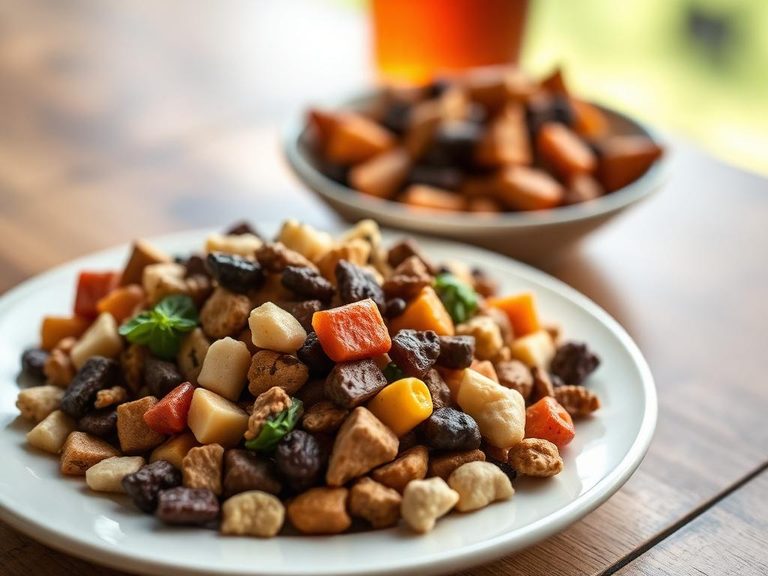
People adore them for their uniquely creamy, buttery texture and delicate sweetness that feels indulgent yet wholesome. They are incredibly versatile, serving as a perfect standalone snack, a crunchy salad topper, or the foundational ingredient for rich, creamy sauces and desserts.
⚠️ Watch-outs & how to enjoy it better
As a high-calorie, energy-dense food, overconsumption can easily lead to exceeding daily energy needs. They are also a tree nut allergen, one of the most common and severe, requiring strict avoidance for allergic individuals. To manage portions, measure out a single serving (about 18 nuts) rather than eating from a large bag, and pair them with fiber-rich foods like an apple to enhance satiety.
Key benefits
- Excellent source of heart-healthy monounsaturated fats
- Good plant-based protein source for muscle maintenance
- Provides essential minerals like magnesium and copper
- Contains antioxidants that combat oxidative stress
- Naturally sweet flavor reduces need for added sugars
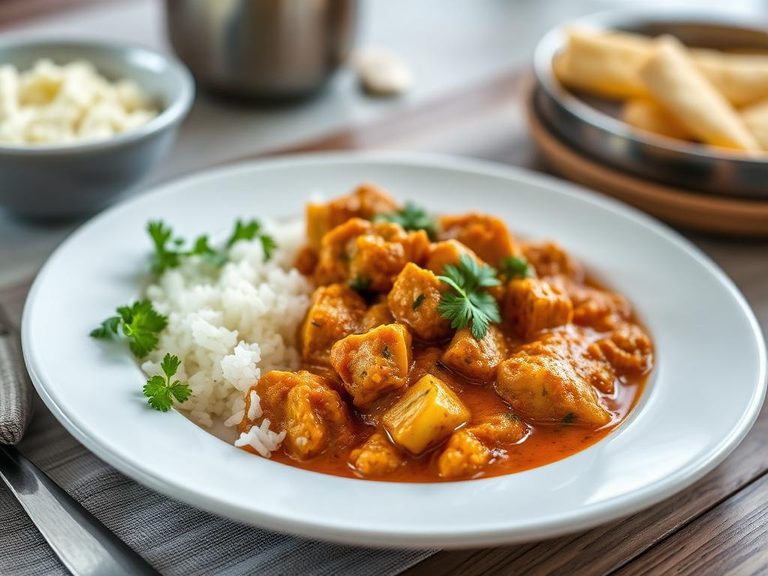
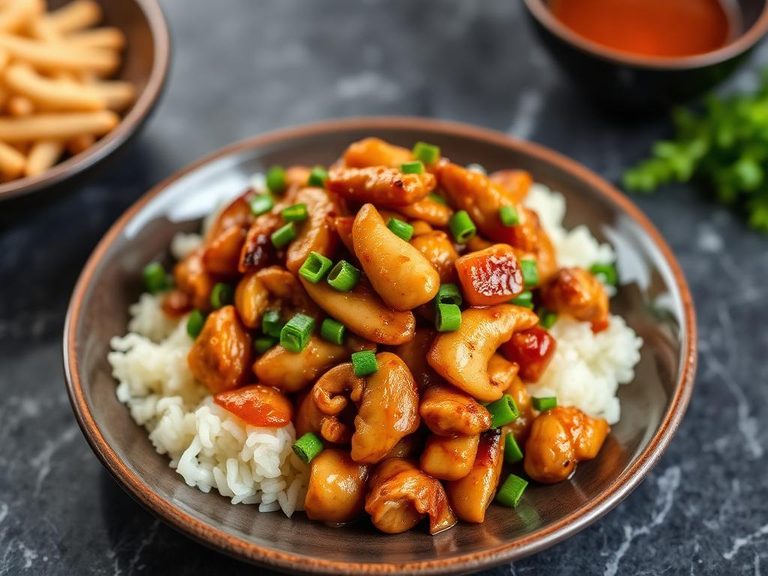
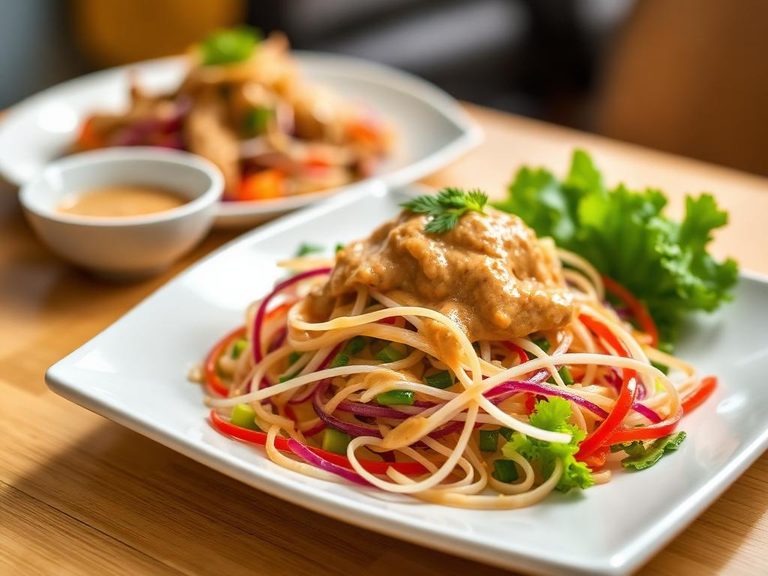
🍽️ Popular dishes
🌍 Where it's eaten
💡 Did you know?
Cashews are not true nuts; they are seeds that grow attached to the bottom of a fruit called a cashew apple, which is too perishable for long-distance trade.
Full nutrition (USDA data · scales with serving)
| Water | 1.7 g |
| Energy | 574 kcal |
| Energy | 2402 kj |
| Protein | 15.3 g |
| Total lipid (fat) | 46.4 g |
| Ash | 4.0 g |
| Carbohydrate, by difference | 32.7 g |
| Fiber, total dietary | 3.0 g |
| Total Sugars | 5.0 g |
| Calcium, Ca | 45.0 mg |
| Iron, Fe | 6.0 mg |
| Magnesium, Mg | 260 mg |
| Phosphorus, P | 490 mg |
| Potassium, K | 565 mg |
| Sodium, Na | 16.0 mg |
| Zinc, Zn | 5.6 mg |
| Copper, Cu | 2.2 mg |
| Manganese, Mn | 0.83 mg |
| Selenium, Se | 11.7 ug |
| Vitamin C, total ascorbic acid | 0.00 mg |
| Thiamin | 0.20 mg |
| Riboflavin | 0.20 mg |
| Niacin | 1.4 mg |
| Pantothenic acid | 1.2 mg |
| Vitamin B-6 | 0.26 mg |
| Folate, total | 69.0 ug |
| Folic acid | 0.00 ug |
| Folate, food | 69.0 ug |
| Folate, DFE | 69.0 ug |
| Choline, total | 61.0 mg |
| Vitamin B-12 | 0.00 ug |
| Vitamin B-12, added | 0.00 ug |
| Vitamin A, RAE | 0.00 ug |
| Retinol | 0.00 ug |
| Carotene, beta | 0.00 ug |
| Carotene, alpha | 0.00 ug |
| Cryptoxanthin, beta | 0.00 ug |
| Vitamin A, IU | 0.00 iu |
| Lycopene | 0.00 ug |
| Lutein + zeaxanthin | 23.0 ug |
| Vitamin E (alpha-tocopherol) | 0.92 mg |
| Vitamin E, added | 0.00 mg |
| Vitamin D (D2 + D3), International Units | 0.00 iu |
| Vitamin D (D2 + D3) | 0.00 ug |
| Vitamin K (phylloquinone) | 34.7 ug |
| Alcohol, ethyl | 0.00 g |
| Caffeine | 0.00 mg |
| Theobromine | 0.00 mg |
Fat & fatty acid profile (per 100g)
| Fatty acids, total saturated | 9.2 g |
| SFA 4:0 | 0.00 g |
| SFA 6:0 | 0.00 g |
| SFA 8:0 | 0.13 g |
| SFA 10:0 | 0.13 g |
| SFA 12:0 | 0.78 g |
| SFA 14:0 | 0.35 g |
| SFA 16:0 | 4.4 g |
| SFA 18:0 | 3.0 g |
| Fatty acids, total monounsaturated | 27.3 g |
| MUFA 16:1 | 0.32 g |
| MUFA 18:1 | 26.8 g |
| MUFA 20:1 | 0.14 g |
| MUFA 22:1 | 0.00 g |
| Fatty acids, total polyunsaturated | 7.8 g |
| PUFA 18:2 | 7.7 g |
| PUFA 18:3 | 0.16 g |
| PUFA 18:4 | 0.00 g |
| PUFA 20:4 | 0.00 g |
| PUFA 20:5 n-3 (EPA) | 0.00 g |
| PUFA 22:5 n-3 (DPA) | 0.00 g |
| PUFA 22:6 n-3 (DHA) | 0.00 g |
| Cholesterol | 0.00 mg |
| Phytosterols | 158 mg |
Amino acid profile (per 100g)
| Tryptophan | 0.24 g |
| Threonine | 0.59 g |
| Isoleucine | 0.73 g |
| Leucine | 1.3 g |
| Lysine | 0.82 g |
| Methionine | 0.27 g |
| Cystine | 0.28 g |
| Phenylalanine | 0.79 g |
| Tyrosine | 0.49 g |
| Valine | 1.0 g |
| Arginine | 1.7 g |
| Histidine | 0.40 g |
| Alanine | 0.70 g |
| Aspartic acid | 1.5 g |
| Glutamic acid | 3.6 g |
| Glycine | 0.80 g |
| Proline | 0.69 g |
| Serine | 0.85 g |
FAQ
Why are cashews often more expensive than other nuts?
Their cost is higher due to the labor-intensive harvesting and processing required. The cashew shell contains a toxic oil (urushiol) that must be carefully removed by hand or with specialized equipment before the nut is safe to eat.
Is the dry-roasting process healthier than oil-roasting?
Dry-roasting uses no added oils, keeping the fat content solely from the nut itself. Oil-roasting can add extra calories and fats, though it may enhance flavor and texture for some preferences.
Can I use these in baking even though they are roasted?
Absolutely. Roasted cashews can be chopped and used in cookies, brownies, or as a topping for bars and cakes. Their pre-toasted flavor will add a deeper, nuttier note compared to raw cashews.
Nutrient density (calculated · NRF9.3)
Nutrient Rich Foods index: beneficial nutrients (protein, fiber, vitamins, minerals) minus saturated fat, added sugar & sodium, per 100 kcal.
NRF9.3 index — Fulgoni, Keast & Drewnowski, 2009. Computed from USDA nutrients.
Weight-loss friendliness (composite index)
Energy density 5.74 kcal/g · 11% calories from protein · 3.0 g fiber · 5.0 g sugar per 100 g.
Composite of energy density (Rolls et al., 1999), protein & fiber satiety, minus sugar. A calculated heuristic — ranks satiety-per-calorie, not a clinical measure.
Dietary load (calculated from USDA values)
Potential renal acid load. Positive = acid-forming, negative = alkaline-forming.
Sodium-to-potassium ratio: 0.03 (lower is better — aim for ≤ 1)
Sodium:potassium per WHO potassium guidance. Computed from USDA nutrients.