

Korma
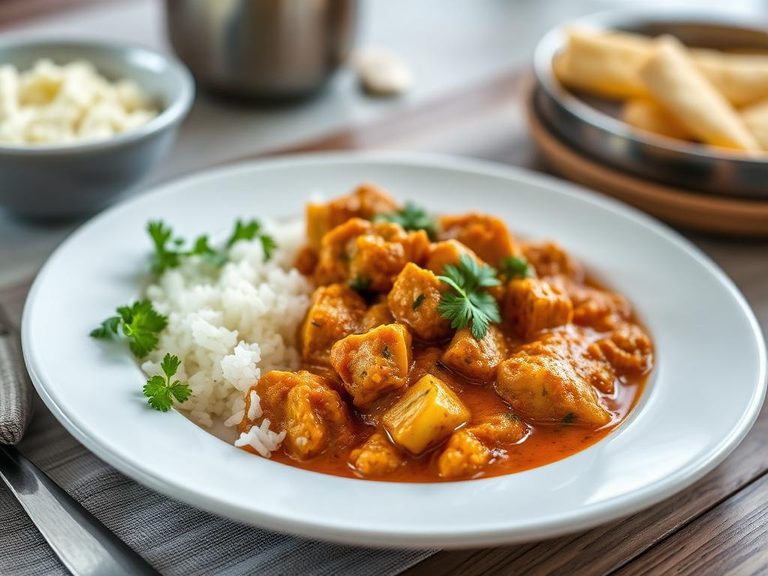
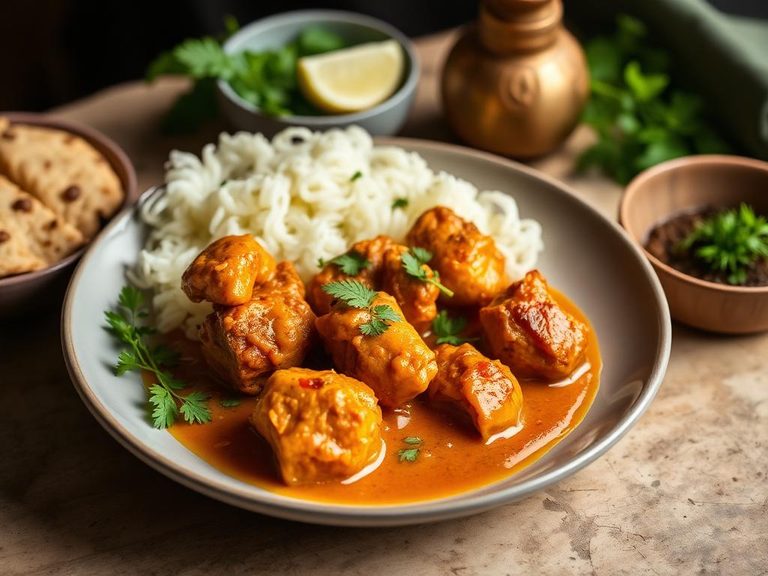
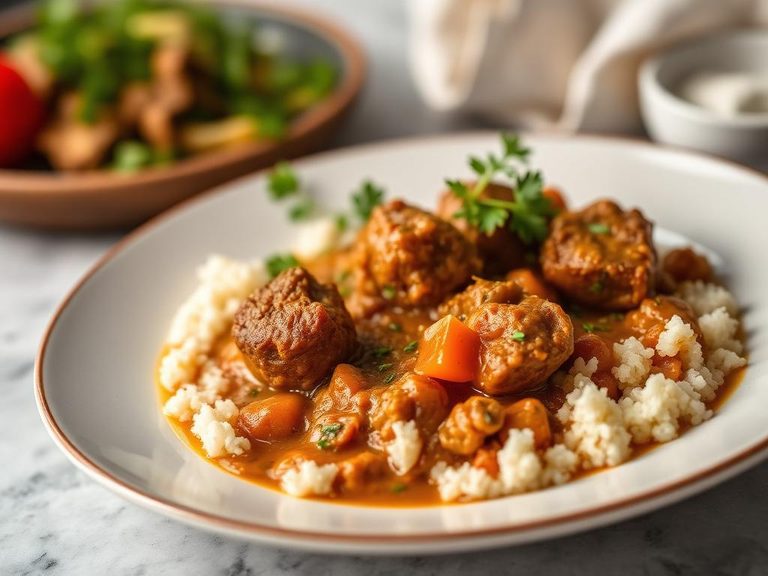
Korma is a rich and aromatic curry dish originating from the Indian subcontinent, known for its creamy, mild flavor profile. It typically features meat (such as chicken, lamb, or beef) or vegetables slow-cooked in a blend of yogurt, cream, nuts, and a fragrant mix of spices like cardamom, cinnamon, and coriander. The dish is often associated with Mughlai cuisine, reflecting a blend of Central Asian and Indian culinary traditions.
🍳 View the full Korma recipe →
🍽️ Nutrition at a glance
Korma is generally high in fat and protein due to the generous use of dairy (yogurt, cream) and nuts, with a moderate amount of carbohydrates from any added onions or sugar. A typical serving provides a good source of calcium, protein, and healthy fats, but can be calorie-dense—often ranging from 400 to 600 calories per serving depending on the recipe and portion size.
Nutrition breakdown
| Calories | 450 kcal |
| Protein | 25 g |
| Carbs | 15 g |
| Fat | 32 g |
| Fiber | 3 g |
| Sugar | 4 g |
| Sodium | 650 mg |
| Potassium | 450 mg |
| Iron | 3.5 mg |
| Vitamin A | 250 mcg RAE |
| Vitamin C | 8 mg |
| Calcium | 120 mg |
| Phosphorus | 280 mg |
| Magnesium | 45 mg |
| Zinc | 4 mg |
Per 1 cup (240 g) · estimated, varies by recipe
💡 What's interesting
Culturally, Korma is celebrated for its historical ties to royal Mughal banquets, where it symbolized luxury and slow-cooked sophistication. Nutritionally, the use of yogurt and nuts not only adds creaminess but also introduces probiotics and healthy fats, which can aid in digestion and provide sustained energy.
🍽️ Related dishes
AI estimate may be inaccurate · Terms