Indian Vegetable Korma
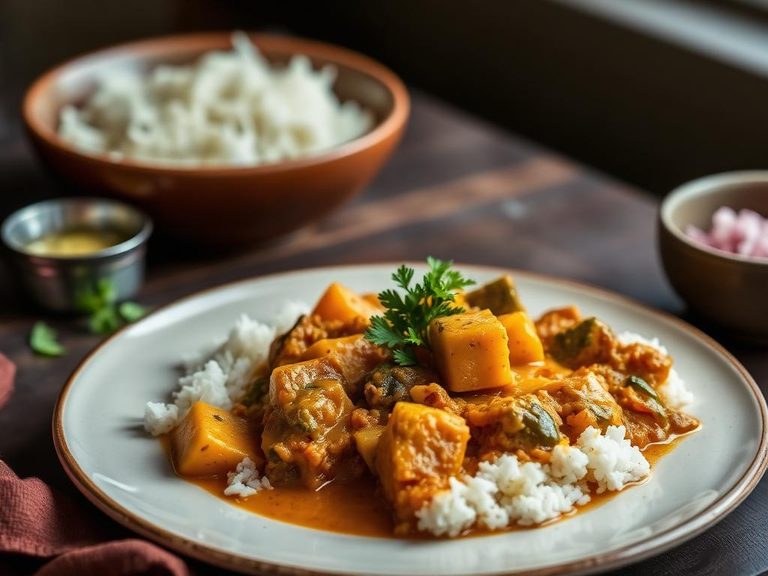
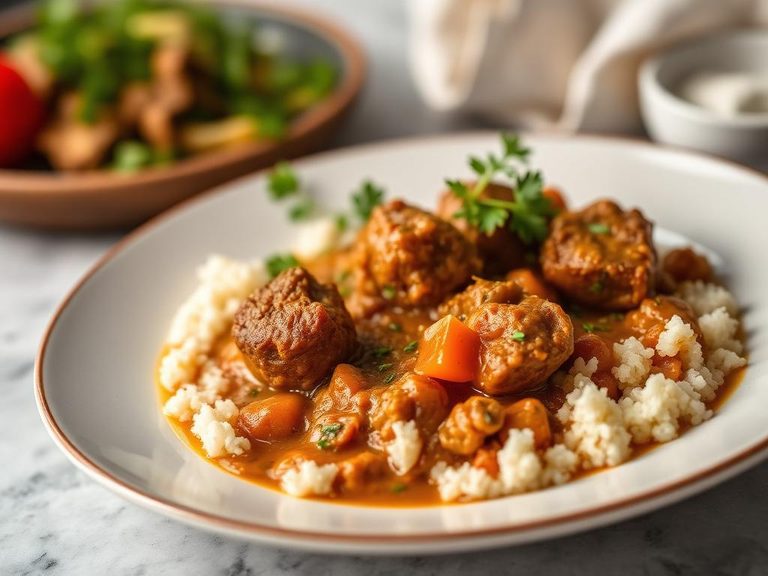
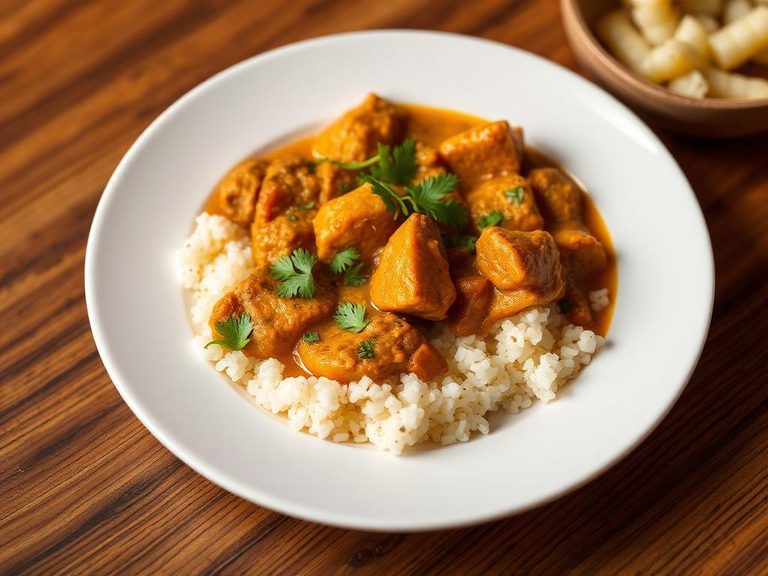
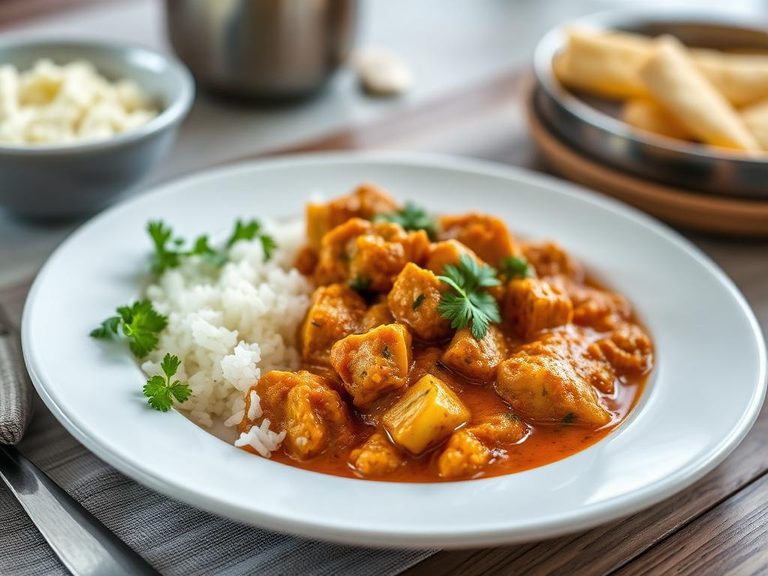
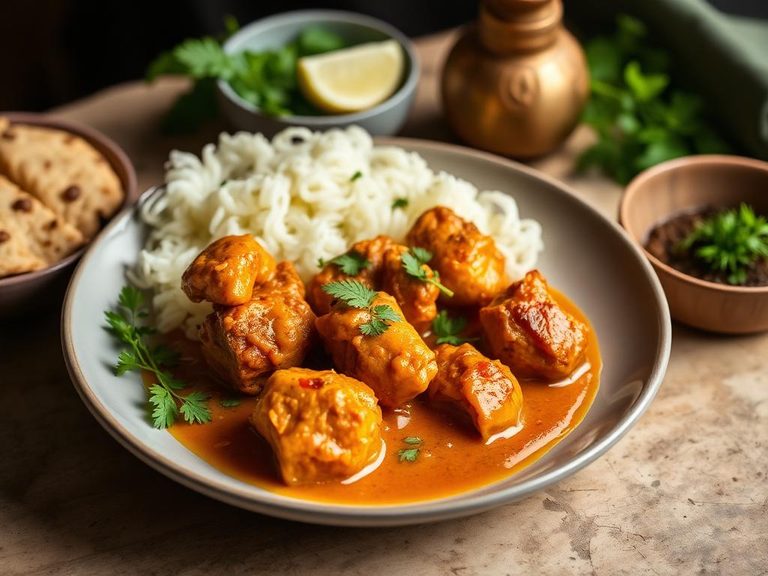
Indian Vegetable Korma is a rich, creamy, and aromatic curry originating from the Indian subcontinent, known for its mild and subtly sweet flavor profile. It typically features a medley of vegetables like potatoes, carrots, peas, and cauliflower simmered in a luxurious sauce made from yogurt, cream, and a paste of nuts (like cashews or almonds) and spices such as cardamom, cloves, and cinnamon. This dish is a staple in Mughlai cuisine and is often served during celebrations and special occasions.
🍽️ Nutrition at a glance
Vegetable Korma is generally high in carbohydrates from the vegetables and nuts, and can be high in fat due to the use of cream, yogurt, and sometimes ghee or oil. It provides a good source of dietary fiber, vitamins (like vitamin C and A from the vegetables), and minerals, with a typical serving containing approximately 300-400 calories.
Nutrition breakdown
| Calories | 280 kcal |
| Protein | 8 g |
| Carbs | 18 g |
| Fat | 20 g |
| Fiber | 4 g |
| Sugar | 6 g |
| Sodium | 650 mg |
| Potassium | 450 mg |
| Vitamin A | 150 mcg RAE |
| Vitamin C | 25 mg |
| Calcium | 80 mg |
| Iron | 2.5 mg |
| Magnesium | 45 mg |
| Phosphorus | 120 mg |
| Folate | 60 mcg DFE |
Per 1 cup (240 g) · estimated, varies by recipe
💡 What's interesting
Culturally, Vegetable Korma is a testament to the Mughal influence on Indian cuisine, showcasing the use of dairy and nuts to create a luxurious texture without relying on tomatoes. Nutritionally, the combination of spices like turmeric and cumin not only adds flavor but also offers anti-inflammatory and digestive benefits.